
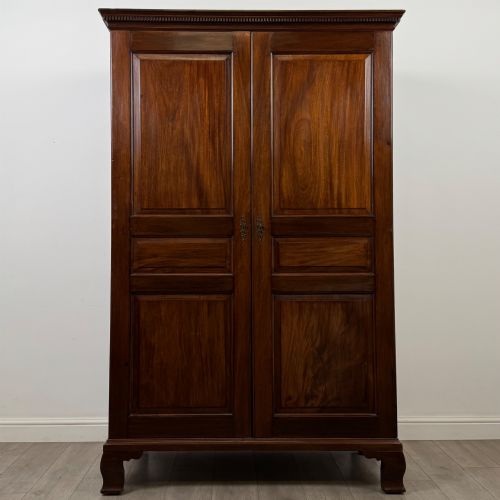
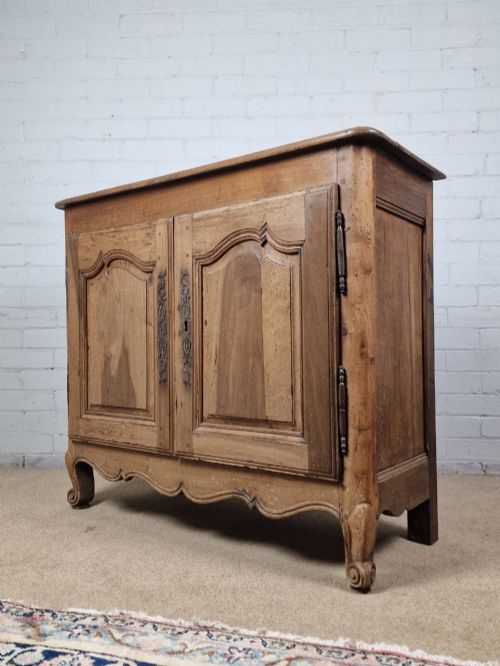
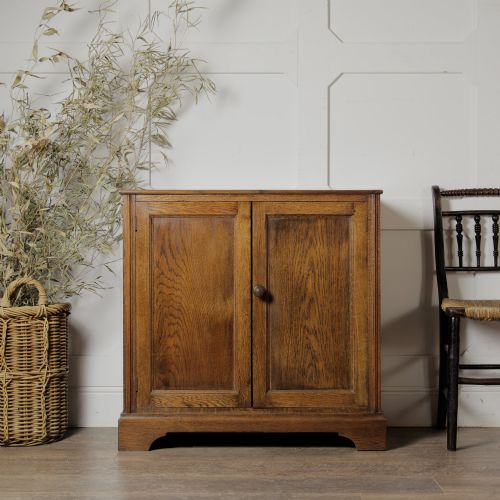

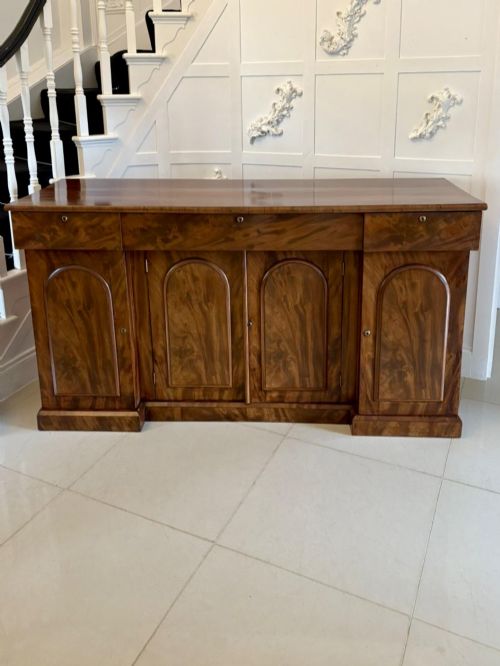
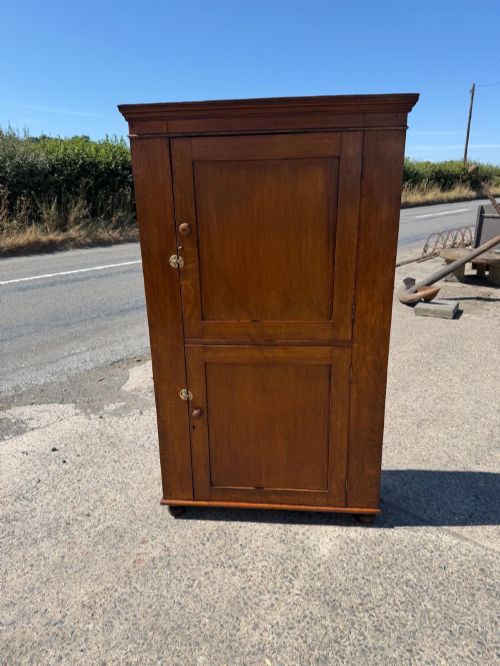
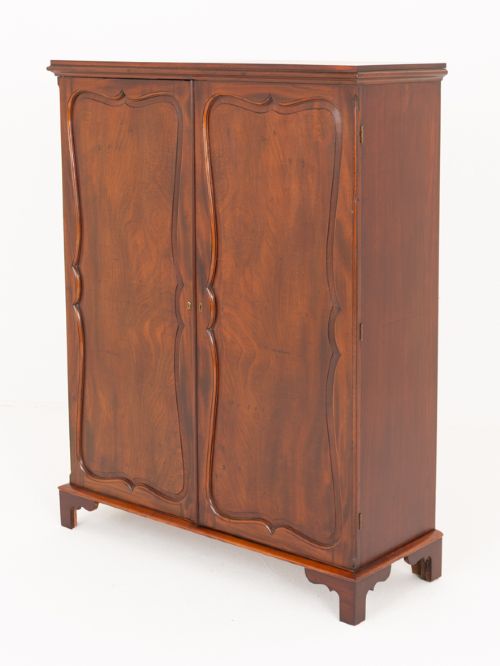
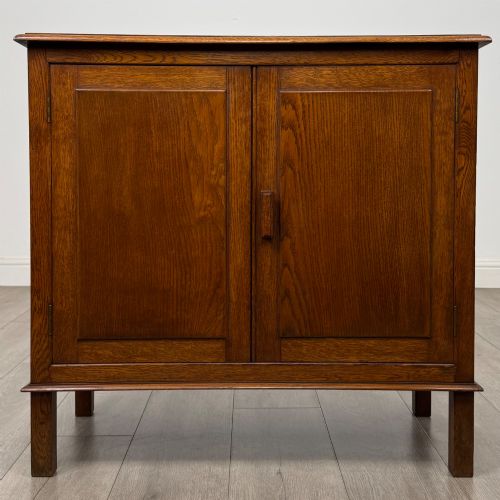
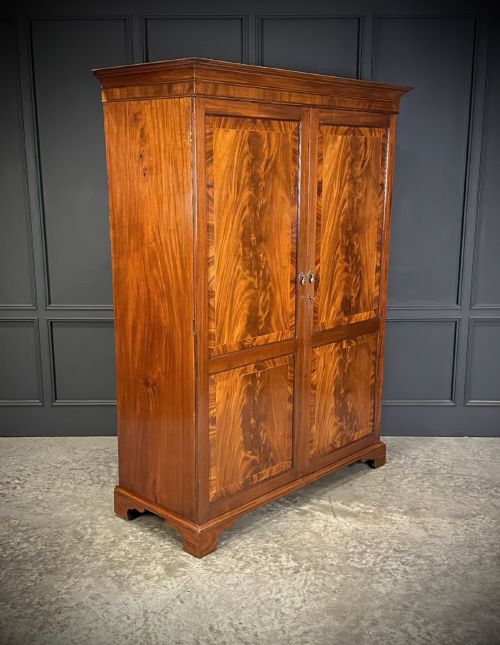

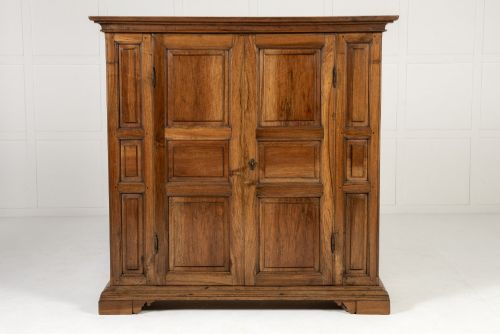
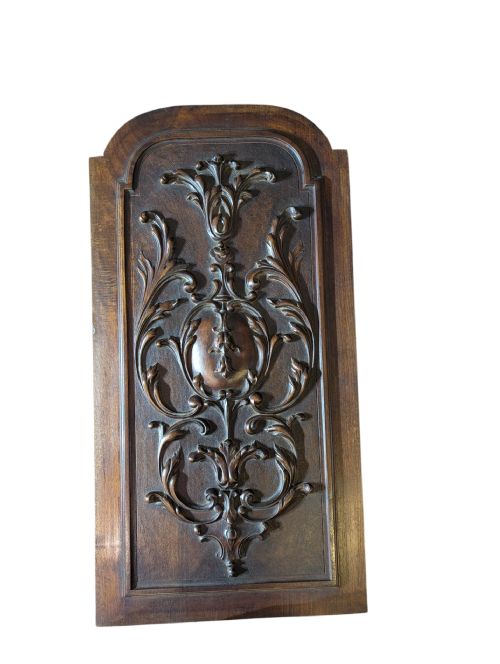
Brown Wooden Panel Doors
These brown wooden panel doors and related cabinet fronts bring warmth and architectural character to a room through centuries of timber craftsmanship.
Brown Wooden Panel Doors
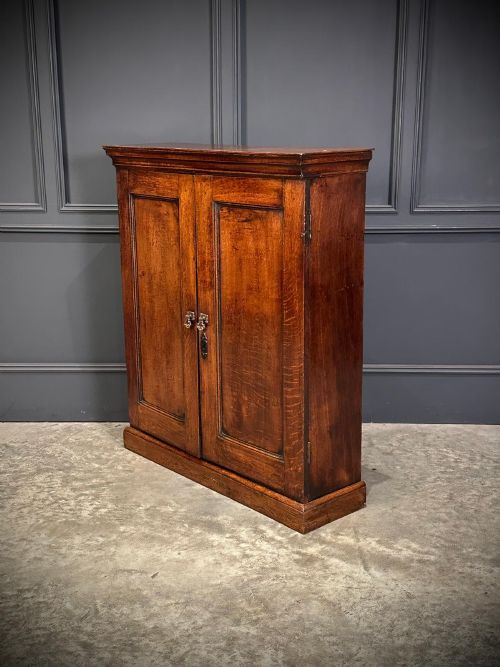
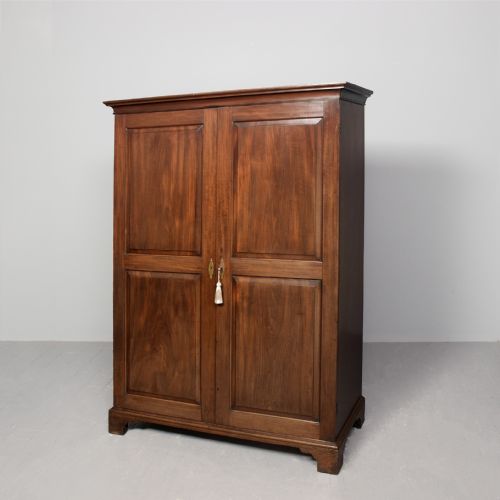
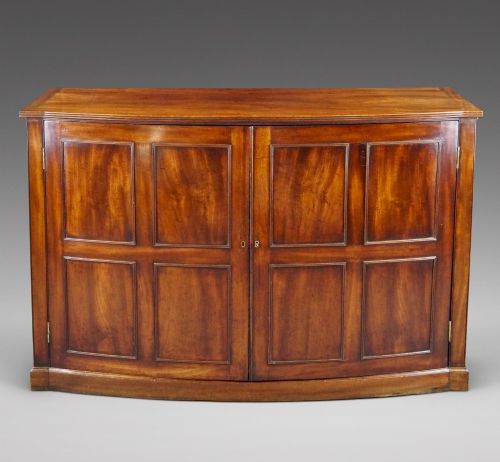
When you search for brown wooden panel doors, you encounter architectural salvage and larger cabinet furniture featuring timber construction and panelled configurations. The selection spans structural elements like entrance screens and individual panels alongside storage forms such as wardrobes, side cabinets, and cupboards.
The pieces on this page originate predominantly from the eighteenth and nineteenth centuries, taking shape during the Georgian and Victorian eras. You will frequently meet solid oak and mahogany constructions, often expressing regional European styles from French provincial to Italian baroque.
Materials and construction methods
Cabinet makers and joiners relied on durable hardwoods including mahogany, oak, walnut, and chestnut to build these doors and associated storage furniture. Timber selection dictated the structural stability and natural grain pattern of each panel.
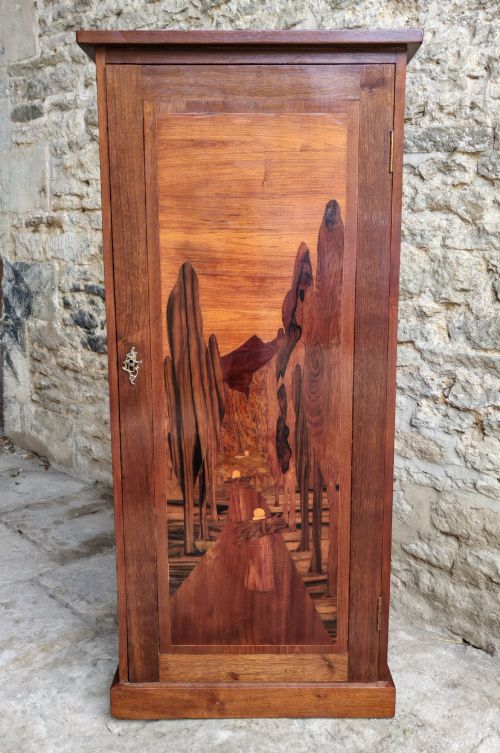
Makers utilised traditional joinery alongside applied brass or iron hardware, glass inserts, and decorative veneers such as flame mahogany and burr walnut. Carved details and inlaid elements appear across various pieces from the eighteenth century onwards.
Architectural elements and storage forms span Victorian, Georgian, Edwardian, and French provincial styles.
Distinctions in quality and execution
Quality in these brown wooden panel doors rests upon the selection of timber and the precision of the joinery used to frame each panel. Finer examples display carefully matched veneers, such as figured mahogany or burr walnut, combined with substantial secondary woods.
The sophistication of the carved ornamentation and the integration of original brass or iron hardware differentiate standard utility items from superior cabinetwork. The depth of the timber grain and the integrity of the original construction dictate the standing of each piece.
The Brown Wooden Panel Doors Glossary
- Panel
- A distinct central section of wood set within a surrounding frame, designed to allow natural timber movement without splitting. This construction method defines the visual rhythm of traditional doors and cabinet fronts.
- Salvage
- Architectural elements recovered from older buildings for reuse in modern interiors. These items retain their original patination and period joinery.
- Compactum
- A large wardrobe or fitted cupboard designed with internal compartments for organised clothing storage. This form became popular during the nineteenth century in mahogany and walnut.
- Linen press
- A tall piece of furniture featuring upper doors enclosing sliding trays or shelves, originally intended for storing textiles. Georgian examples frequently utilise solid mahogany or oak.
- Veneer
- A thin slice of figured wood adhered to a stable secondary timber base to create decorative surfaces. Flame mahogany and burr walnut veneers appear frequently on finer nineteenth-century cabinets.
Brown Wooden Panel Doors: Frequently Asked Questions
How do I date an old wooden door?
Dating relies upon examining the timber species, the hand-tool marks left by the joiner, and the style of the panel mouldings. Eighteenth-century examples often feature pegged mortise and tenon joints with hand-planed surfaces.
Later Victorian pieces introduce machine-sawn timber and standardised hardware fixings. Comparing the construction details to dated examples in the listings helps narrow down the period.
Can architectural doors be hung in modern homes?
Salvaged doors require careful measurement of the frame opening and often need minor adjustments to fit contemporary doorways safely. Joiners can plane edges or add false stops to accommodate historical dimensions.
Consider the weight of dense hardwoods like oak or mahogany when selecting hinges and wall fixings for structural panels.
What is the difference between oak and mahogany doors?
Oak timber provides a heavy, visible grain structure associated with earlier centuries, including Georgian and seventeenth-century vernacular architecture. It accepts traditional wax finishes and develops a dark patination over time.
Mahogany offers a denser, smoother reddish-brown surface that became prevalent in fine cabinetmaking from the mid-eighteenth century onward.
How should I maintain a vintage wooden panelled door?
Preserve the finish by applying a quality beeswax periodically to nourish the dry timber and protect the surface from moisture. Avoid placing wooden panels near direct heat sources that cause the wood to warp or split.
Dust gently with a dry cloth and address any hardware looseness immediately to prevent strain on the surrounding joints.