

Brown Wooden Mirrors
Brown wooden mirrors offer rich timber tones and reflective depth, bringing warmth and character to domestic interiors across various traditional periods.
Brown Wooden Mirrors
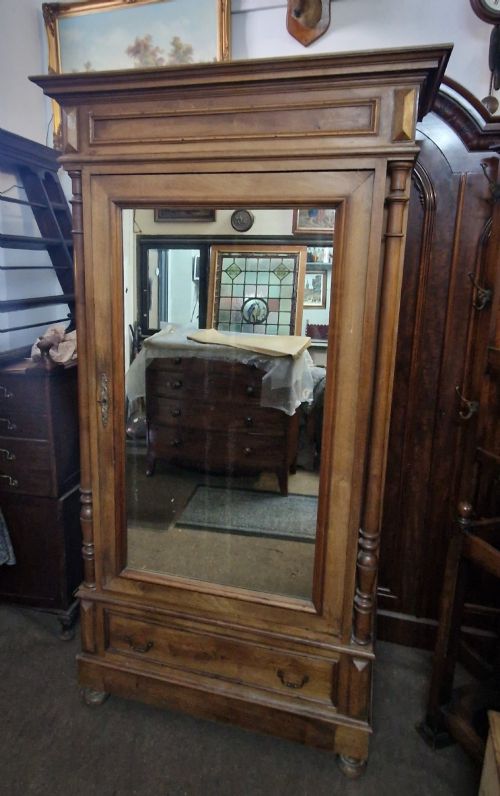
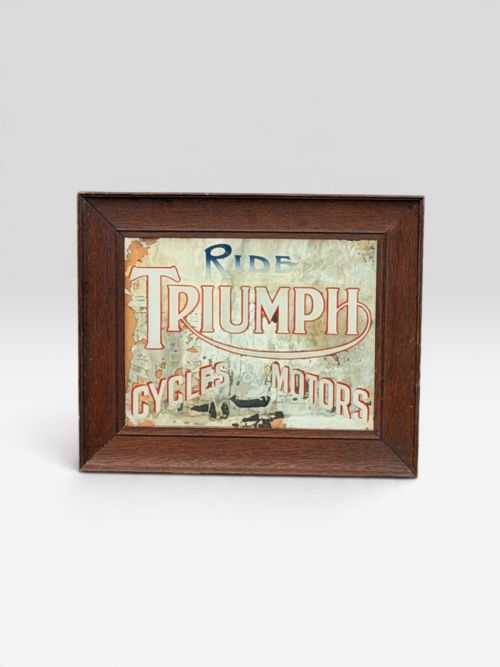
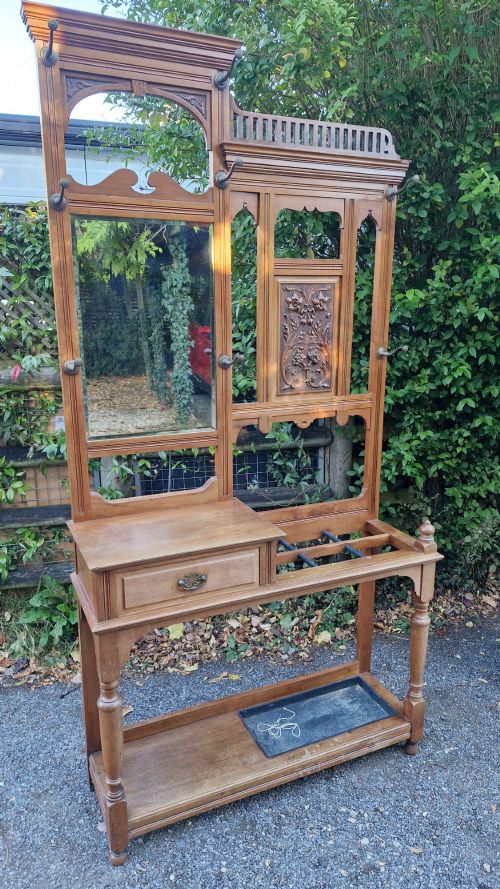
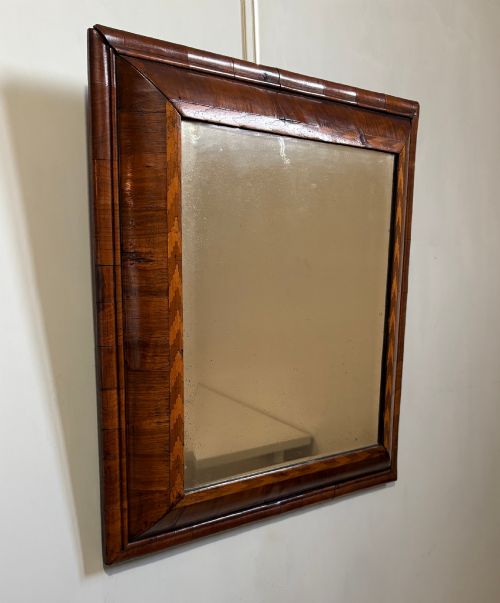
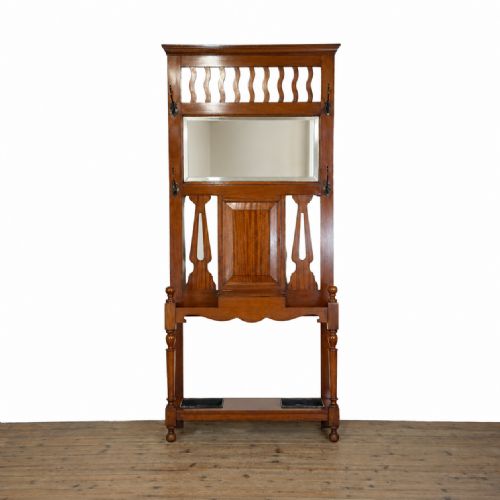
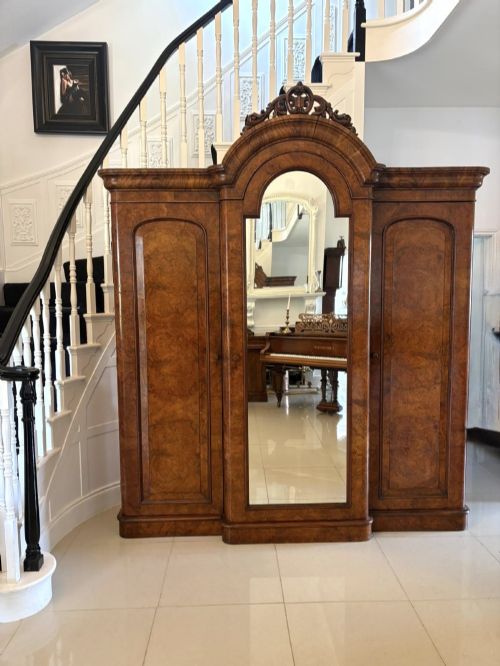
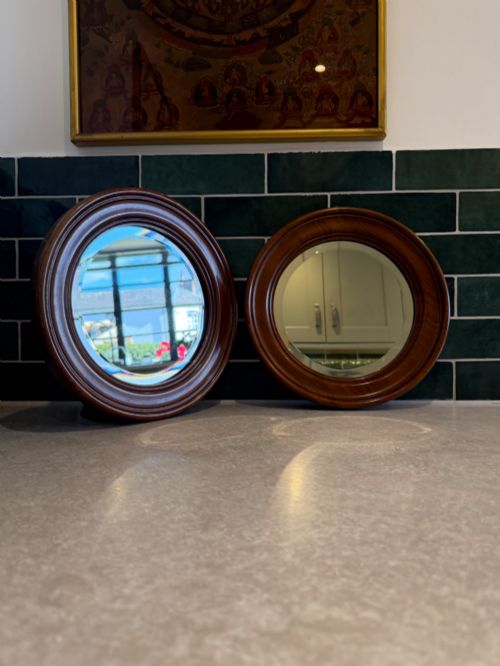
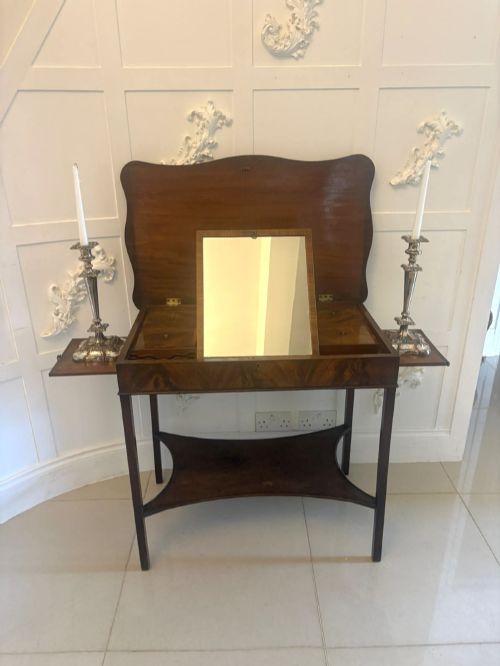
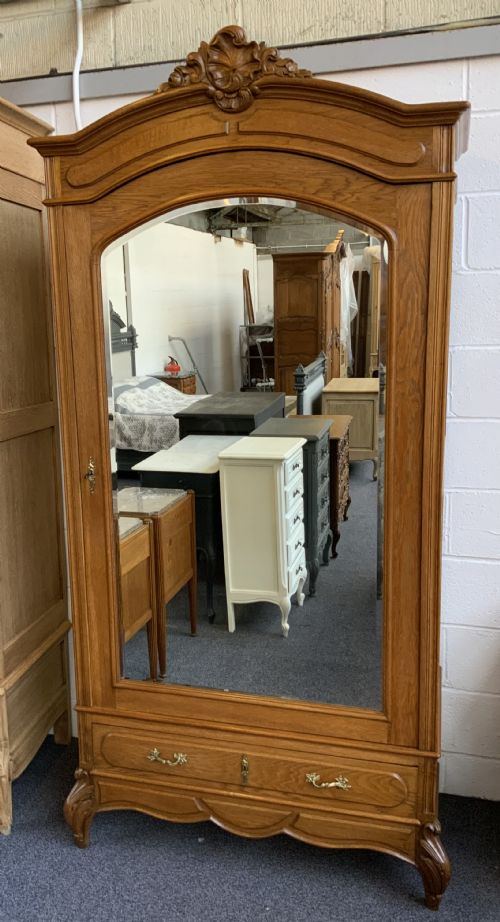
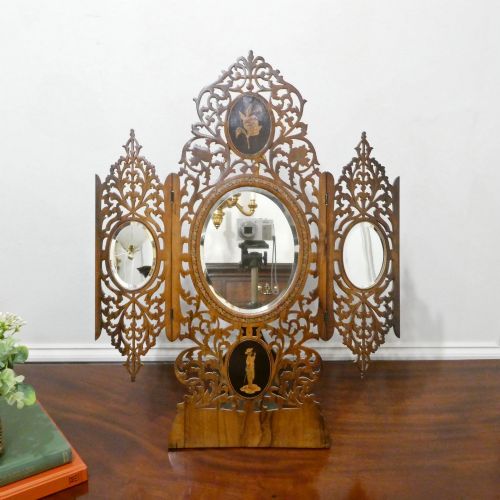
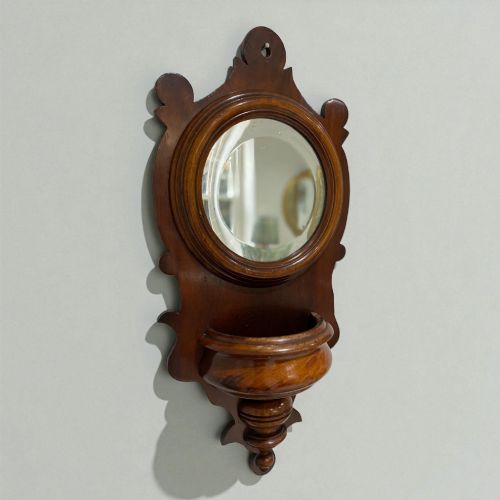
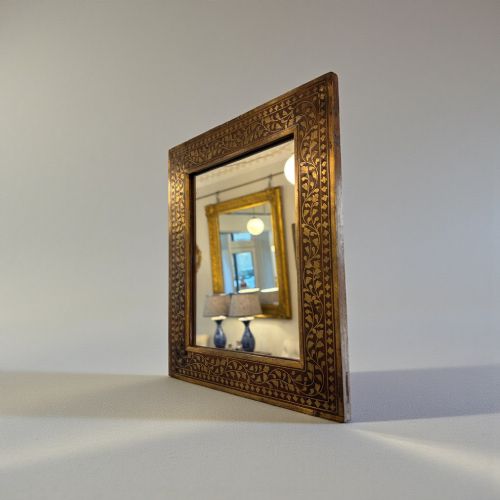
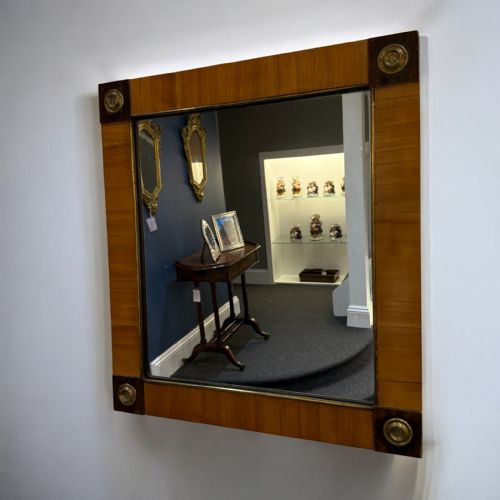
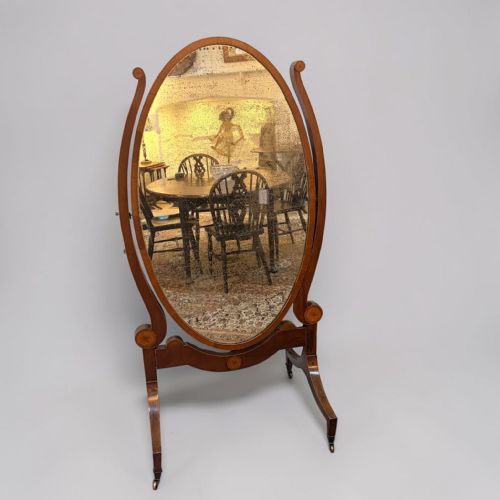
When searching for brown wooden mirrors, buyers encounter an array of wall mirrors, cheval mirrors, and dressing table mirrors fashioned from timber. These pieces range from simple domestic items to elaborate furnishings intended for prominent rooms.
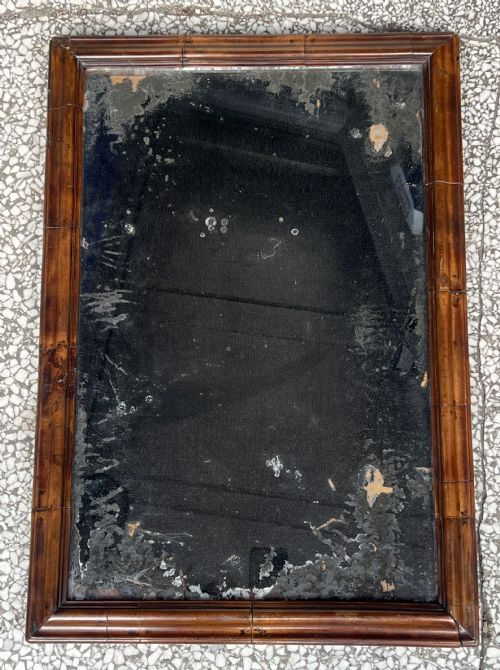
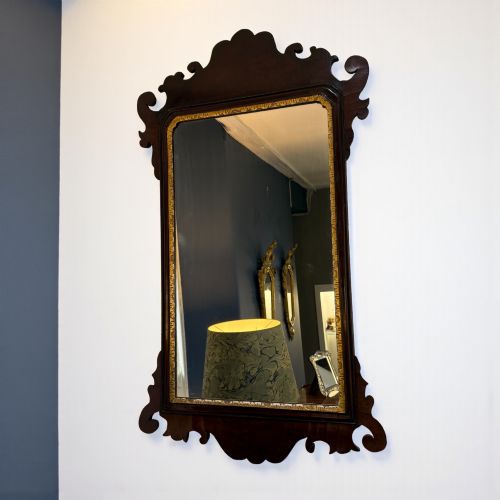
The pieces on this page appear in styles spanning Victorian, Edwardian, Georgian, and Queen Anne periods. Walnut, mahogany, and oak dominate the selection, often taking the form of wall hangings or freestanding dressing furniture.
Originating largely from British workshops alongside continental European and regional examples, these brown wooden mirrors display diverse regional craftsmanship. Wall-mounted variants and dressing mirrors represent the most frequently met forms in daily browsing.
Materials and Construction
Cabinetmakers utilised hardwoods such as mahogany, walnut, and oak to build sturdy frames that could support heavy glass plates. Timber selection depended on availability and the desired finish, with figured veneers frequently applied to prominent surfaces.
Joinery methods involved precise mortise and tenon joints, dovetailing for associated drawer components, and hand-carved decorative elements. Mirror glass was held securely within rebates, occasionally secured by wooden backs and brass fixings.
Surface treatments included wax polishing, French polishing, and parcel-gilding to enhance the natural grain and colour of the wood. Fretwork cutouts and inlaid brass or exotic timbers added decorative contrast to plain timber grounds.
Brown Wooden Mirrors Retail Price Guide 2026
Typical asking prices for brown wooden mirrors among the pieces listed under this phrase on Sellingantiques today, from the lower quarter to the upper quarter. They describe what is for sale here now, not the wider market.
Some mirrors hide tiny secret drawers behind their swing frames, perfect for stashing antique hairpins or forgotten love letters.
Distinctions in Quality
Quality manifests in the choice of timber, where tightly figured veneers or dense solid mahogany distinguish superior items from plain utility pieces. The depth of hand-carving and the precision of fretwork further separate standard production from masterwork output.
The construction of the frame joints and the integrity of the original mirror plate contribute significantly to a piece's standing. Finer examples display meticulous attention to secondary timbers and secondary framing elements hidden from immediate view.
Proportion and stylistic harmony dictate the aesthetic success of an antique mirror, with well-balanced proportions commanding greater appreciation. Makers who maintained strict adherence to period design canons produced pieces of enduring structural and visual merit.
Waring and Gillow·Edwards and Roberts·Heal and Sons·P and MA Nicholson
The Brown Wooden Mirrors Glossary
- Cheval mirror
- A freestanding mirror supported on a vertical frame with pivots that allow the glass to tilt. These large pieces usually stood in bedrooms or dressing rooms.
- Fretwork
- Ornamental design cut out of wood using a fretsaw or scroll saw, frequently seen on Georgian and regional wall mirrors.
- Parcel-gilt
- Partially gilded with gold leaf or gold paint, often highlighting carved details on mahogany or walnut frames.
- Trumeau
- A decorative wall mirror, often incorporating a painted panel or carved artwork above the glass plate, originating in French interiors.
- Bevelled glass
- Glass with edges cut and polished to an angle thinner than the rest of the plate, creating a decorative prismatic border.
Brown Wooden Mirrors: Frequently Asked Questions
How do I date a wooden mirror?
Dating relies on examining the timber species, construction joints, and the characteristics of the mirror glass itself. Older plates often display slight distortions or hand-bevelled edges typical of earlier manufacturing methods.
Secondary woods at the back of the frame also provide clues, as cabinetmakers used specific timbers during the Georgian and Victorian eras. Stylistic motifs like fretwork or carved pediments further align a piece with a particular design period.
Where should I hang a heavy mirror?
Heavy wall mirrors require secure attachment to structural studs or solid masonry walls using appropriate fixings. The weight of dense hardwoods combined with thick glass demands robust wall brackets rather than simple picture hooks.
Placement should consider eye level and the reflection of natural light to enhance the room's spatial qualities. Ensure the wall construction can bear the load before final installation.
What is a dressing table mirror?
A dressing table mirror is a smaller mirror designed to sit atop a desk, chest, or vanity table. Many versions feature small drawers integrated into the base for holding personal items.
These pieces often utilise pivoted side arms that let the user adjust the angle of the reflection. They became essential items in bedrooms throughout the Georgian and Victorian periods.
How do I care for antique wood?
Maintenance involves dusting with a soft, dry cloth and occasionally applying traditional beeswax to nourish the timber. Avoid using modern silicone sprays or placing wooden frames in direct sunlight.
Stable indoor humidity prevents the timber from splitting and keeps glued joints secure over time. Gentle handling preserves the original polish and patina accumulated over centuries.