

Brown Wooden Marquetry Chest
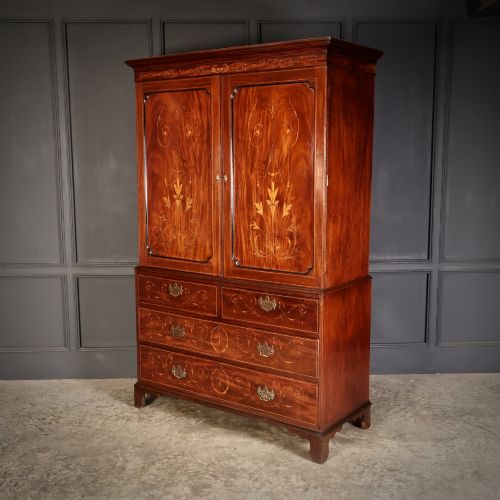
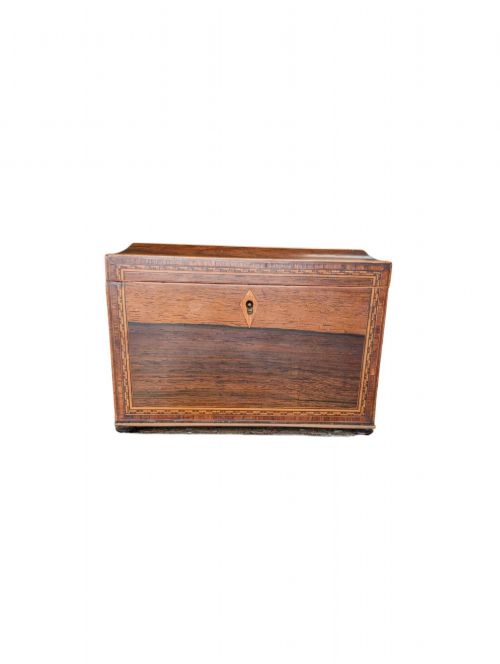
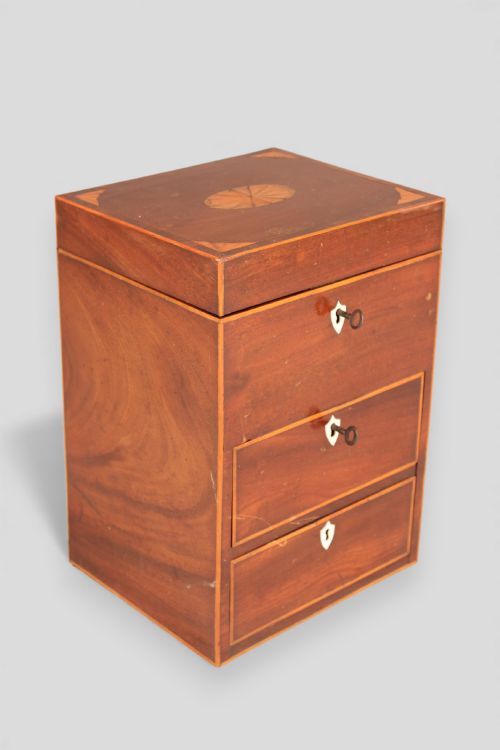
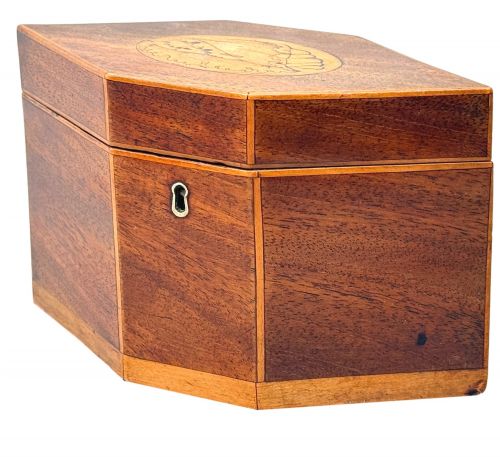
A brown wooden marquetry chest brings centuries of intricate floral and geometric veneer work into a room.
Brown Wooden Marquetry Chest
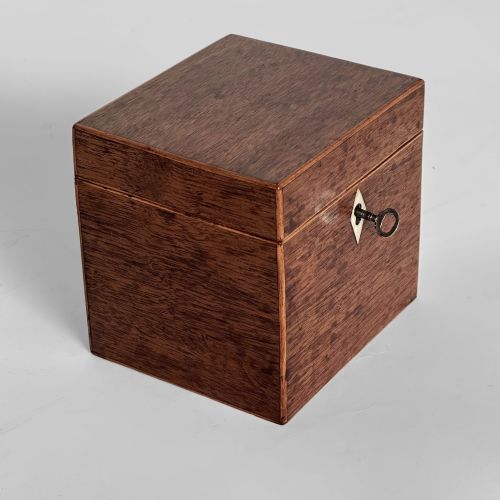
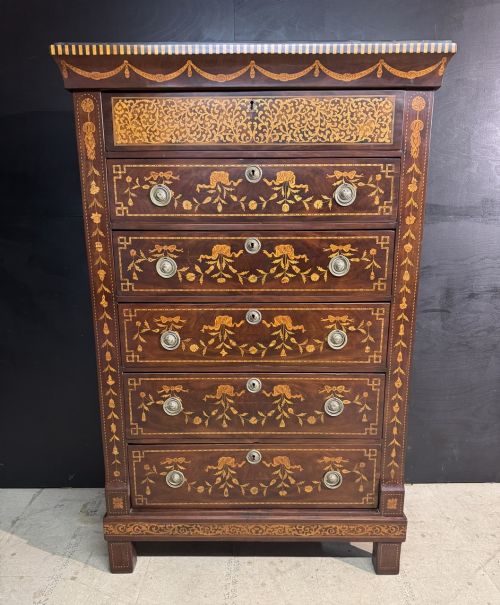
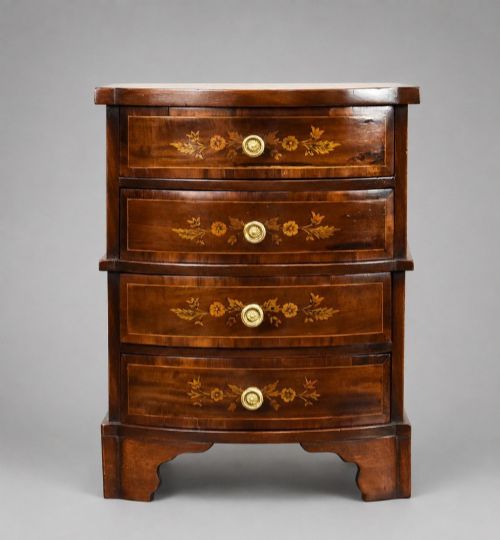
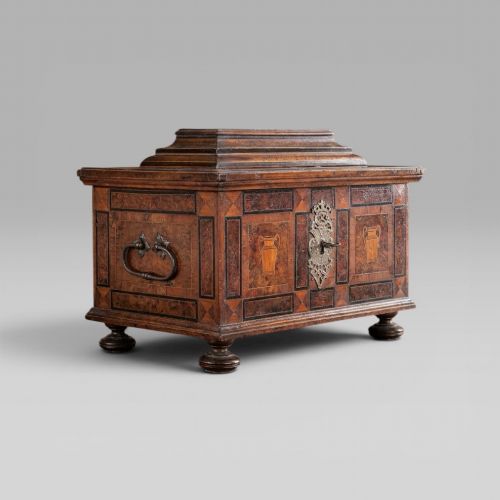
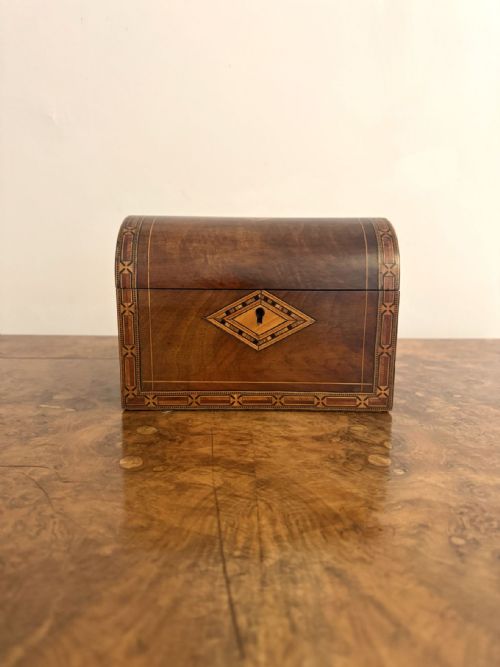
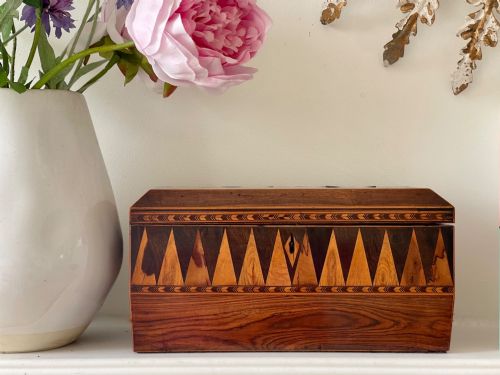
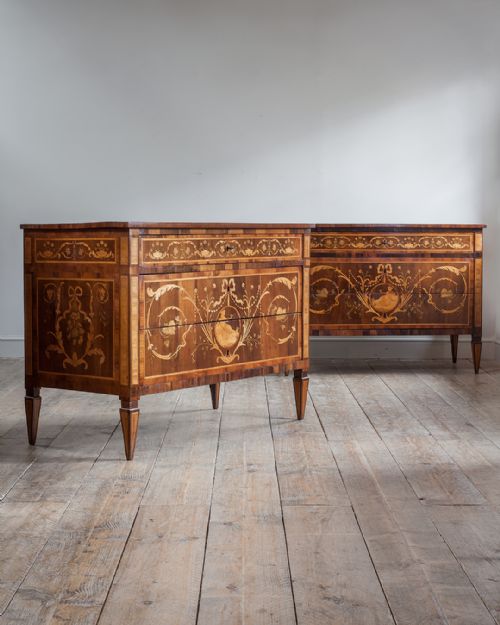
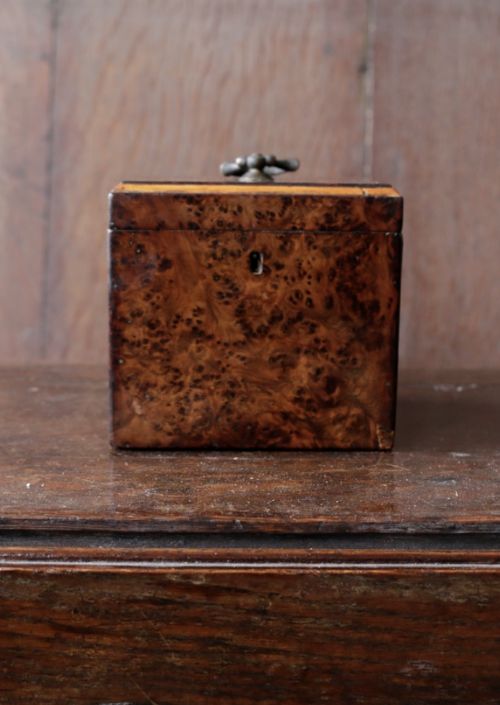
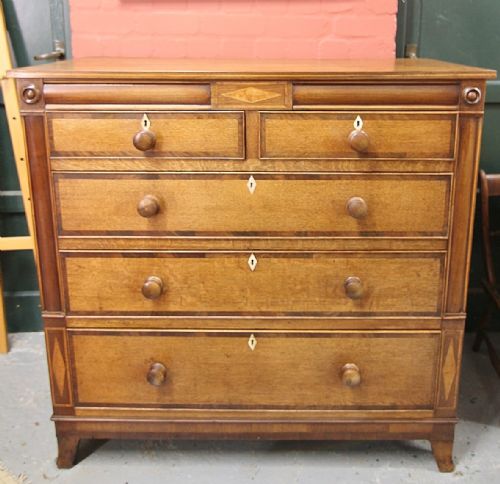
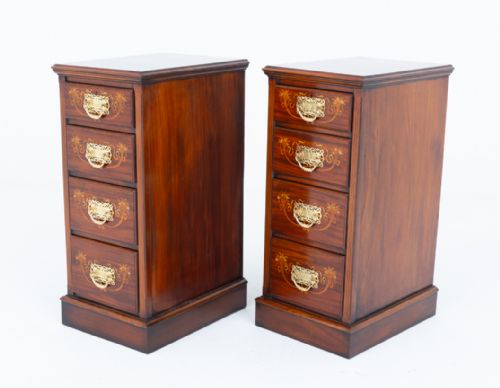
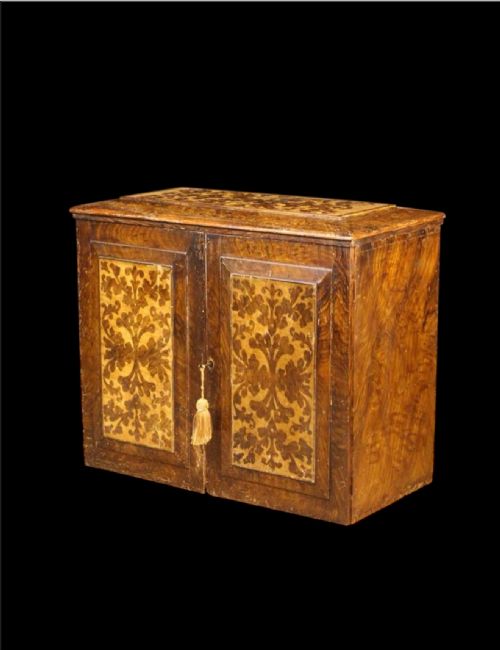
A brown wooden marquetry chest encompasses a range of domestic forms decorated with contrasting wood veneers arranged in complex patterns. Buyers searching for a brown wooden marquetry chest frequently encounter tea caddies, small bedside tables, cabinets on stands, and larger chests of drawers spanning several centuries.
The selections originate from diverse European workshops, moving from late seventeenth-century walnut pieces up to nineteenth-century productions. Formats vary from small tabletop boxes designed for loose leaf tea to substantial commodes and tall chests designed for storage.
Georgian and Victorian examples dominate the selection, often combining mahogany or walnut carcass structures with lighter fruitwood and exotic veneer details. Each piece reflects the prevailing decorative tastes of its specific period, from seventeenth-century seaweed designs to later neoclassical motifs.
How they were made
Makers constructed the carcases using foundational timbers such as oak, pine, or solid mahogany, then applied thin sheets of decorative veneer to the exterior surfaces. Walnut, mahogany, and rosewood frequently serve as the primary ground woods.
Detailed marquetry and inlay work utilise contrasting materials including satinwood, boxwood, harewood, and bone to form floral, geometric, or pictorial panels. Craftsmen cut these decorative elements precisely by hand before setting them flush into the prepared wooden ground.
Secondary techniques involve specialised surface treatments, oyster-cut laburnum veneers arranged in repeating circular patterns, and fitted interior compartments lined with velvet or contrasting timbers.
Listings feature pieces spanning the seventeenth to the twentieth century, incorporating materials like tortoiseshell, bone, and burr walnut alongside traditional mahogany.
What varies in quality
The refinement of the veneer work dictates the standing of an individual piece, measured by the tightness of the joints and the complexity of the motifs. Superior examples maintain crisp edges along every inlaid line without visible gaps or coarse filler.
The choice of secondary and primary timbers also influences distinction, with burr woods, figured walnut, and exotic veneers marking out superior cabinet work. Furthermore, the retention of original brass hardware, working locks, and untouched interior fittings preserves the integrity of the object.
Henry Hollamby
The Brown Wooden Marquetry Chest Glossary
- Marquetry
- Decorative veneer work arranged in pictorial or geometric patterns across a wooden surface. Craftsmen cut multiple layers of contrasting wood simultaneously to achieve precise interlocking shapes.
- Caddy
- A small box or chest originally designed for storing tea leaves securely under lock and key. These containers often feature interior compartments and delicate inlay.
- Commode
- A low decorative chest of drawers or cabinet originating in French furniture design. They frequently stand on tall legs and display elaborate marquetry panels.
- Oyster veneer
- Circular slices cut transversely from small branches or roots to create repeating oyster-like patterns. This technique appears notably on seventeenth-century walnut and laburnum surfaces.
- Tunbridge ware
- Miniature mosaic woodwork produced in Kent using thousands of small coloured wood blocks to form pictorial scenes. Boxes and tea caddies frequently display this detailed craft.
Brown Wooden Marquetry Chest: Frequently Asked Questions
What were tea caddies used for?
Tea caddies served as secure containers for storing expensive imported tea leaves in the home. They typically included internal lidded compartments to keep different varieties separate.
Because tea was a valuable commodity during the eighteenth and nineteenth centuries, these boxes were kept locked and handled with care by the master of the house.
How do I care for a marquetry chest?
Keep wooden marquetry chests away from direct sunlight and sudden temperature shifts to prevent the delicate veneers from lifting or splitting. Routine dusting with a dry cloth is sufficient.
Avoid using modern liquid polishes or silicone sprays, applying traditional beeswax sparingly only when the timber appears dry.
How do I distinguish eighteenth from nineteenth century pieces?
Eighteenth-century examples often display simpler, robust carcass construction paired with walnut, early mahogany, or fruitwood marquetry. The floral and geometric designs tend to reflect baroque or early neoclassical taste.
Nineteenth-century pieces frequently introduce darker rosewood, satinwood highlights, or specialised regional techniques such as Tunbridge mosaic work and more mechanical interior fittings.
Are these chests suitable for daily use?
Most small chests, boxes, and cabinets function well for storing jewellery, letters, or small accessories in a modern room. Their interior compartments remain practical for organisation.
Larger chests of drawers and commodes provide functional storage while serving as distinct focal points within a hallway or bedroom.