



Brown Wooden Lounge
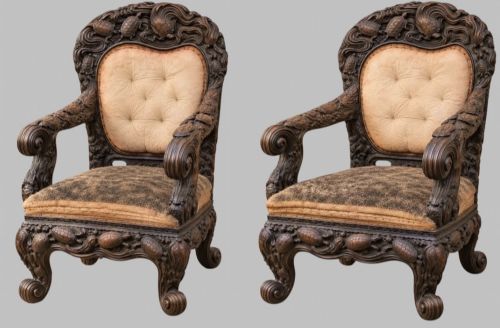
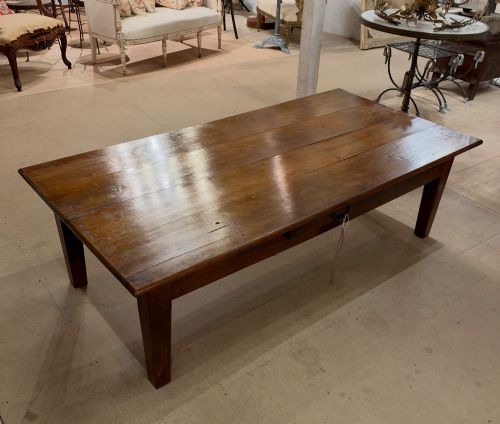
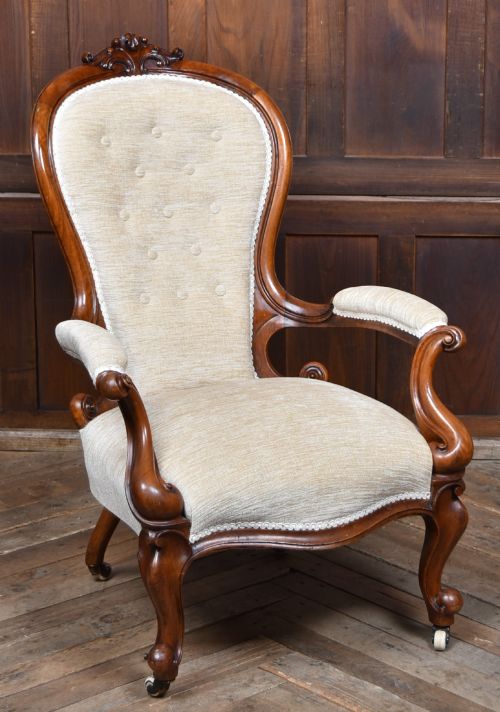
These brown wooden lounge selections range from Victorian walnut armchairs to Edwardian occasional tables, offering period character and solid timber construction.
Brown Wooden Lounge
A brown wooden lounge search brings together a varied group of seating, tables and occasional furniture designed for relaxation spaces. The pieces span periods from the nineteenth century through to the nineteen-thirties, reflecting changing domestic habits and interior tastes.
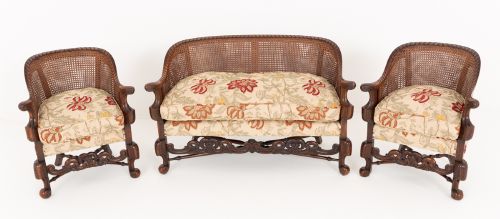
Armchairs, chaise longues and coffee tables dominate the selection, alongside specialised items such as planters chairs, campaign beds and book stands. Walnut, mahogany and oak provide the primary wooden framework for these functional items.
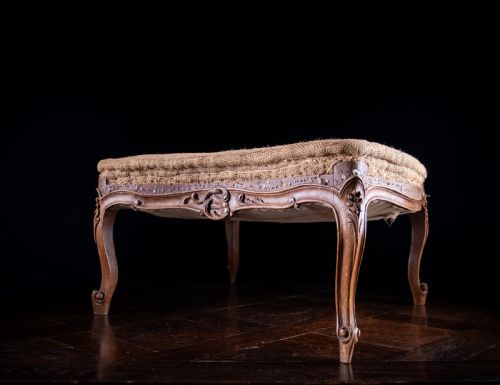
Stylistic influences vary widely, incorporating Carolean, Louis XV, Anglo-Indian and Art Deco designs. Buyers encounter both formal Victorian parlour seating and more relaxed colonial or folding furniture.
Materials and construction methods
Solid hardwoods such as walnut, mahogany, teak and rosewood form the structural core of these items, often shaped with hand-carving and marquetry inlay. Beech, fruitwood and burr yew-wood appear alongside these primary timbers.
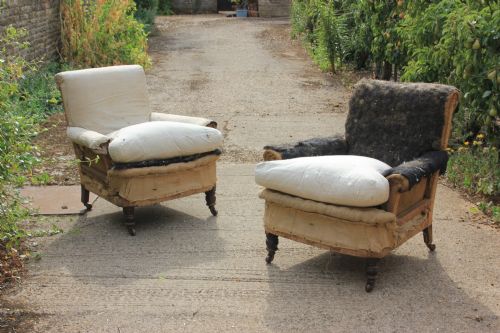
Upholstery relies on traditional textiles including leather, fabric, hessian and jute, complemented by brass castors and ormolu details. Bentwood techniques and folding mechanisms demonstrate specialised woodworking ingenuity in specific seating forms.
Brown Wooden Lounge Retail Price Guide 2026
Typical asking prices for brown wooden lounge among the pieces listed under this phrase on Sellingantiques today, from the lower quarter to the upper quarter. They describe what is for sale here now, not the wider market.
Factors of quality and distinction
The refinement of the timber carving and the complexity of inlays separate standard production items from finer examples. Selection of figured woods, such as burr yew or rich mahogany, elevates the visual presence of a table or chair.
The integrity of the original frame construction, combined with authentic period upholstery materials, determines the enduring structural standard of the seating. Adjustability mechanisms, brass fittings and turning work further indicate the care taken by the maker.
The Brown Wooden Lounge Glossary
- Bergere
- An enclosed upholstered armchair with wooden framing exposed around the sides and back. It often incorporates cane work or tight fabric upholstery.
- Marquetry
- Decorative woodwork where pieces of veneer are fitted into a panel to form geometric or floral designs. This technique frequently enhances Victorian walnut tabletops.
- Campaign Bed
- Portable furniture designed for travel, featuring detachable components and folding frames. These pieces were built for easy dismantling and transport.
- Planters Chair
- An armchair featuring extended leg rests designed for resting the legs, often associated with colonial or Anglo-Indian domestic spaces.
Brown Wooden Lounge: Frequently Asked Questions
What is a brown wooden lounge piece?
It is a category of antique furniture used for sitting, resting or surface utility in living spaces. The selection includes armchairs, coffee tables, chaise longues and stands made from various timbers.
These items span the Victorian, Edwardian and early twentieth-century eras, reflecting diverse regional styles and craftsmanship.
How do I identify a Victorian lounge chair?
Victorian armchairs typically feature dark woods like walnut or mahogany, substantial carved frames and traditional upholstery materials. Details such as turned legs and brass castors are common.
Stylistic nods to earlier periods, such as Carolean scrolls or Rococo curves, frequently appear in the framing.
What woods are used in these items?
Walnut and mahogany form the foundation of many pieces, complemented by oak, teak, fruitwood and rosewood. Burr yew-wood and beech also feature in specific decorative or structural roles.
These timbers are often paired with brass hardware, leather and woven textiles.
How do I care for antique wooden furniture?
Keep wooden surfaces away from direct sunlight and sudden temperature changes to prevent the timber from drying out or cracking. Regular dusting with a soft cloth preserves the finish.
Condition leather and upholstered areas gently using appropriate maintenance products suited to antique textiles.