




Brown Wooden Lions
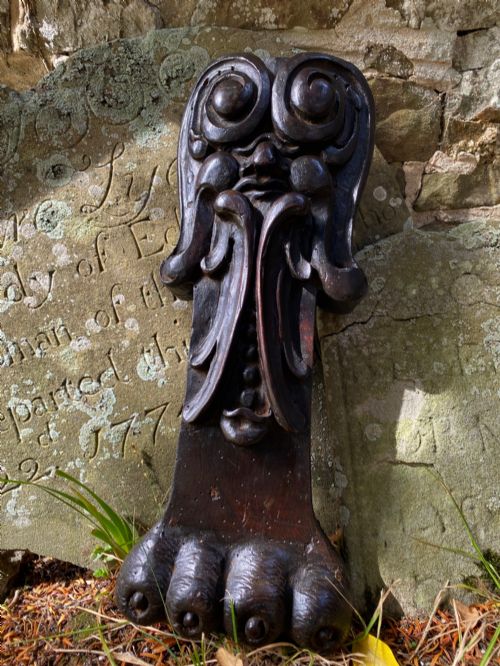
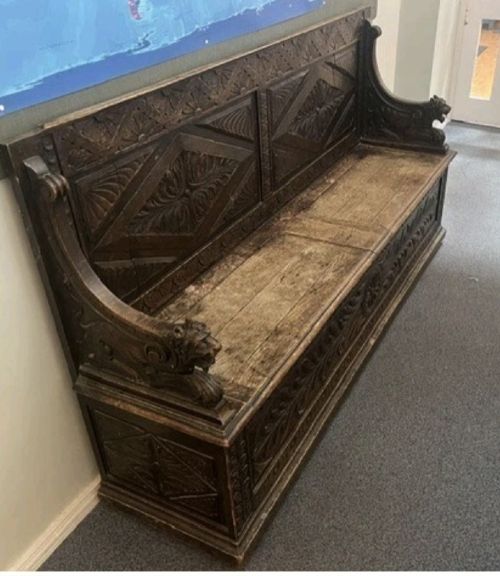
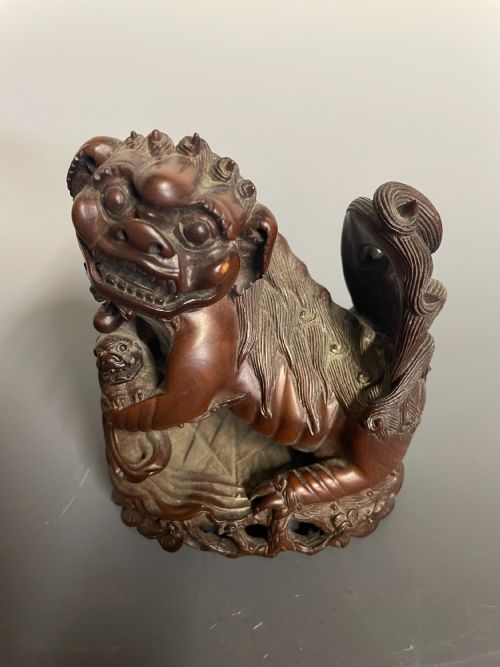
Brown wooden lions appear here as carved figures, bookends, wall masks, and heraldic shields shaped from oak, walnut, boxwood, and pine.
Brown Wooden Lions
Brown wooden lions cover carved animal figures, decorative ornaments, wall masks, and bookends spanning the eighteenth, nineteenth, and twentieth centuries. These pieces emerge from periods including the Georgian, Regency, and Victorian eras, alongside Traditional Chinese and Qing Dynasty works.
Buyers seeking brown wooden lions most frequently encounter nineteenth-century carved oak and walnut sculptures, decorative animal figures, and architectural elements such as heraldic shield crests. Forms range from small boxwood carvings and pine bookends to large wall masks and toy lionesses.
Materials and Construction
Carvers shaped these figures from hardwoods such as oak, walnut, mahogany, boxwood, and pine, frequently utilising natural grain to define the musculature and manes of the animals. Some sculptures incorporate secondary elements like marble bases or brass details.
Makers employed traditional hand-carving techniques, working solid timber blocks to produce free-standing animal statues, wall-mounted masks, and functional items like bookends and peg tankards.
Brown Wooden Lions Retail Price Guide 2026
Typical asking prices for brown wooden lions among the pieces listed under this phrase on Sellingantiques today, from the lower quarter to the upper quarter. They describe what is for sale here now, not the wider market.
Markers of Quality
Material selection also dictates distinction, with dense hardwoods like boxwood and well-figured walnut allowing for sharper relief and finer textures than softer timbers.
Eugene Emile Borga·Wylie Lockhead Manufacturers
The Brown Wooden Lions Glossary
- Boxwood
- A dense, pale yellow-brown hardwood suited to miniature carving and fine detail work. Carvers historically utilised its uniform grain for intricate animal figures.
- Wall Mask
- A decorative sculptural relief designed to be hung upon a vertical surface. These items often depict animal or human heads with dramatic expression.
- Heraldic Shield
- A flat or curved panel displaying armorial bearings or crests. In woodcarving, these frequently incorporate lions as supporters or central motifs.
- Bookends
- A pair of heavy supports placed at the ends of a row of books to keep them upright. Wooden pairs often feature carved animal figures matching the style of the period.
Brown Wooden Lions: Frequently Asked Questions
What periods do these wooden lions come from?
The pieces span from the eighteenth century through the Victorian era and into the early twentieth century. Styles shift according to these periods, reflecting Georgian, Regency, and Gothic Revival tastes.
Craftsmen across different decades applied distinct regional carving traditions to walnut, oak, and boxwood figures.
How were carved wooden lion masks used?
Large carved lion masks functioned as decorative architectural elements or wall ornaments within reception halls and libraries. Their heavy wooden construction allowed them to be secured directly onto walls or furniture.
Makers often integrated them into larger heraldic designs or as standalone focal points in domestic interiors.
Where should I place a wooden lion figure?
Smaller carvings and bookends suit tabletops, mantelpieces, and bookshelves where their timber grain and detail remain visible. Larger wall masks require dedicated wall space away from direct heat sources.
Keeping wooden sculptures in stable indoor environments protects the carved hardwood and any mounted bases.
How do I care for antique carved wood?
Maintain antique wooden figures by dusting them gently with a dry, soft cloth. Avoid using liquid polishes or harsh chemical cleaners that might damage the surface patina.
Keep the items away from direct sunlight and rapid temperature fluctuations to prevent the timber from splitting.