
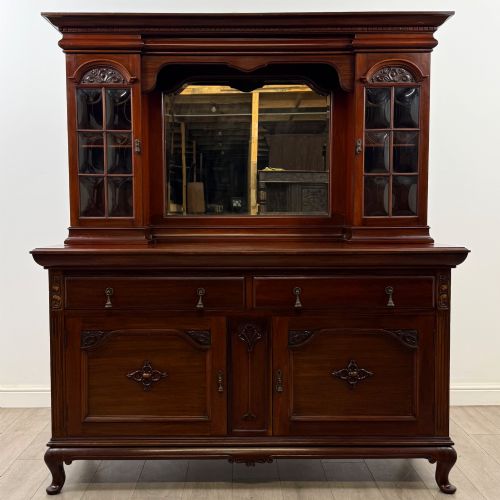
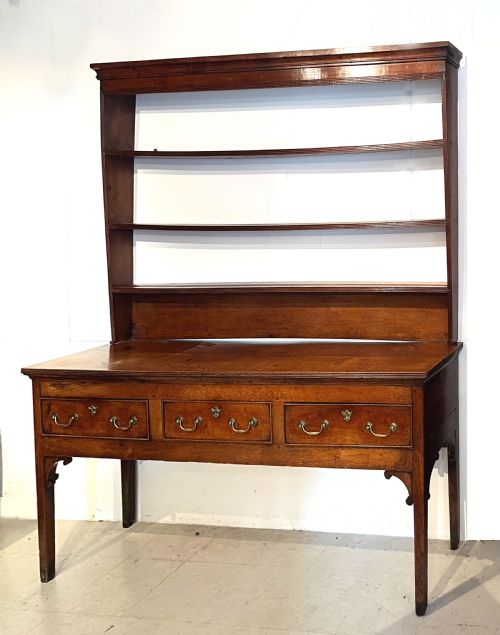


Brown Wooden Hutch
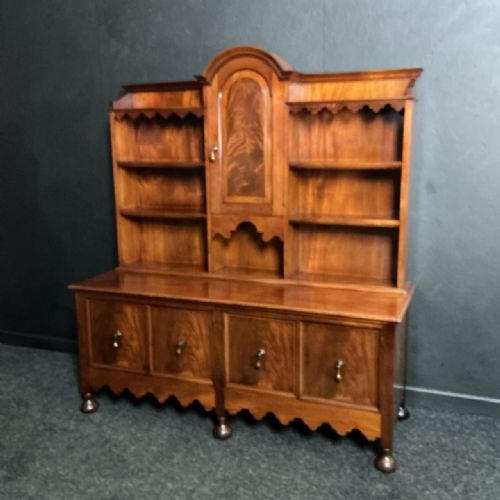
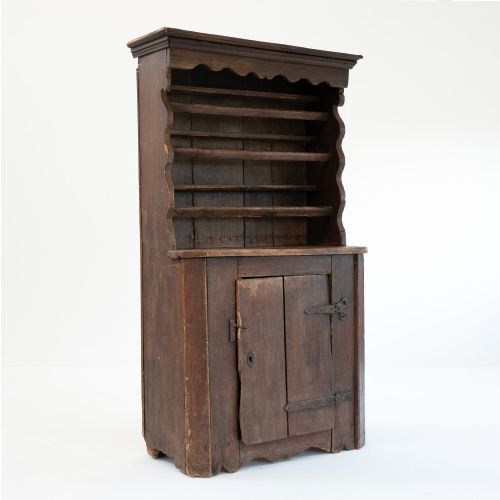
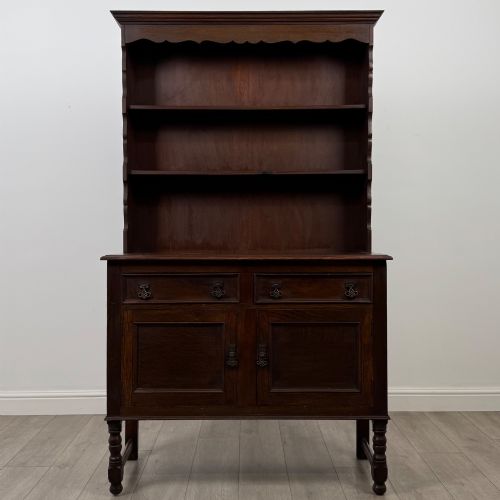
These brown wooden hutch pieces are practical storage furniture built to house china and provisions, offering substantial rustic character for daily use.
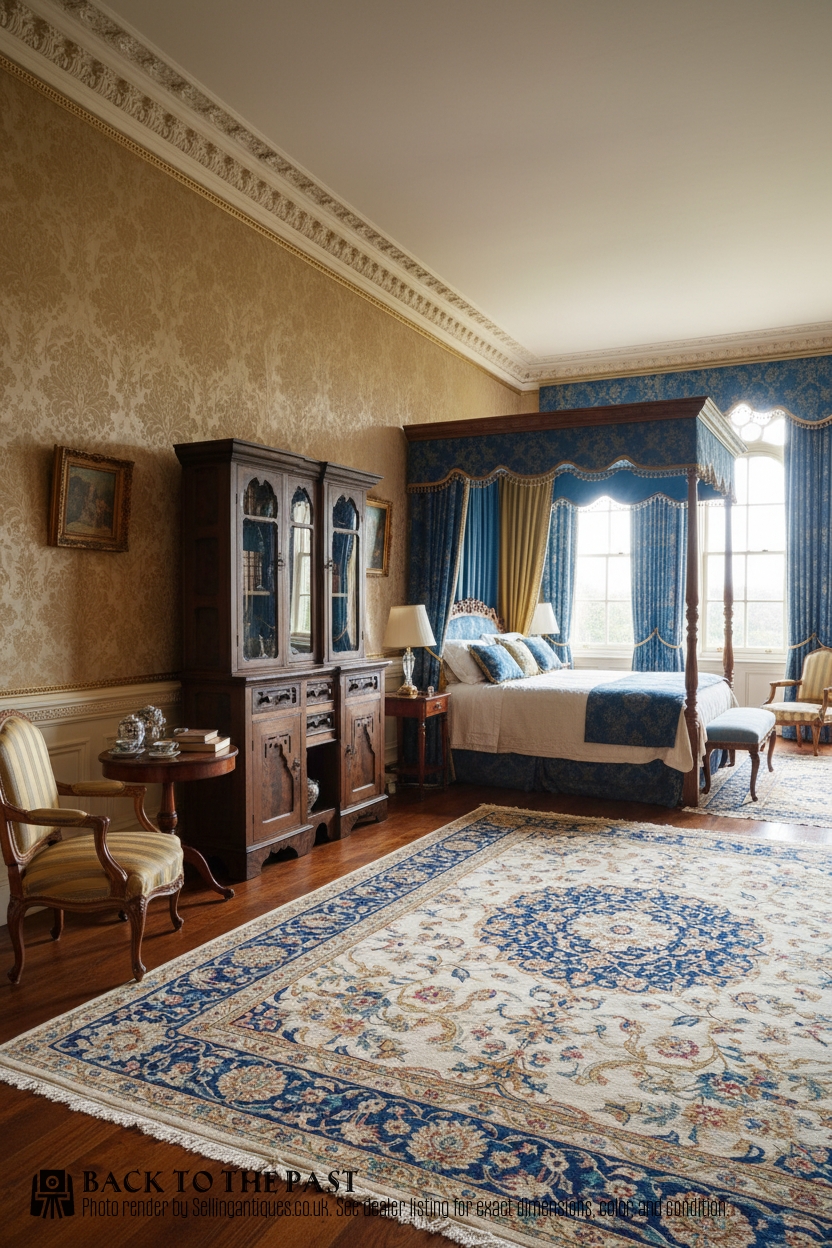
Brown Wooden Hutch
When searching for a brown wooden hutch, buyers encounter a diverse selection of traditional storage furniture primarily spanning the eighteenth and nineteenth centuries. These pieces encompass regional dressers, sideboards, cabinets, and cupboards originating from English, Welsh, Irish, French, and Scandinavian workshops.
The selection ranges from early Georgian oak examples to Edwardian pieces and later twentieth-century iterations. Regional variations in proportion and hardware define the visual identity of these items across different European localities.
How they were made
Construction relies heavily on native timbers such as oak, mahogany, walnut, and pine, often joined using traditional pegged mortise and tenon methods. Surfaces show the marks of hand-planing and basic turning, reflecting the utilitarian origins of domestic storage furniture.
Many examples incorporate secondary woods for internal elements and drawer construction, while exterior finishes include polished patinas, painted treatments, and scrumbled surfaces. Glazed doors and brass or iron hardware appear on specific regional variants and later periods.
The listings span the eighteenth and nineteenth centuries alongside Edwardian and early twentieth-century examples, utilising oak, mahogany, walnut, and pine.
What varies in quality
The distinction between standard domestic utility pieces and finer examples rests upon the selection of timber and the harmony of regional proportions. Well-figured grains in oak or flame mahogany elevate the visual weight of a cabinet beyond simple utility.
Integrity of construction and the retention of original brass or iron hardware determine the overall standard of preservation. Untouched surface patinas resulting from generations of domestic use command greater appreciation among collectors than heavily restored exteriors.
The Brown Wooden Hutch Glossary
- Dresser
- A traditional piece of furniture comprising lower storage cupboards or drawers paired with an upper plate rack. This form serves both display and utilitarian kitchen storage purposes.
- Scrumbled
- A decorative paint technique involving the application of a translucent top glaze over a base coat to imitate the grain of more expensive timbers or create a textured surface. It appears frequently on regional pine furniture.
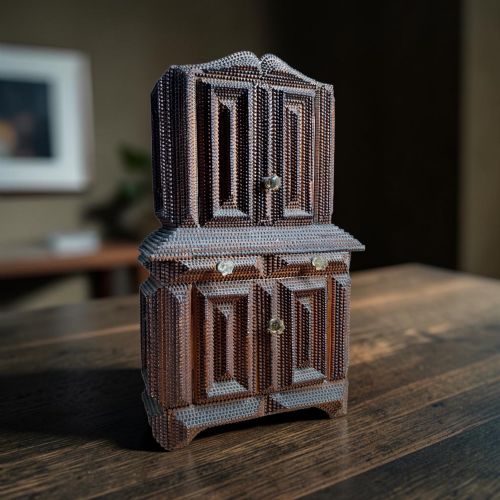
- Tramp Art
- A style of woodworking characterised by chip-carving layers of scrap wood, cigar boxes, or packing crates into geometric patterns. It represents an accessible folk art tradition.
- Secretaire Bookcase
- A tall cabinet featuring a fitted writing drawer with a drop-front desk surface positioned beneath upper bookshelves. This form combines workspace with enclosed storage.
Brown Wooden Hutch: Frequently Asked Questions
What is a brown wooden hutch?
A brown wooden hutch is a functional storage unit or dresser designed for domestic organisation and the display of tableware.
These pieces combine lower cupboards or drawers with upper shelving, utilising traditional timbers like oak, mahogany, and pine.
How were these cabinets used?
Historically, these items served as central kitchen furniture for storing provisions, ceramic plates, and everyday utensils.
The upper racks kept frequently used dishes visible and accessible, while enclosed lower sections secured bulk foodstuffs and linens.
How do I date a dresser?
Dating relies on observing construction methods, timber choices, hardware styles, and overall regional design characteristics.
Hand-cut dovetails, pegged joints, and surface patinas provide physical evidence of eighteenth and nineteenth-century origins.
How do I live with these pieces?
Integrating these substantial wooden items into modern spaces involves utilising their generous surface area and practical shelving for storage.
Regular polishing with appropriate wax maintains the timber finish without altering the historic surface patina accumulated over centuries.