





Brown Wooden Fish
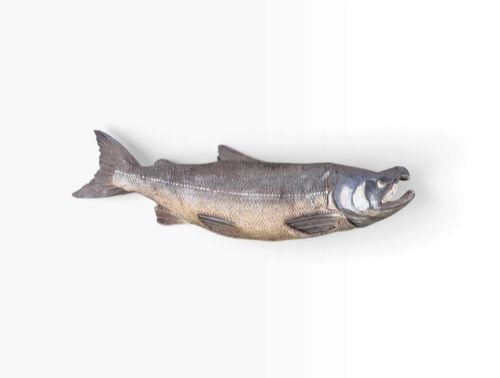
Brown wooden fish are carved sculptures and decorative objects that bring tactile maritime craft into a room.
Brown Wooden Fish
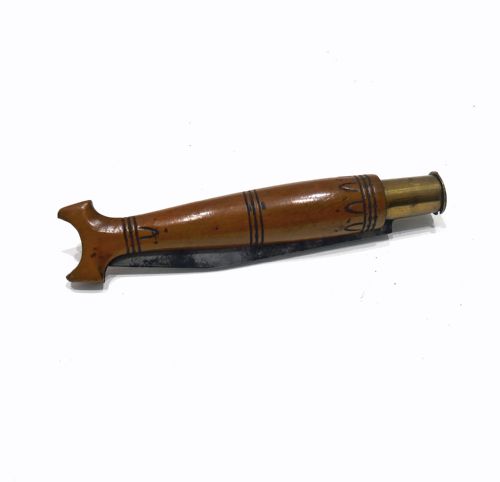
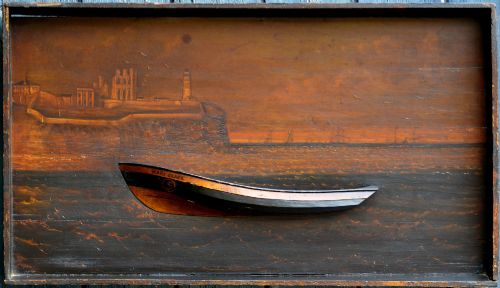
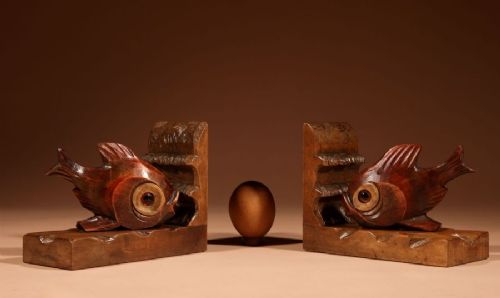
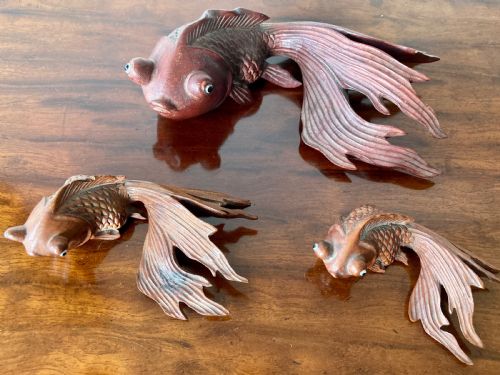
When you search for brown wooden fish, you encounter carved sculptures, folk art figures, and practical items fashioned to resemble aquatic creatures. The pieces appearing here span the nineteenth century through the early twentieth century, originating from European and Japanese workshops.
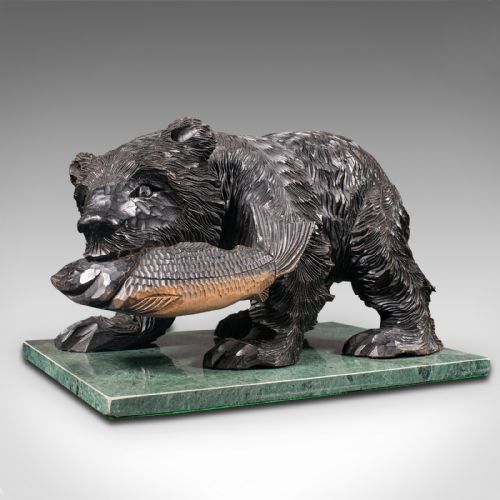
The most common forms you meet are decorative carvings, bookends, and sculptural figures rather than standard maritime equipment. These objects reflect both Western folk traditions and Eastern craftsmanship, utilising various natural woods to capture the form of marine life.
Materials and Techniques
Carvers shaped these objects using dense timbers such as pine, fruitwood, cedar, and linden wood. Tool marks left by gouges and chisels remain visible across the surfaces, showing the direct hand of the artisan in shaping the grain.
Makers often relied on simple hand tools to achieve the scaled texture and fin forms of the fish. Some items combine wood with applied paint or contrasting inlays to accentuate the eyes and gills.
Brown Wooden Fish Retail Price Guide 2026
Typical asking prices for brown wooden fish among the pieces listed under this phrase on Sellingantiques today, from the lower quarter to the upper quarter. They describe what is for sale here now, not the wider market.
Assessing Quality and Execution
Quality rests upon the naturalism of the carving and the preservation of the timber. Stronger examples display accurate anatomical proportions combined with expressive detailing in the fins and tail.
The choice of wood and the crispness of the chisel work distinguish superior carvings from simpler utilitarian items. Patina built up from age and handling further defines the appeal of a piece.
The Brown Wooden Fish Glossary
- Linden wood
- A pale timber favoured by European carvers for its fine, even grain and suitability for intricate detail. It responds well to sharp hand tools without splitting.
- Folk art
- Objects created by self-taught or traditional artisans outside academic traditions. These pieces prioritise utility and direct expression over formal academic design.
- Meiji period
- The era in Japanese history spanning from 1868 to 1912, noted for highly refined craftsmanship in wood, ivory, and metal. Works from this time often display meticulous natural observation.
- Black Forest
- A style of wood carving originating in Switzerland and Germany during the nineteenth century. It is characterised by realistic depictions of animals and natural subjects.
Brown Wooden Fish: Frequently Asked Questions
What are brown wooden fish made from?
These items are carved from various timbers including pine, fruitwood, cedar, and linden wood.
The specific wood often reflects the geographic origin of the piece, whether European folk art or Japanese craftsmanship.
How old are these wooden carvings?
The pieces span the nineteenth century and the early decades of the twentieth century.
Craftsmen produced them during periods when hand-carved decorative objects and folk sculptures were widely appreciated.
Where were these fish sculptures made?
Originating from diverse regions, these objects include European folk carvings and Japanese works.
Each region employed distinct timber choices and carving techniques to render the aquatic subjects.
How do I display a wooden fish?
These sculptures suit placement on desks, shelves, or as part of a maritime-themed collection.
Their substantial wooden forms allow them to function independently as decorative focal points in a room.