

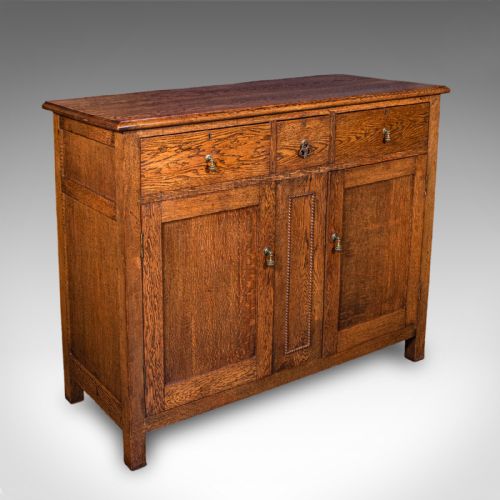
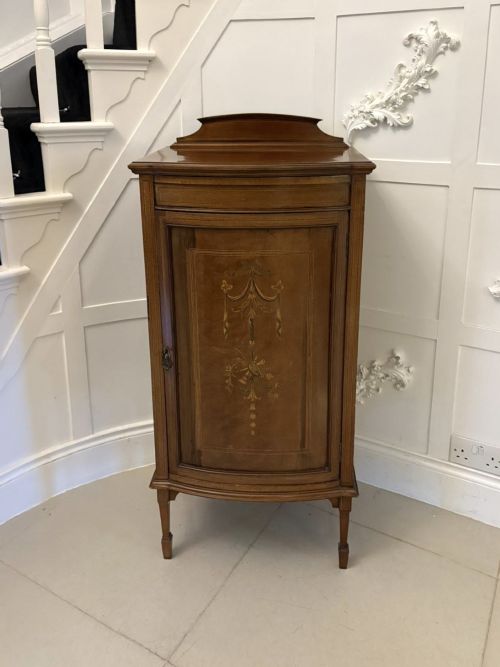
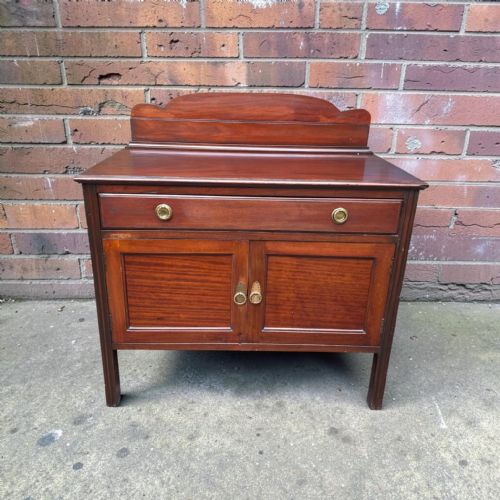
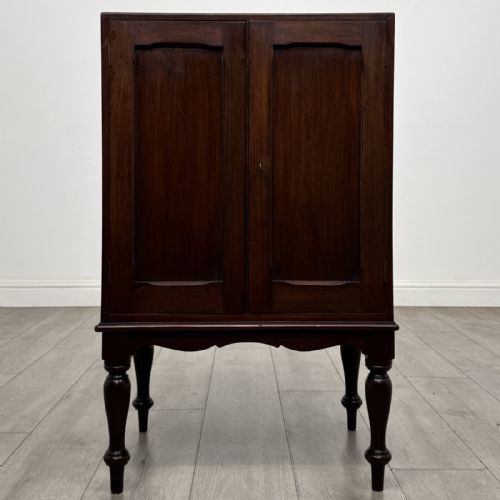





Brown Wooden Drinks Cupboard
These brown wooden drinks cupboard pieces bring period character and clever storage into a room, offering a proper place for bottles and glassware.
Brown Wooden Drinks Cupboard
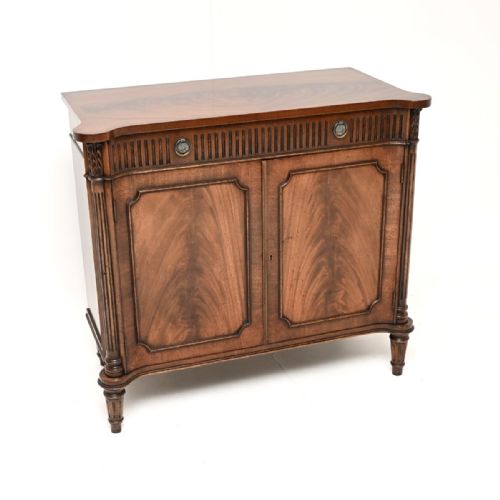
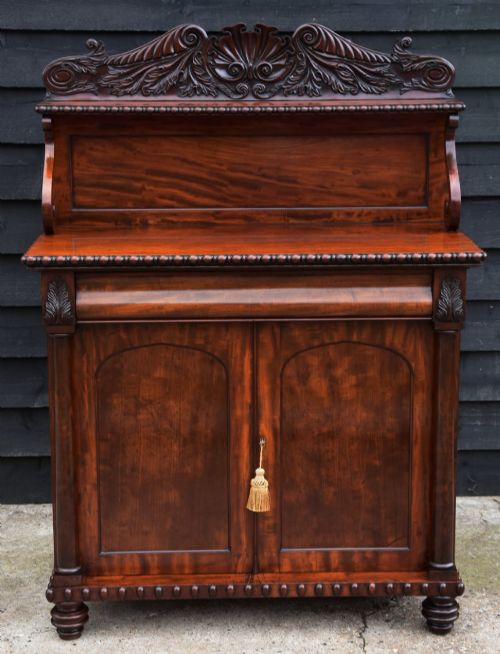
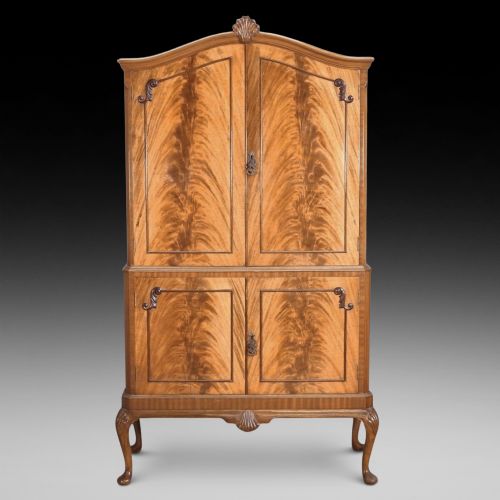
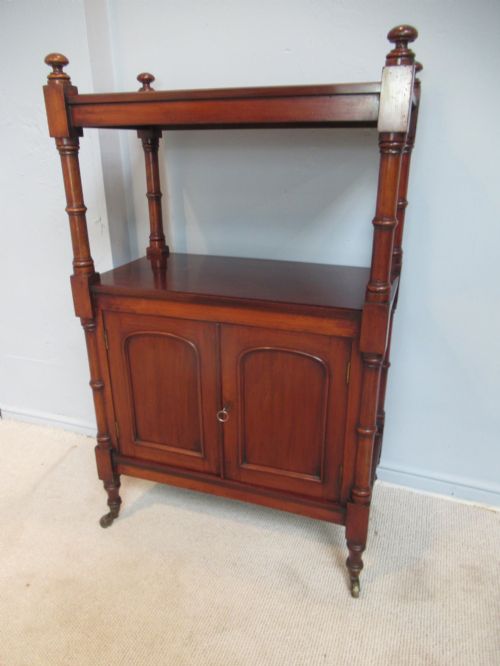
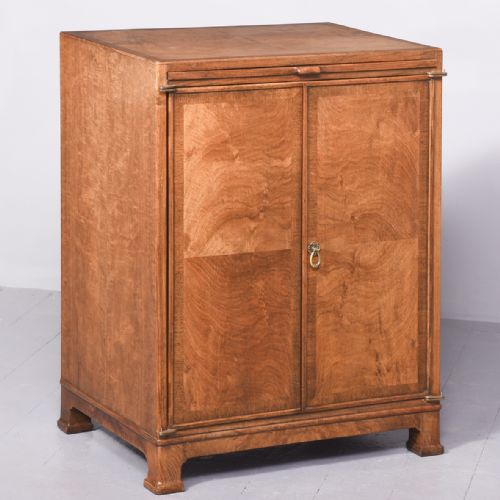
When you search for a brown wooden drinks cupboard, you find a range of storage forms designed for hospitality and entertainment over the centuries. The selection spans compact side cabinets, traditional chiffoniers, and dedicated cocktail cabinets from various eras.
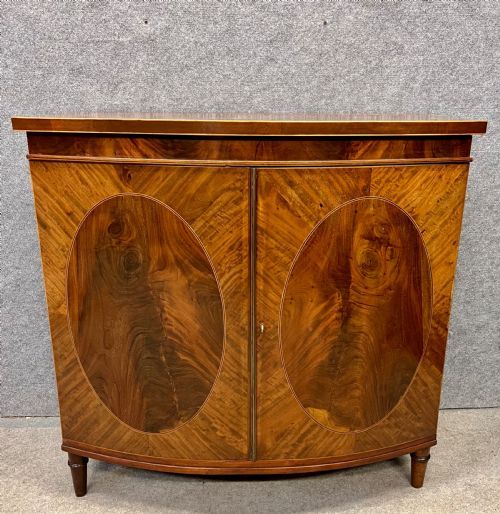
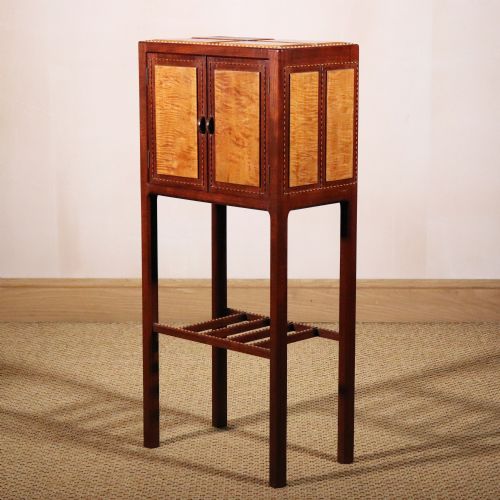
The most common versions on this page are mahogany side cabinets and walnut drinks cabinets from the early twentieth century and the Victorian period. These pieces vary from simple two-door cupboards on legs to elaborate cabinets on stands with satinwood inlay.
Origins stretch from Regency and Edwardian workshops to mid-century British and French makers. You encounter styles ranging from plain Georgian utility to elaborate Arts and Crafts and Queen Anne Revival interpretations.
How they were made
Carpenters utilised solid timbers like mahogany, yew wood, and oak for structural stability and longevity. These woods were often selected for their deep natural grain and warm brown tones.
Veneering techniques played a major role, particularly flame walnut and burr walnut applied to carcases to create striking patterns across the doors. Inlays in satinwood and brass mounts added decorative contrast to the timber surfaces.
Joinery methods included baluster turned legs, bow fronts, and fitted interiors designed to secure bottles and glassware safely.
Brown Wooden Drinks Cupboard Retail Price Guide 2026
Typical asking prices for brown wooden drinks cupboard among the pieces listed under this phrase on Sellingantiques today, from the lower quarter to the upper quarter. They describe what is for sale here now, not the wider market.
The listings span from the nineteenth century through the Edwardian era to mid-century twentieth-century designs, featuring mahogany, walnut, and yew wood.
What varies in quality
The choice of timber and veneer determines the initial visual impact, with figured grains like burr walnut and flame mahogany commanding attention. Superior pieces display carefully matched veneer patterns across multiple doors and panels.
Hardware and internal construction separate standard items from finer works. Solid brass mounts, well-fitted hinges, and thoughtful interior layouts indicate skilled cabinet making.
The integration of style elements, such as precise satinwood inlay or well-executed baluster turned legs, reflects the overall ambition of the workshop.
Whytock & Reid of Edinburgh·Waring & Gillows
The Brown Wooden Drinks Cupboard Glossary
- Chiffonier
- A low sideboard or cabinet featuring enclosed shelving, popular during the Victorian period for dining room storage.
- Cocktail cabinet
- A specialised piece designed specifically for the storage and mixing of drinks, typically featuring a drop-down serving flap.
- Side cabinet
- A versatile low storage unit meant to sit against a wall, often fitted with doors enclosing shelf space.
- Veneer
- A thin layer of highly figured wood, such as burr walnut, applied over a secondary timber carcase for decorative effect.
- Inlay
- A technique where contrasting materials like satinwood are set into the surface of the primary wood to create patterns.
Brown Wooden Drinks Cupboard: Frequently Asked Questions
What is a drinks cupboard?
A drinks cupboard is a dedicated piece of furniture designed to house bottles, decanters, and glassware neatly behind closed doors. Many examples include internal pull-out trays or mirrored serving surfaces for preparing beverages.
These units range from tall cocktail cabinets with drop fronts to low side cabinets that blend into dining rooms and living spaces.
How do I date a wooden cabinet?
Dating a wooden cabinet relies on examining the construction methods, timber choices, and stylistic details visible on the piece. Hardware types, such as brass handles and hinges, also provide clear clues to the manufacturing era.
Period markers range from Regency bow fronts and Victorian turning to mid-century proportions and twentieth-century veneer treatments.
Are walnut and mahogany different?
Walnut and mahogany are distinct hardwoods with different grain patterns and natural colourations. Mahogany tends to offer a reddish-brown tone with a straight grain, while walnut displays richer dark brown figures.
Both timbers were favoured by cabinet makers for their strength and ability to take a fine polish.