


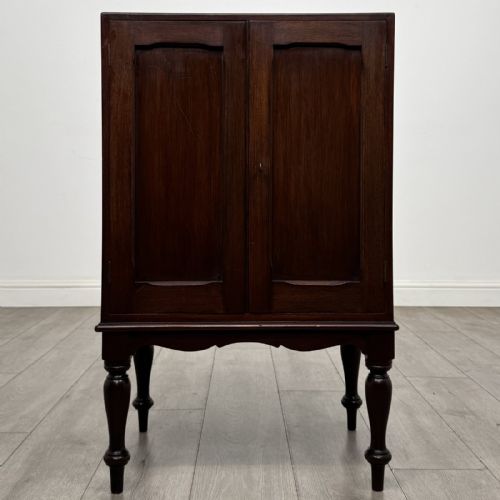
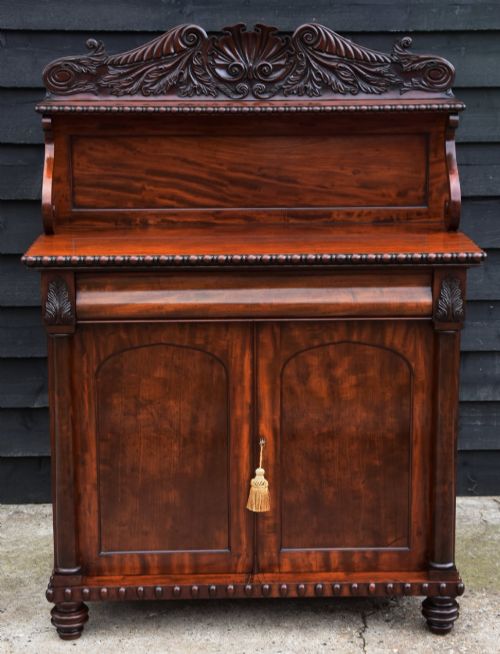
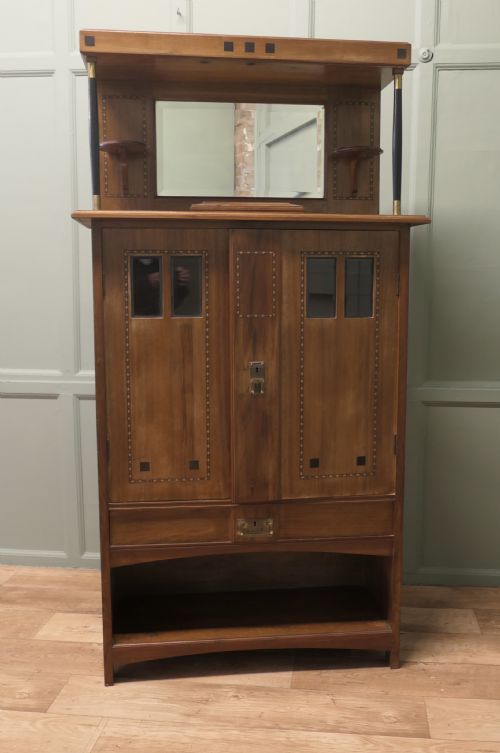
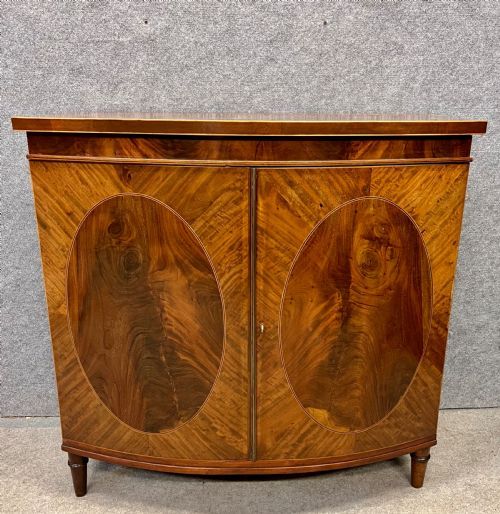


Brown Wooden Drinks Cabinet
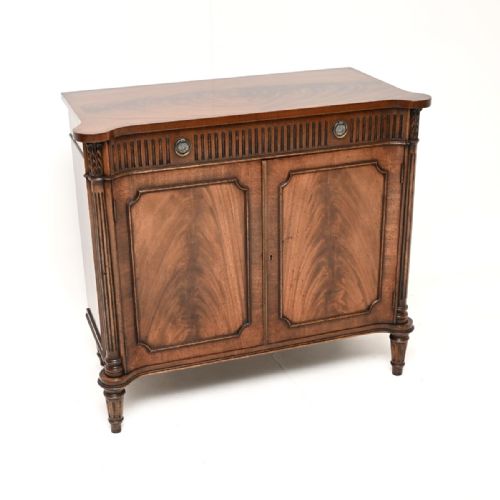
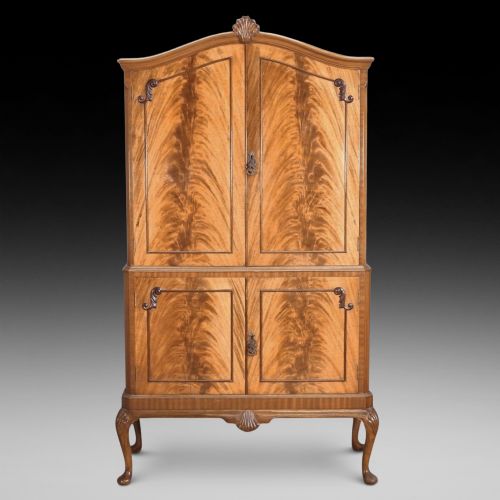
A brown wooden drinks cabinet brings traditional timber and functional hospitality together, offering a dedicated space for bottles and glassware.
Brown Wooden Drinks Cabinet
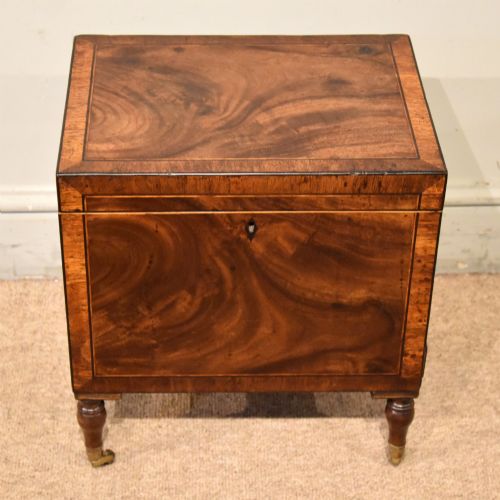
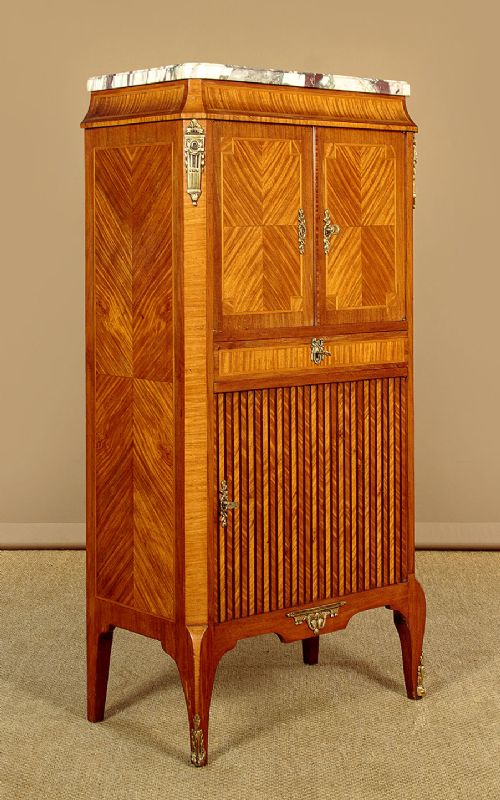
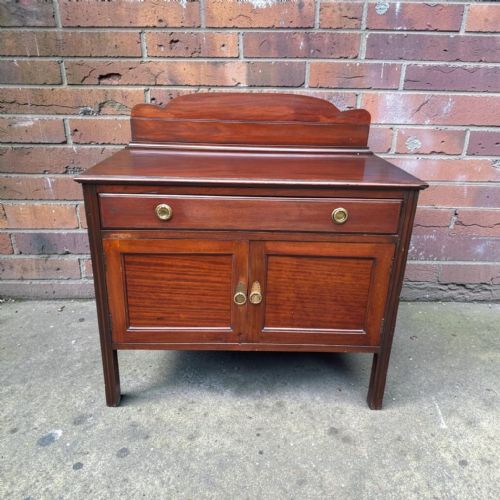
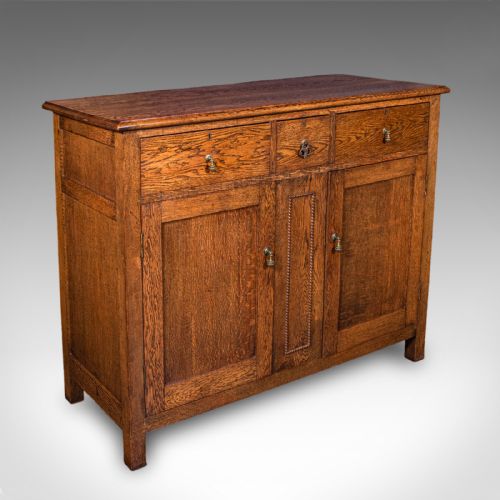
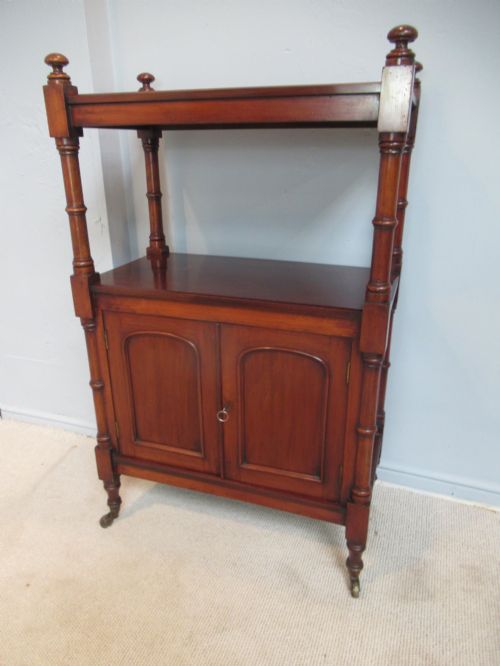
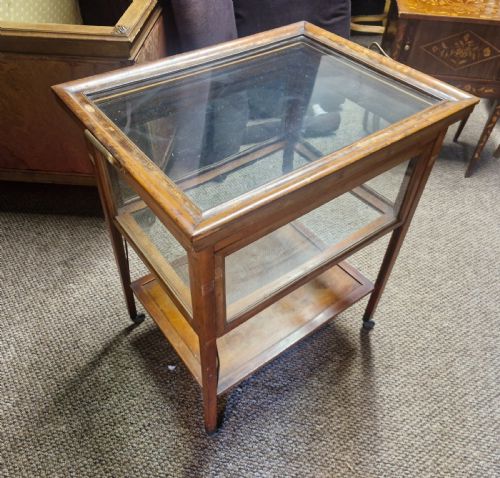
When you search for a brown wooden drinks cabinet, you encounter a varied selection of antique and vintage storage forms designed for beverage service. These pieces range from formal Georgian and Regency cellarettes to Edwardian sideboards, Art Deco cocktail cabinets, and mid-twentieth-century chests.
The version you are most likely to meet on this page is a mahogany or walnut cabinet dating from the nineteenth or early twentieth century. Many take the form of compact side cabinets, sarcophagus-shaped wine coolers, or dedicated cocktail chests fitted for bottles and glasses.
The selection also spans utilitarian tea trolleys, chiffoniers, and elaborate inlaid cabinets reflecting revival styles like Queen Anne and Georgian. Each variant provides a distinct method for storing and presenting beverages within a domestic interior.
Materials and construction methods
Cabinet makers relied heavily on rich timbers such as mahogany, walnut, oak, and pollard oak, frequently enhanced by satinwood banding, marquetry inlay, and contrasting veneers. These woods provided durable structures while presenting polished, figured surfaces suited to formal dining rooms and drawing rooms.
Metal components played a crucial role in both function and decoration, with brass handles, hinges, feet, and binding securing the heavy timber forms. Glass panels, mirror glass backs, and crystal decanters frequently complemented the wooden carcases, particularly in Edwardian and Art Deco cocktail furniture.
Brown Wooden Drinks Cabinet Retail Price Guide 2026
Typical asking prices for brown wooden drinks cabinet among the pieces listed under this phrase on Sellingantiques today, from the lower quarter to the upper quarter. They describe what is for sale here now, not the wider market.
Materials recorded across the inventory include solid mahogany, pollard oak, satinwood, mirror glass, and brass hardware.
Distinctions in construction and design
Quality reveals itself in the selection of timber grain, the precision of cabinet joinery, and the integrity of internal fittings such as bottle dividers and removable trays. Superior examples demonstrate careful attention to proportion, whether executed as a classical Regency sarcophagus or a streamlined Art Deco chest.
The refinement of decorative elements also separates standard items from exceptional ones. Finely chased brass mounts, crisp inlay work, and uncompromised structural stability indicate workshops of higher standing.
Gillows of Lancaster and London·Whytock and Reid of Edinburgh·Waring and Gillows·Maples and Co·Incorporall
The Brown Wooden Drinks Cabinet Glossary
- Cellarette
- A lockable container or cabinet designed to hold wine bottles and decanters near the dining table. These pieces often feature fitted interiors to keep bottles secure.
- Tantalus
- A locked wooden frame holding crystal decanters visible while preventing unauthorized access to the contents. They typically feature a metal bar secured with a key.
- Sarcophagus
- A monumental coffin-like chest shape popular during the Regency period for wine coolers and cellarettes. Such pieces often rest on paw feet with heavy ring handles.
- Marquetry
- The art of applying decorative pieces of veneer to a structure to form intricate pictorial or geometric designs. This technique frequently appears on French and revival-style cabinets.
- Chiffonier
- A small sideboard or low cabinet equipped with drawers and doors, developed during the nineteenth century. They served varied storage purposes in domestic reception rooms.
Brown Wooden Drinks Cabinet: Frequently Asked Questions
What is a cellarette?
A cellarette is a specialised chest or cabinet designed specifically for storing wine bottles safely within reach of the dining table. They frequently feature internal divisions and lead linings in earlier examples.
These pieces emerged in various forms, from octagonal Georgian chests to grand Regency sarcophagi fitted with brass carrying handles. They allowed hosts to keep beverages secure and close at hand during formal meals.
How do I use a cocktail cabinet?
A cocktail cabinet serves as a dedicated station for mixing drinks, typically featuring drop-down flaps that double as serving shelves. Interiors often incorporate mirror glass and specialised bottle racks.
Living with one involves utilising the internal compartments for glassware, shakers, and bottles of spirits. They function well in living rooms or dining spaces as both practical furniture and focal points.
What distinguishes a tantalus?
A tantalus secures glass decanters within a wooden frame beneath a locking metal bar, displaying the contents while restricting access. They became popular in the nineteenth century for locking away expensive spirits.
The woodwork often utilises figured timbers like pollard oak, housing cut crystal decanters. This arrangement combined security with visual display on sideboards or serving tables.
How do I identify a Regency wine cooler?
Regency wine coolers frequently adopt classical architectural shapes such as the sarcophagus, supported on paw feet or turned legs. They are constructed from dense timbers like mahogany and often feature substantial brass ring handles.
Interiors usually contain compartments designed to hold bottles upright, sometimes accompanied by metal liners. Their proportions reflect the neoclassical design tastes of the early nineteenth century.