
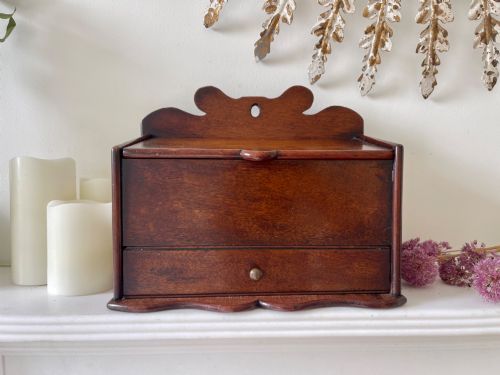
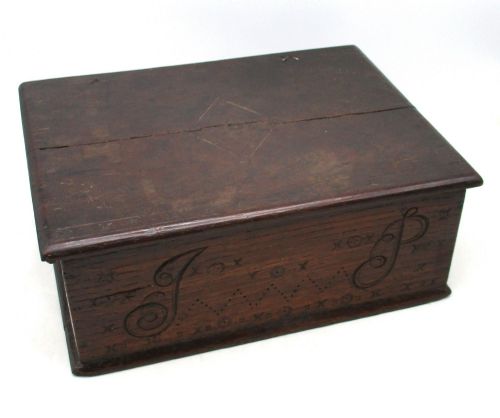
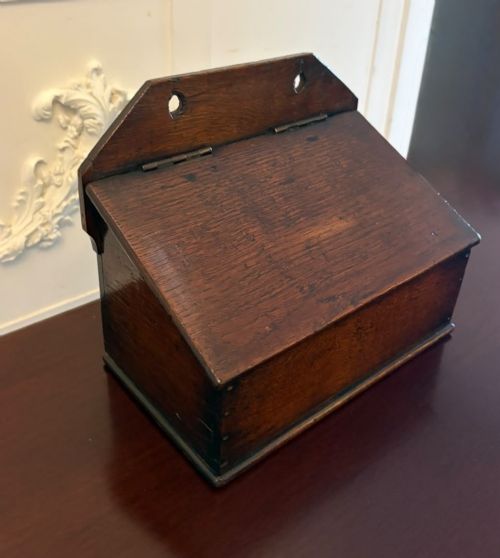
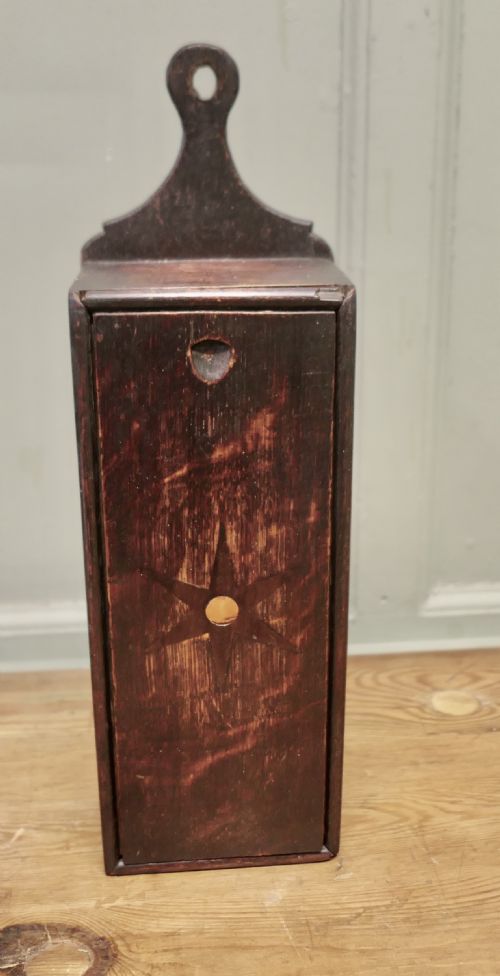
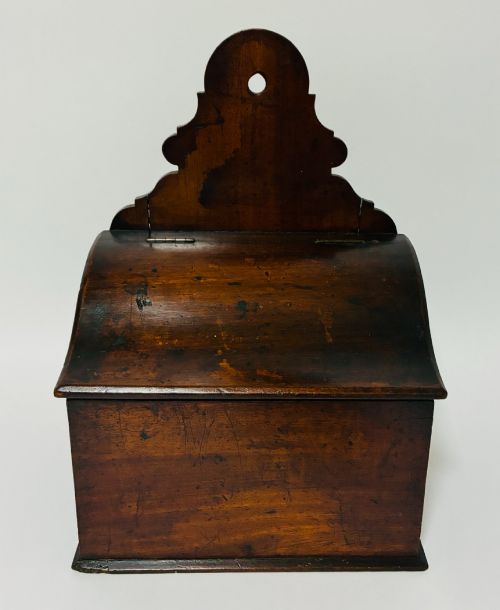
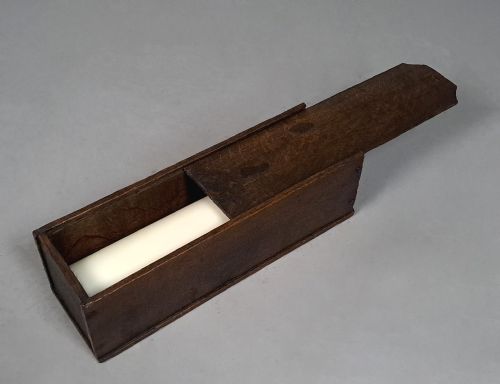
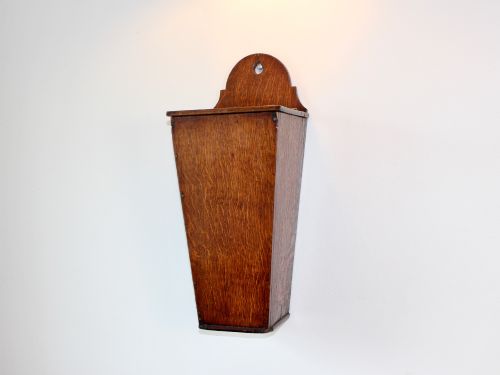


Brown Wooden Candle Box
A brown wooden candle box is a practical historic household container that collectors prize for its honest timber grain and vernacular utility.
Brown Wooden Candle Box
When you search for a brown wooden candle box, you encounter pieces designed to hold tallow or wax lights safely away from dampness and pests in domestic interiors. The examples met on this page span the seventeenth, eighteenth, and nineteenth centuries.
Most items belong to the Georgian and eighteenth-century periods, taking forms such as wall-hanging receptacles, salt boxes, and tapered rectangular designs. Oak predominates as the primary timber, occasionally accompanied by mahogany and boxwood inlay.
Makers fashioned these utilitarian objects for daily household service rather than formal display. Consequently, surviving pieces display the straightforward construction methods characteristic of vernacular treen and country furniture.
How they were made
Carpenters constructed these objects primarily from oak and mahogany, selecting timbers available in local workshops. Plain board construction and panelled techniques provided the rigidity required for wall mounting or table placement.
Original iron hardware and brass fixtures secured lids and hanging points, while carvers occasionally added modest surface ornamentation. Some examples retain traces of early red paint alongside traditional boxwood inlay.
Current listings feature oak and mahogany pieces spanning the seventeenth to nineteenth centuries, including wall boxes, salt boxes, and panelled coffers.
What varies in quality
The distinction between standard examples and superior pieces rests on the preservation of original surfaces and hardware. Iron hinges, locks, and metal components that remain intact enhance the historical integrity of a box.
Finer items exhibit careful timber selection and restrained carving or inlay work rather than heavy restoration. The presence of early paint traces or untouched patination elevates the character of a piece above heavily scrubbed alternatives.
The Brown Wooden Candle Box Glossary
- Treen
- Small wooden domestic objects carved by hand. This term covers items made for daily use in the home.
- Wall Box
- A container fitted with a pierced backboard for hanging on a wall. These kept candles or salt within easy reach.
- Tapered Rectangular
- A box shape where the depth narrows from top to bottom. This profile often characterises wall-hanging lighting containers.
- Panelled Coffer
- A large storage chest constructed with framed wooden panels. Some internal layouts include a dedicated compartment for candles.
- Boxwood Inlay
- Contrasting light wood inserted flush into the primary timber surface. Cabinet makers used this technique for geometric decoration.
Brown Wooden Candle Box: Frequently Asked Questions
What is a brown wooden candle box used for?
These boxes stored tallow or wax candles safely in domestic settings before widespread electric lighting. Families hung them on walls or placed them near hearths to keep illumination dry and protected.
Today, collectors utilise them as decorative wall pieces or compact storage containers for small household items. Their historical utility makes them versatile additions to period interiors.
How do I date an antique candle box?
Dating relies on examining timber species, construction joints, and surface wear patterns. Eighteenth-century pieces frequently employ solid oak with hand-cut boards and early iron fastenings.
Comparing the hardware style and joinery methods against documented examples helps narrow the period of origin. Original paint traces and patination also offer reliable clues to age.
Are these boxes made from solid oak?
The majority of pieces in this category are constructed from solid oak, reflecting the standard timber choices of country carpenters. Mahogany also appears in later Georgian examples.
Craftsmen selected these durable hardwoods to withstand the knocks and demands of daily kitchen or hallway use. The natural grain contributes significantly to the visual appeal of each surviving box.
How do I hang a wall box safely?
Wall-hanging boxes usually feature a dedicated backboard with integrated hanging holes or mounting brackets. Assess the strength of these original wooden points before supporting any weight.
Consult a professional restorer if the hanging structure requires reinforcement. Distributing the load securely protects the antique wood from undue strain.