



Brown Wooden Bird
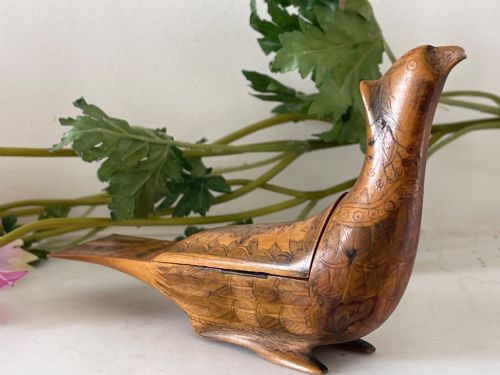
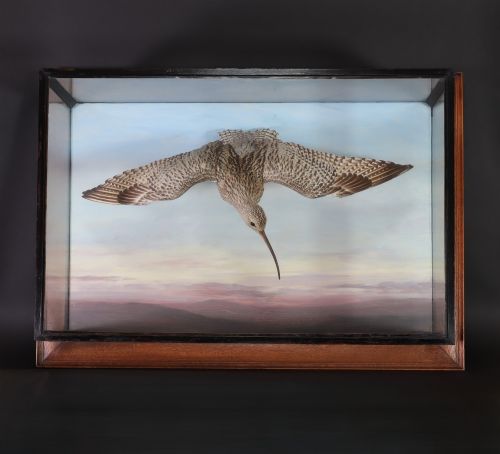
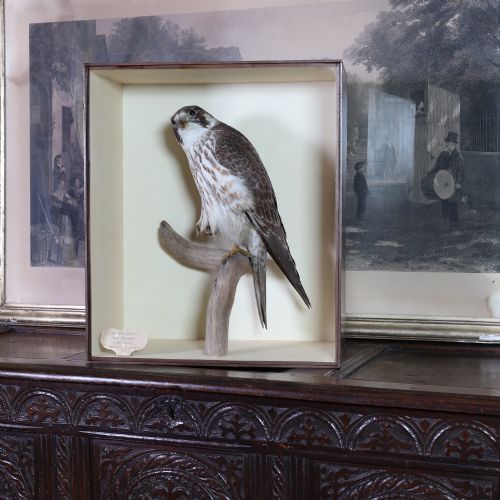
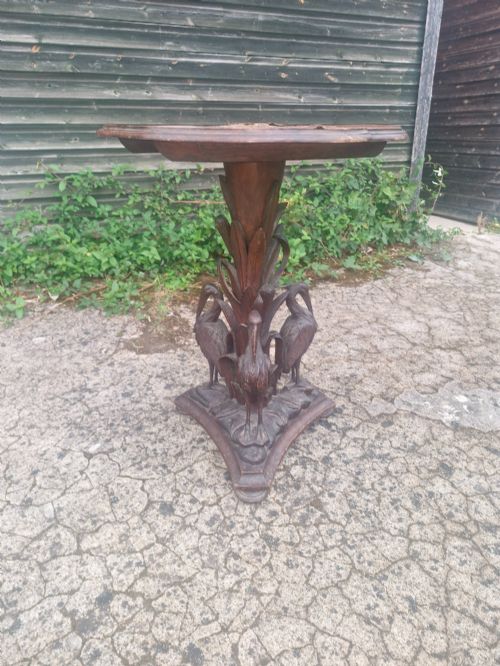
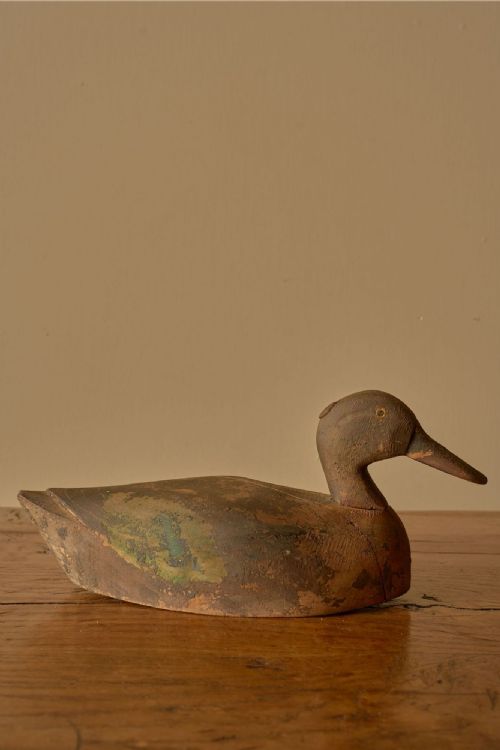
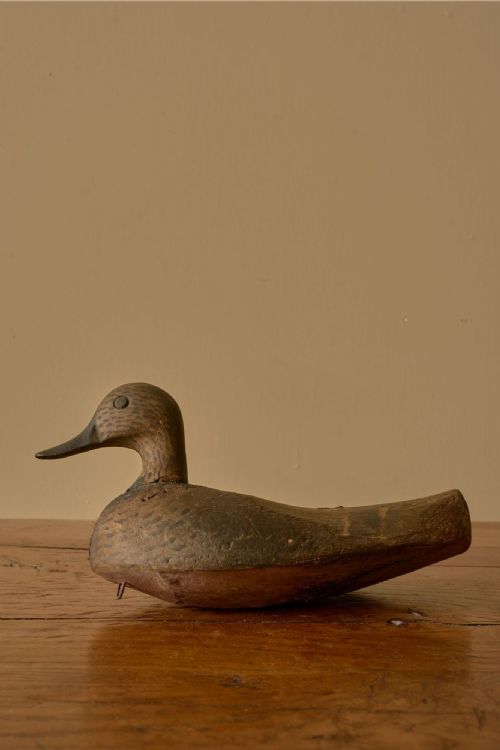
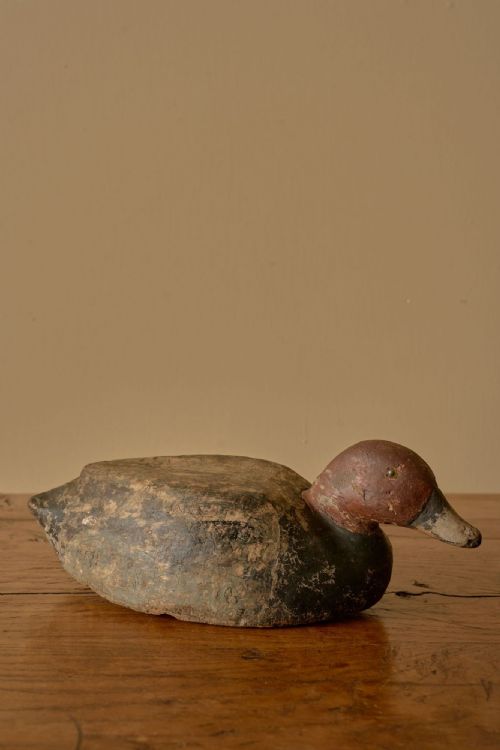
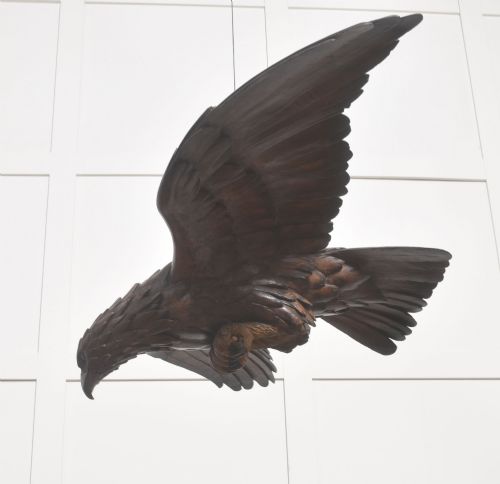
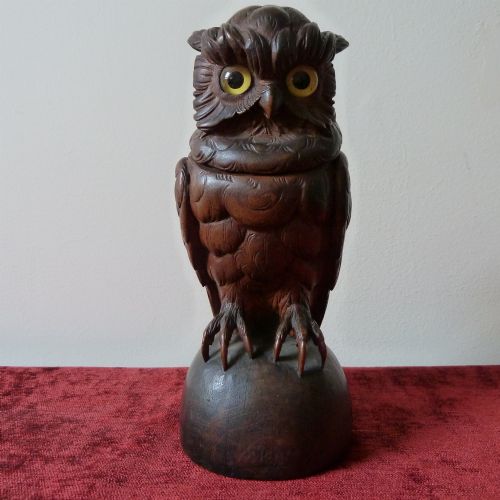
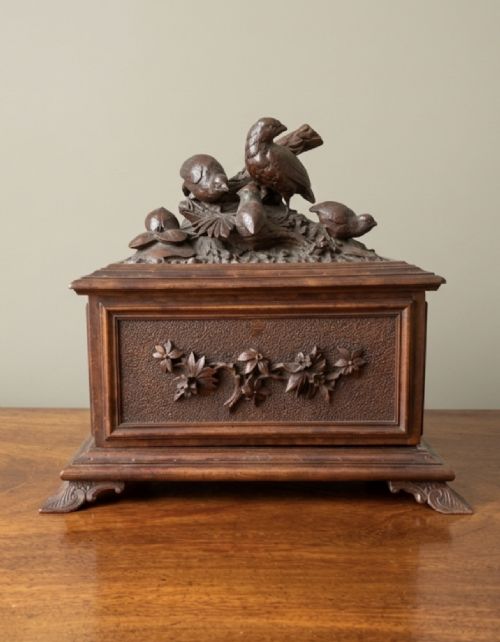
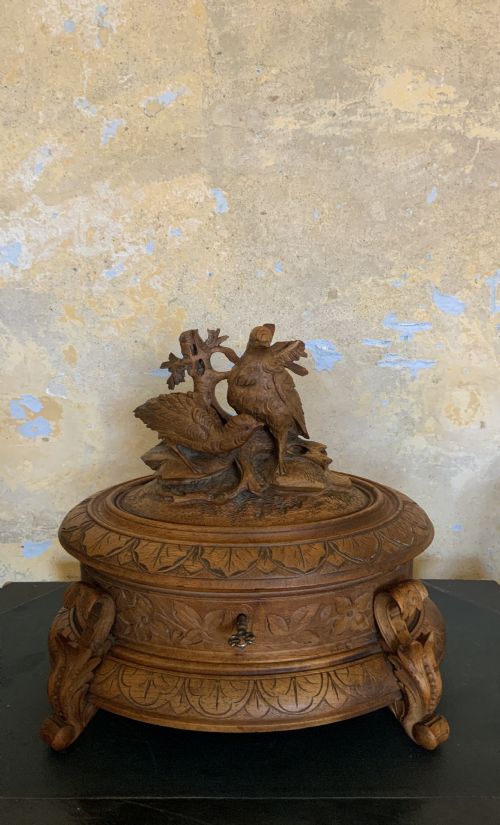
A brown wooden bird captures nature through carving, taking the form of a decoy duck or Black Forest sculpture.
Brown Wooden Bird
A brown wooden bird spans decoy ducks from the Edwardian period and carved figures from the nineteenth century. These objects reflect utilitarian craft and decorative animal sculpture.
Most examples originate from the nineteenth century or the Edwardian era, encompassing carved wood, walnut, and painted finishes. Functional items like decoy ducks and carved boxes represent the primary forms met on this page.
Makers shaped these avian subjects within folk art and Black Forest traditions, capturing birds of prey, waterfowl, and songbirds. The selection ranges from working decoys to detailed architectural carvings.
How they were made
Wood serves as the primary medium, utilising walnut, hardwood, and bamboo shaped through hand carving. Artisans applied paint to selected decoys to render realistic plumage.
Carpenters and carvers employed hand tools to execute detailed feathers and anatomical forms. Surface finishes combined natural wood grain with pigments and protective varnishes.
Brown Wooden Bird Retail Price Guide 2026
Typical asking prices for brown wooden bird among the pieces listed under this phrase on Sellingantiques today, from the lower quarter to the upper quarter. They describe what is for sale here now, not the wider market.
Early decoy ducks earned their living bobbing on cold lakes before retiring to mantelpieces.
What varies in quality
Depth of carving and anatomical precision separate standard pieces from superior examples. Master carvers defined individual feathers and realistic postures with careful tool control.
Original surface preservation dictates the standing of an object, where untouched paint and patinated wood signify better execution.
Gabriel Viardot·J Griffiths of Burford·T. E. Gunn
The Brown Wooden Bird Glossary
- Decoy
- A carved or painted wooden replica used to attract wildfowl during shooting. These objects often display working wear and original hand-painted surfaces.
- Black Forest
- A style of wood carving originating in central Europe during the nineteenth century. It typically depicts animals, particularly birds of prey and bears, rendered in walnut or linden.
- Treen
- Small handmade wooden household objects produced before the mass era. Bird calls and snuff boxes fall into this category.
- Folk art
- Utilitarian objects made by self-taught makers using traditional local materials. These pieces prioritise function and direct expression over academic convention.
Brown Wooden Bird: Frequently Asked Questions
What is a wooden decoy duck?
A wooden decoy duck is a carved floating or land-based bird used by hunters to lure wildfowl. Makers shaped these objects from solid blocks of wood and painted the plumage to mimic live birds.
Over time, working decoys acquired natural weathering and chips from actual use on waterways.
How do I identify Black Forest carvings?
Black Forest carvings are typically rendered in dark walnut or hardwood, showing realistic woodland animals and birds. These pieces often feature deep undercut foliage and dramatic poses, such as eagles or owls.
Many of these carvings were incorporated into functional items like inkwells, mirrors, and humidors.
Where should I display a wooden bird?
Wooden birds suit placement on occasional tables, sideboards, or within dedicated cabinet displays. Keeping them away from direct heat sources protects the timber and painted surfaces from drying.
Pairing carved wooden birds with natural history specimens or books creates a balanced period interior.
How do I date an antique wooden bird?
Dating relies on tool marks, timber choice, and the style of the carving or paint application. Nineteenth-century pieces often show hand-tool execution, while Edwardian items present refined finishing.
Comparing the object to dated examples helps confirm the manufacturing period.