
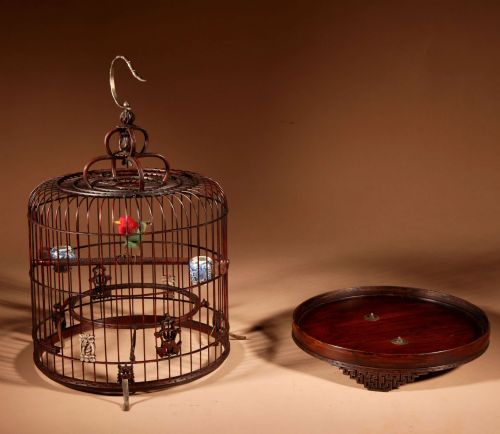


Brown Wooden Bird Carving
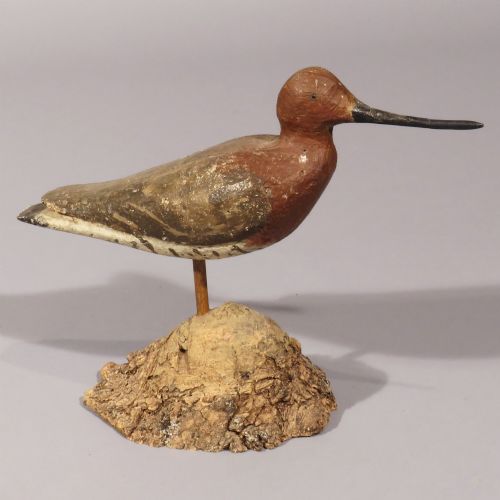
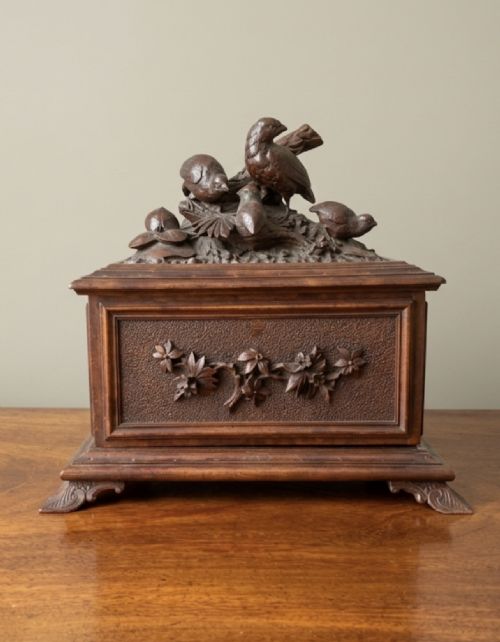
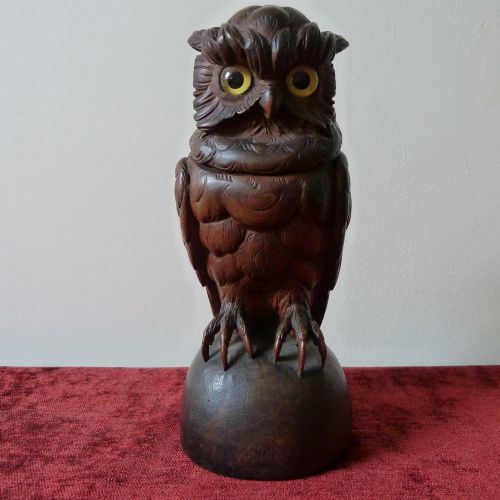
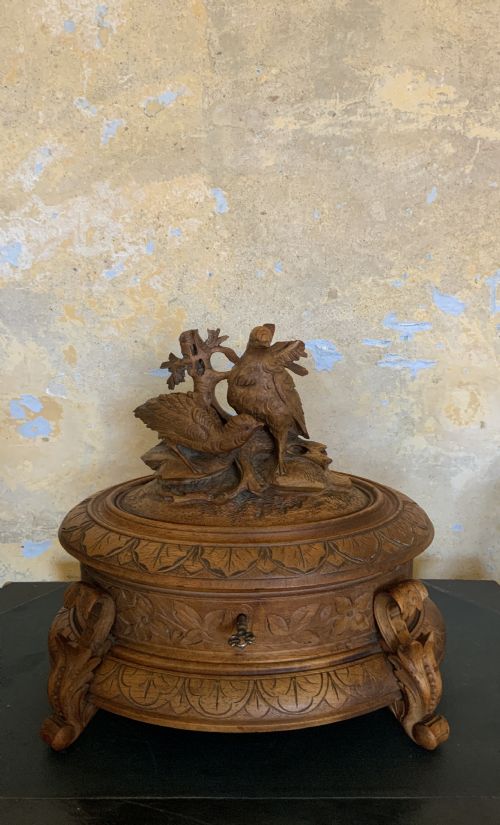
These brown wooden bird carvings bring natural form indoors, spanning Black Forest eagles and hand-painted decoy ducks.
Brown Wooden Bird Carving
A brown wooden bird carving takes many sculptural forms across this selection, ranging from nineteenth-century decoy ducks and desk inkwells to large eagles and wall mirrors. You encounter European folk art alongside Black Forest walnut and linden wood animal figures, as well as occasional pieces from Chinese and Oceanic traditions.
The objects serve varied decorative and practical purposes, appearing as snuff boxes, caskets, fire screens, and stick stands alongside freestanding sculptures. Many items date from the Victorian and Edwardian periods, utilising domestic hardwoods and pine.
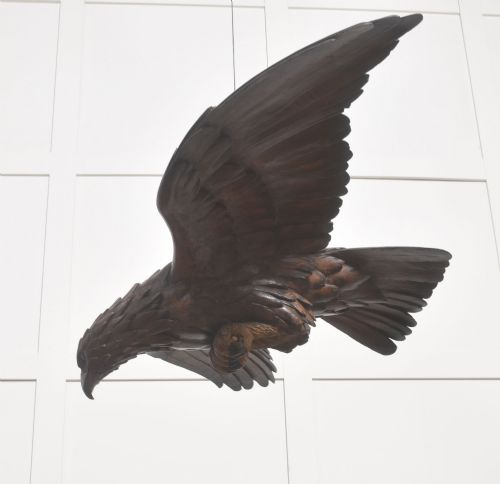
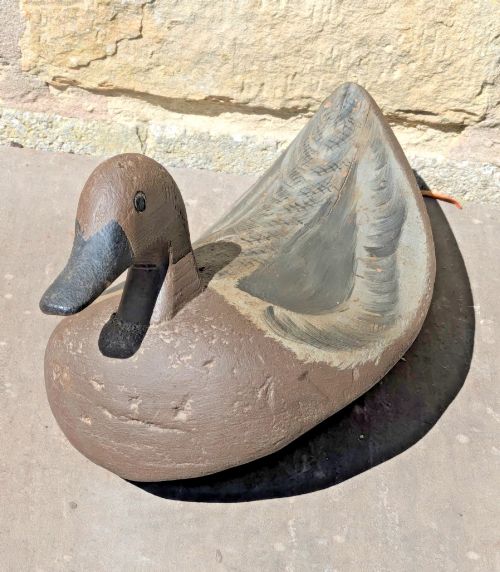
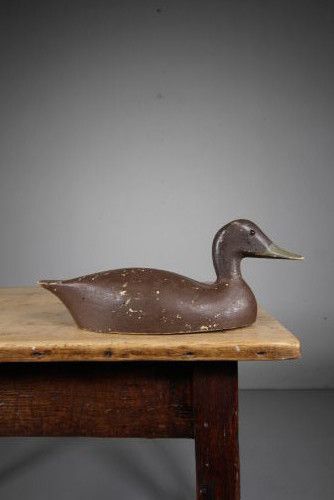
Decoy ducks form a distinct group among these listings, often featuring hand-painted surfaces and simple folk art styling. Larger predatory birds such as hawks and eagles typically emerge from the nineteenth-century Black Forest tradition, rendered in walnut with detailed feather work.
Materials and construction
Carvers utilise a range of timbers including walnut, linden wood, hardwood, oak, and pollard birch root to shape these avian figures. The selection relies heavily on traditional hand-carving techniques, often finished with subtle paint layers or penwork details.
Many items incorporate functional elements within the wood structure, such as glass inserts for inkwells or metal fittings on boxes, mirrors, and caskets. The foundational wood is frequently worked to emulate natural textures, revealing the grain and tonal variations of the material.
The listings here span the nineteenth century, the Edwardian era, and the 1940s, featuring walnut, linden wood, and painted finishes.
Markers of quality
Quality rests in the precision of the carving and the depth of anatomical detail rendered in the wood. Superior examples display lifelike posture and clean execution of feathers, whereas simpler pieces rely on basic form and heavier paint applications.
The integration of the bird motif into functional objects, such as inkwells, mirrors, and furniture, dictates the refinement of the piece. Well-balanced composition and careful preservation of the timber surface separate standard decorative items from finer sculptural works.
Gabriel Viardot
The Brown Wooden Bird Carving Glossary
- Black Forest
- A nineteenth-century style of wood carving originating in central Europe, known for realistic animal sculptures and rustic furniture. These pieces frequently depict bears, birds of prey, and woodland foliage in rich walnut.
- Decoy duck
- A floating or weighted wooden bird used to attract wildfowl, carved and painted to resemble living ducks. Collectors value the weathered paint surfaces and working history of these functional objects.
- Treen
- Small handmade wooden objects for domestic use, encompassing boxes, snuff boxes, and small carvings. The term covers utilitarian items shaped with skill by local makers.
- Inkwell
- A small container for holding ink, often incorporated into desk accessories featuring carved animals or birds. They typically combine carved wood bases with glass or ceramic inserts.
- Chinoiserie
- European artistic style reflecting Chinese and East Asian motifs, sometimes applied to carved wooden panels and figures. It appears in pieces that blend western carving methods with oriental subject matter.
Brown Wooden Bird Carving: Frequently Asked Questions
What are these wooden bird carvings?
These items comprise sculptural figures, decoy ducks, inkwells, and decorative objects carved from various woods.
They originate mostly from the nineteenth and early twentieth centuries across European and folk traditions.
How were decoy ducks used?
Decoy ducks were placed on water to attract wildfowl for hunting during the nineteenth and early twentieth centuries.
Over time, many transitioned into decorative folk art objects displayed in domestic interiors.
What is Black Forest carving?
Black Forest carving refers to nineteenth-century wooden sculptures and furnishings from central Europe, famous for naturalistic animals.
Walnut and linden wood are common materials used to depict eagles, owls, and other woodland birds.
How do I care for wooden carvings?
Keep wooden bird carvings away from direct sunlight and sudden temperature changes to prevent the timber from splitting.
Dust gently with a soft dry cloth and avoid applying harsh modern polishes to antique surfaces.