





Brown Wooden Bar Stools
Brown wooden bar stools bring sturdy character and practical height to a kitchen counter or tavern table, offering genuine period craftsmanship.
Brown Wooden Bar Stools
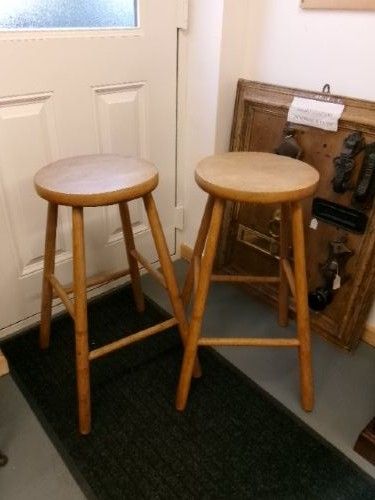
When you search for brown wooden bar stools, you encounter tall seating designed for pubs, counting houses, and farmhouse tables. These pieces stand at an elevated height to serve counters, high tables, and bars.
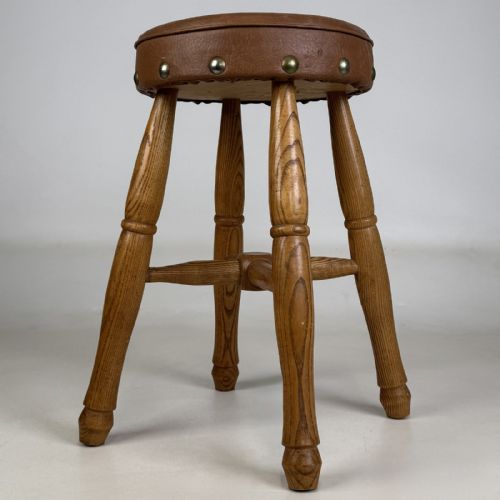
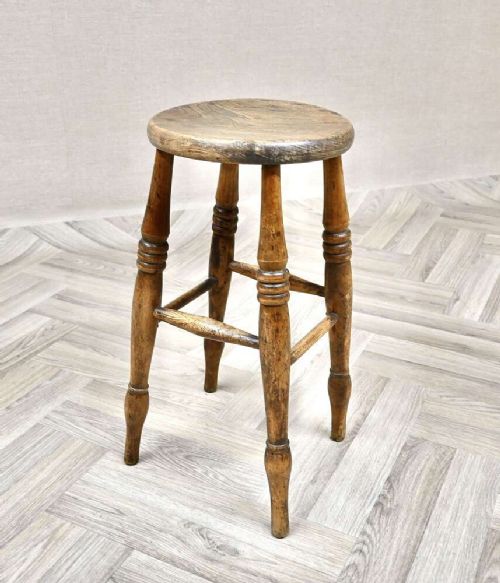
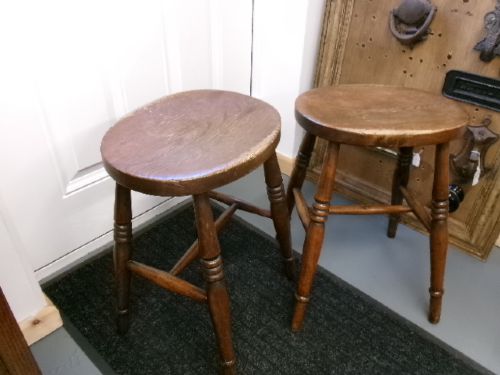
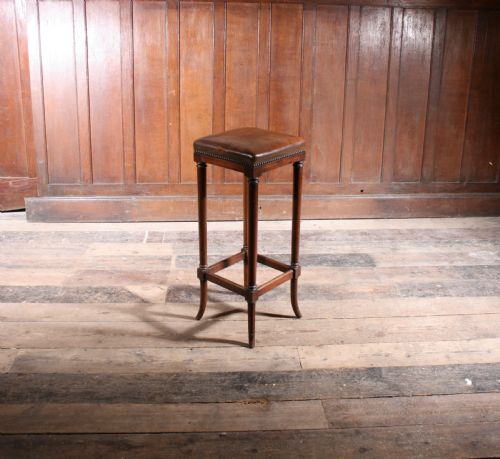
The selections available here span from nineteenth century clerk's stools and tavern seating to twentieth century bentwood models. You find simple turned forms alongside upholstered mahogany examples.
Makers shaped these tall stools for daily utility in commercial and domestic settings, creating robust frames intended for heavy use. Their simple silhouettes suit both period interiors and modern kitchens.
How they were made
Carpenters utilised sturdy timbers like elm, beech, and mahogany to build durable frames capable of supporting an elevated seat. Elm frequently provided a tough, resilient top that resisted splitting under constant weight.
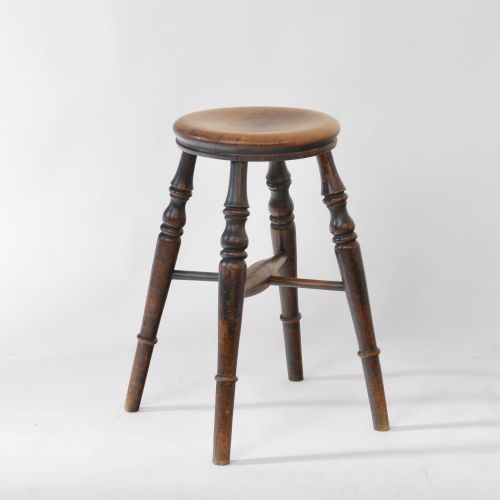
Turned wooden legs and stretcher rails reinforced the tall structures against lateral movement. Some variants incorporated leather upholstery over padded seats for added comfort during long hours at a desk or bar.
Brown Wooden Bar Stools Retail Price Guide 2026
Typical asking prices for brown wooden bar stools among the pieces listed under this phrase on Sellingantiques today, from the lower quarter to the upper quarter. They describe what is for sale here now, not the wider market.
Pub patrons generations ago sat high above the tavern floor on these very elm tops, nursing small ales.
What varies in quality
Quality rests in the selection of timber and the integrity of the joinery rather than mere age. Dense, figured mahogany or deeply grained wild elm denotes a finer original commission than standard utility pine.
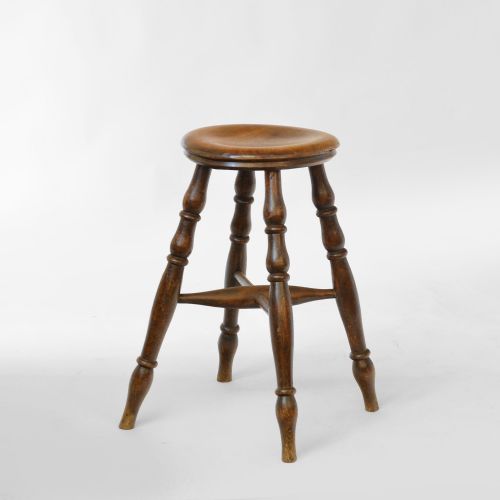
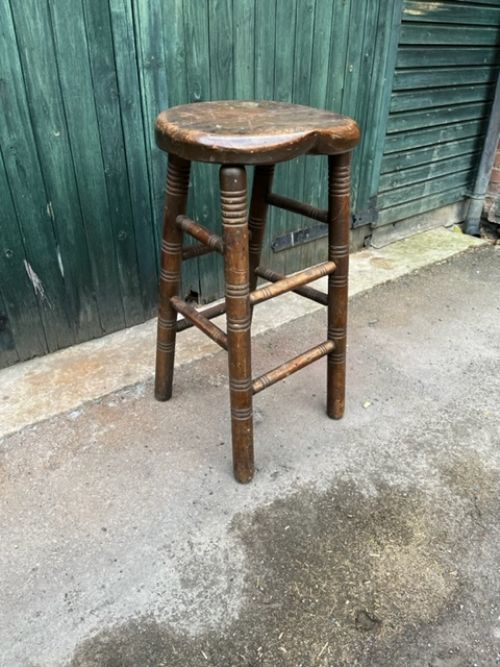
The degree of hand-turning in the legs and the presence of an oval dished top indicate greater skill from the maker. Sturdy stretcher placement and tight joints preserve the structural stability of taller frames.
The Brown Wooden Bar Stools Glossary
- Dished top
- A seat carved with a shallow depression to improve comfort. This concave shaping fits the contours of the body during extended sitting.
- Bentwood
- Wood softened through steaming and then bent into curved forms. This technique created lightweight yet resilient frames for tall stools.
- Stretcher
- A horizontal wooden brace connecting the legs of a stool. It adds structural rigidity to tall frames that endure significant downward pressure.
- Clerk's stool
- A tall seating form designed for high writing desks in offices or counting houses. These often feature simple turned legs and round wooden tops.
- Vernacular
- Everyday domestic or commercial furniture built by local makers without grand stylistic pretensions. These pieces prioritize function and local timber availability.
Brown Wooden Bar Stools: Frequently Asked Questions
Are these stools suitable for modern kitchen counters?
Many of these historical tall stools match the height of contemporary kitchen islands and breakfast bars. Their elevated proportions serve modern domestic spaces effectively.
However, heights vary across nineteenth century and early twentieth century examples, so measuring your counter space remains essential before selection.
How do I care for antique wood stools?
Maintain the timber by applying a traditional wax polish occasionally to nourish the grain and protect the surface. Avoid placing them near direct heat sources.
Regular dusting with a dry cloth prevents dirt buildup on turned legs and carved wooden seats.
What woods were used for these tall stools?
Carpenters frequently selected elm, beech, oak, and mahogany depending on the intended function and workshop location. Hardwoods provided the necessary strength for elevated seating.
Sycamore and pine also appear in regional tavern and utility seating from the nineteenth century.
How can I tell a tavern stool from a clerk's stool?
Tavern stools often feature sturdy turned beech and elm frames built for public houses, sometimes with dished wooden seats. Clerk's stools were made for offices and writing desks.
Both share an elevated stance, but their original environments shaped their specific timber choices and leg turnings.