



Tall Counter Stools
Tall counter stools are elevated seating pieces designed for high surfaces, offering practical utility and robust character for modern interiors.
Tall Counter Stools
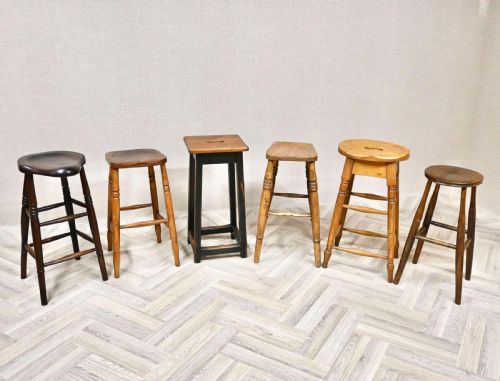
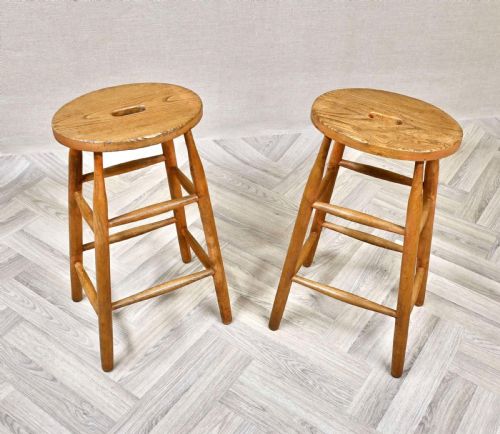
Tall counter stools serve elevated surfaces through various forms including bar stools, kitchen stools, and traditional clerk's stools. These pieces originate from distinct periods such as the nineteenth century alongside later decades like 1900, 1910, 1920, 1930, and 1940.
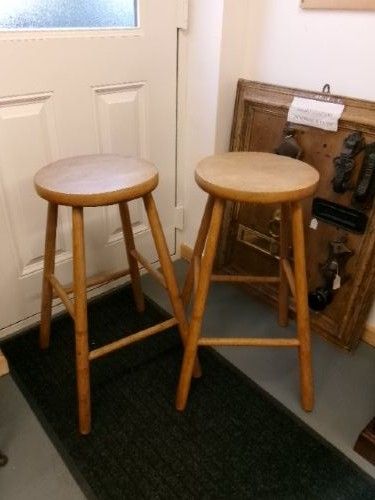
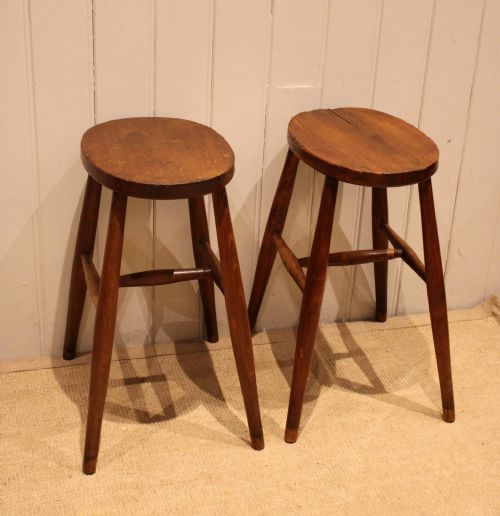
Buyers will most frequently encounter nineteenth-century vernacular seating alongside pub and tavern examples constructed from sturdy native timbers. Forms range from single high stools to paired sets and larger groupings suitable for utilitarian applications.
Styles span Victorian country and rustic farmhouse designs to European bistro and mid-century industrial influences. Such variety reflects the practical origins of these tall seats in commercial and domestic spaces.
How they were made
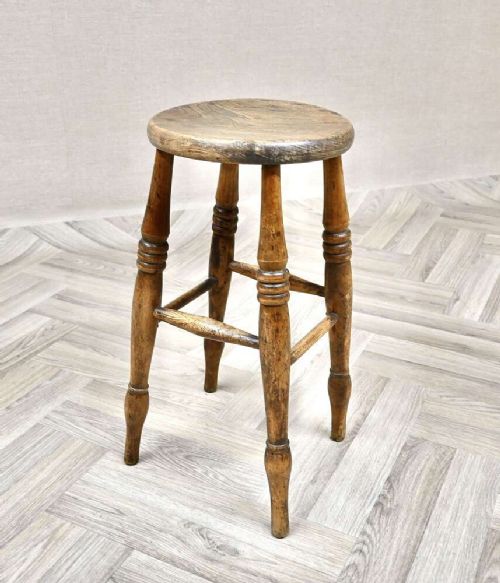
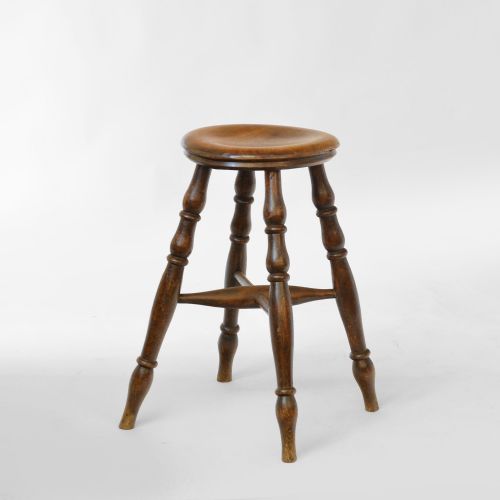
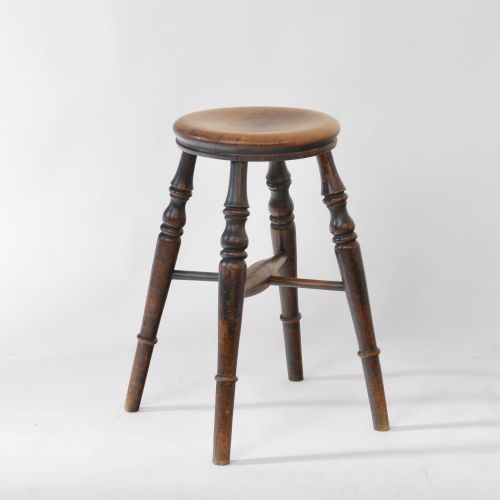
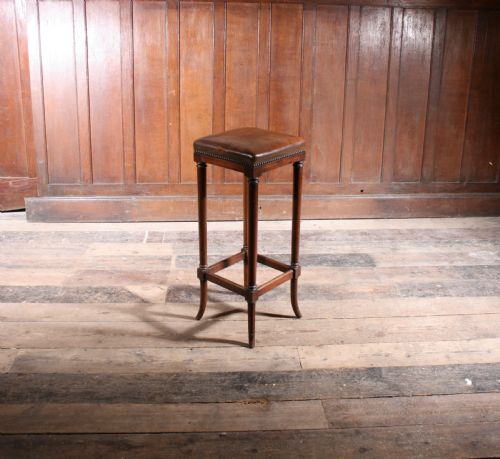
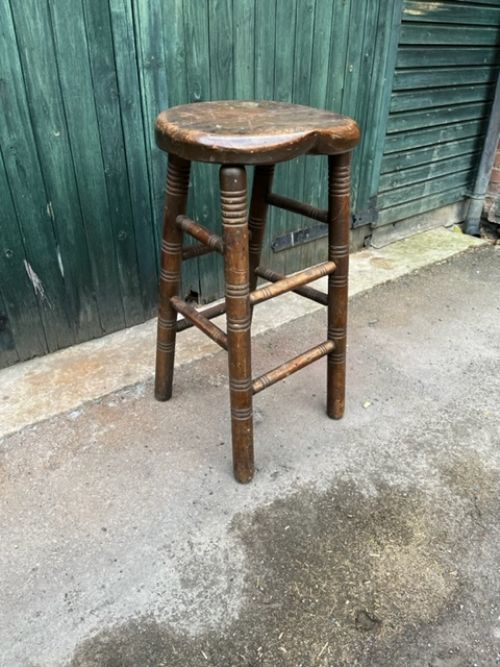
Construction relies heavily on traditional woodturning and joinery techniques applied to dense timbers like beech, elm, pine, oak, sycamore, mahogany, birchwood, and general hardwood. Turners shaped spindles and legs on lathes, integrating rush seating or solid timber tops.
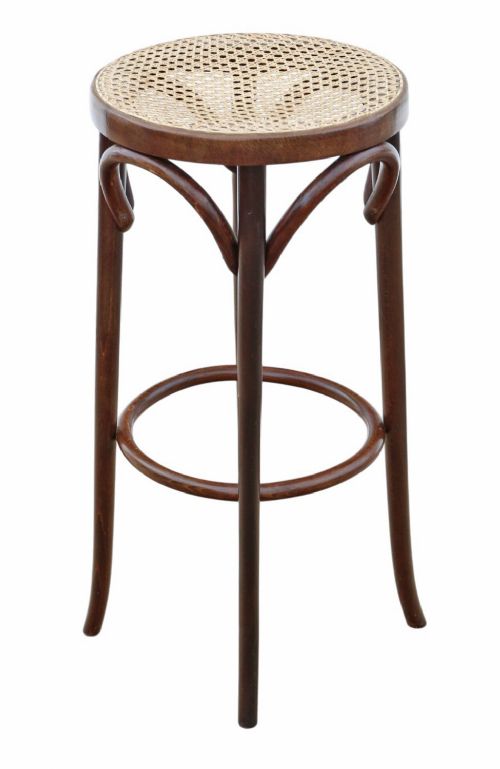
Selected pieces incorporate bentwood methods for curved structural elements, while others utilise combination timbers such as beech frames paired with elm seats. Leather upholstery appears on specific examples, adding a padded surface to the elevated wooden construction.
Tall Counter Stools Retail Price Guide 2026
Typical asking prices for tall counter stools among the pieces listed under this phrase on Sellingantiques today, from the lower quarter to the upper quarter. They describe what is for sale here now, not the wider market.
Listings feature woods such as beech, elm, pine, oak, sycamore, mahogany, birchwood, and general hardwood across nineteenth-century and mid-twentieth-century periods.
What varies in quality
Quality separates through the selection of timber, evidenced by figured wild elm or rich mahogany versus utilitarian pine or mixed hardwoods. The integrity of turned components and the tightness of historical joinery dictate the structural stability of each stool.
Surface patination and the preservation of original finishes mark superior examples, distinguishing honest age and usage wear from later alterations or heavy intervention. The presence of matching sets or balanced proportions further elevates specific pieces within the range.
The Tall Counter Stools Glossary
- Vernacular
- Everyday utilitarian objects made by local craftspeople without high-style academic pretension. These pieces reflect regional traditions and readily available local materials.
- Turned
- Wood shaped on a lathe by rotating the material against cutting tools. This technique produces cylindrical legs, stretchers, and spindles.
- Bentwood
- Wood softened by steam and bent into curved structural forms. This process allows for continuous flowing frames without traditional joints.
- Rush
- Woven marsh plants used for seating material. It provides a flexible, textured surface across the top of the stool.
- Patina
- The surface sheen and colour developed through age, handling, and use. It indicates the historical depth of the timber.
Tall Counter Stools: Frequently Asked Questions
What periods do these stools date from?
These tall counter stools span the nineteenth century and subsequent decades into the mid-twentieth century. Examples include Victorian vernacular designs alongside items from the 1900s, 1910s, 1920s, 1930s, and 1940s.
Such dating reflects the functional evolution of high seating from commercial tavern use to domestic kitchen and bar environments.
How were tall counter stools originally used?
Historically, these high seats served clerks at tall writing desks, patrons in pubs and taverns, and workers in domestic country settings. Their elevated height provided necessary leverage for standing-height counters and work surfaces.
Pub and tavern stools accommodated drinkers at high bars, while clerk's stools offered practical perches for ledger work.
What woods are typically found?
Construction materials primarily consist of British hardwoods and softwoods selected for durability and strength. Beech and elm frequently appear, often paired together in individual stools for frames and seats.
Additional timbers include pine, oak, sycamore, mahogany, birchwood, and general hardwood, sometimes complemented by rush seating or leather upholstery.
How do I style them at home?
Tall counter stools integrate naturally around kitchen islands, breakfast bars, and high dining tables. Their rustic farmhouse, Victorian, and industrial aesthetics complement both contemporary and traditional interiors.
Mixing single tavern stools or pairing matching sets introduces varied character and functional elevation to modern spaces.
How do I tell different styles apart?
Styles separate through distinct regional and period characteristics, ranging from nineteenth-century Victorian country forms to European bistro and mid-century industrial influences. Vernacular pieces exhibit simple turned legs and solid timber tops.
Industrial and bentwood variants display curved structural members and utilitarian metal or bent timber elements typical of later twentieth-century production.