

Brown Wood Wall Hanging
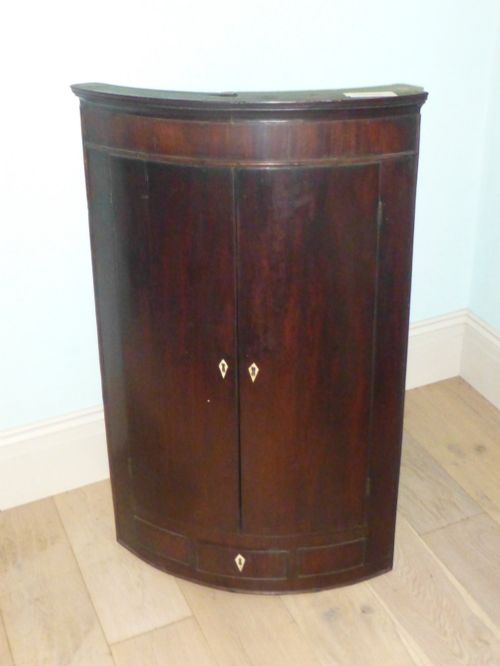
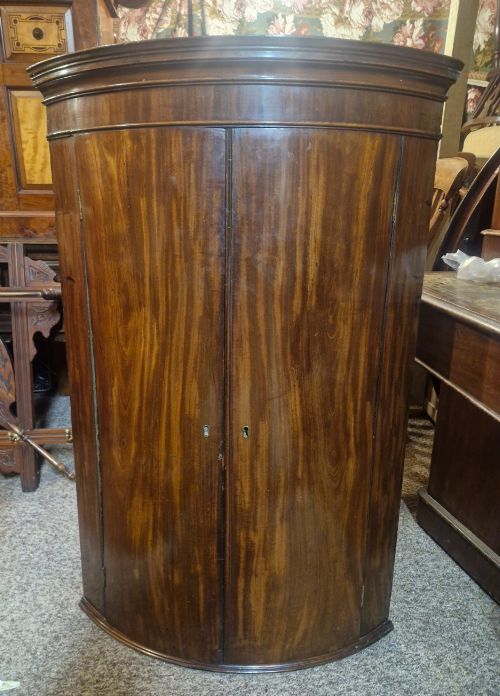
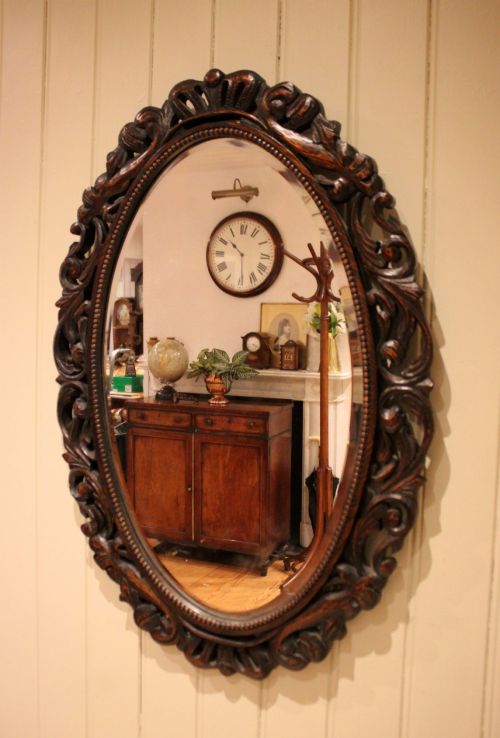
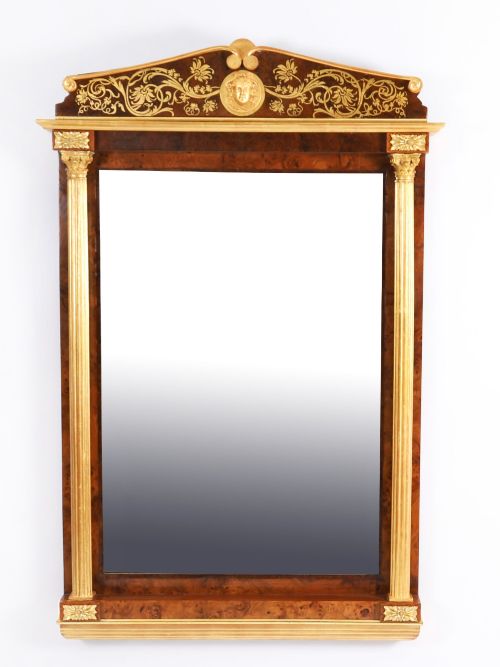
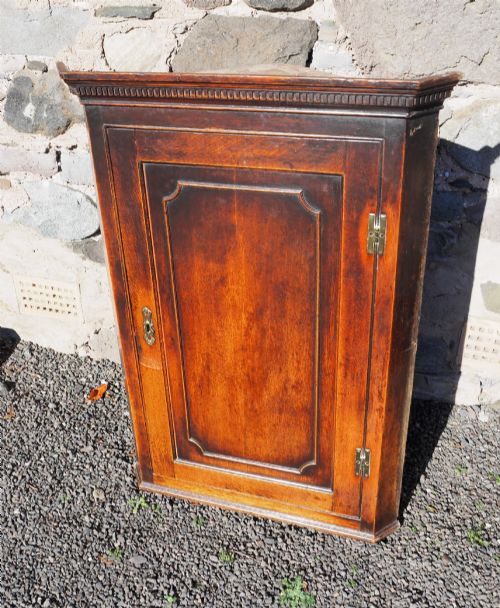
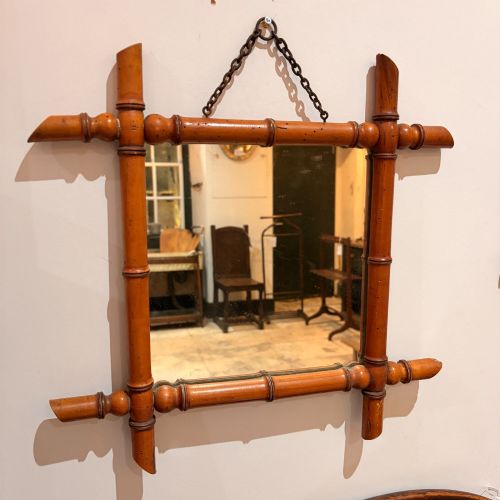
These brown wood wall hanging pieces span Georgian corner cupboards and Victorian mirrors, offering practical display and rich timber character for interior walls.
Brown Wood Wall Hanging
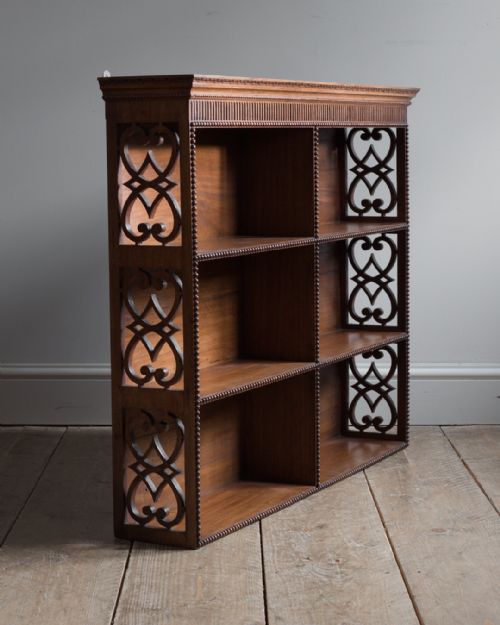
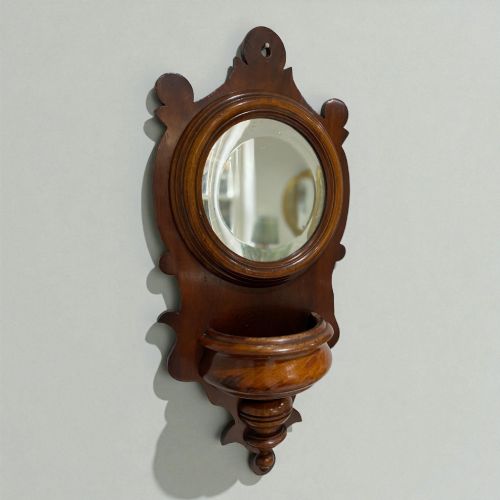
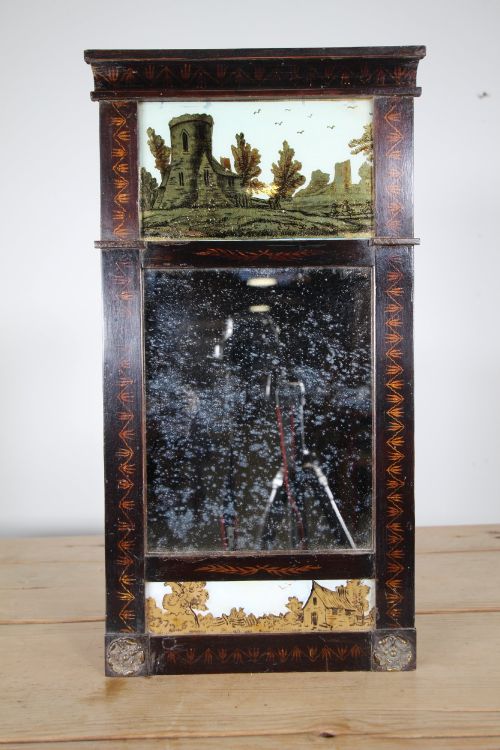
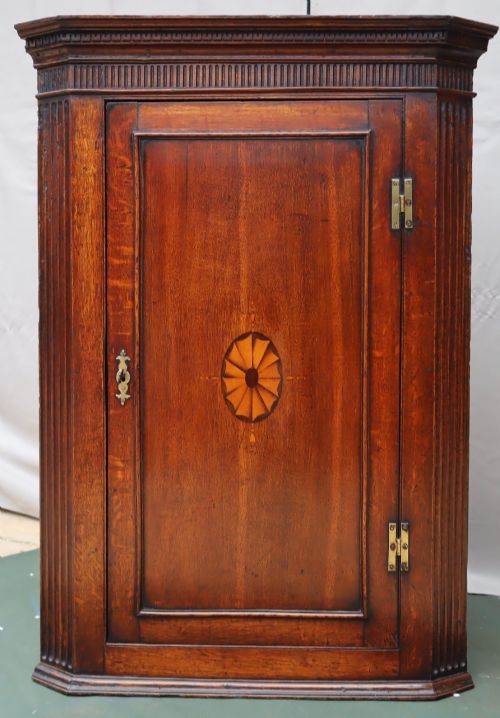
A brown wood wall hanging search uncovers practical storage units and decorative fittings designed to utilise vertical space in domestic interiors. Buyers meeting this selection most frequently encounter mahogany and oak wall mirrors, hanging corner cupboards, and architectural shelves.
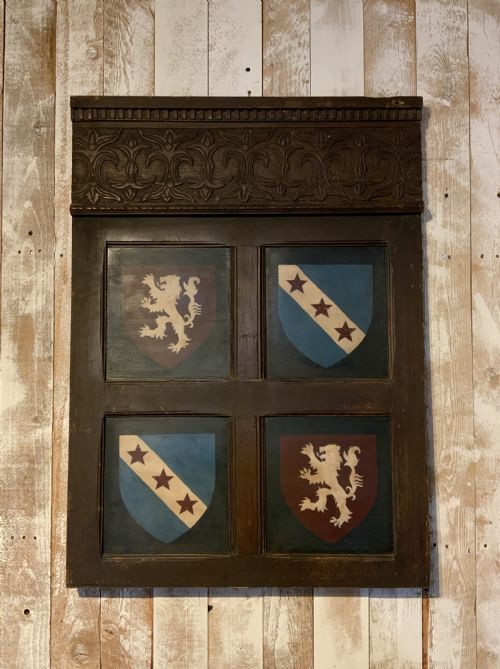
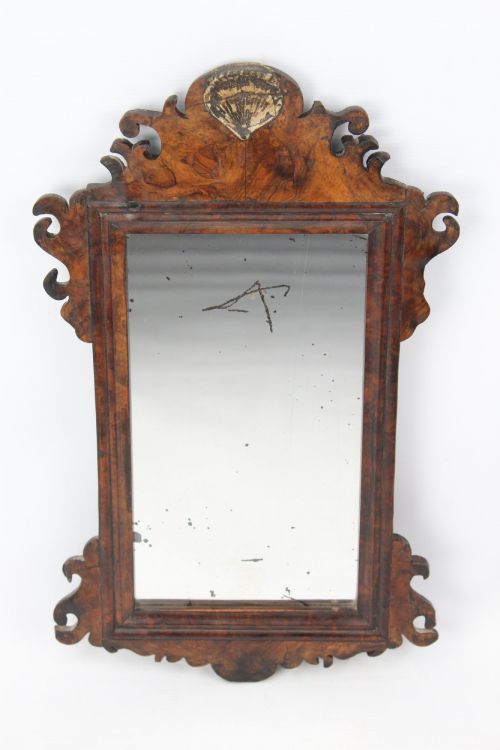
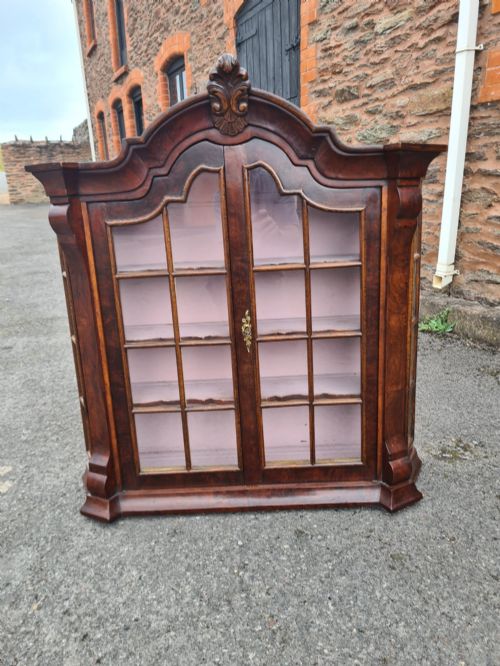
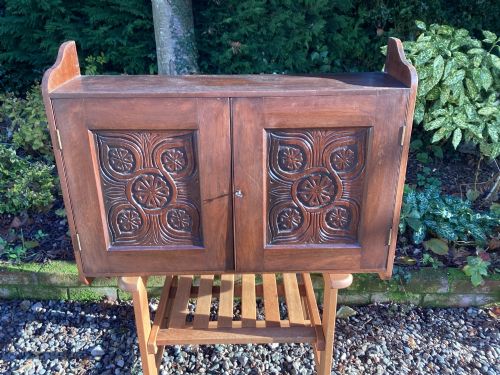
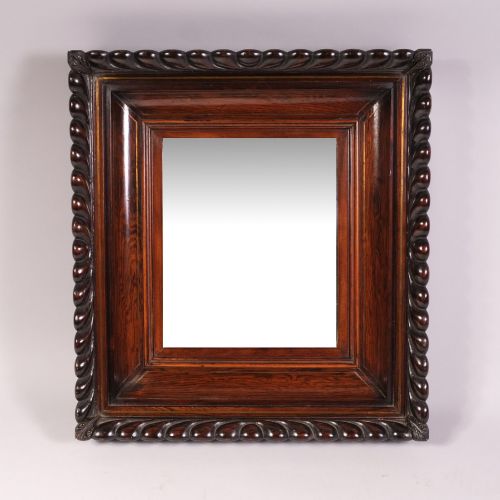
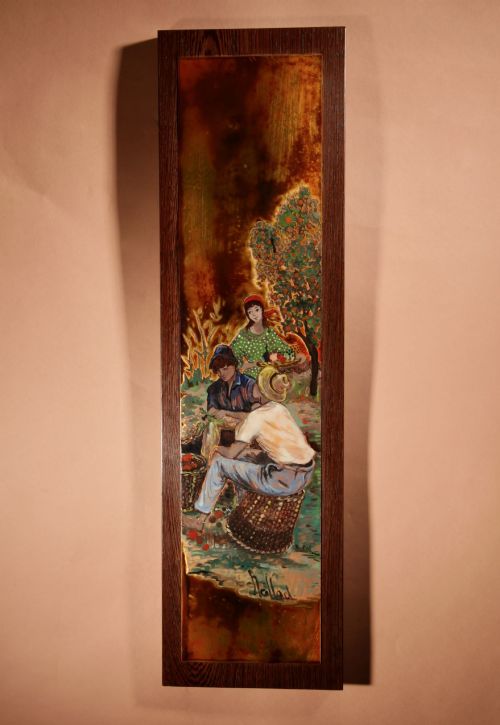
The assortment draws heavily on 18th century, Georgian, and Victorian periods, alongside later examples from the early 20th century. Forms range from bow fronted corner cabinets and fretwork mirrors to carved wooden panels and marquetry plaques.
Origin and regional styles vary considerably across the selection, featuring English George III designs, French fruitwood and burr walnut items, and specific pieces like Sorrento olive wood shelves.
What varies in quality
The calibre of a brown wood wall hanging piece rests upon the crispness of its hand carving, the depth of the timber grain, and the integrity of the original construction. Superior examples display carefully chosen veneers, such as plum pudding mahogany or burr walnut, matched precisely across visible surfaces.
Refinement in secondary details, like delicate fretwork on mirrors or precise dovetailing in corner cupboards, separates standard utility items from masterwork production. The survival of original surfaces and patination heavily influences the overall character of each wooden wall fixture.
Brown Wood Wall Hanging Retail Price Guide 2026
Typical asking prices for brown wood wall hanging among the pieces listed under this phrase on Sellingantiques today, from the lower quarter to the upper quarter. They describe what is for sale here now, not the wider market.
Waring and Gillow
The Brown Wood Wall Hanging Glossary
- Bow front
- A convex curved cabinet or cupboard front popular in Georgian furniture design. This shape softens room corners and adds visual depth.
- Parcel-gilt
- Partially gilded woodwork where thin layers of gold leaf highlight specific carved details or mouldings. It creates a subtle contrast against dark brown timber.
- Fretwork
- Openwork ornamentation cut from thin wood panels using a fret saw, frequently seen on 18th century mirror frames. It produces delicate geometric or scroll patterns.
- Marquetry
- Decorative veneer work forming pictures or patterns by assembling small pieces of different coloured wood. It transforms plain cabinet doors into ornate displays.
- Panetiere
- A traditional French food cage or wall cabinet designed to store bread safely away from pests. These fruitwood items feature turned spindles and ventilation panels.
Brown Wood Wall Hanging: Frequently Asked Questions
How do I hang a heavy wooden wall cabinet safely?
Hanging a substantial wooden cabinet requires locating solid wall studs or masonry support rather than relying solely on plasterboard. Fixing brackets must anchor securely into the primary frame of the piece.
Professional installation prevents structural strain on antique joints and protects the surrounding timber from accidental splitting under load.
What is the difference between a pier mirror and an overmantel mirror?
Pier mirrors were traditionally manufactured to fit narrow wall spaces situated between windows, reflecting light into darker rooms. Their vertical proportions suit restricted wall areas.
Overmantel mirrors are typically wider horizontal formats designed specifically to hang above fireplace surrounds. They anchor the visual weight of the hearth area.
How should I clean antique mahogany wall furniture?
Dust timber surfaces regularly with a soft, dry cloth to prevent particulate buildup in carved details. Avoid modern silicone sprays that can penetrate porous old finishes.
Apply a traditional microcrystalline wax periodically to nourish the wood and maintain a gentle sheen. This preserves the natural patination built up over centuries.
How can I distinguish a Georgian corner cupboard from a Victorian copy?
Georgian corner cupboards generally feature solid secondary timbers like oak or deal inside, hand cut dovetails, and pegged joints. Their proportions reflect 18th century architectural rules.
Later Victorian copies often reveal machine-sawn timber elements, standardised screws, and denser factory-applied finishes. Examining the interior construction reveals the true period of assembly.