

Brown Wood Treen
These brown wood treen objects are small domestic wooden items shaped by hand and lathe, offering tactile history for everyday use.
Brown Wood Treen
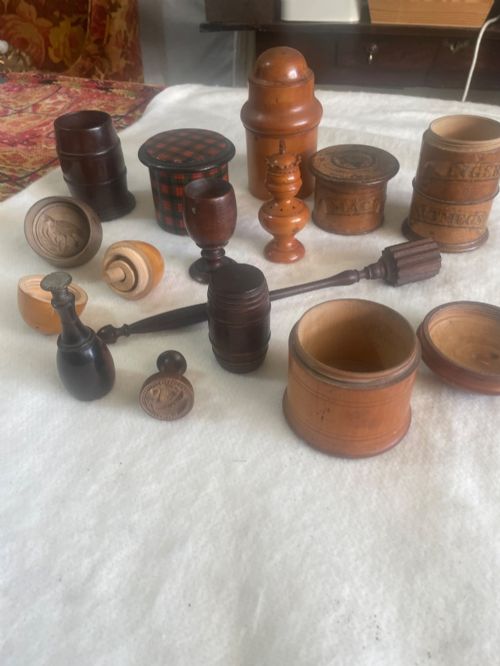
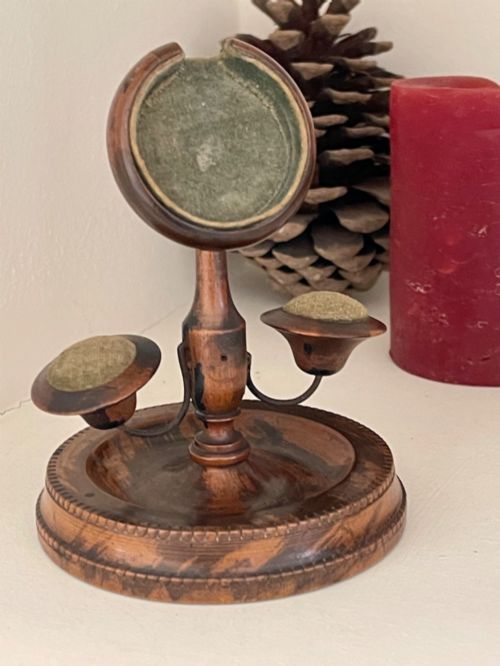
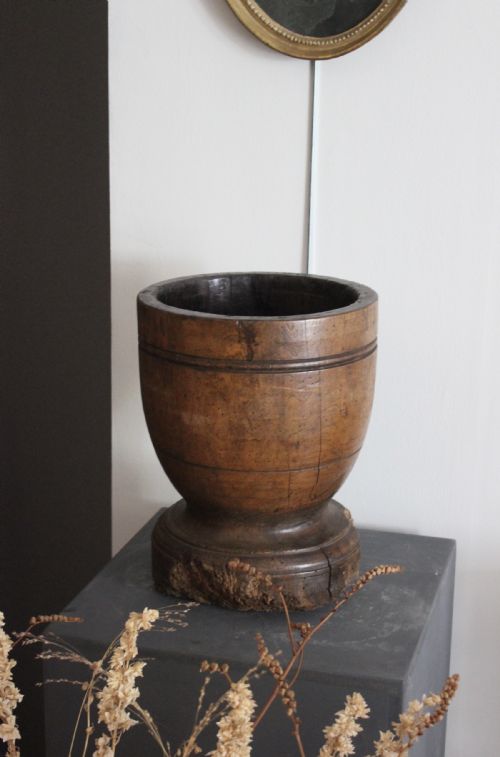
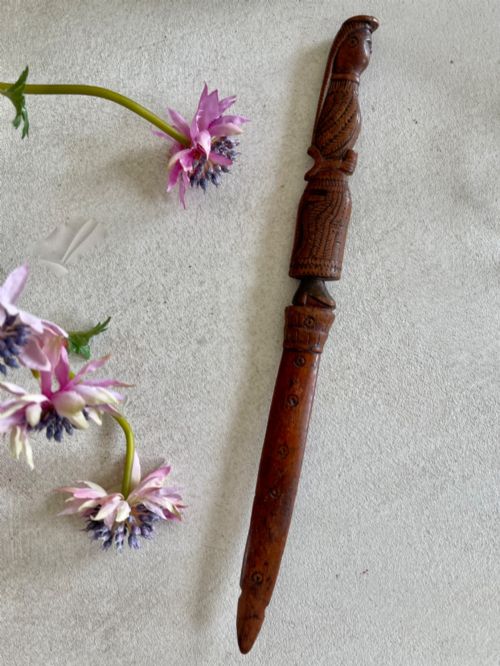
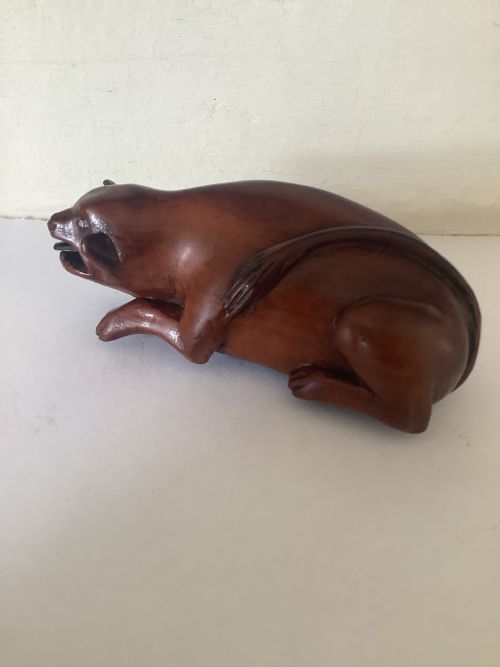
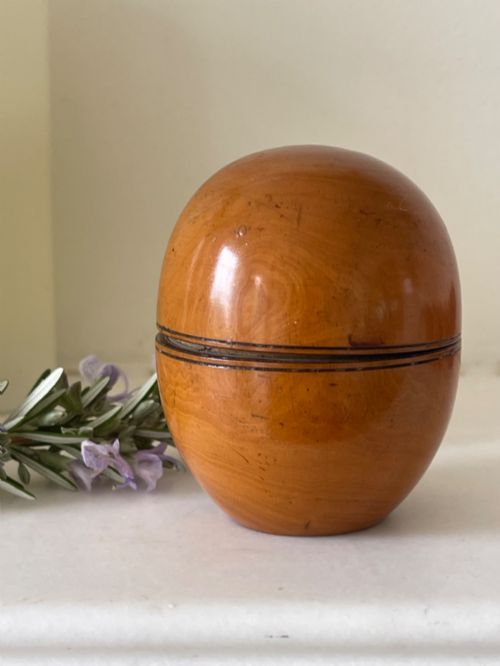
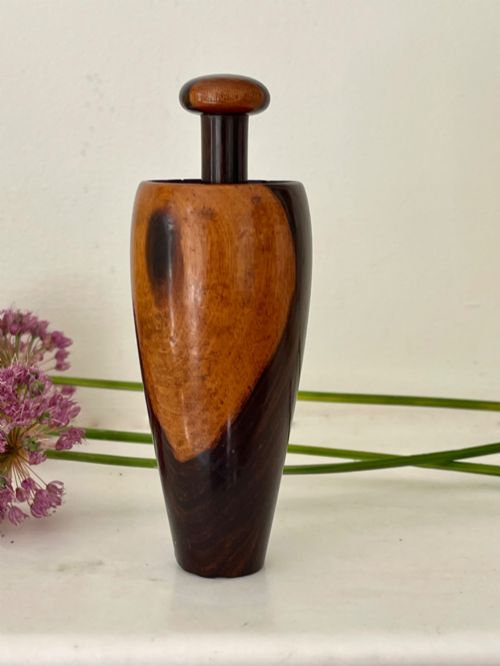
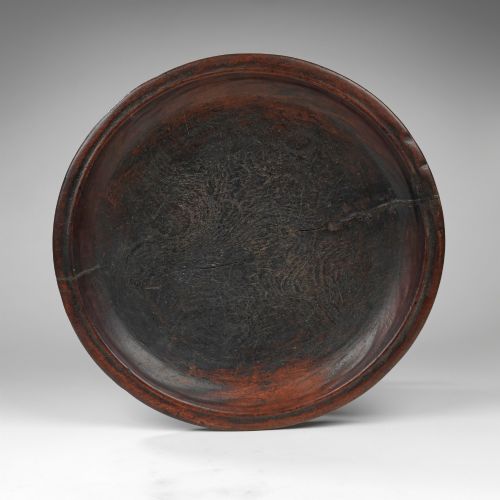
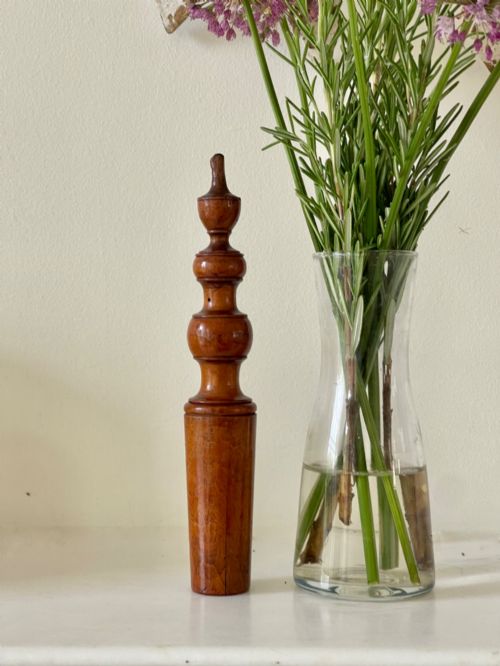
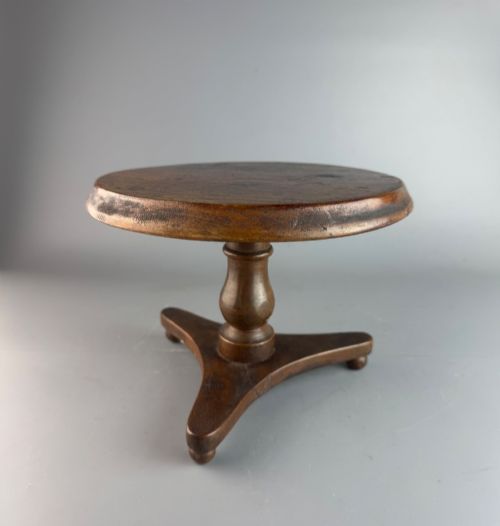
When you search for brown wood treen, you encounter functional domestic wooden objects spanning the seventeenth century through to the Edwardian period. The selection includes utility vessels such as mortars, bowls, and spice towers, alongside domestic implements like knitting sheaths, snuff boxes, and nutcrackers.
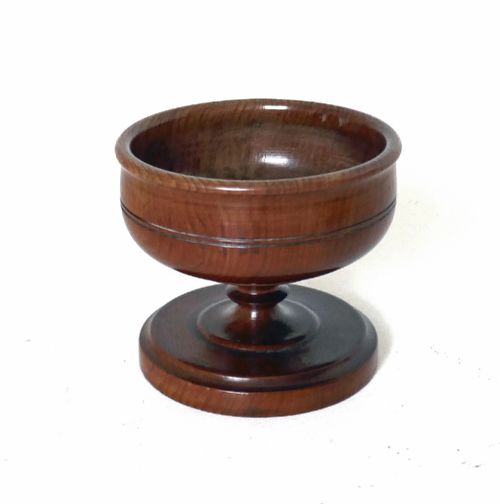
You are most likely to meet nineteenth-century turned utility items and Victorian folk art pieces on this page. These encompass fruitwood goblets, turned wooden bowls, and treen containers fashioned from hardwood.
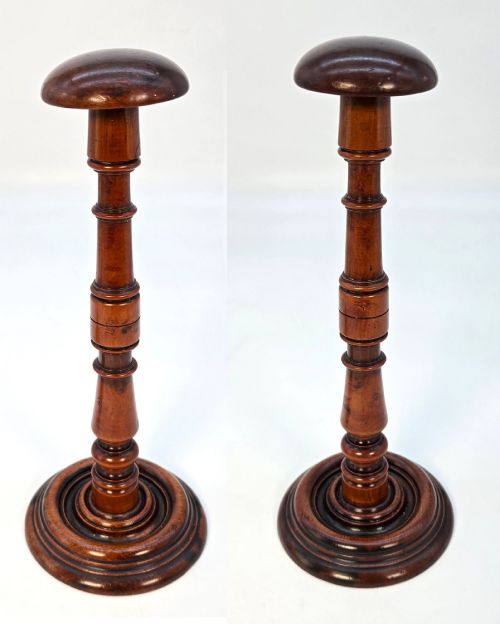
The assortment extends to curious objects like string boxes, wig stands, and lace folders originating from British workshops. Each piece reflects domestic life through utilitarian carpentry and decorative turning.
How they were made
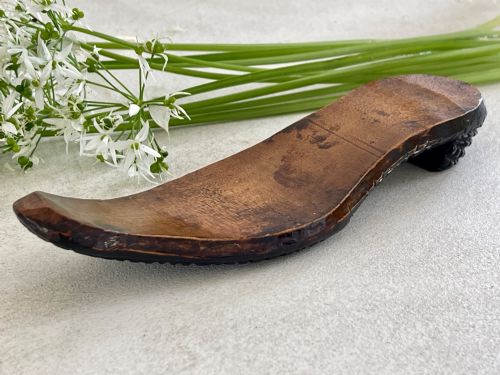
Maker workshops utilised dense timbers such as boxwood, fruitwood, yew wood, and walnut to withstand daily domestic handling. Woodworkers shaped these materials on lathes for circular vessels or carved them by hand for figurative items like lovespoons and shoe-shaped snuff boxes.
Surface detailing relied on chip carving, inlay work with contrasting woods, and occasional metal additions like brass components or silver linings. Artisans achieved smooth finishes through persistent friction polishing, which brought out the natural grain patterns of the timber.
Brown Wood Treen Retail Price Guide 2026
Typical asking prices for brown wood treen among the pieces listed under this phrase on Sellingantiques today, from the lower quarter to the upper quarter. They describe what is for sale here now, not the wider market.
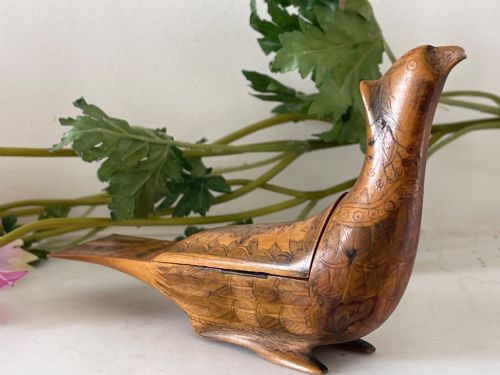
Among the carved implements, a wooden bird call mimics a pigeon.
What varies in quality
Material selection and patination distinguish finer examples from standard utility wares. Dense hardwoods with rich surface colour and minimal structural disruption demonstrate superior age and handling.
The Brown Wood Treen Glossary
- Treen
- Small handmade wooden objects for domestic use. The term derives from an older word for tree.
- Knitting sheath
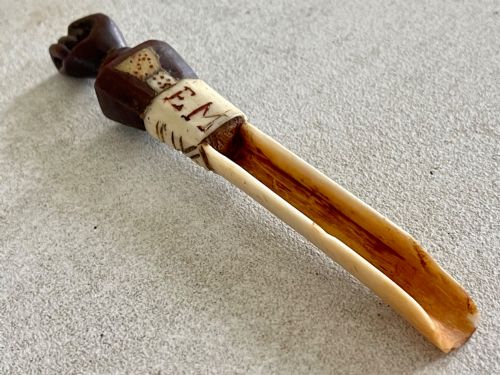
- A wooden holder tucked into a belt or apron string to support a knitting needle. These often display chip carving or regional folk art designs.
- Mortar
- A heavy wooden vessel used with a pestle for crushing spices or medicinal substances. Early examples often utilise sturdy timbers like oak or fruitwood.
- Lovespoon
- A decorative wooden spoon carved as a token of affection. Welsh makers traditionally embellished these with intricate pierced work and geometric inlays.
- Spice tower
- A multi-tiered turned wooden container designed for storing culinary spices. Sections screw or fit together tightly in a vertical stack.
Brown Wood Treen: Frequently Asked Questions
What is brown wood treen?
Brown wood treen comprises small utilitarian and decorative wooden objects made for the home over several centuries. The category spans kitchen equipment, sewing tools, and personal accessories shaped by turners and carvers.
These items range from plain seventeenth-century mortars to ornate Victorian folk art boxes and novelty nutcrackers.
How were treen objects used?
People utilised treen for food preparation, textile work, personal grooming, and leisure in daily life. Items like spice towers held seasonings, while knitting sheaths kept textile tools secure during handcrafts.
Other objects served social functions, such as pocket snuff boxes shared among company or wooden games played at home.
How do I care for wooden treen?
Keep wooden treen away from direct heat sources and sudden humidity changes to prevent the timber from splitting. Gentle dusting and occasional application of appropriate wax maintain the surface without harming the patination.
Avoid washing antique items in water, as moisture damages old joints and porous finishes.
How can I tell the age of these pieces?
Dating relies on observing tool marks, wood species, and wear patterns consistent with historical manufacturing methods. Georgian and earlier pieces frequently show hand-lathe turning marks and regional material choices.
Design styles, such as Arts and Crafts movements or Victorian novelty shapes, also provide clear indicators of a specific era.