



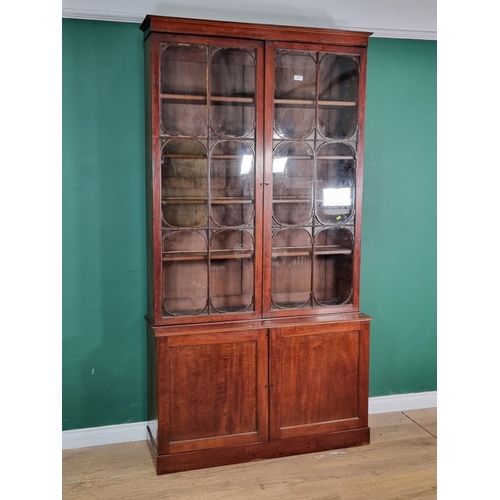


Brown Wood Tall Dresser
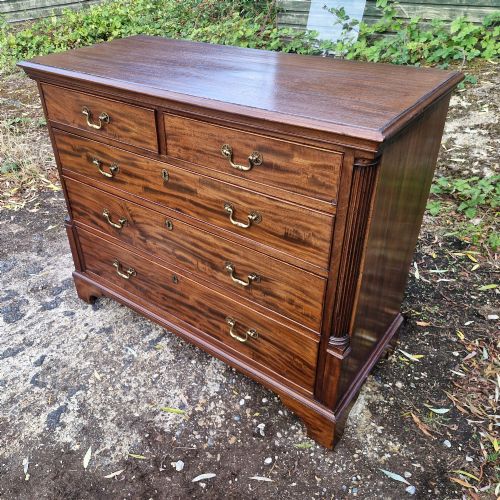
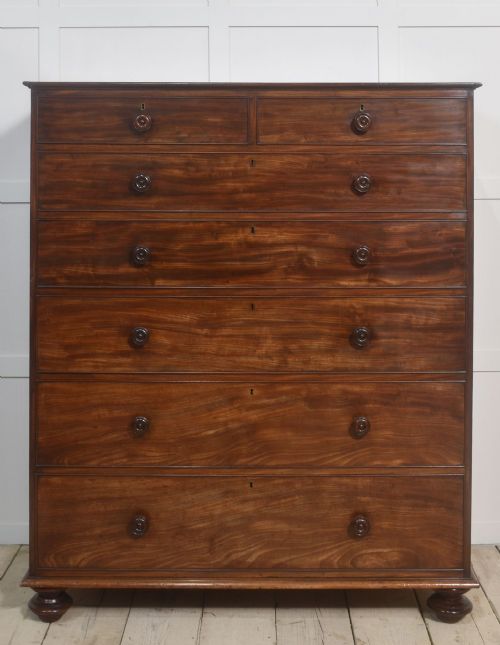
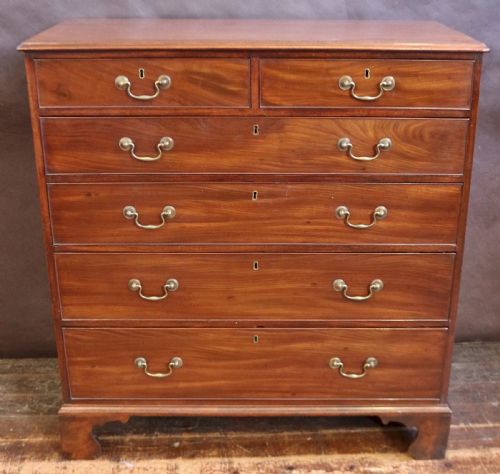
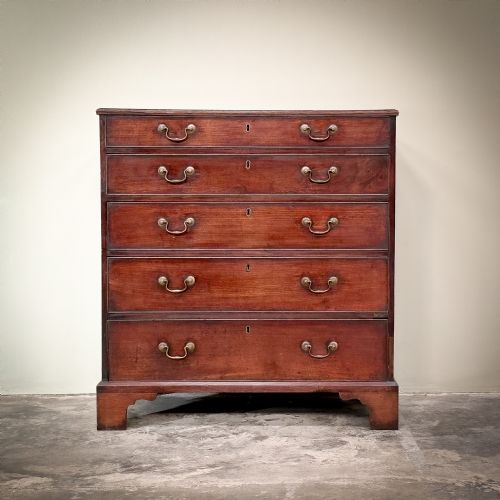
A brown wood tall dresser stands ready to anchor a room with serious vertical presence and dependable storage.
Brown Wood Tall Dresser
A brown wood tall dresser typically appears in the listings as a tall chest of drawers or a narrow tall chest dating from the eighteenth century through to the Edwardian era. These substantial storage pieces provide generous drawer capacity while occupying a compact floor footprint in a bedroom or hallway.
The dominant forms you will encounter span George III proportions, Victorian mass, and later Edwardian or revival interpretations. Most examples favour rich mahogany or walnut timbers, occasionally featuring inlaid details or carved elements derived from Anglo-Indian traditions.
Construction and materials
Cabinetmakers constructed these pieces primarily using dense timbers such as mahogany and walnut, occasionally incorporating burr walnut veneers for decorative drawer fronts. Brass hardware, including drop handles and key escutcheons, provides functional contrast against the dark wood surfaces.
Joinery techniques relied on solid framing and dovetailed drawer construction to ensure durability under daily use. Secondary elements sometimes include inlaid stringing or carved motifs, depending on the stylistic influences of the period.
Brown Wood Tall Dresser Retail Price Guide 2026
Typical asking prices for brown wood tall dresser among the pieces listed under this phrase on Sellingantiques today, from the lower quarter to the upper quarter. They describe what is for sale here now, not the wider market.
Judging quality and proportion
Quality reveals itself in the selection of timber grain, the crispness of any inlaid stringing or carved detail, and the retention of original brass hardware. Pieces with well-figured mahogany or burr walnut show a superior level of material choice by the original maker.
Proportion and structural integrity distinguish finer examples, where the vertical height remains balanced and drawers run smoothly within their housings. Alterations to feet, cornices, or handles alter the original character and affect the overall cohesion of the piece.
The Brown Wood Tall Dresser Glossary
- Mahogany
- A durable tropical hardwood valued for its reddish-brown colour and stable grain, widely used in eighteenth and nineteenth-century cabinetmaking.
- Walnut
- A rich brown timber featuring pronounced grain patterns, frequently utilised for high-status furniture during the Georgian and later revival periods.
- Dovetail
- A traditional wood joint formed by interlocking wedge-shaped fingers, prized for its exceptional tensile strength in drawer construction.
- Escutcheon
- A protective brass plate surrounding a keyhole, often decorative as well as functional on period drawer fronts.
- Bowfront
- A convex, curved front profile found on certain Georgian and revival chests, adding subtle movement to the vertical form.
Brown Wood Tall Dresser: Frequently Asked Questions
What periods do these dressers date from?
The available pieces span multiple eras, ranging from eighteenth-century George III examples to nineteenth-century Victorian pieces and early twentieth-century Edwardian or revival items.
Cabinetmaking styles evolved across these decades, shifting from strict classical proportions to more ornate Victorian constructions and later decorative revivals.
How do I fit a tall dresser into a modern room?
A tall chest uses vertical space efficiently, making it suitable for bedrooms or dressing rooms where floor area is limited. Its high profile provides ample storage without dominating the room's horizontal footprint.
Ensure you measure ceiling clearance and wall space carefully before placement, particularly with narrow eighteenth-century configurations.
Are the handles and brasses original?
Hardware varies across pieces, with some retaining their period brass drop handles and escutcheons while others feature later replacements. Examining the back of the drawer timber around the fixing holes often reveals evidence of previous handle configurations.
Original brasses add considerable character, though matched period replacements remain common on antique case furniture.
How do I tell a Georgian chest from a later revival?
Georgian pieces display authentic period construction methods, timber ageing, and proportions characteristic of the eighteenth century. Revival pieces, such as those from the Edwardian period, imitate these classical designs using slightly different internal construction or secondary woods.
Inspect the drawer linings, backboards, and dovetailing to understand the manufacturing methods specific to each era.