

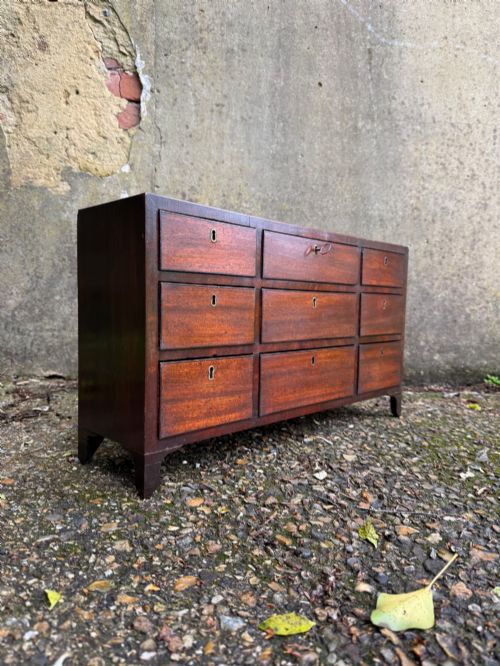


Brown Wood Tabletop Cabinet
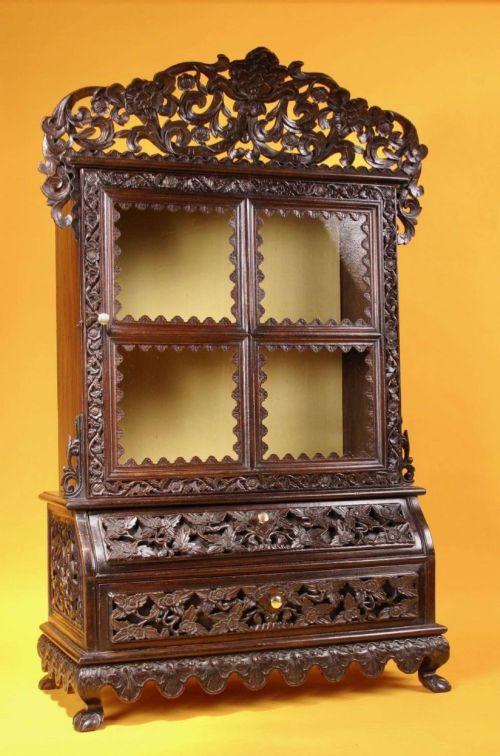
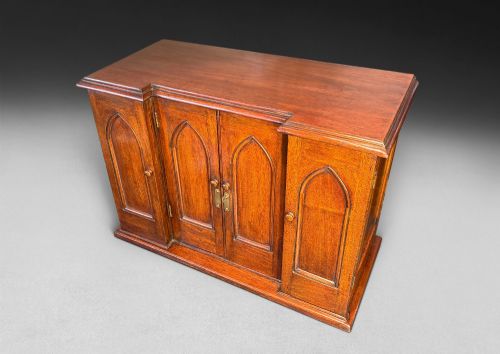
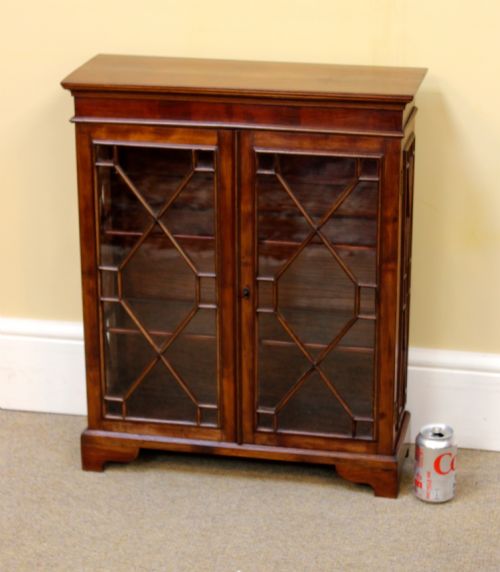
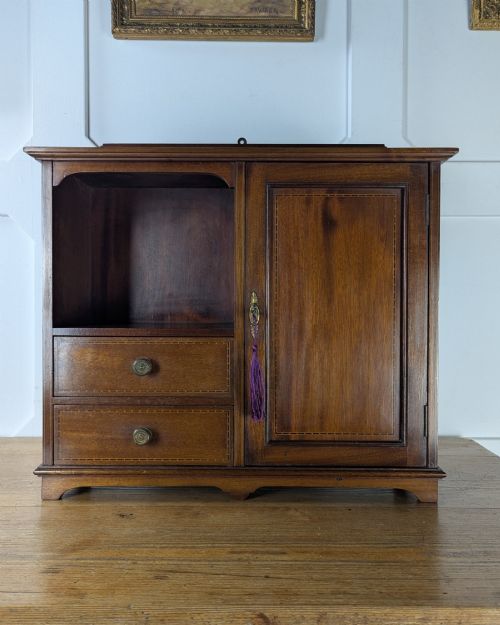
These brown wood tabletop cabinet examples provide compact storage for small treasures, offering period craftsmanship that sits neatly on a desk or chest.
Brown Wood Tabletop Cabinet
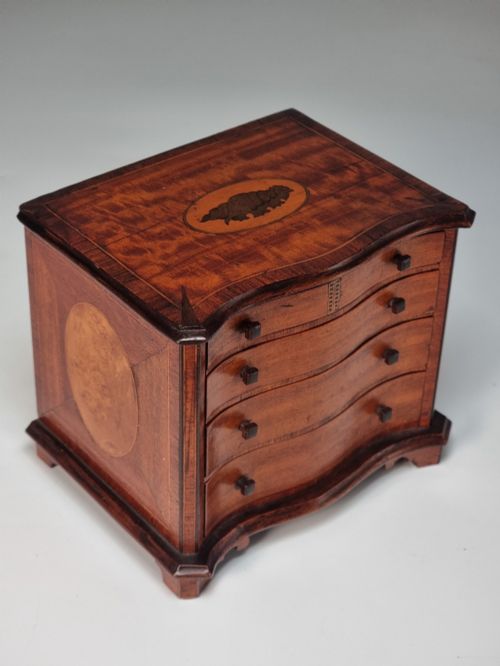
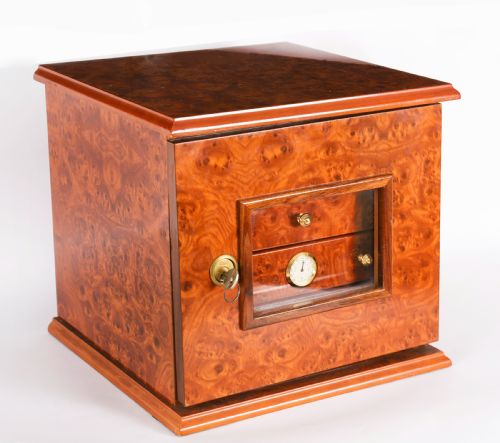
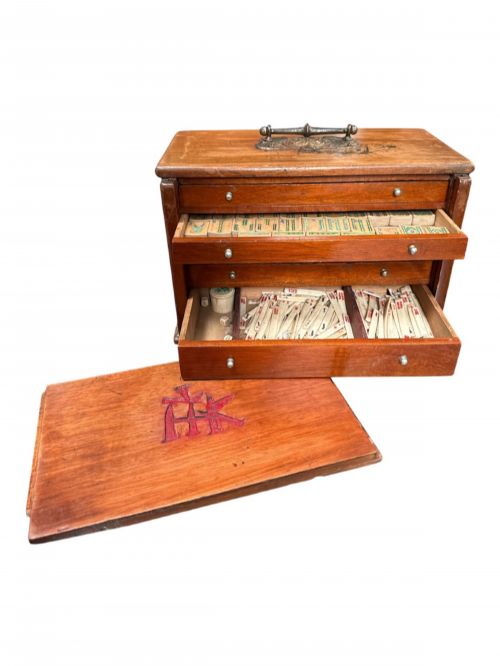
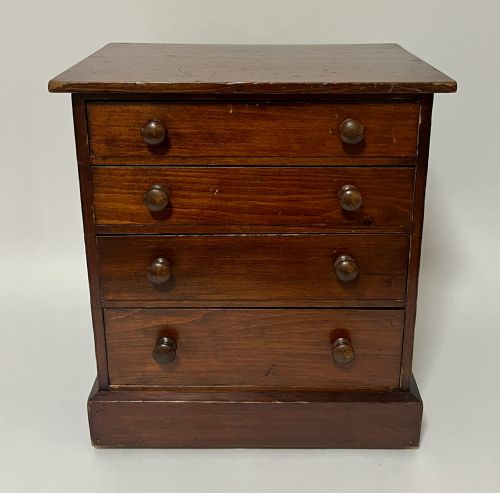
A brown wood tabletop cabinet serves as a scaled-down storage piece, encompassing miniature chests of drawers, collectors' cabinets, and tabletop desks. These items date from the seventeenth century through to the early twentieth century, spanning Georgian, Victorian, and Edwardian eras.
Mahogany and oak form the backbone of these pieces, alongside satinwood, walnut, elm, and pine. Makers designed them for specialised tasks, including housing specimen collections, storing documents, or holding tobacco.
Miniature chests and apprentice pieces dominate the selection, often mirroring the full-sized furniture styles of their respective periods. Buyers encounter domestic pieces alongside regional variants like Chinese hardwood cabinets and French country cupboards.
Materials and Technique
Cabinetmakers constructed these small pieces using solid timbers like mahogany, oak, and walnut, frequently applying fine veneers such as satinwood or amboyna to primary surfaces. Structural elements often rely on secondary woods like pine or deal.
Traditional joinery defines the construction, including dovetailed drawer boxes and mortise and tenon frames. Decorative details involve mother of pearl inlay, brass hardware, and carved wooden motifs.
Glass panels appear in doors for display purposes, while specialised interiors incorporate fitted drawers, pigeonholes, or revolving compartments.
One historical small cabinet even repurposes timber salvaged directly from the royal yacht HMY Osborne.
Craftsmanship and Proportion
Proportion and scale distinguish the finer pieces, particularly when a miniature chest successfully replicates the architectural balance of a full-sized counterpart rather than appearing clumsy. The handling of secondary timbers inside drawers reveals the maker's overall standard of work.
Surface preservation matters greatly, with original patination and polished finishes holding more appeal than heavy modern restorations. The precision of inlay work and the quality of brass handles or hinges indicate the original tier of production.
A. F. Lloyd, Bideford
The Brown Wood Tabletop Cabinet Glossary
- Apprentice piece
- A small item of furniture made by a trainee to demonstrate skill to a guild. These pieces mirror full-scale furniture in every detail.
- Collectors cabinet
- A specialised storage unit containing multiple shallow drawers for housing specimens such as insects, coins, or minerals. They frequently feature glass doors.
- Escritoire
- A small writing cabinet with a fall-front or sloping lid enclosing fitted compartments for stationery. They often sit upon a larger table or desk.
- Humidor
- A moisture-controlled box or cabinet designed specifically for storing cigars. Fine examples utilise dense hardwoods to maintain internal conditions.
- Serpentine
- A furniture front characterised by a undulating curve that convex in the centre and concave at the sides. This shape requires advanced woodworking skill.
Brown Wood Tabletop Cabinet: Frequently Asked Questions
What were tabletop cabinets used for?
These miniature pieces served varied domestic and professional functions, from holding writing supplies and personal documents to organising small collections of natural history specimens or keeping tobacco.
Owners placed them on larger desks, sideboards, or tables to keep frequently used items secure and close at hand within domestic and commercial settings.
How do I date a wooden tabletop cabinet?
Dating relies on examining the timber species, construction methods, and hardware style. Hand-cut dovetails, timber choices like oak or mahogany, and period-specific decorative techniques help establish the era of manufacture.
Secondary woods inside drawers and the ageing of the surface finish offer further clues to determine whether a piece originates from the Georgian, Victorian, or Edwardian periods.
Are miniature chests the same as apprentice pieces?
Miniature chests cover any small-scale set of drawers made for display, travel, or tabletop use, whereas true apprentice pieces represent specific tests of skill created by learners.
Both categories share meticulous scaled-down joinery, though many miniature chests were simply produced as commercial items for domestic spaces with limited room.
How do I care for antique wood furniture?
Protect antique wood cabinets by keeping them away from direct sunlight and steady sources of artificial heat, which can dry out the timber and cause veneers to lift.
Maintain the finish with occasional gentle dusting using a soft cloth, avoiding modern silicone-based polishes that can damage the historical surface over time.