

Brown Wood Plant Table
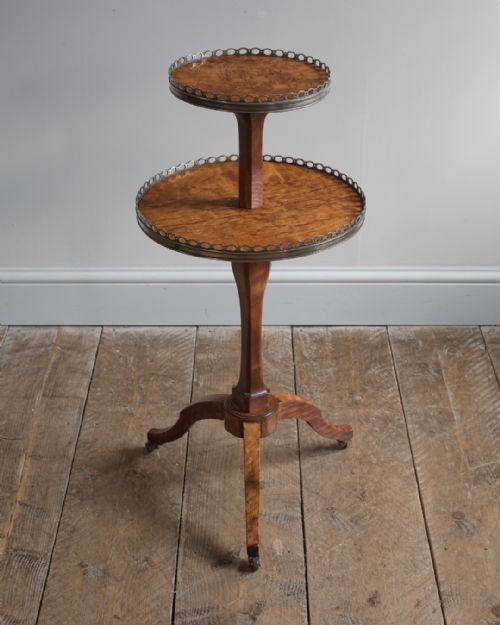
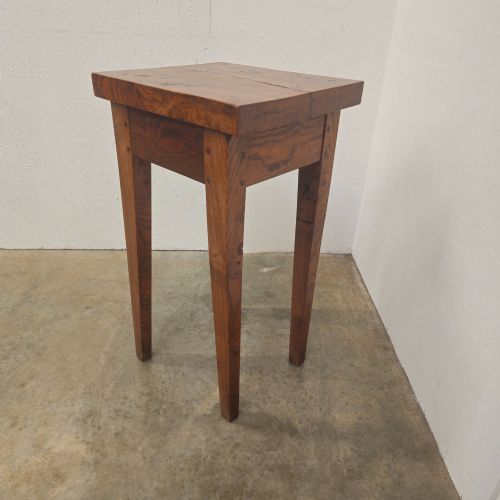
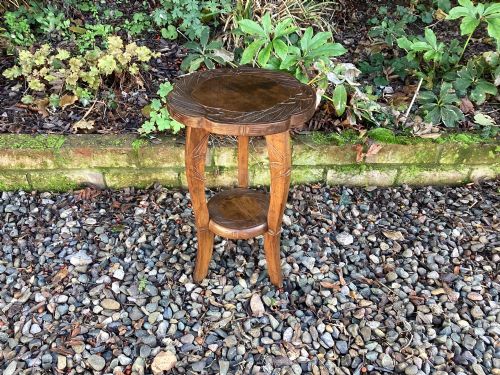
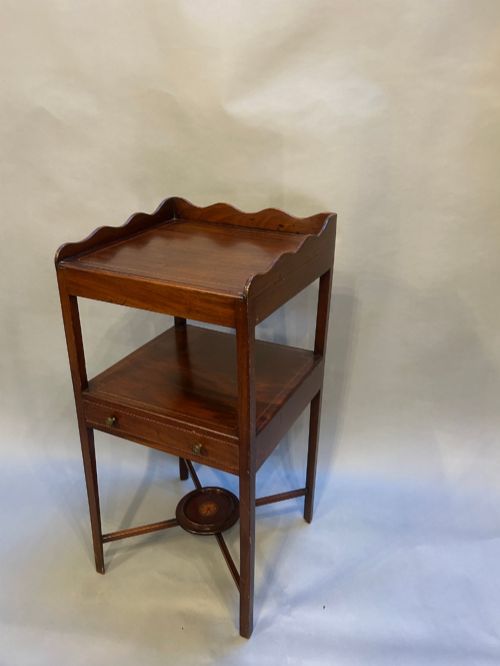
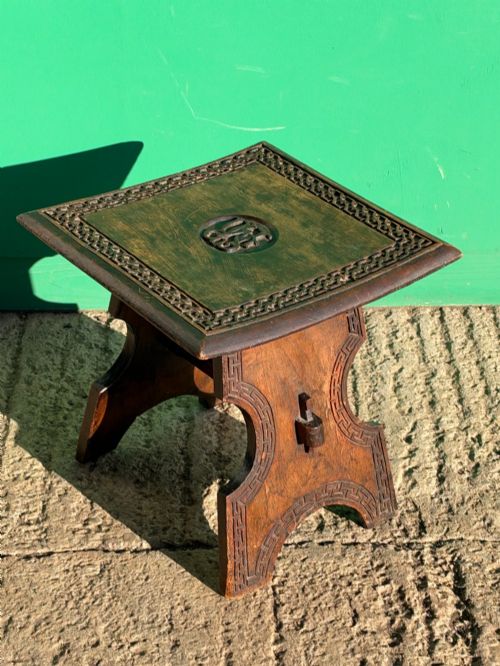
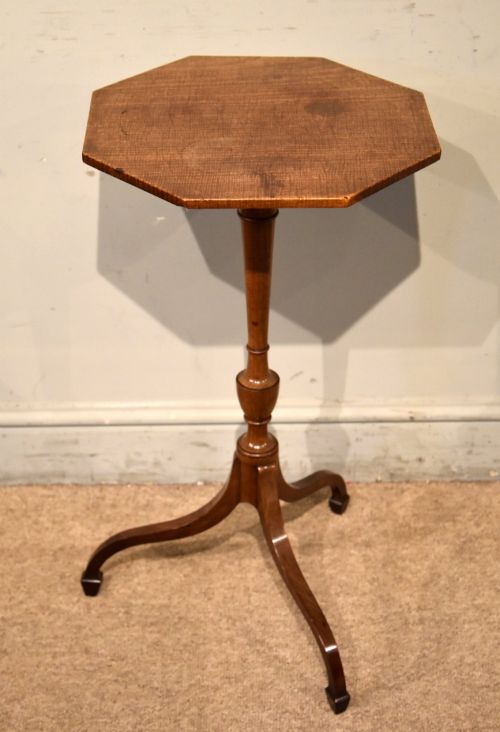
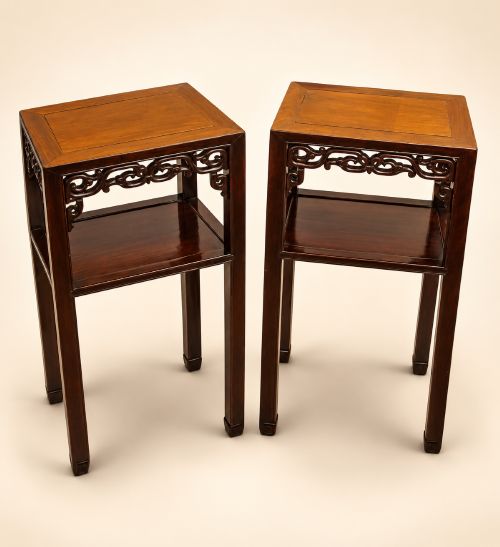
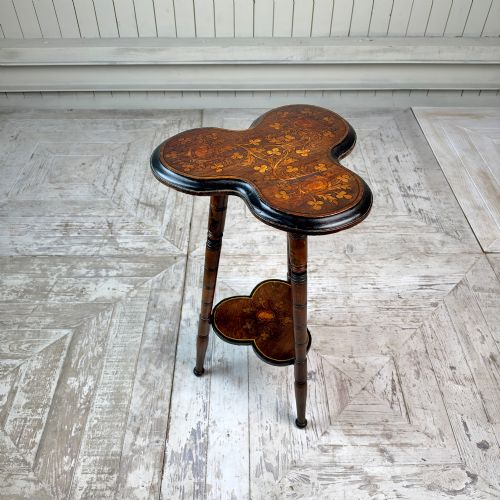
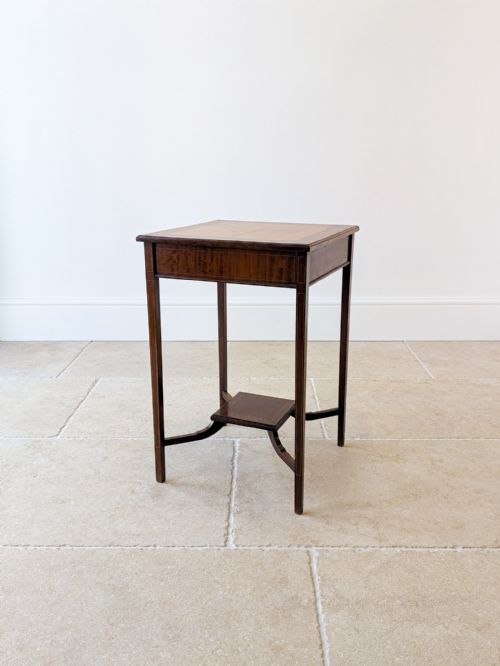
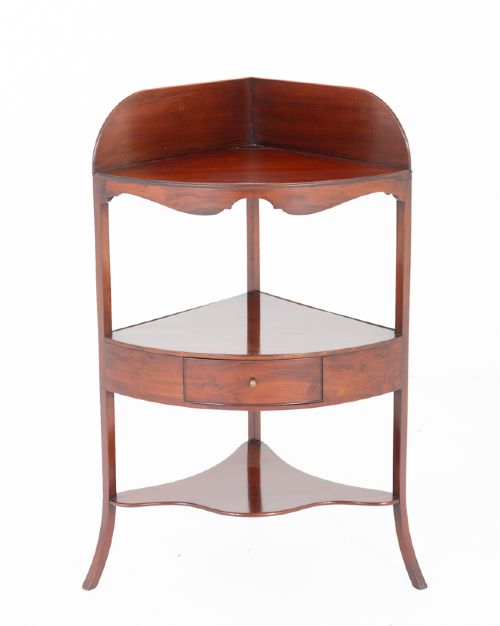
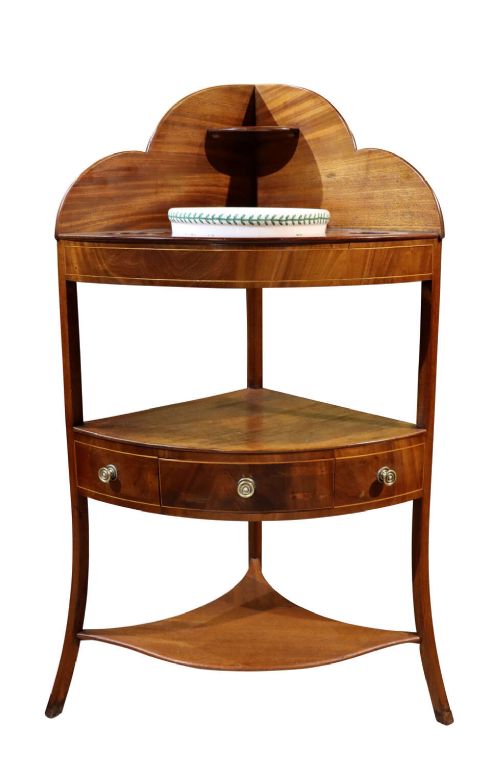
A brown wood plant table provides a compact stage for foliage, drawing on Edwardian and Victorian forms crafted in mahogany, oak, and walnut.
Brown Wood Plant Table
A brown wood plant table brings functional display surfaces into domestic spaces, drawing heavily on Edwardian and Victorian design traditions. These pieces appear alongside related forms such as plant stands, side tables, occasional tables, and torcheres.
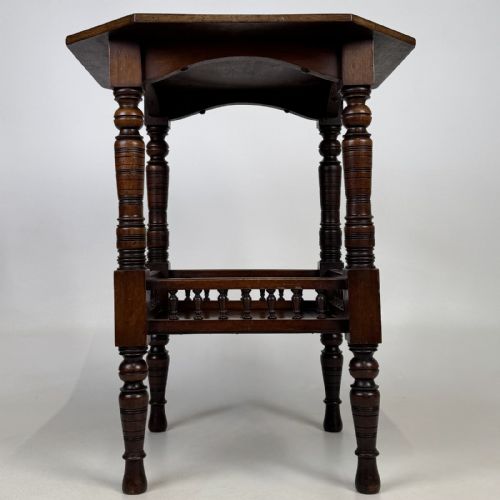
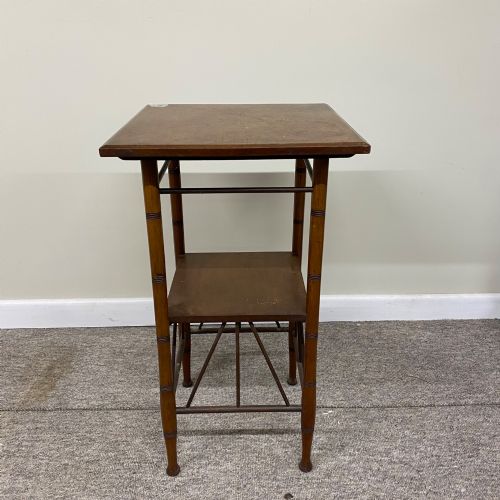
The selections most frequently met on this page date from the late nineteenth century and the Edwardian period, constructed in woods like mahogany, oak, and walnut. Makers utilised these durable timbers to create octagonal, square, and round tops supported by slender legs or lower shelves.
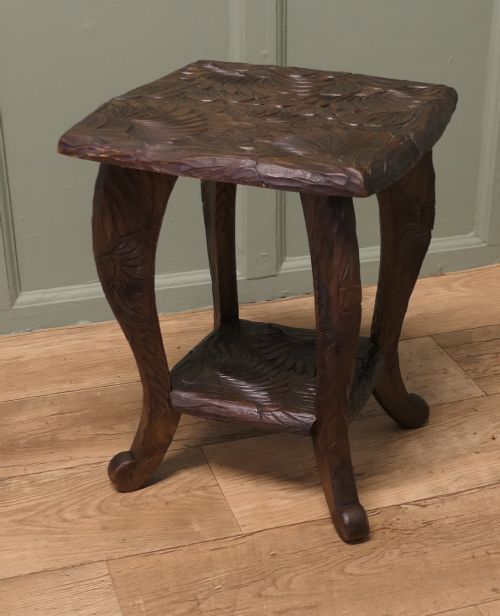
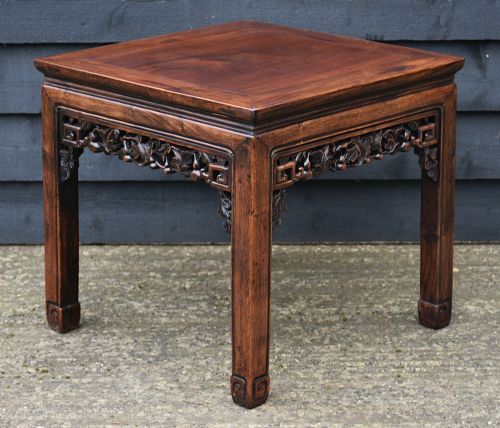
Originating across British, continental, and Asian workshops, these tables often integrate regional motifs, from Anglo-Indian carved rosewood to Chinese hardwood pot stands. Buyers encounter everything from simple rustic elm stools to satinwood inlaid lamp tables.
Materials and Construction
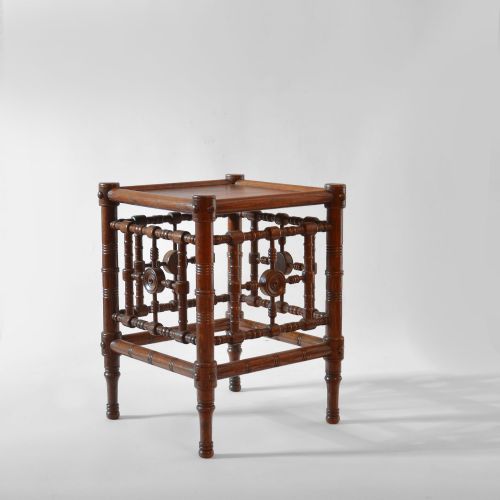
Cabinetmakers built these tables using dense hardwoods such as mahogany, oak, walnut, and teak, frequently applying satinwood inlay or brass galleries for decorative contrast. Structural joinery ranges from sturdy turned legs with barley twist details to hand-carved surfaces executed in elm and rosewood.
Surface ornamentation relies on traditional techniques including marquetry, parquetry, and fine carving, seen in pieces reflecting Arts and Crafts or Chinoiserie aesthetics. Metal elements such as brass appear on galleries and fittings, complementing the polished timber.
Brown Wood Plant Table Retail Price Guide 2026
Typical asking prices for brown wood plant table among the pieces listed under this phrase on Sellingantiques today, from the lower quarter to the upper quarter. They describe what is for sale here now, not the wider market.
Listings feature woods including mahogany, oak, walnut, satinwood, and teak across Edwardian, Victorian, and nineteenth-century periods.
Judging Quality and Execution
The distinction between standard domestic items and finer examples rests on the crispness of the carving, the precision of the timber matching, and the subtlety of any inlay work. Superior pieces display thoughtful grain selection in woods like mahogany and satinwood.
Construction integrity governs the longevity of each piece, distinguishing solid timber joinery from lesser assemblies. The refinement of turned supports, such as barley twists, and the integration of lower shelves reveal the care taken by the original maker.
Liberty & Co·Gabriel Viardot·Trevor Page & Co·Hubert Simpson of Kendal
The Brown Wood Plant Table Glossary
- Plant stand
- A tall, narrow table or pedestal designed specifically to elevate potted plants. These pieces often feature tiered shelves or stable octagonal tops.
- Occasional table
- A small, versatile table intended for light use in various rooms. They appear frequently in Edwardian and Victorian interiors.
- Marquetry
- The art of applying decorative veneer pieces to a structure to form intricate patterns. This technique surfaces on continental and British occasional tables.
- Torchere stand
- A tall ornamental stand originally designed to hold a torch or candle. Later versions serve as elevated platforms for vases and floral displays.
- Barley twist
- A spiral turning technique resembling a twisted rope. This detail is common on the wooden legs of Edwardian and Victorian side tables.
Brown Wood Plant Table: Frequently Asked Questions
How do I care for antique wood surfaces?
Protect antique wood by keeping pieces away from direct heat sources and strong sunlight, which can dry and fade the timber.
Apply natural beeswax periodically to nourish the grain and maintain a soft, protective sheen without using harsh chemical polishes.
Where were these tables typically placed?
These tables found homes in nineteenth and early twentieth-century drawing rooms, hallways, and conservatories where natural light suited indoor plants.
They served as versatile accents beside seating or in corners to utilise vertical space effectively.
Are these tables sturdy enough for heavy pots?
Most antique plant tables are built from solid hardwoods like oak, mahogany, or walnut, providing dependable structural support for moderately weighted ceramics.
Heavier specimens require care to ensure the joints and slender legs remain stable under concentrated loads.