


Brown Wood Columns
Brown wood columns bring architectural gravitas into domestic interiors, supporting displays from tall pedestals to mirrors framed in rich mahogany and walnut.
Brown Wood Columns
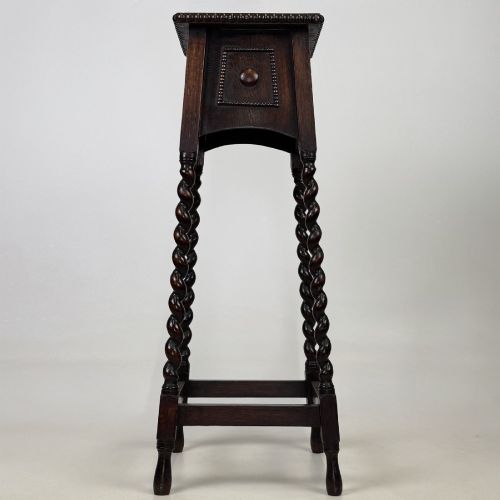
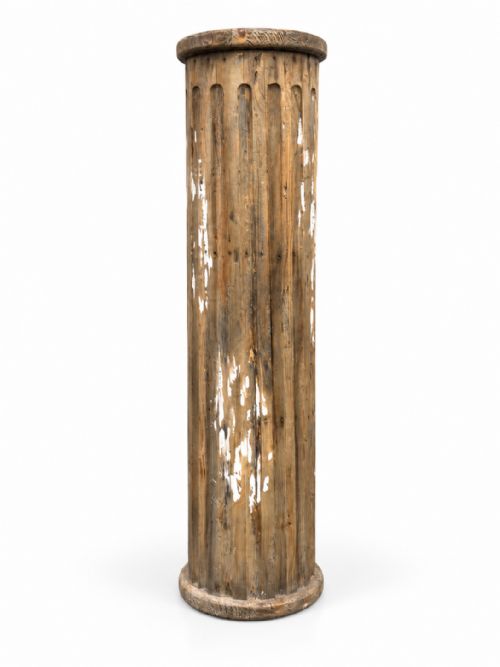
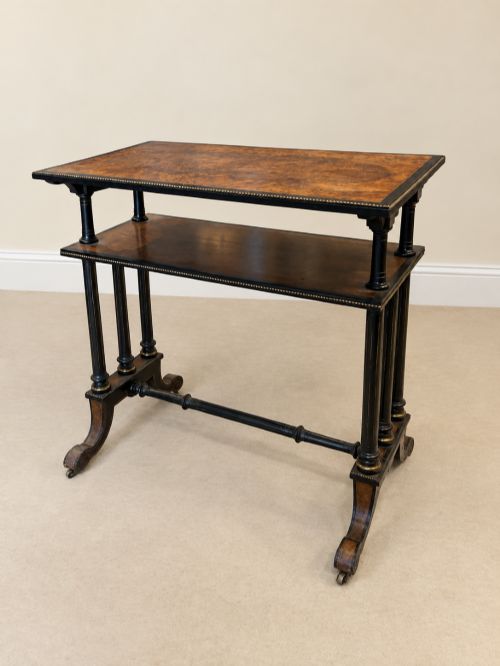
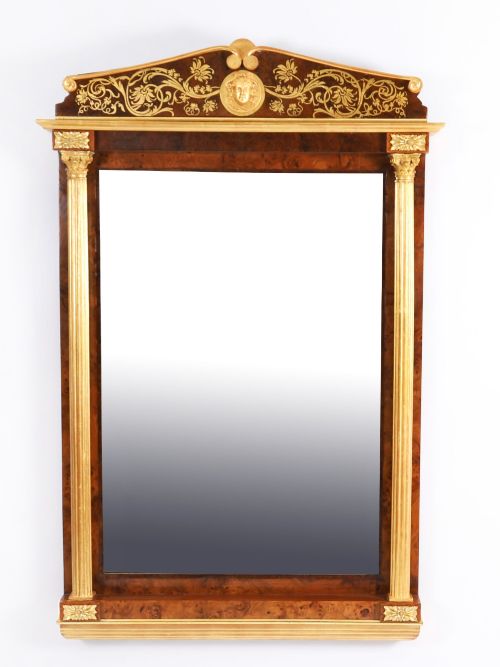
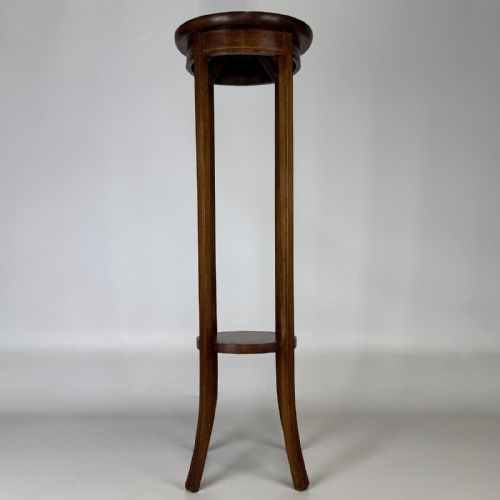
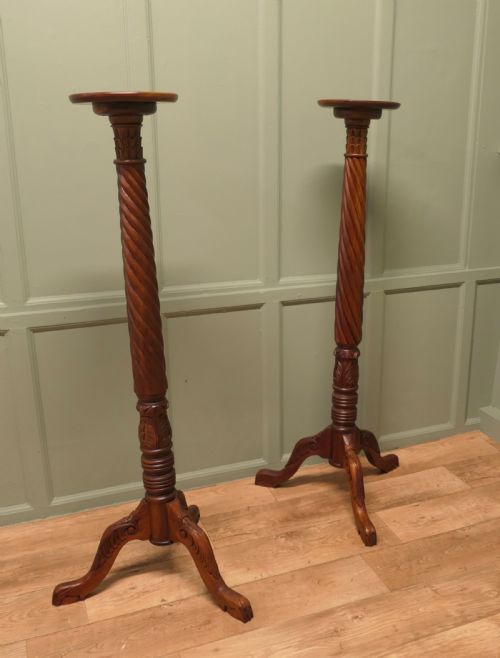
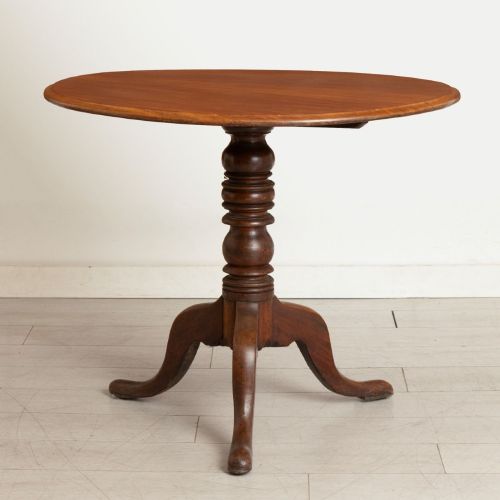
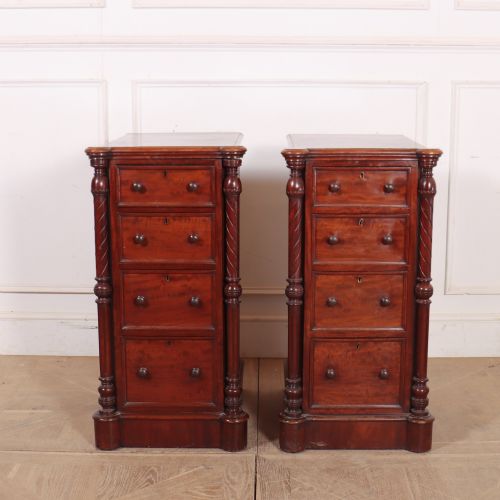
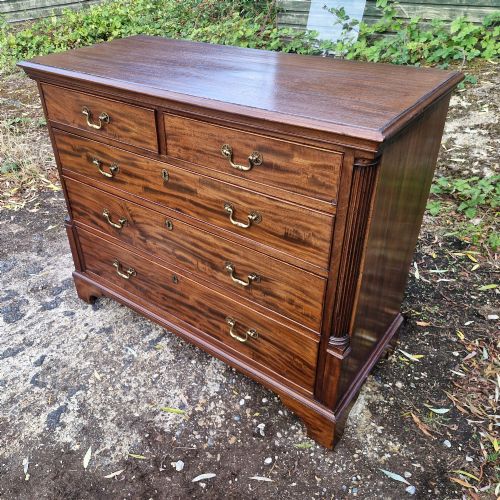
When you search for brown wood columns, you encounter a varied selection of architectural supports, plant stands, torcheres, and framed mirrors dating from the Georgian, Victorian, and Edwardian eras. The most frequent iteration on this page is the freestanding pedestal or torchere designed to elevate plants, busts, or lamps within a room.
These pieces draw on diverse stylistic influences ranging from Regency and William IV to French and Italian Renaissance Revivals. Makers utilised dense timbers to give structural presence to items that served both decorative and utilitarian functions in period homes.
Materials and Construction
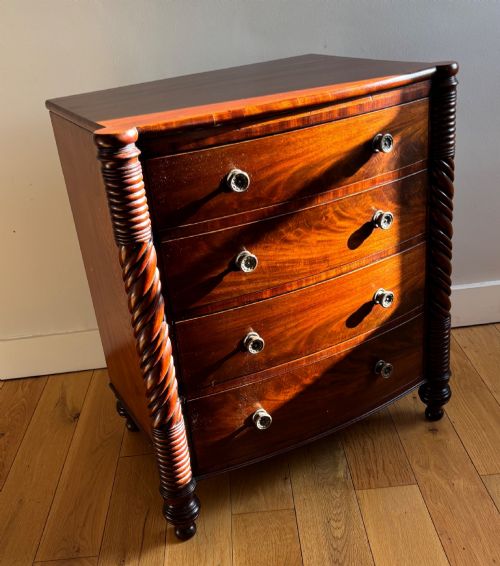
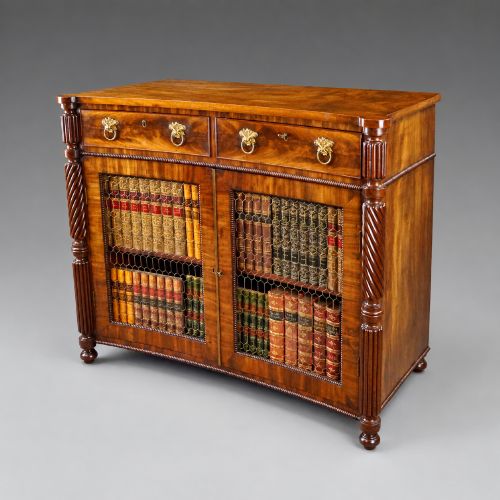
Cabinet makers and turners relied heavily on rich hardwoods such as mahogany, walnut, oak, and rosewood, often accentuating the grain with burr veneers or contrasting inlay work in lemon wood. Structural stability required sound joinery, sometimes aided by brass mounts, ormolu, or parcel gilding to highlight carved capitals and fluted shafts.
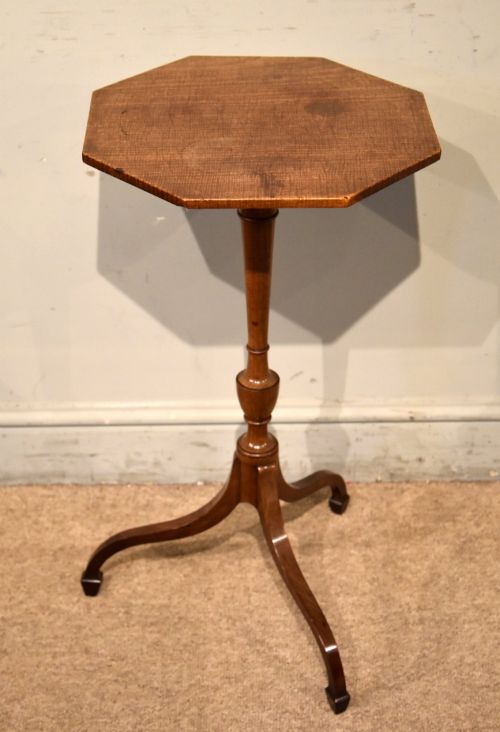
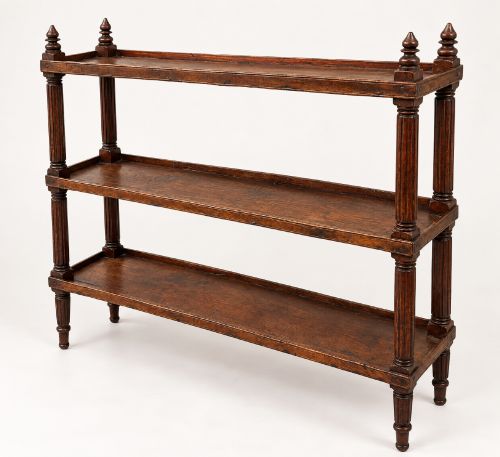
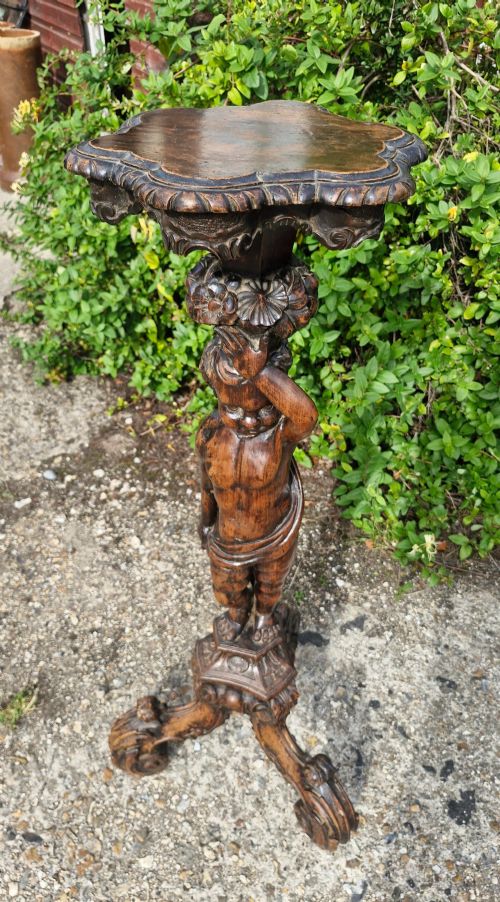
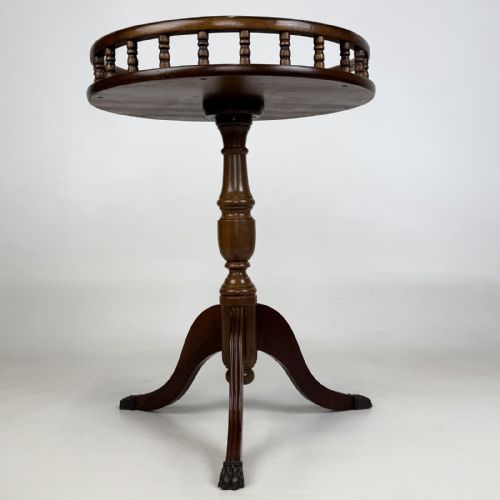
Turning lathes shaped the cylindrical columns and tripod bases, while carvers added intricate details like acanthus leaves or classical motifs to capitals and bases. Surfaces were finished to bring out the natural warmth and depth of the timber.
Brown Wood Columns Retail Price Guide 2026
Typical asking prices for brown wood columns among the pieces listed under this phrase on Sellingantiques today, from the lower quarter to the upper quarter. They describe what is for sale here now, not the wider market.
Some nineteenth-century makers doubled their column stands as church lecterns, proving piety and posture can share the same turned timber.
Distinguishing Quality
The upper tier of these items reveals itself in the crispness of the hand-carving and the deliberate choice of figured veneers like burr walnut or burr elm. Superior examples maintain strict architectural proportions and balance, whereas lesser pieces display heavier, less refined turning and generic timber selection.
Makers who invested time in secondary details, such as inlaid banding or integrated brass and ormolu embellishments, elevated simple display stands into sculptural works of interior architecture.
The Brown Wood Columns Glossary
- Torchere
- A tall, slender stand designed to support a lamp or candle, frequently featuring a columnar shaft and a tripod base.
- Pedestal
- An architectural support or column used to elevate a bust, vase, or plant stand above floor level.
- Burr walnut
- A highly prized timber cut from the wart-like growths on walnut trees, yielding intricate, swirling grain patterns.
- Ormolu
- Gilt bronze ornamentation applied to furniture and clocks, popular in Regency and revival pieces.
- Pier mirror
- A tall wall mirror designed specifically to hang on the narrow pier of wall between windows, often incorporating columnar frames.
Brown Wood Columns: Frequently Asked Questions
What is a torchere used for?
A torchere serves as an elevated display surface for lighting, sculptures, or floral arrangements.
In period rooms, these tall stands brought light sources higher into the space to illuminate dark corners.
How do I style a wooden column stand?
These stands suit corners or empty wall spaces where vertical interest is needed.
Place a heavy ceramic bowl, a bronze bust, or a trailing plant on top to let the turned timber base anchor the display.
How do I distinguish Victorian from Georgian pieces?
Georgian items tend to display restrained classical proportions and quieter mahogany grains.
Victorian pieces often embrace heavier carving, revival styles, and more exuberant use of burr veneers or exotic secondary woods.
Are these columns structural?
The columns seen here function as decorative stands, plant supports, or mirror frames rather than load-bearing architectural pillars.
Their construction is designed for freestanding interior display rather than supporting a ceiling.