

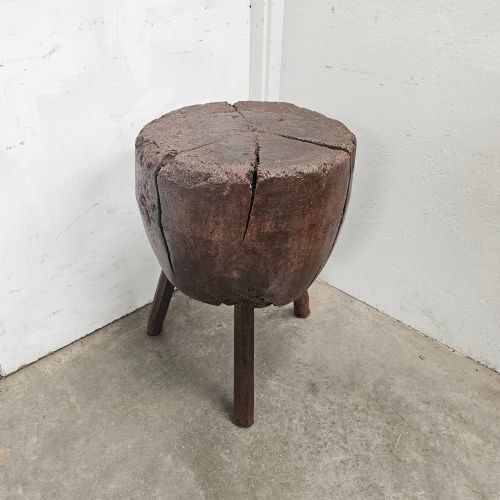


Brown Wood Block
Brown wood block items are utilitarian and decorative wooden objects spanning centuries, offering practical utility and period character for your interior.
Brown Wood Block
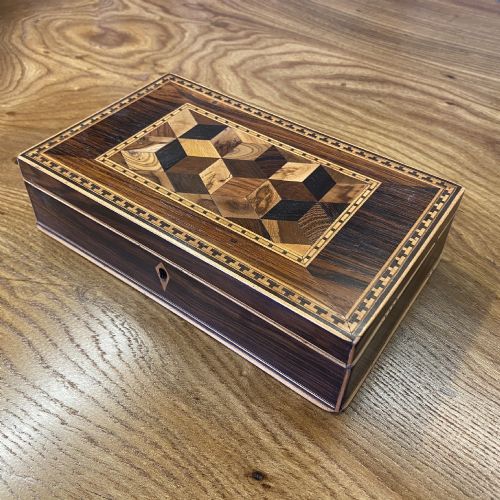
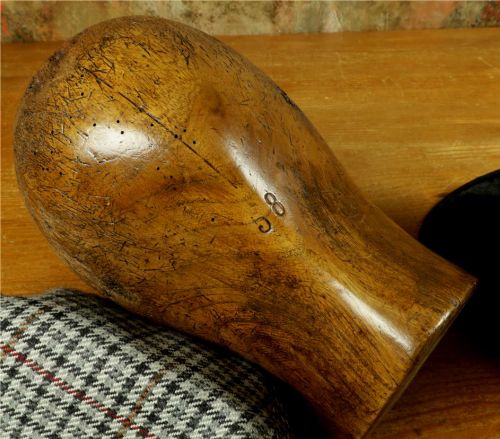
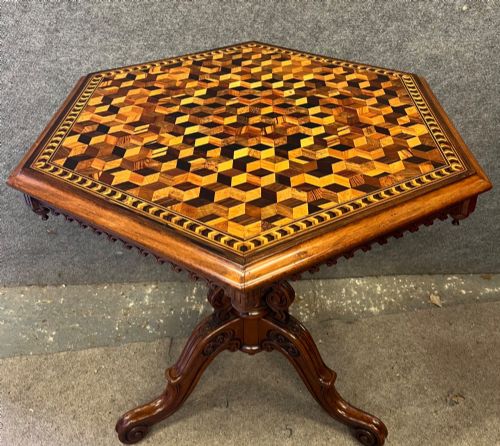
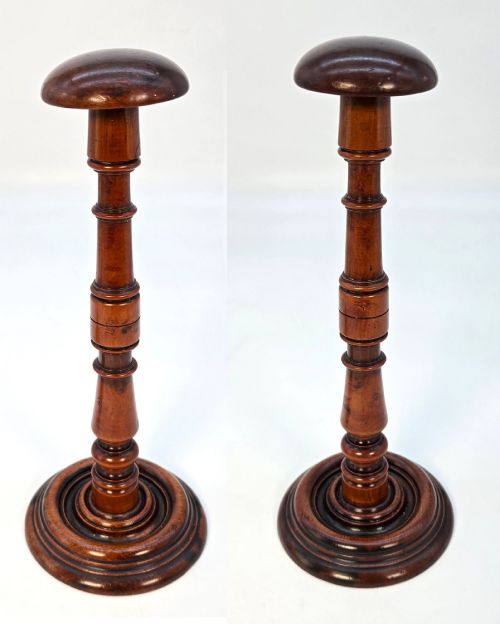
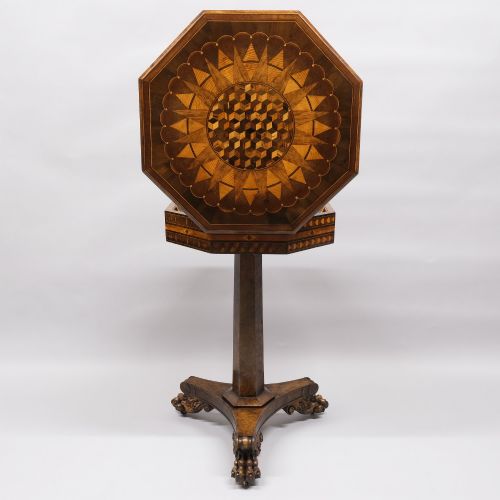
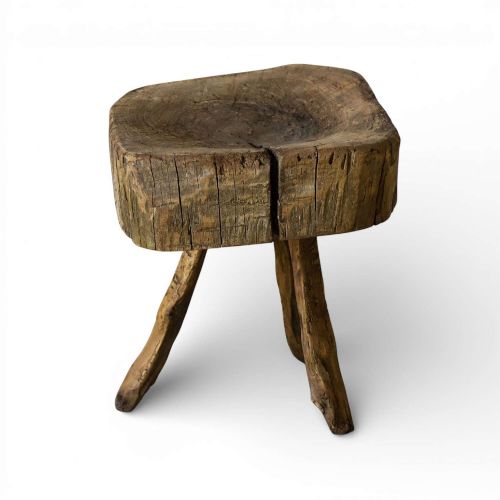
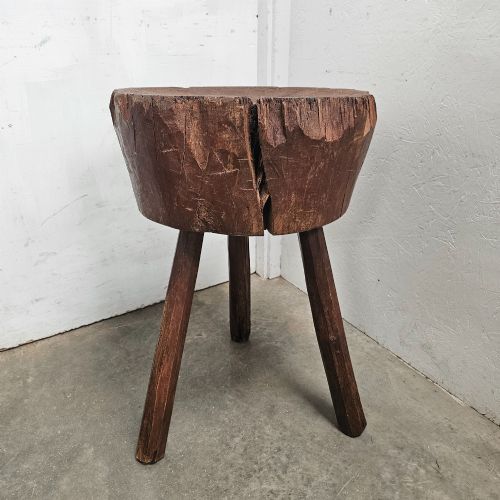
When you search for brown wood block, you encounter a diverse group of objects ranging from functional butcher and game blocks to millinery hat blocks, wig stands, and occasional tables. These items reflect both rural vernacular traditions and domestic utility across the eighteenth, nineteenth, and early twentieth centuries.
You are most likely to meet French and English examples fashioned from native hardwoods such as elm, beech, and oak, often shaped for specific trades like butchery, hat making, or textile printing. Alongside these utilitarian forms, the selection includes occasional tables, desks, and games boxes that showcase finer cabinetmaking and parquetry work.
The assortment bridges heavy workshop pieces designed for endurance and domestic accessories intended for display or daily use. Whether examining a tree trunk chopping block or a parquetry inlaid games box, each item demonstrates the historical versatility of working with timber.
Materials and construction methods
Makers utilised dense timbers such as mahogany, oak, walnut, beech, elm, and yew wood to ensure durability in items subjected to heavy use or fine decorative work. Workshop pieces relied on solid timber construction, utilising thick sections of tree trunk or robust jointing to withstand the demands of butchers, milliners, and game preparers.
Cabinetmakers applied parquetry and marquetry inlay techniques to surfaces using contrasting wood veneers, creating geometric patterns on occasional tables and games boxes. Brass mounts and hardware were occasionally integrated into functional items and desk accessories to add structural support and operational utility.
Brown Wood Block Retail Price Guide 2026
Typical asking prices for brown wood block among the pieces listed under this phrase on Sellingantiques today, from the lower quarter to the upper quarter. They describe what is for sale here now, not the wider market.
Listings feature items spanning the eighteenth, nineteenth, and early twentieth centuries, encompassing Victorian, Regency, and Edwardian eras.
Assessing craftsmanship and condition
The distinction between standard utility items and finer pieces lies in the selection of timber and the precision of the joinery. Superior examples display carefully chosen grain patterns, such as Jamaican specimen wood or figured walnut, alongside deliberate parquetry work executed by skilled hands.
Utilitarian items derive their appeal from authentic patina, original gnarled legs, and clear signs of historical use that demonstrate their working origins. Conversely, decorative items rely on intact marquetry, well-preserved surfaces, and balanced proportions to maintain their integrity.
Ralph Turnbull
The Brown Wood Block Glossary
- Parquetry
- A geometric mosaic of wood pieces used for decorative floors and tabletops. It is created by fitting small veneer blocks together to form patterns such as cubes or stripes.
- Marquetry
- The art and craft of applying pieces of veneer to a structure to form decorative designs and pictures. Artisans use various coloured woods to achieve pictorial depth.
- Vernacular rural style
- Architecture or object design created by local craftsmen using local materials to meet specific everyday needs. These pieces lack academic architectural pretension.
- Millinery head
- A shaped form used by hat makers and milliners to construct, shape, or store hats. They are typically carved from solid wood to mimic human head contours.
- Specimen wood
- Furniture or decorative objects constructed from a collection of different exotic or native timber samples. Each section displays its distinct natural colour and grain.
Brown Wood Block: Frequently Asked Questions
What is a French game block?
A French game block is a heavy timber section, typically fashioned from beech or oak, used historically in European kitchens for preparing game and meats.
These solid wooden blocks show deep surface wear from constant chopping and feature sturdy legs or substantial bases designed to absorb heavy blows.
What distinguishes parquetry from marquetry?
Parquetry involves arranging geometric wood veneers to create repeating patterns such as cubes or diagonals on surfaces like tabletops and games boxes.
Marquetry employs similar veneer techniques but forms complex pictorial scenes, floral motifs, or scrolls using varied timber tones and grains.
How do I date an antique wooden block?
Dating relies on examining tool marks, timber species, construction techniques, and any accompanying maker signatures or trade stamps found on the piece.
Earlier eighteenth-century pieces often display hand-hewn surfaces and pegged joinery, while late nineteenth and early twentieth-century examples show machine-sawn elements and standardised hardware.