







Brown Wood African Sculpture
These brown wood african sculpture pieces bring striking tribal masks, figures and ceremonial objects into a modern room.
Brown Wood African Sculpture
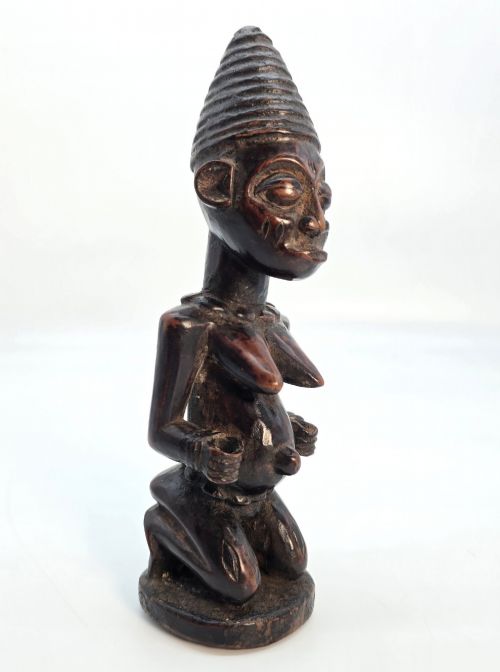
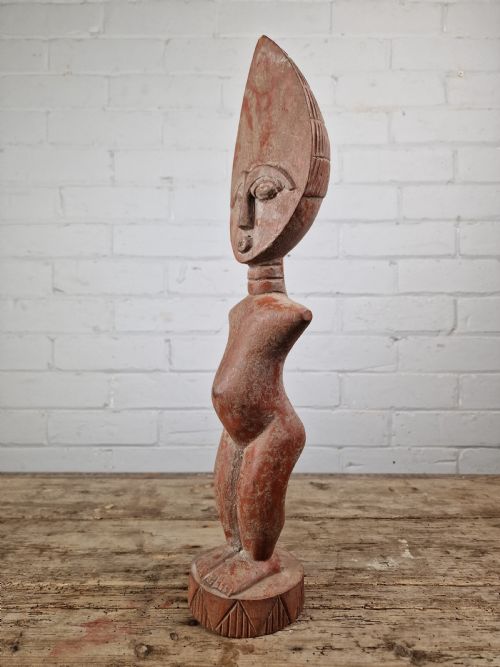
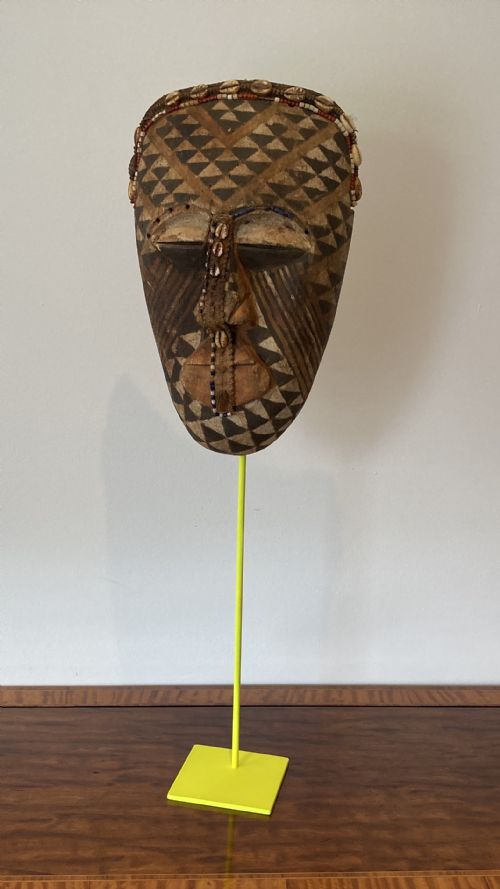
When you search for brown wood african sculpture, you encounter a diverse range of hand-carved objects spanning from the nineteenth century through the mid-twentieth century. The selection includes ceremonial staff finials, fertility figures, tribal masks and figurative headrests originating from various regions across the continent.
You are most likely to meet figures and masks attributed to specific groups such as the Dogon, Baule, Fante and Yoruba peoples. These works showcase traditional forms, ranging from solitary warriors and marriage panels to dance masks and articulated figures.
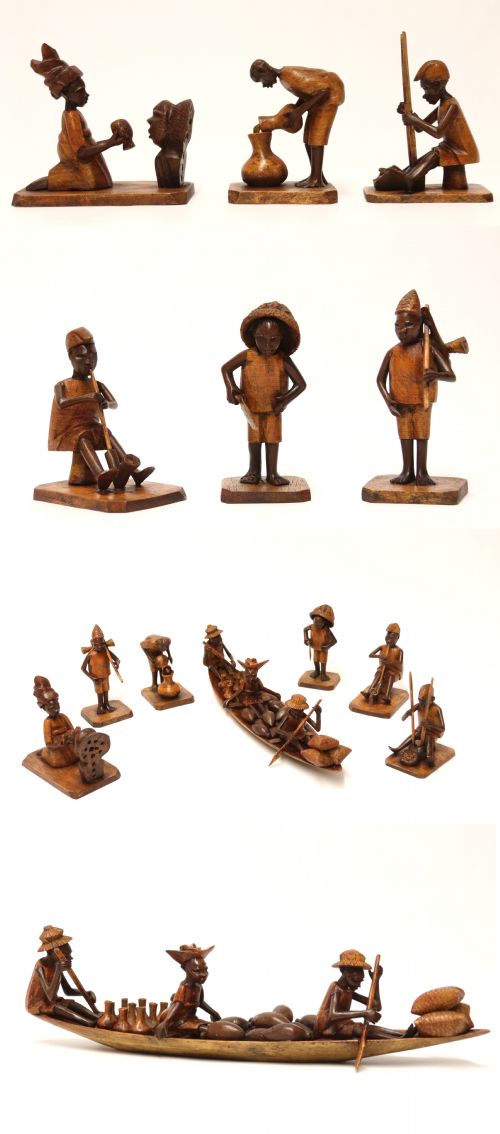
Beyond traditional standalone sculptures, the category extends to functional and decorative items carved from dense timber, including ceremonial beds, tables, headrests and architectural panels. Each piece reflects the distinct aesthetic traditions and cultural heritage of its maker and region of origin.
Materials and construction methods
Carvers utilised native hardwoods and dense woods to fashion these sculptures, applying hand-carving techniques directly to the raw timber. The natural material grain underpins the structural integrity of each piece, whether shaped into a delicate staff finial or a substantial tribal mask.
Brown Wood African Sculpture Retail Price Guide 2026
Typical asking prices for brown wood african sculpture among the pieces listed under this phrase on Sellingantiques today, from the lower quarter to the upper quarter. They describe what is for sale here now, not the wider market.
Listings feature hard woods, carved hardwoods, pigments, natural fibre and kaolin pigment across nineteenth-century and early twentieth-century periods.
Assessing quality and craftsmanship
Quality in these sculptures rests upon the precision of the hand-carving and the expressiveness of the form. Master carvers achieved balanced proportions and deep relief work that give figures and masks a distinct presence, whereas lesser examples remain stiff and repetitive in execution.
The depth and integrity of the surface patina also define the standing of a piece. Original tool marks, well-handled surfaces and intact pigment traces indicate age and authenticity, distinguishing exceptional tribal art from later commercial productions.
The Brown Wood African Sculpture Glossary
- Hardwood
- Dense timber derived from broad-leaved trees, forming the primary material for the majority of these carved figures and masks. This robust medium allowed carvers to achieve fine detail and lasting structural stability.
- Patina
- The surface sheen and coloration developed through handling, age and exposure to elements over decades or centuries. A genuine patina adds depth to the wood grain and confirms the historical character of the object.
- Tribal Mask
- A carved wooden face covering or helmet worn during ceremonies, dances and rituals. These objects combine sculptural expression with cultural symbolism specific to their originating people.
- Finial
- A decorative carving mounted at the top of a staff, scepter or ritual object. These small-scale sculptures display meticulous detail within a restricted vertical format.
Brown Wood African Sculpture: Frequently Asked Questions
How do I care for carved wooden tribal sculptures?
Keep wooden sculptures away from direct sunlight and sudden temperature shifts to prevent the timber from drying out or splitting. Dust them gently with a dry, soft cloth without applying modern polishes or oils.
Maintaining a stable indoor climate helps preserve the natural wood grain and any delicate pigment or fibre elements remaining on the surface.
Are these sculptures signed by the carvers?
Traditional african sculptures of the nineteenth and early twentieth centuries are rarely signed with individual names. Maker attribution relies instead on distinct regional styles, recurring motifs and carving techniques associated with specific groups.
Experts identify origins by examining the specific handling of form, eye shape and surface finishing characteristic of distinct tribal traditions.
What is the difference between masks and figures?
Masks were carved to be worn or displayed during ceremonial dances and rituals, featuring openings or attachment points for textiles and natural fibres. Figures served as fertility objects, ancestral representations or protective talismans.
Both forms utilise the same dense hardwoods but fulfill entirely different functions within their originating communities.