
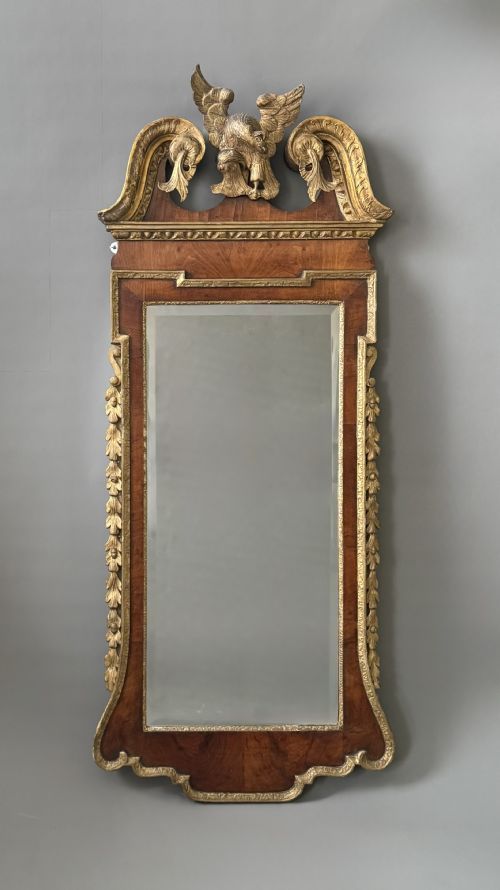
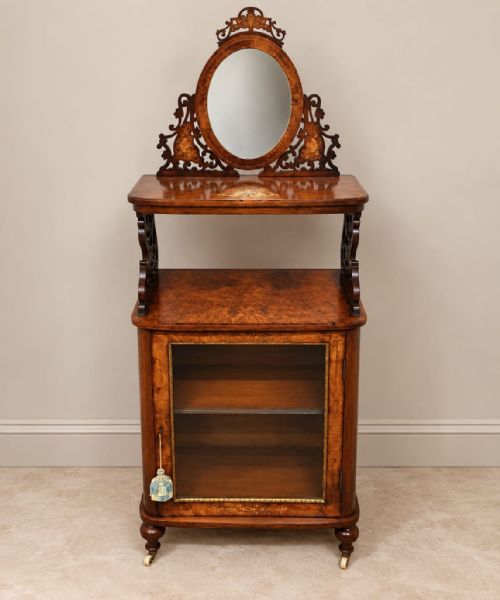
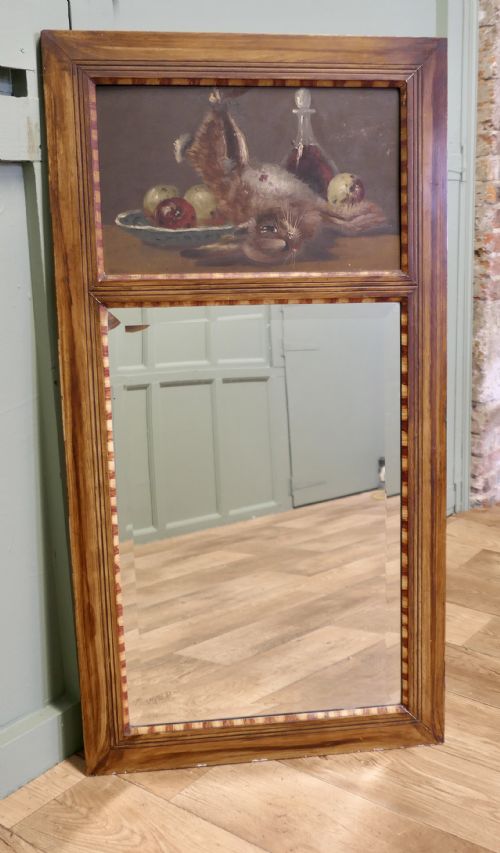
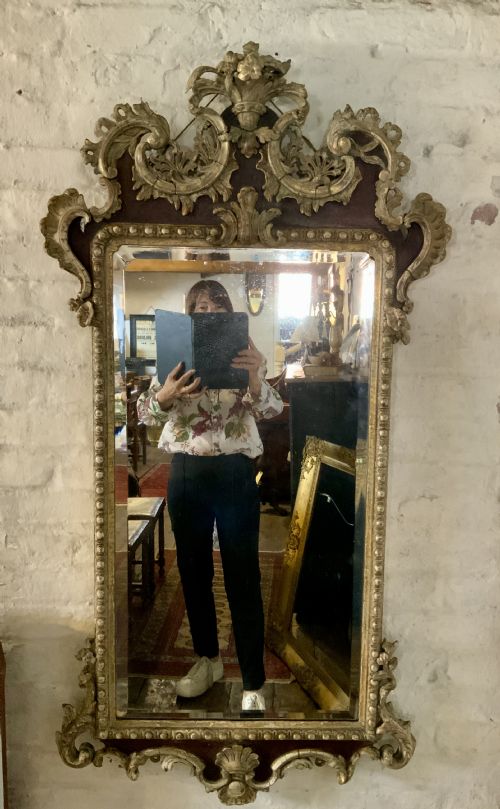
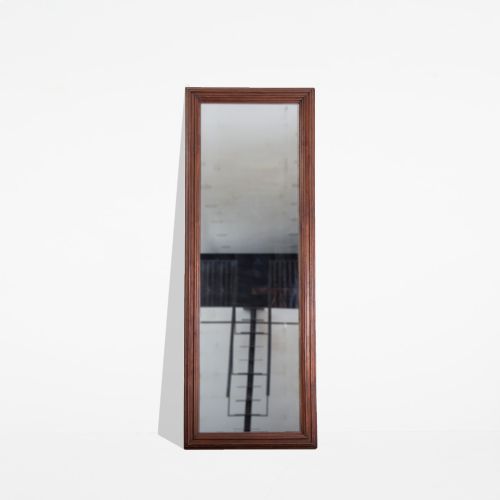
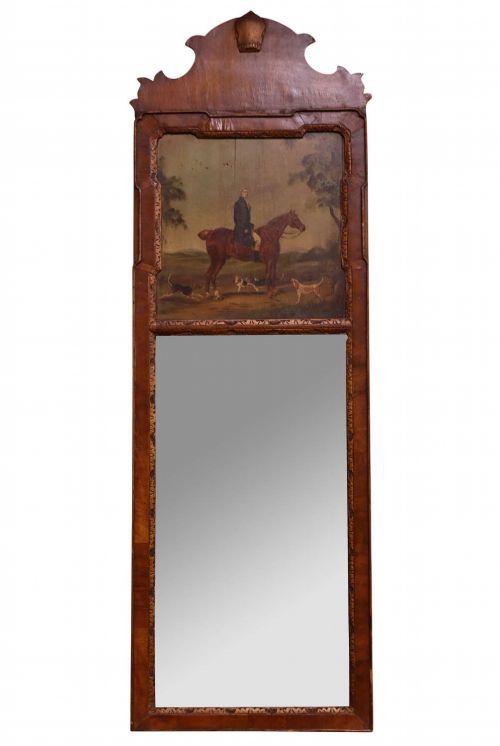


Brown Walnut Pier Mirror
A brown walnut pier mirror brings warmth and depth to a room, reflecting light while showing the rich grain of the timber.
Brown Walnut Pier Mirror
A brown walnut pier mirror is typically designed to hang in the narrow wall space between windows, often pairing with console tables or side cabinets.
The selections span from the early eighteenth century through the Victorian era and into later revival styles, capturing centuries of woodworking tradition.
Most examples utilise walnut or burr walnut frames, frequently accented with parcel gilding, brass details, or integrated oil paintings and glass plates.
How they were made
Craftsmen utilised solid walnut and highly figured burr walnut veneers laid over secondary timbers to create rich, patterned frame surfaces.
Many examples incorporate carved giltwood elements, parcel gilding, and fretwork details alongside traditional mirror glass plates.
Listings feature walnut, burr walnut, giltwood, and brass across periods from the eighteenth century to the twentieth century.
What varies in quality
The depth of the grain figure and the crispness of the fretwork carving or parcel gilding separate standard examples from finer pieces.
The retention of original glass plates and hand-painted panels significantly influences the character and standing of an antique mirror.
The Brown Walnut Pier Mirror Glossary
- Pier mirror
- A tall glass designed specifically for the wall space between windows. These fixtures often stood above matching console tables.
- Parcel gilt
- Partially gilded with gold leaf. This technique highlights specific carved details on a walnut frame.
- Burr walnut
- A prized timber cut from walnut tree growths. It yields intricate, swirling grain patterns across veneered surfaces.
- Fretwork
- Ornamental design cut through wood using a scroll saw. It appears frequently on eighteenth-century wall mirrors.
- Vauxhall mirror
- An early type of mirror plate featuring bevelled edges. These plates often display subtle imperfections from historic manufacturing methods.
Brown Walnut Pier Mirror: Frequently Asked Questions
Where should I hang a pier mirror?
These pieces suit narrow wall spaces, particularly between tall windows or above console tables.
They reflect natural light effectively and add architectural presence to reception rooms.
How do I date a walnut mirror?
Examine the construction methods, timber choice, and frame style for clues.
Evolving aesthetics from Queen Anne curves to George II gilding and Victorian revivals help determine the period.
What is burr walnut?
Burr walnut is a specialised wood cut from the knotty growths of the tree.
It produces dense, swirling patterns that decorators use as veneer on prominent frame surfaces.
Did these mirrors come with tables?
Many pier mirrors paired directly with matching console tables or side cabinets.
Some survivors remain as unified sets, while others function independently on the wall.