

Brown Walnut Center Table
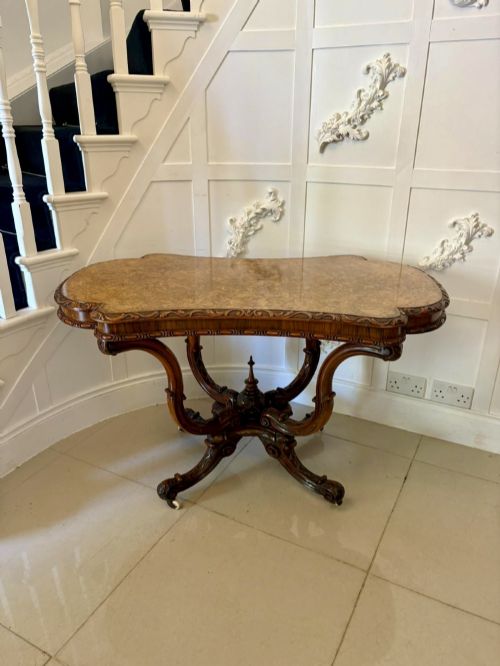
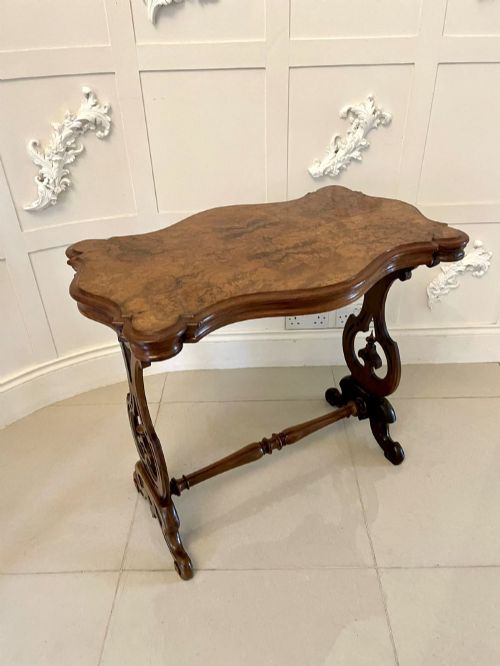
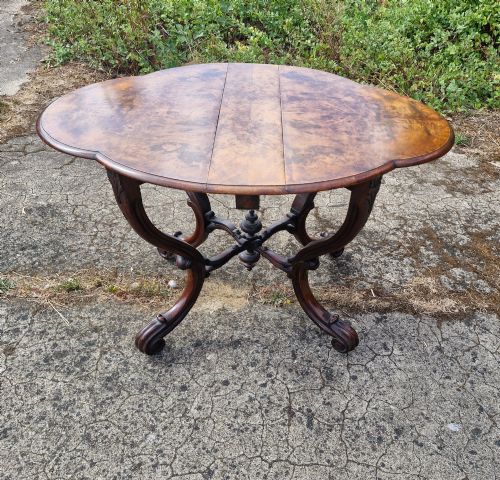
These brown walnut centre tables bring rich timber tones and sculptural nineteenth-century forms straight to the middle of a room.
Brown Walnut Center Table
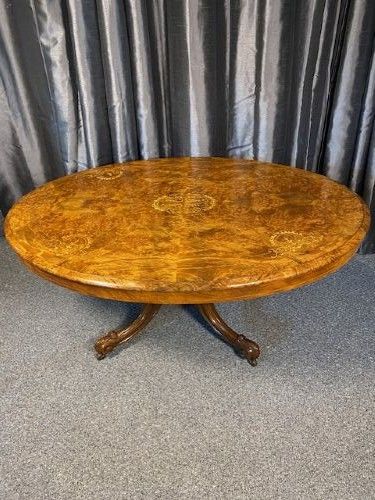
A brown walnut centre table sits freely in a room rather than against a wall, designed to be viewed from all sides. When searching for a brown walnut centre table, buyers encounter a strong representation of Victorian pieces alongside eighteenth-century examples and later twentieth-century interpretations.
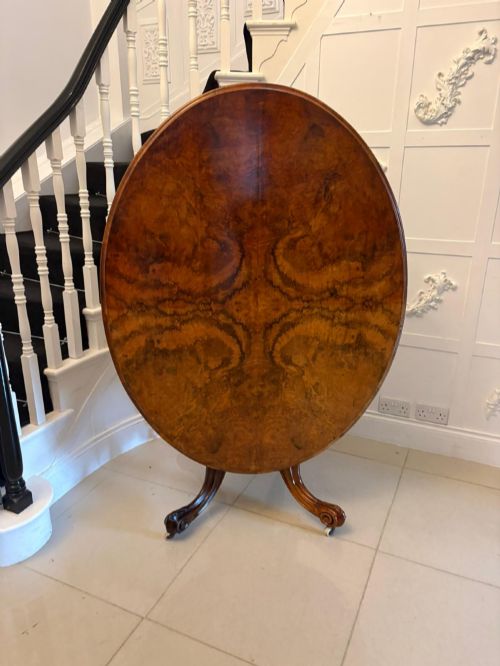
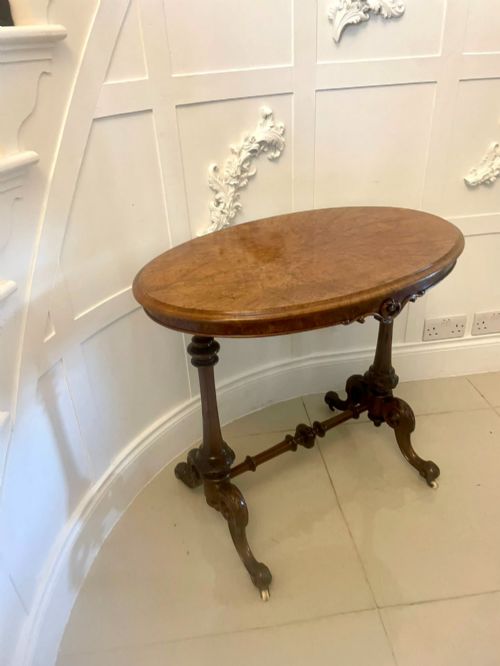
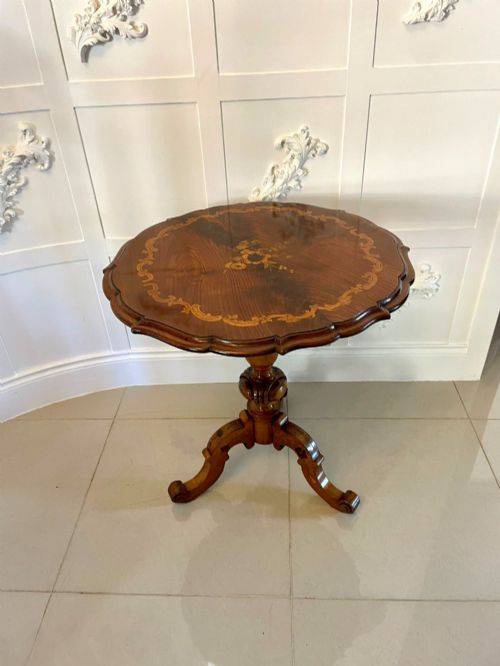
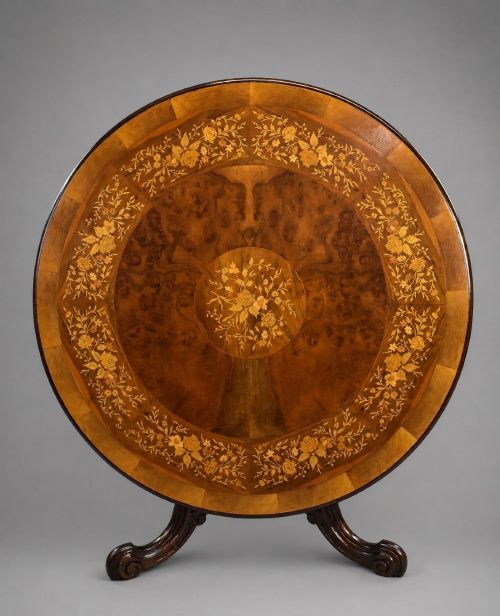
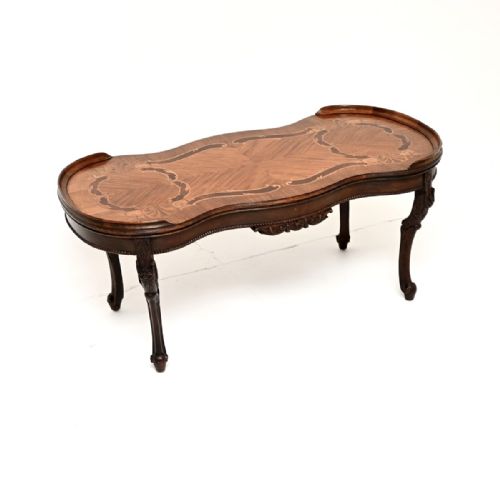
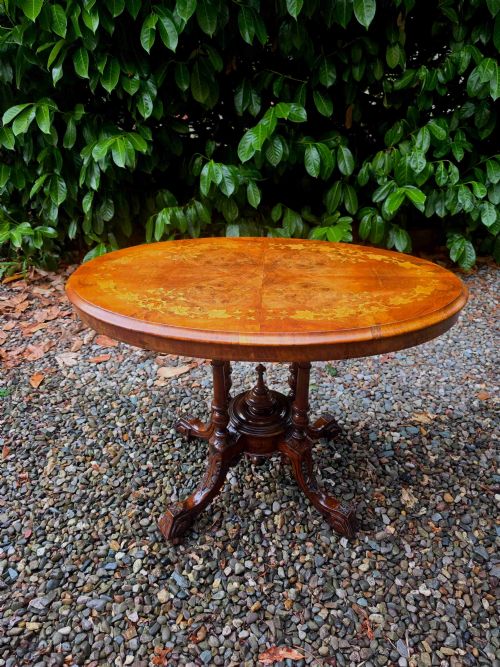
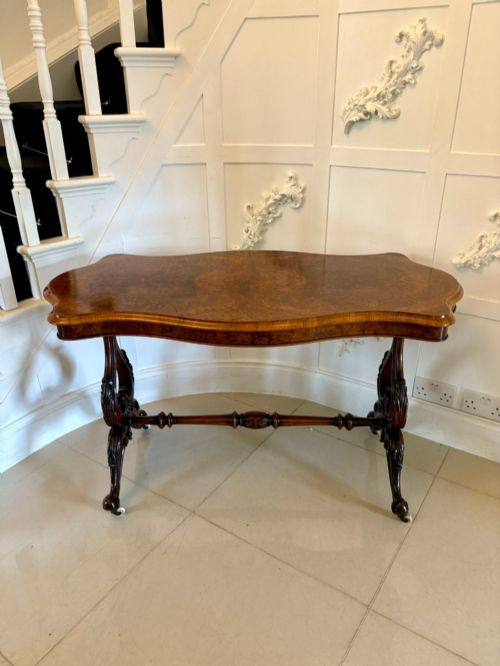
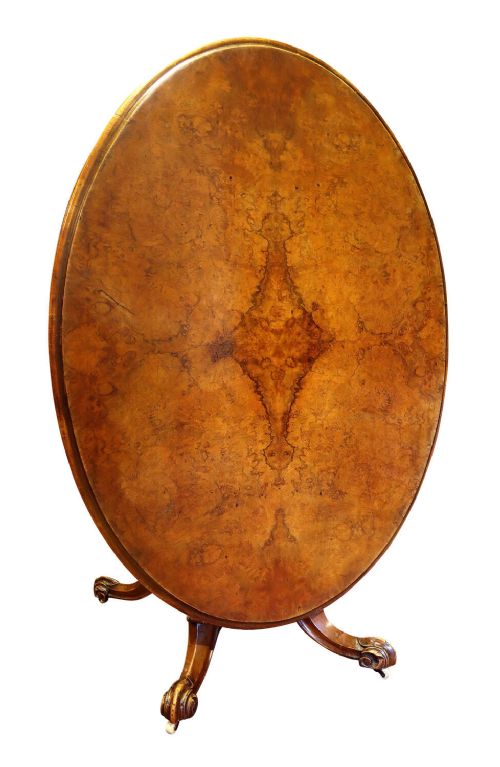
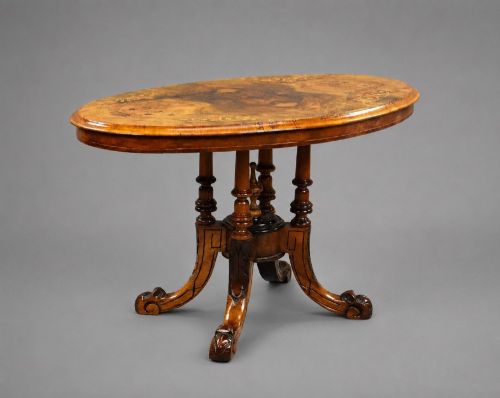
The inventory spans diverse formats, from oval loo tables and tilt-top breakfast tables to octagonal lamp tables and coffee tables. Victorian examples frequently utilise burr walnut timber to create striking grain patterns across the top surface.
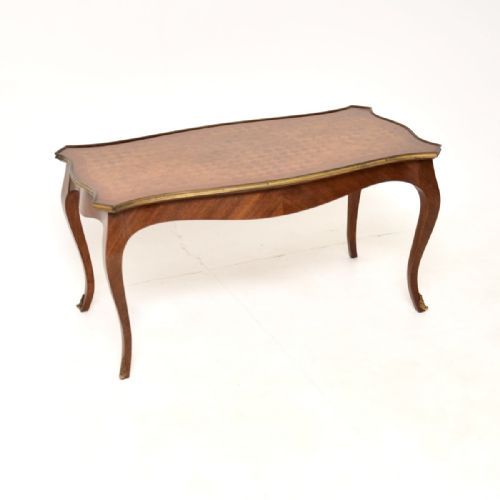
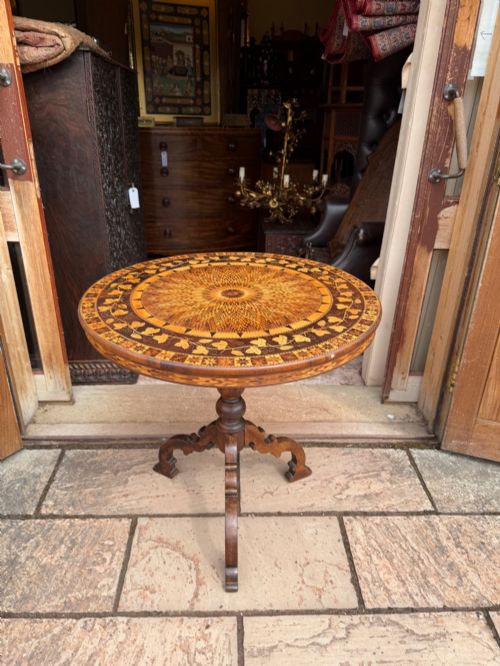
Makers such as Holland and Sons and Holmes Baldock appear among the nineteenth-century pieces, marking work of substantial cabinet-making ambition. Alongside these English items, French Louis XV style and Italian Sorrento pieces introduce marquetry and parquetry variations.
Materials and Construction
Makers built these tables using solid walnut and applied walnut veneers, selecting burr timber for its swirling figured grain. Boxwood and brass inlay often decorate the tops and borders, contrasting sharply with the dark brown body of the wood.
Carved wooden details define the structural supports, which range from quadrapod bases and tripod pedestals to scissor action frames. Many Victorian pieces incorporate tilt mechanisms or multi-tiered structures requiring precise joinery and hardware.
Several tables feature built-in chess boards, ready for an impromptu match of wits across the centuries.
Distinctions in Execution
Quality reveals itself in the choice of timber veneer, where dense burr walnut and balanced marquetry panels command greater attention than plain surfaces. The crispness of hand-carving on bases and pedestal mounts separates standard production from ambitious workshop output.
Stability and proportion dictate practical merit, particularly in tables with tilt-top actions or multi-tiered shelves that require rigid alignment. Maker attribution to established firms like Holland and Sons signals higher standards of interior construction and timber selection.
Holland and Sons·Holmes Baldock
The Brown Walnut Center Table Glossary
- Burr Walnut
- A timber harvested from walnut tree growths, prized for its complex, swirling grain patterns. It forms the decorative top surfaces on many Victorian tables.
- Tilt Top
- A hinged table mechanism allowing the surface to tip vertically for storage. This feature is common on nineteenth-century breakfast and loo tables.
- Marquetry
- The art of applying pieces of veneer to a structure to form decorative patterns or pictures. It appears frequently on French and Victorian table surfaces.
- Quadrapod Base
- A four-legged pedestal support system typical of larger Victorian tables. It distributes weight outwards for stability beneath a heavy oval top.
Brown Walnut Center Table: Frequently Asked Questions
What is a brown walnut centre table used for?
These pieces function as freestanding room focal points, offering surface space for lamps, books, or decorative objects. Larger oval versions historically served dining or breakfast purposes.
Today, smaller iterations adapt easily as coffee tables or lamp tables in central seating arrangements.
How do I identify a Victorian walnut table?
Victorian examples rely heavily on rich burr walnut veneers, carved quadrapod or pedestal bases, and substantial proportions. Many incorporate tilt-top mechanisms or intricate boxwood inlay.
They date from the mid to late nineteenth century and often feature distinct nineteenth-century cabinet-making traits.
Are these tables suitable for everyday living?
Solid walnut construction and sturdy pedestal or quadrapod bases make these tables robust for daily domestic use. Their polished timber surfaces require sensible protection from moisture and heat.
Placing them centrally allows unobstructed movement around the room while providing practical surface area.
How do French styles differ from English ones?
French pieces often embrace Louis XV styling with parquetry, marquetry, and lighter occasional table formats. English pieces tend to favour heavier Victorian proportions with burr walnut and carved details.
Both traditions utilise walnut effectively but express distinct regional design priorities.