


Brown Timber Wall Relief
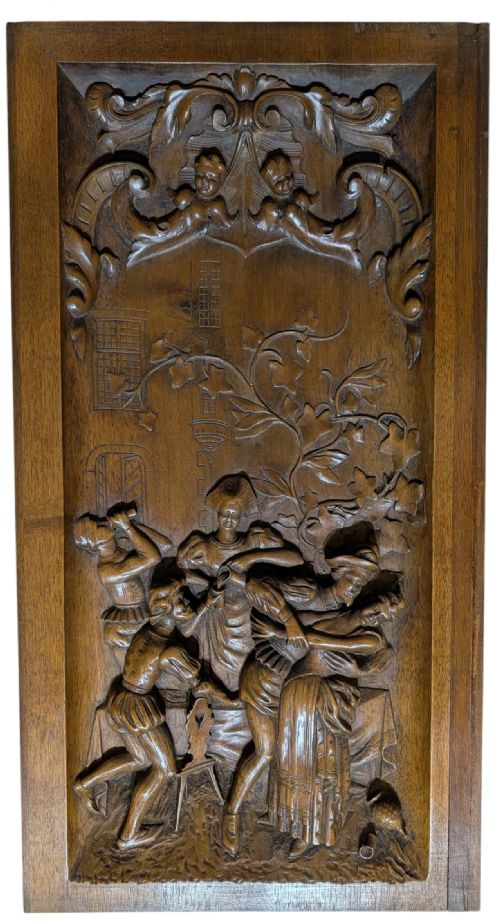
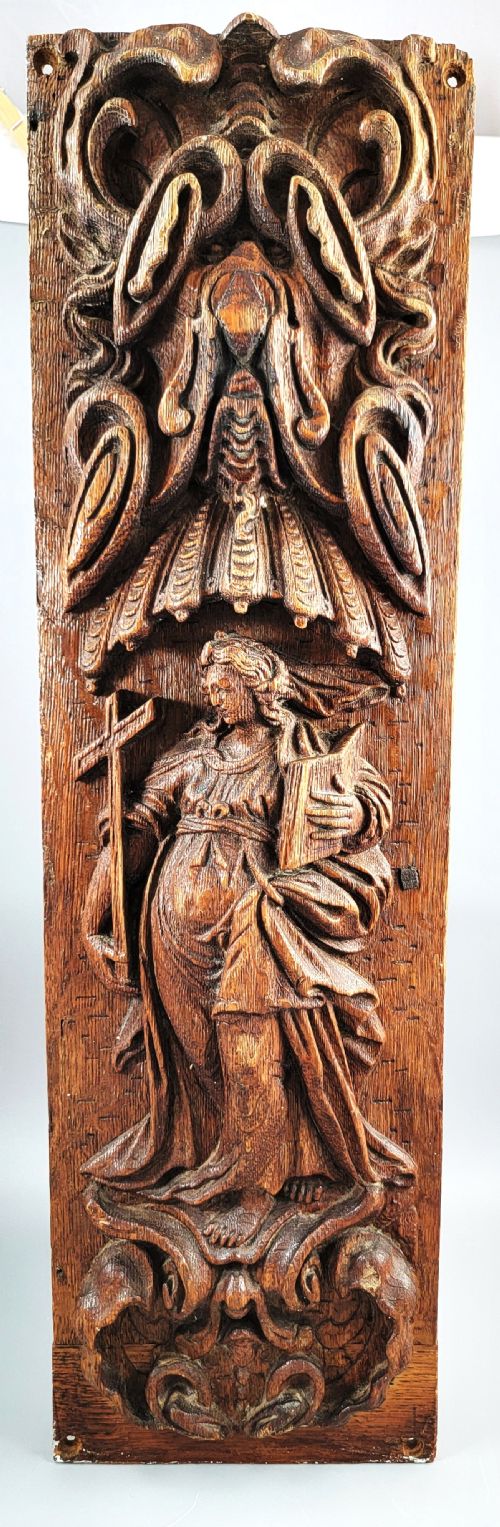
These brown timber wall relief pieces span centuries of carving traditions, offering deep panels and plaques that bring tactile history to a room.
Brown Timber Wall Relief
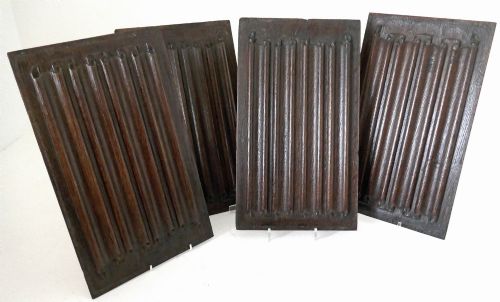
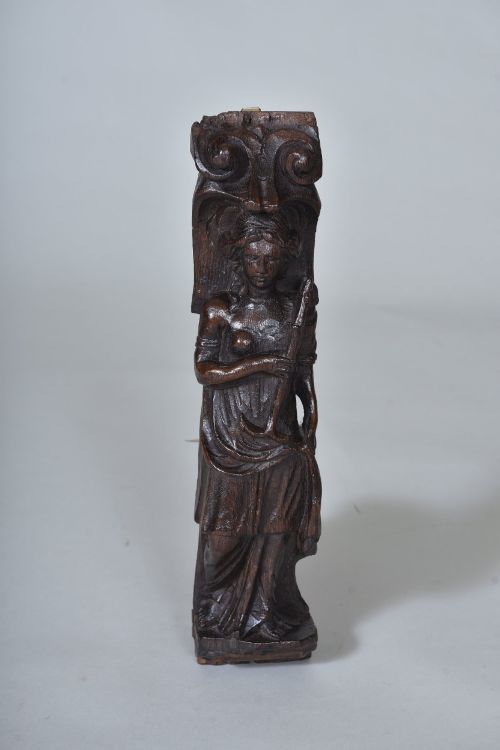
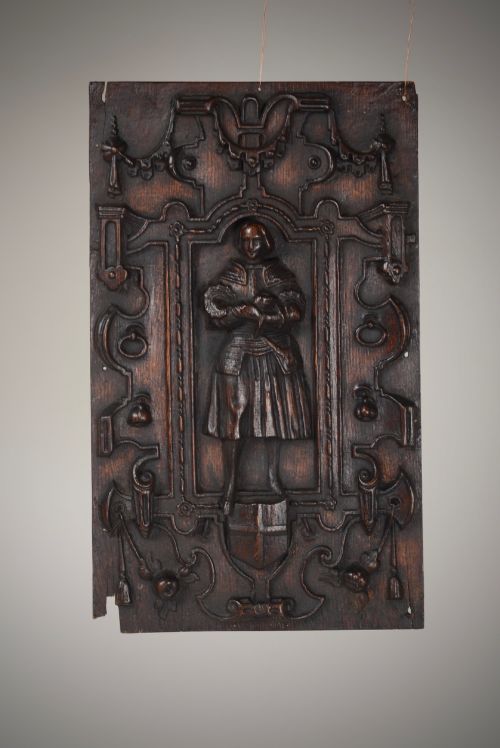
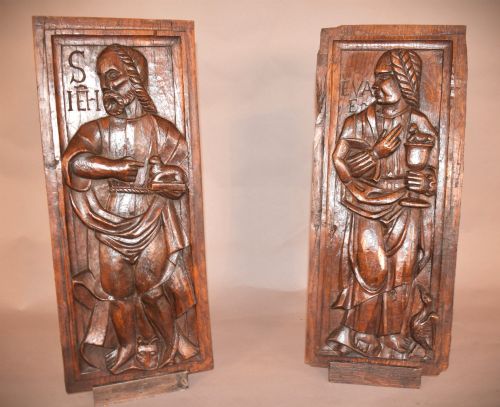
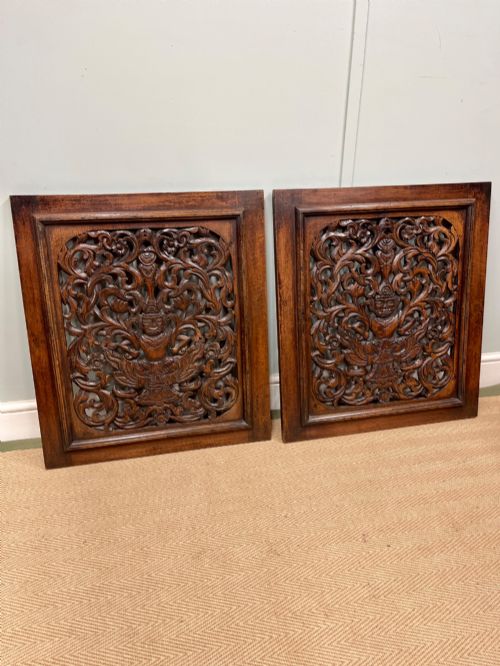
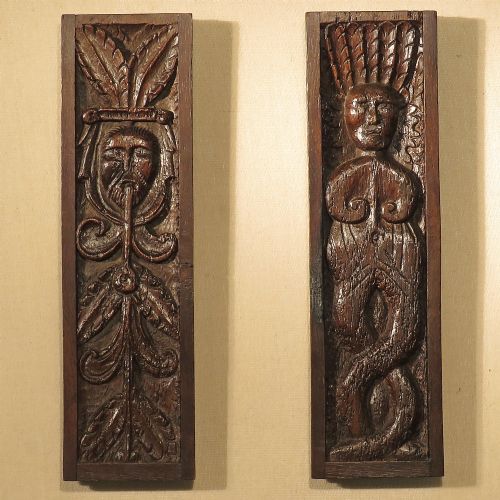
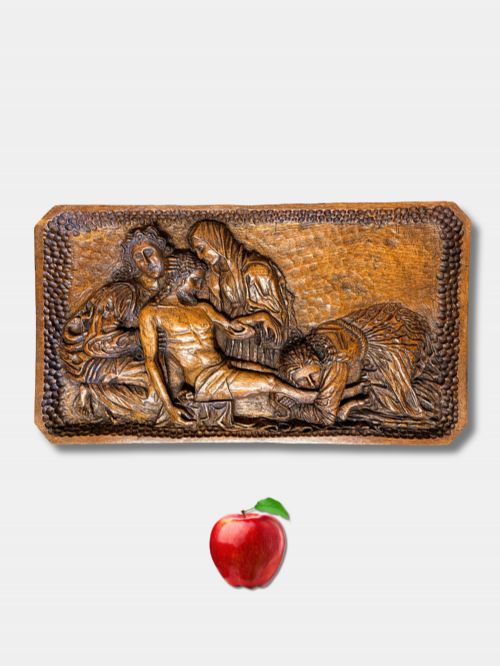
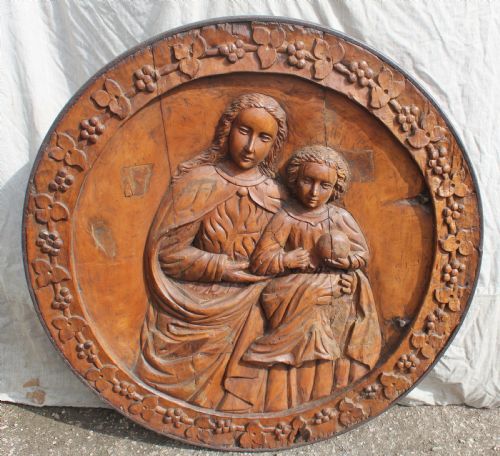
A brown timber wall relief brings sculptural depth and historic grain to an interior through carved panels, architectural salvage, and plaques. You encounter everything from early oak linenfold panels and seventeenth-century religious scenes to nineteenth-century Black Forest animal plaques and regional carvings.
The selection ranges across centuries, drawing on sixteenth-century craftsmanship, seventeenth-century baroque foliage, and later Victorian interpretations. Oak dominates the early pieces, while walnut, chestnut, fruitwood, and dense hardwoods shape the later carvings.
How they were made
Carvers shaped these works primarily from solid timbers like oak, walnut, chestnut, and fruitwood using sharp gouges and chisels. The technique relies on direct subtraction from the board, leaving tool marks that reveal the hand of the maker.
Makers utilised different depths of carving, from shallow incised linework to high relief and pierced openwork. Many panels were integrated into larger architectural schemes, such as staircases and ceilings, before finding separate life as wall art.
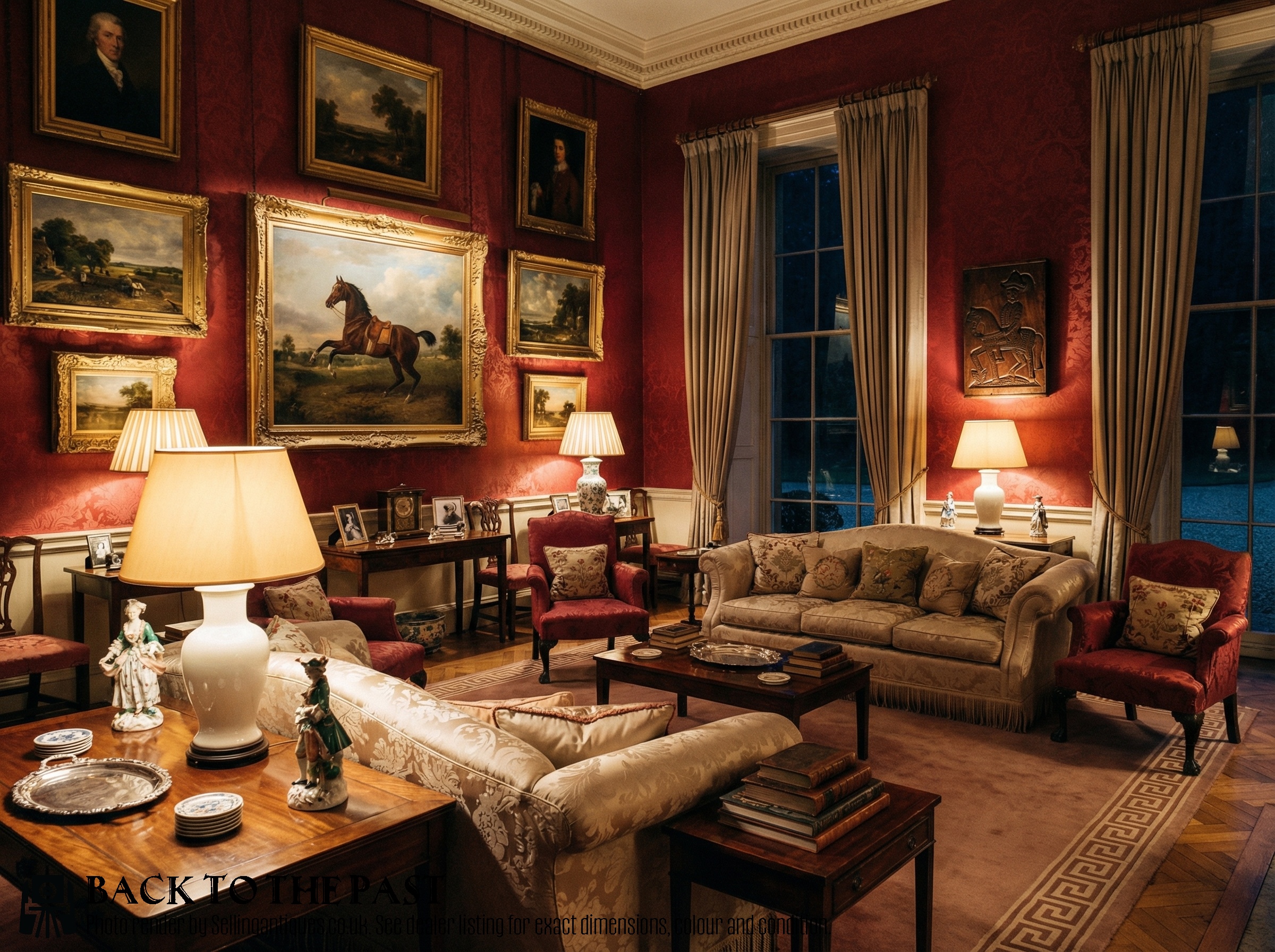
A giant wooden gingerbread mould featuring a man on horseback proves that bakers once demanded the same sculptural ambition as cathedral carvers.
What varies in quality
The integrity of the timber also dictates value, with well-seasoned woods holding sharp edges across centuries. The complexity of the composition, such as multi-figure biblical scenes or intricate acanthus scrolls, separates standard decorative panels from masterworks.
Edward Pearce
The Brown Timber Wall Relief Glossary
- Linenfold
- A style of wood carving that mimics folded fabric or linen, common on sixteenth-century panels. It gives a flat board a sense of draped textile texture.
- Acanthus
- A carved ornamental motif based on the foliage of the Mediterranean acanthus plant. Baroque carvers used these scrolling leaves to frame central figures and corners.
- Corbel
- A structural piece of stone or wood projecting from a wall to support a weight. In wood, these often took the form of grotesque heads or figures.
- Ceiling rose
- A circular decorative element placed in the centre of a ceiling. Wooden variants feature carved floral or figural motifs in high relief.
- Black Forest
- A style of wood carving originating in central Europe during the nineteenth century. These pieces typically depict realistic animals and hunting trophies in dark wood.
Brown Timber Wall Relief: Frequently Asked Questions
What is a wood relief panel?
A wood relief panel is a carved timber board where the figures and motifs project from a flat background. They were originally created as architectural elements for walls, furniture, or ceilings.
Over time, many of these panels were removed from their original settings to be hung as standalone artworks. They range from small devotional plaques to large historical scenes carved in oak or walnut.
How do I hang a heavy wooden panel?
Heavy wooden panels require sturdy hardware secured directly into wall studs or masonry. French cleats provide strong, flush support for substantial wall sculptures.
Because timber expands and contracts with humidity, ensure the mounting method allows the wood slight movement without splitting the antique material.
How do I date an antique timber relief?
Dating relies on the style of the carving, the choice of timber, and tool marks left on the reverse. Sixteenth-century pieces often feature stiff linenfold or gothic tracery, while seventeenth-century work introduces baroque acanthus and deep undercut figures.
Examining the grain, edge finishes, and historical wear patterns helps confirm the period of the wood.
How should I clean a carved wooden plaque?
Dust carved wooden plaques gently with a soft, dry brush to reach into the recesses of the relief. Avoid using water, harsh detergents, or modern furniture polish, which can damage historic finishes.
An occasional application of microcrystalline wax helps protect dry antique timber without building up heavy residues.