
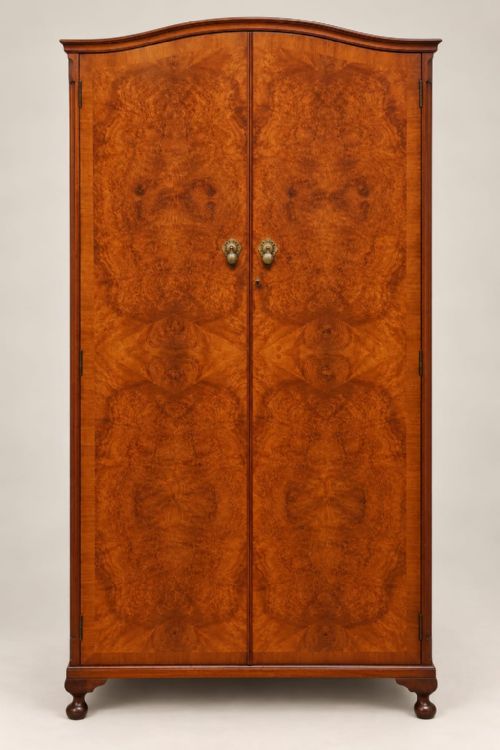
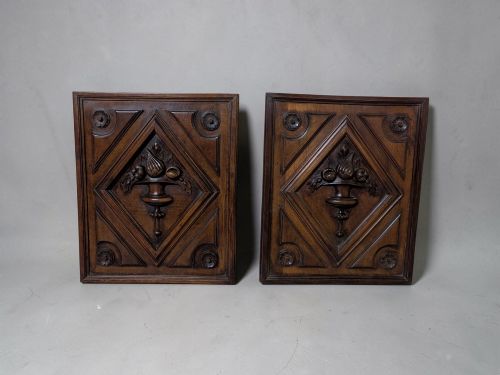
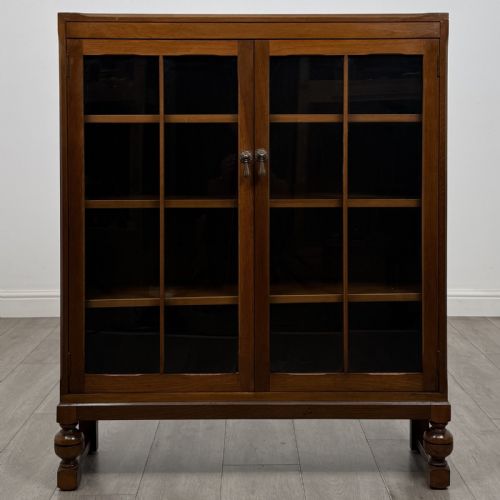
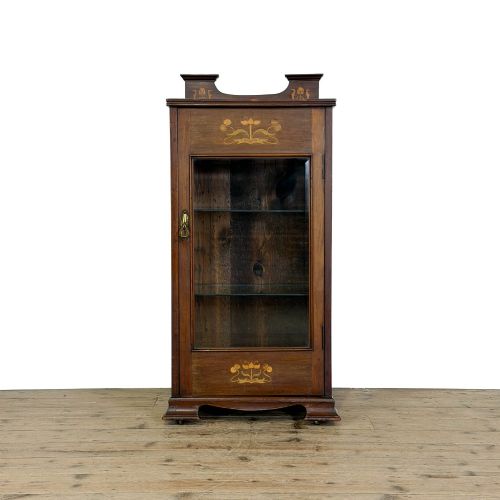
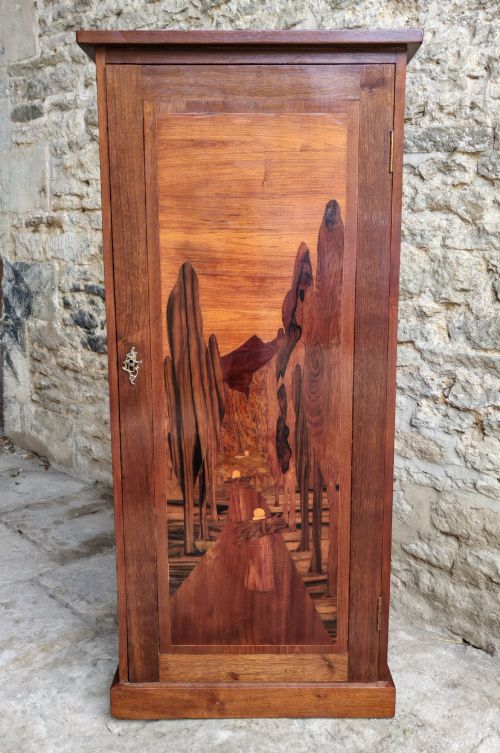
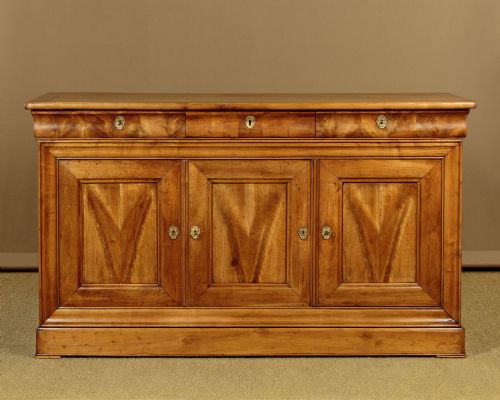
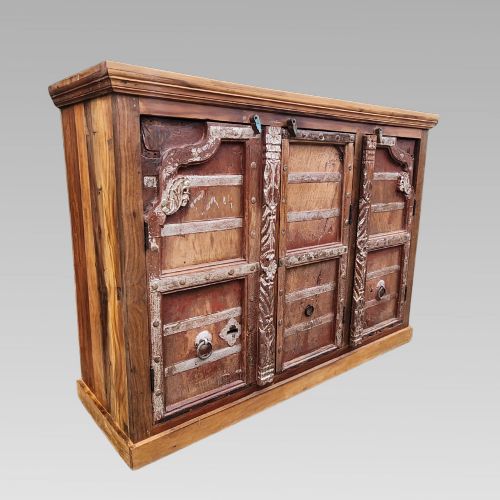

Brown Timber Door
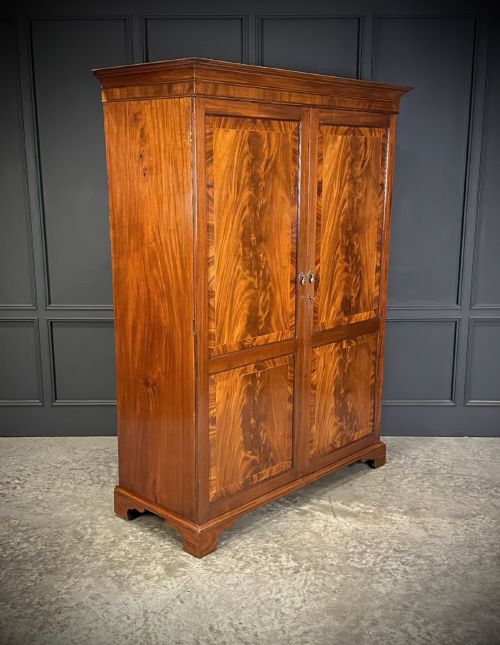
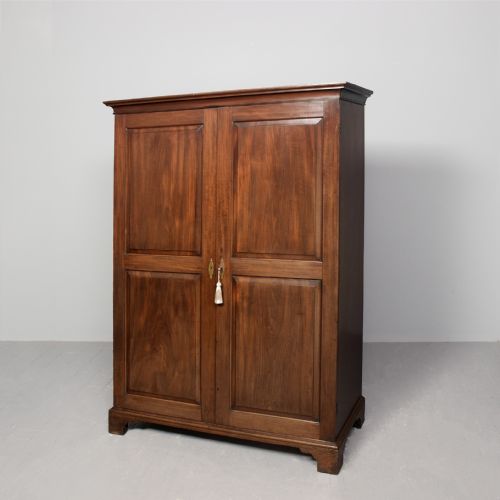
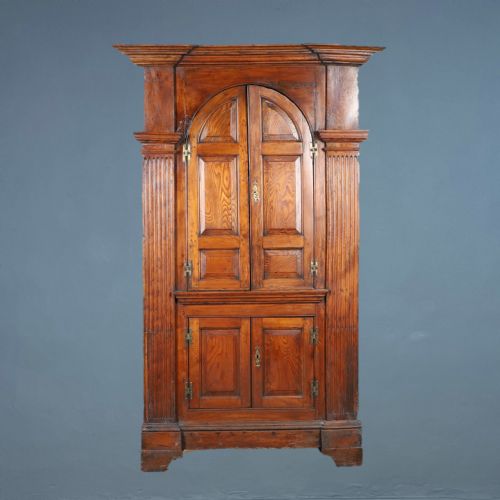
These brown timber door examples range from 18th-century panels to Victorian architectural salvage, bringing historic craft and solid construction into modern interiors.
Brown Timber Door
A brown timber door search covers a variety of historical architectural salvage, including 18th-century panelled doors and 19th-century entrance screens. Buyers frequently encounter solid wood architectural elements designed for doorways, vestibules, and partitioning.
The material evidence spans traditional hardwoods and softwoods such as oak, pine, walnut, and mahogany. These items often originate from domestic properties and institutional buildings spanning the Georgian, Victorian, and Edwardian eras.
Materials and construction
Carpenters constructed these doors using dense timbers like mahogany, oak, walnut, and pine, frequently incorporating brass and iron hardware such as hinges and locks. Panels were framed and fitted to allow for natural timber movement over decades of use.
Surfaces display natural wood grains, polished finishes, or traces of historic paint, reflecting the workshop techniques of period joiners.
Historic timber doors occasionally retain the distinct ghosts of vanished rim locks and decades of stubborn coats of brightly coloured paint.
Quality and craftsmanship
Superior examples demonstrate precise joinery, such as pegged mortise and tenon frames, and select timber cuts displaying rich grain patterns. Lesser pieces show simpler construction methods or heavy subsequent alterations to standard dimensions.
The integrity of the original wood, the presence of period hardware, and the depth of carved detail or panelling distinguish finer architectural salvage from standard utilitarian boards.
Mercier·Harry Freckleton·William and Mary
The Brown Timber Door Glossary
- Architectural salvage
- Building materials rescued from demolition or renovation for reuse in interior design. This category includes doors, panelling, and fireplace surrounds.
- Panelled door
- A door constructed with a sturdy wooden frame holding one or more thinner inset panels. These panels expand and contract with environmental humidity.
- Mortise and tenon
- A traditional woodworking joint where a projecting tongue fits snugly into a corresponding cavity. It provides exceptional structural strength without relying on metal fasteners.
- Vestibule screen
- An internal partition featuring doors and sometimes glazing, designed to create an entrance lobby. They managed draughts in large period properties.
Brown Timber Door: Frequently Asked Questions
How do I date an old wooden door?
Examine the timber species, nail types, and construction methods like hand-planing or machine-sawing. Hardware styles and panel configurations also indicate specific periods from the Georgian era onwards.
Compare the joinery details with known examples from the same century to narrow down the decade of production.
Can antique doors be hung today?
Most antique doors can be rehung, though standard modern door frame sizes rarely match older architectural dimensions. Planing or adding timber to the edges may be necessary for a proper fit.
Check that the timber is stable and that the weight is supported by robust period-appropriate hinges.
What woods were used for historic doors?
Carpenters utilised locally available and imported timbers depending on status and region. Common choices include oak, pine, mahogany, walnut, and fruitwoods.
Hardwoods provided durability for external entrances, while softer timbers served for internal partitions.
How do I care for wooden architectural salvage?
Maintain stable indoor humidity levels to prevent the timber from splitting or warping over time. Apply appropriate wax or oil formulations to nourish dry antique surfaces.
Avoid placing salvaged timber doors near direct heat sources or in areas with excessive moisture fluctuations.