





Brown Terrier Oil Painting
A brown terrier oil painting brings the sharp focus and lively character of Victorian working dogs straight onto your wall.
Brown Terrier Oil Painting
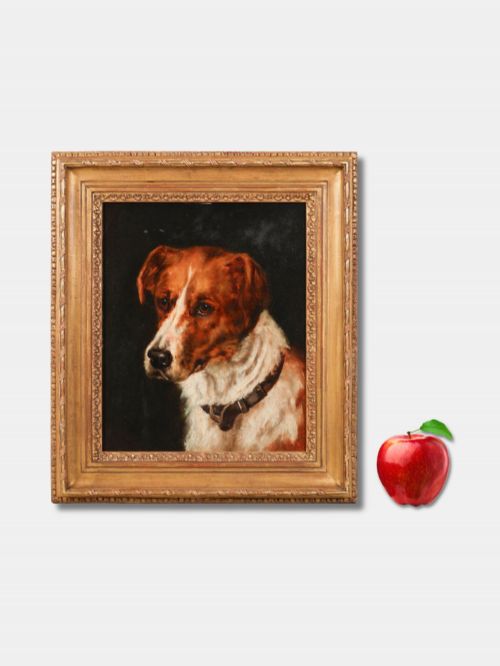
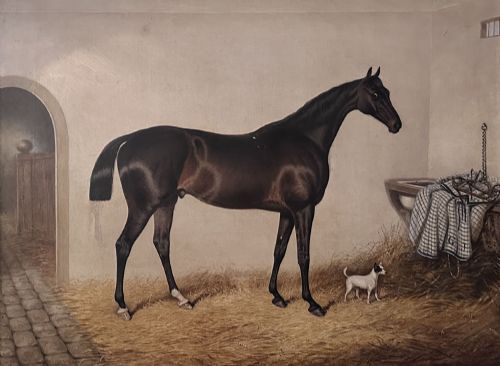
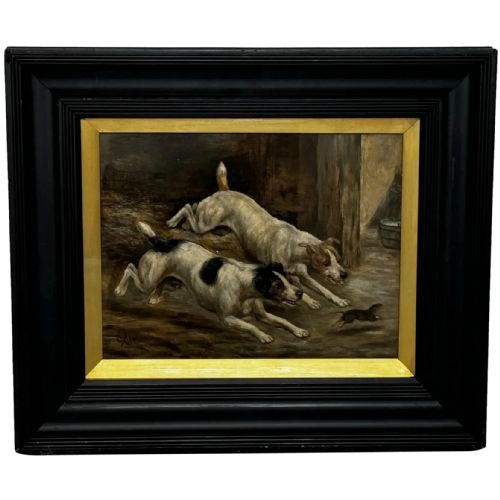
A brown terrier oil painting captures the distinct personality and spirited nature of these working dogs, mostly originating from the nineteenth century and the Victorian period. These artworks range from intimate head studies to detailed narrative scenes depicting terriers guarding, ratting, or standing in gardens.
The version you are most likely to meet on this page is a nineteenth century oil painting on canvas or board, often framed in giltwood. These pieces reflect the Victorian fascination with sporting art and animal portraiture, showcasing breeds such as Jack Russells, fox terriers, Scottish terriers, and cairns.
Beyond standalone portraits, some works follow established compositions after artists like Sir Edwin Landseer, capturing canine dignity with remarkable skill. Others place the animals firmly in rural settings, such as farmyards or barns during ratting scenes, highlighting their working purpose.
Materials and technique
These works rely primarily on oil paint applied to stretched canvas or wooden board, allowing artists to build rich textures and deep tones. Painters layered pigments to render the wiry coats, expressive eyes, and muscular builds of the terriers with lifelike precision.
Framing forms an integral part of the presentation, with many pieces housed in period giltwood frames that complement the dark, earthy palettes of the paintings. The combination of durable oil mediums and robust wooden supports ensures these nineteenth century works survive in stable condition.
Frames range from simple wooden surrounds to ornate gilded mouldings contemporary with the creation of the paintings.
Factors that distinguish the finest examples
The distinction between standard works and exceptional pieces rests upon the artist's ability to render canine anatomy and individual expression with convincing realism. Works by recorded painters display superior handling of light, brushwork, and narrative tension, particularly in complex multi-dog scenes.
Compositional complexity also elevates a piece, moving away from simple static portraits toward dynamic actions such as dogs on the scent or guarding a trapped rat. The integration of period frames and the preservation of the original paint surface contribute significantly to the overall standing of the work.
Valentine T Garland·Percival Glenfern·Sir Edwin Landseer·Dixon Clark·John Emms·George Armfield·Edward Armfield
The Brown Terrier Oil Painting Glossary
- Oil on canvas
- Pigments bound in a drying oil applied to a woven fabric stretched across a wooden frame. This traditional support allows for subtle blending and rich impasto.
- Giltwood
- Wood that has been coated with a thin layer of gold leaf or gilt finish. Frames of this material are frequently found surrounding nineteenth century paintings.
- Sporting art
- Artwork depicting field sports, hunting, and working animals such as dogs and horses. This genre gained immense popularity during the Victorian era.
- Realism
- An artistic movement focused on depicting subjects truthfully and accurately without idealisation. In animal painting, this means capturing the exact physical traits and behaviour of the breed.
Brown Terrier Oil Painting: Frequently Asked Questions
What subjects do these terrier paintings show?
These works typically show individual dog portraits, pairs of terriers, or working scenes in barns and gardens. Many capture the dogs ratting, standing on the scent, or maintaining a sharp lookout.
Animals appear in natural environments like walled gardens or farmyards, reflecting their traditional working roles alongside rural life.
How should I hang an oil painting?
Hang your painting on an interior wall away from direct sunlight, dampness, and extreme temperature fluctuations. Stable conditions prevent the canvas and wooden frame from warping or cracking over time.
Ensure the wall fixings match the weight of the framed piece and use sturdy picture wire secured properly to the frame.
How do I identify a Victorian dog painting?
Victorian dog paintings often feature realistic brushwork, earthy colour palettes, and distinct breeds popular during the nineteenth century. Subject matter frequently leans towards sporting art, working terriers, or narrative scenes.
Look for period framing methods, canvas stamps from nineteenth century art suppliers, and style characteristics typical of the period.
Are these paintings original period pieces?
The selection includes original nineteenth century oil paintings, Victorian works, and period copies executed after prominent artists like Sir Edwin Landseer. Each listing specifies the estimated period of creation.
Examining the canvas, stretchers, pigments, and backing materials helps confirm the age and authenticity of the artwork.