



Brown Stag Mount
A brown stag mount brings the dramatic presence of the Highlands directly into a room, combining natural antler forms with traditional craftsmanship.
Brown Stag Mount
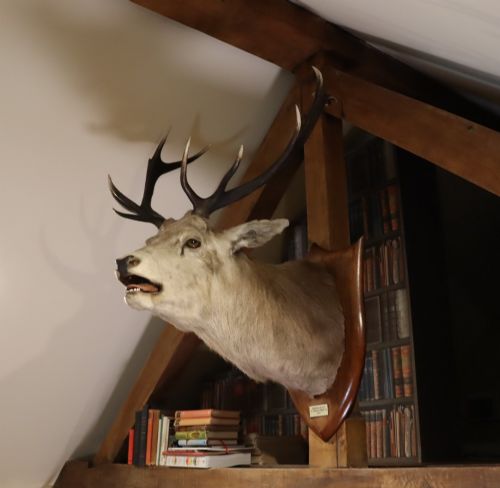
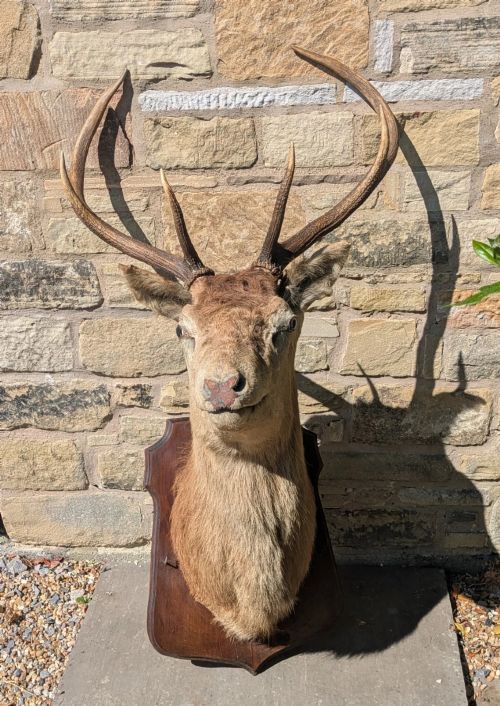
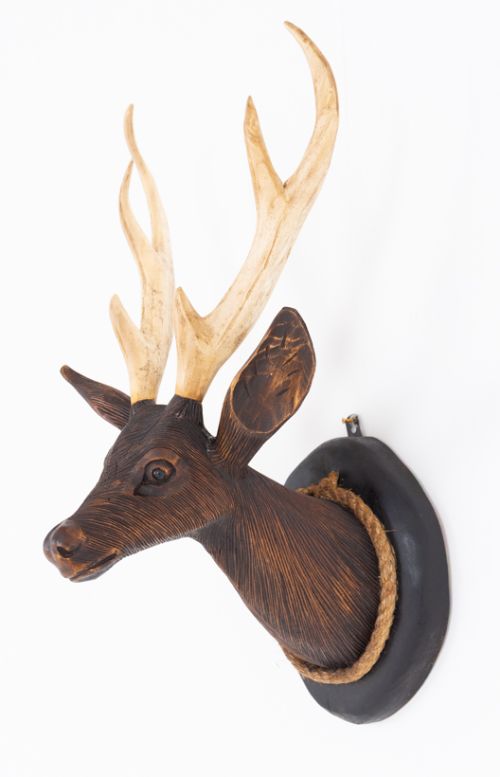
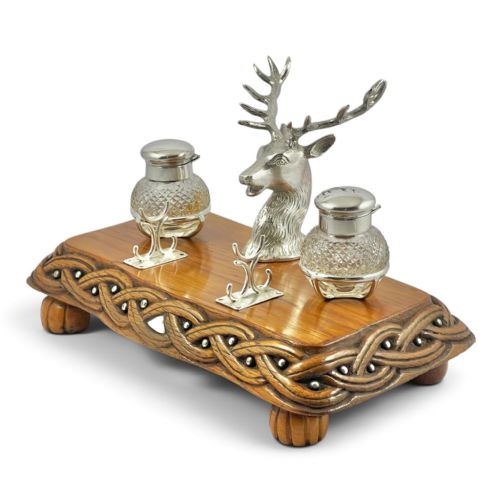
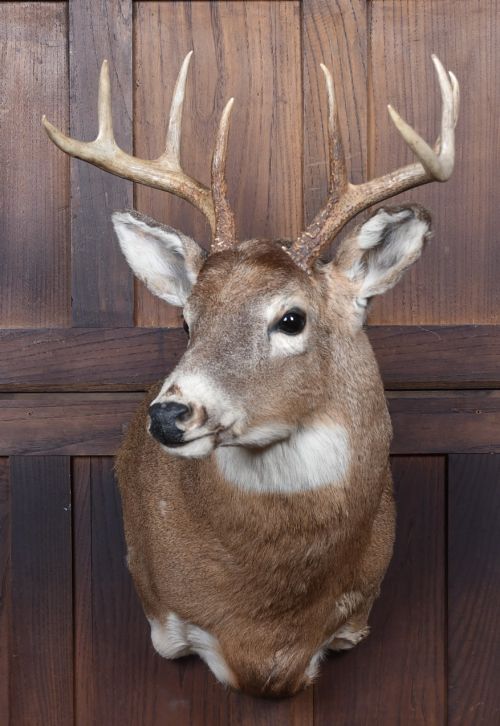
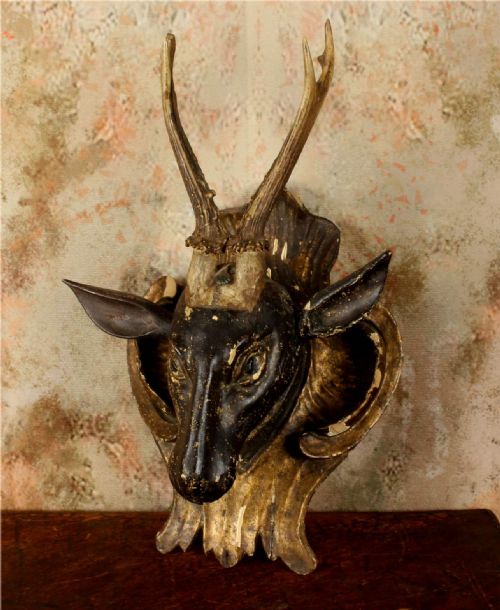
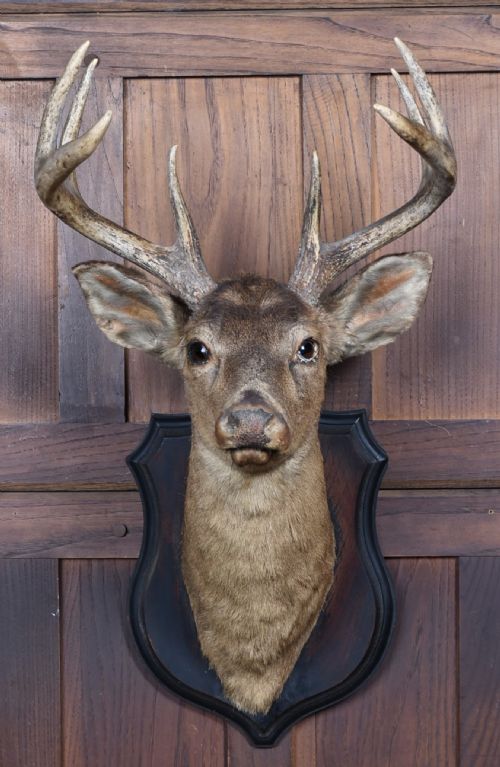
When you search for brown stag mount, you encounter a specialised selection of taxidermy heads, antler trophies, and functional items rooted in nineteenth and early twentieth-century sporting traditions. These pieces range from substantial Red Deer heads bearing impressive antler spreads to carved wooden alternatives and practical hall stands.
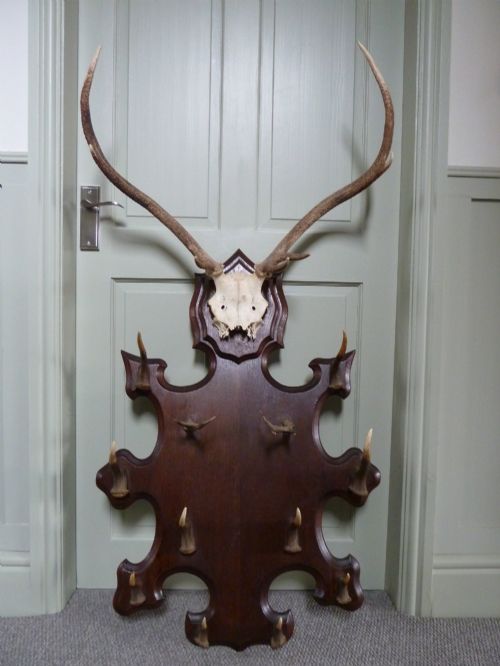
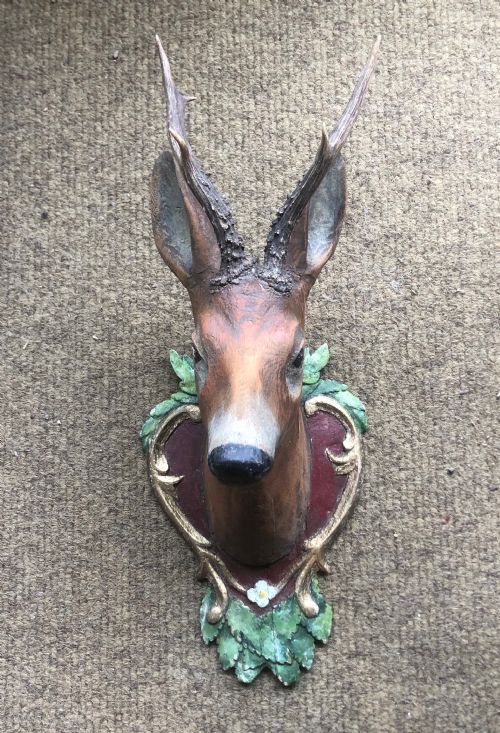
The most common examples on this page hail from the Victorian and Edwardian periods, frequently reflecting British Country House and Black Forest aesthetics. They appear as wall sculptures, mounted skulls, and intricate hall stands designed to bring rural utility and decoration together.
Factors Distinguishing Quality
Quality in a brown stag mount depends upon the proportion and symmetry of the antler points, alongside the anatomical accuracy of the taxidermy work. Finer examples display meticulous attention to detail in the preservation of the hide and the expressive positioning of the head.
The supporting woodwork further elevates a piece, distinguishing standard taxidermy from superior craftsmanship found in works by established makers or intricately carved Black Forest shields. Patina on the wood and silver mounts demonstrates age and careful preservation over generations.
Brown Stag Mount Retail Price Guide 2026
Typical asking prices for brown stag mount among the pieces listed under this phrase on Sellingantiques today, from the lower quarter to the upper quarter. They describe what is for sale here now, not the wider market.
Listings feature items spanning the nineteenth and twentieth centuries, encompassing Victorian, Edwardian, and Black Forest design traditions.
Peter Spicer & Sons·Swaine Adeney
The Brown Stag Mount Glossary
- Taxidermy Mount
- The art of preserving and displaying an animal's skin and antlers to create a lifelike representation. These items serve primarily as wall decorations and hunting trophies in traditional interiors.
- Black Forest Style
- A distinct school of nineteenth-century wood carving originating in Switzerland and Germany. Pieces in this style typically feature deeply carved naturalistic foliage and animal forms.
- Royal Set
- A specific classification for red deer antlers possessing twelve distinct points on a single rack. This term denotes maturity and scale within sporting terminology.
- Folk Art
- Objects created by self-taught or traditional craftsmen using local materials and vernacular techniques. In this context, it includes hand-carved wooden deer heads and painted rural items.
Brown Stag Mount: Frequently Asked Questions
How do I hang a heavy stag mount securely?
Wall mounts require heavy-duty fixings screwed directly into wooden wall studs or masonry anchors to support the combined weight of the antlers and wooden shield. Using standard picture wire is generally inadequate for larger taxidermy heads.
Position the mount at a height where the head commands the room without obstructing doorways or low ceilings.
How should I clean and maintain vintage antlers?
Dust the antlers and wooden shields regularly with a soft, dry brush or a microfiber cloth to prevent dirt accumulation. Avoid using liquid cleaners or household polishes, which can damage exposed bone and dried hide.
Keep the mount away from direct sunlight and strong heat sources to prevent the natural materials from drying out and cracking.
What is the difference between a taxidermy head and an antler mount?
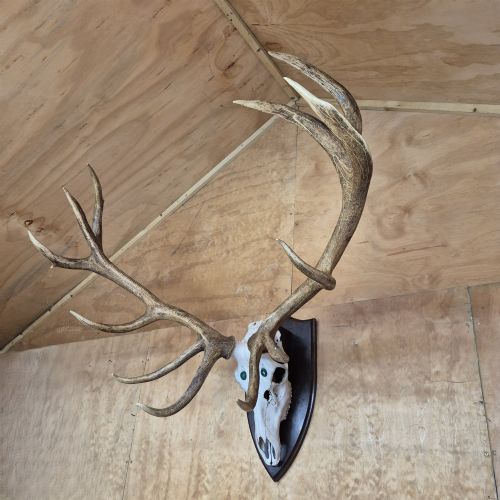
A taxidermy head includes the preserved skin, face, and neck of the animal mounted over a form, often featuring glass eyes for realism. An antler mount consists solely of the skull plate and antlers attached directly to a carved wooden shield.
Both forms were popular in country houses, though antler-only mounts often served functional purposes as coat racks or hall stands.
Where were these pieces typically displayed originally?
Stag mounts were traditionally displayed in the entrance halls, libraries, and smoking rooms of British country houses and shooting lodges. They reflected the sporting pursuits and rural lifestyle of the estate owners.
Today, they translate well into modern interiors, adding texture and historic character to large living spaces or studies.