







Brown Root Carving
Brown root carving brings organic, gnarled timber into utility and display, offering sculpted figures, lamps and stands shaped by natural grain.
Brown Root Carving
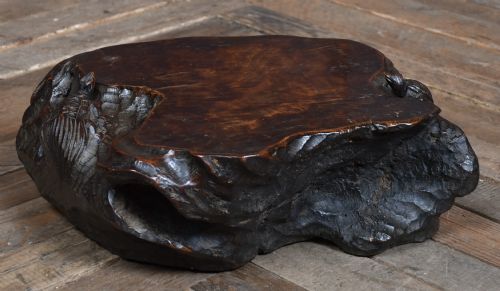
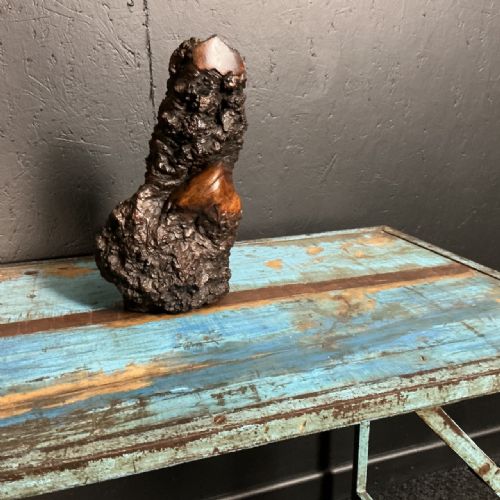
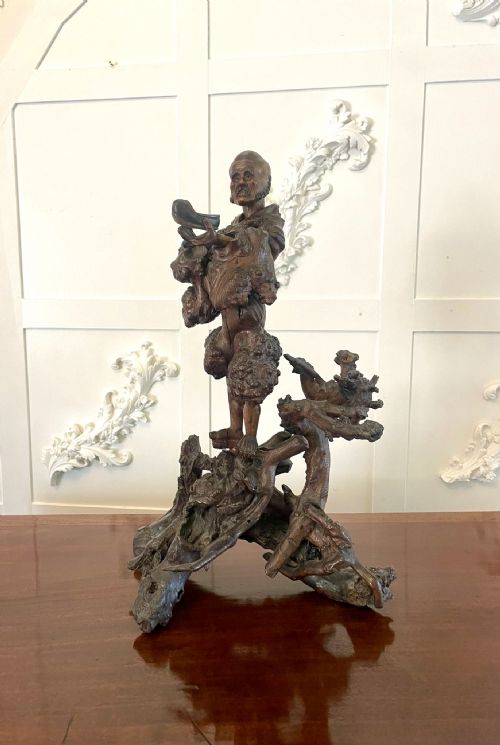
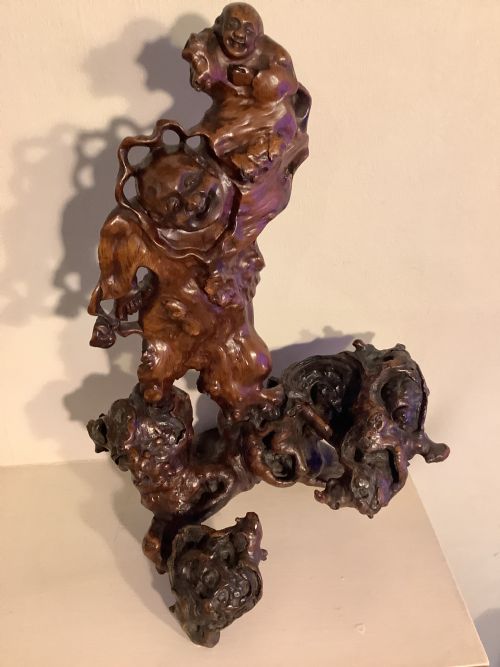
A brown root carving transforms twisted timber and underground burls into figurative sculpture, furniture supports and functional objects. You will encounter Chinese Qing dynasty scholar figures, Japanese Meiji period display stands, and various lamps shaped from rootwood, bamboo and hardwood.
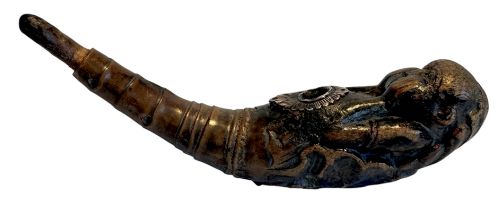
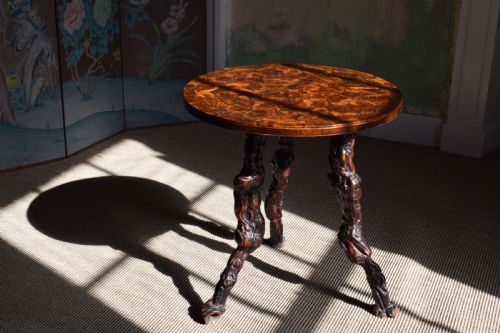
The selection ranges from 18th century bamboo pipes and headrests to 19th century tables, lion dogs and scholarly carvings. These items utilise the natural contours of the wood, letting knots and burls dictate the final form of figures and stands.
Materials and Construction
Carvers selected dense root wood, burl wood, pollard birch and bamboo, working with the natural irregularities and twists of the plant growth. Artisans carved figures, lamps and stands by following the grain, preserving gnarled knots and root ends to suggest clothing, drapery or rocky outcrops.
Surface finish is achieved through polishing and patination, highlighting the natural brown tones of the hardwood. Occasional mounts in brass or fitted quartz tops complement the organic wooden forms without obscuring the grain.
Brown Root Carving Retail Price Guide 2026
Typical asking prices for brown root carving among the pieces listed under this phrase on Sellingantiques today, from the lower quarter to the upper quarter. They describe what is for sale here now, not the wider market.
Materials recorded across the inventory include root wood, burl wood, bamboo, hardwood, brass, lacquer and pollard birch.
Assessing Quality and Execution
Quality rests on the harmony between the natural growth of the root and the carver's intervention. Superior pieces use the knots and twists of the wood purposefully to define anatomy or drapery, rather than forcing a rigid shape onto unsuitable timber.
Depth of carving and surface patina distinguish finer examples. A rich, warm polish developed through handling elevates figures and stands, whereas flat or overworked surfaces obscure the natural character of the burl.
Gyoko
The Brown Root Carving Glossary
- Rootwood
- Timber sourced from the root system of a tree, prized for its dense grain, complex knots and irregular twists. This material forms the basis of many traditional Chinese and Japanese carvings.
- Burl wood
- A tree growth where the grain has grown in a deformed manner, producing intricate patterns of swirls and knots. Carvers utilise these sections for decorative boxes and tables.
- Patina
- The surface sheen and colour developed on wood through age, handling and polishing over decades. A deep patina indicates a well-maintained antique.
- Meiji Period
- The era in Japanese history spanning from 1868 to 1912, associated with detailed craftsmanship in bronze and root wood display bases.
- Qing Dynasty
- The final imperial dynasty of China, lasting from 1644 to 1912, which produced many of the carved root wood scholar figures and stands seen today.
Brown Root Carving: Frequently Asked Questions
What is a brown root carving?
A brown root carving is an object shaped from the underground wood or burls of trees, often depicting figures, animals, or serving as a naturalistic base.
Craftsmen follow the inherent twists of the timber to create sculptures and functional pieces like lamp bases.
How do I date a root carving?
Dating relies on stylistic markers associated with periods such as the Qing dynasty or Meiji period, alongside material analysis.
Tool marks, the depth of the patina and the specific type of wood or bamboo also help establish the age of the piece.
Where were these carvings made?
The majority originate from China and Japan, reflecting long traditions of finding sculptural inspiration in gnarled natural forms.
Other examples include European items like Scandinavian birch tobacco boxes and Fijian war clubs.
How should I care for root wood?
Keep wooden carvings away from direct heat sources and sudden humidity changes to prevent splitting in the dense burl timber.
Dust gently with a dry cloth and avoid applying modern chemical polishes that might damage the historic patina.