



Brown Regency Oil Painting
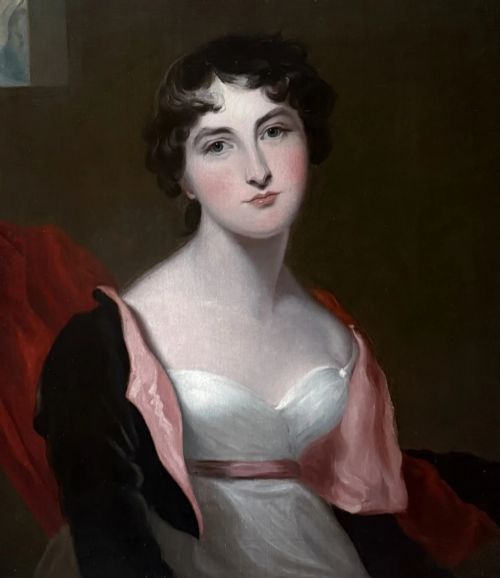
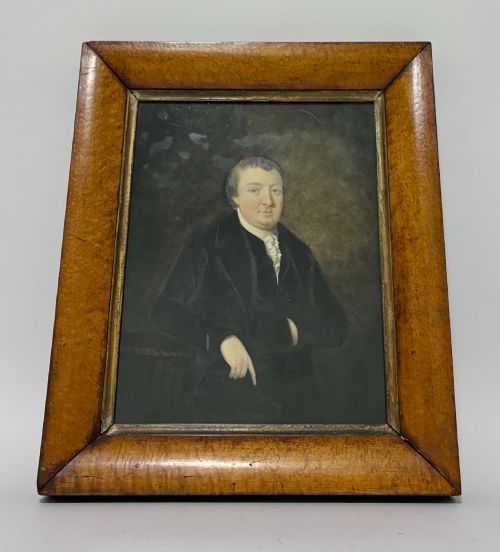
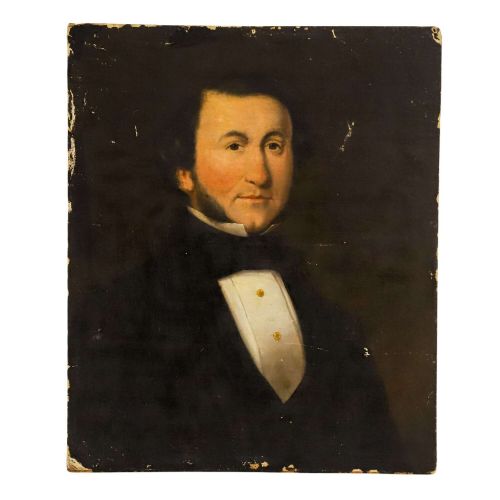
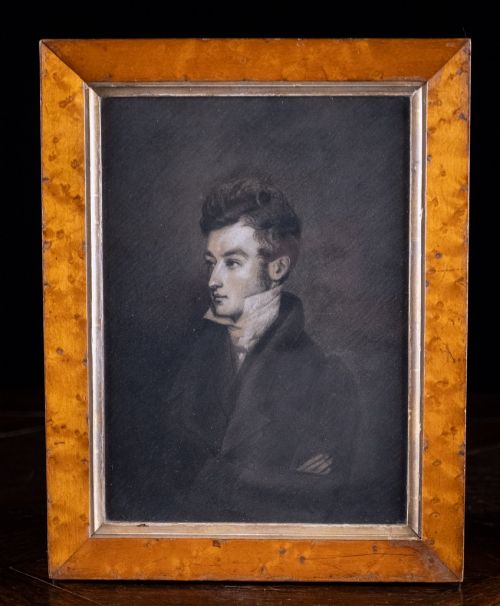
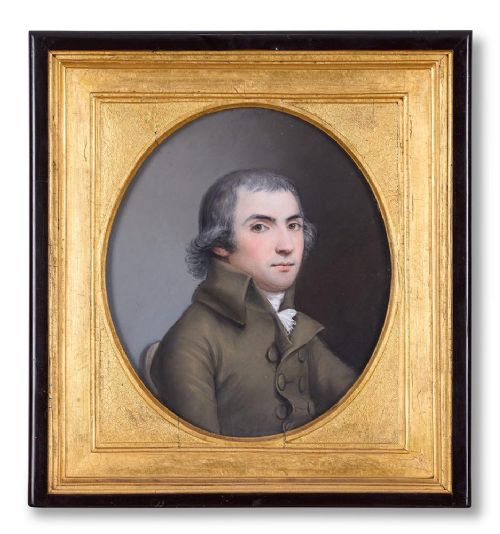
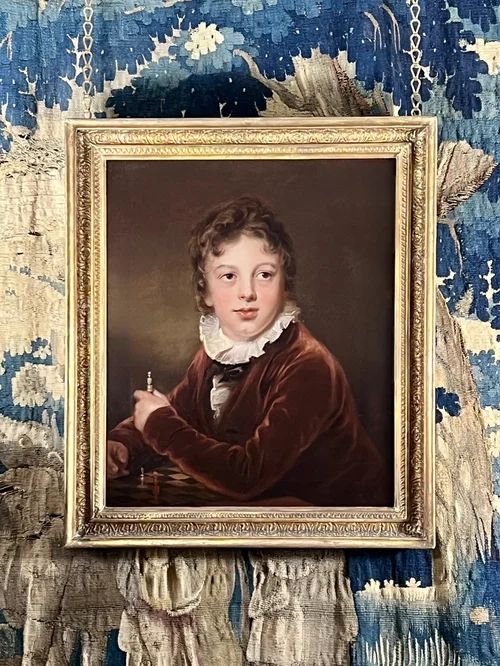
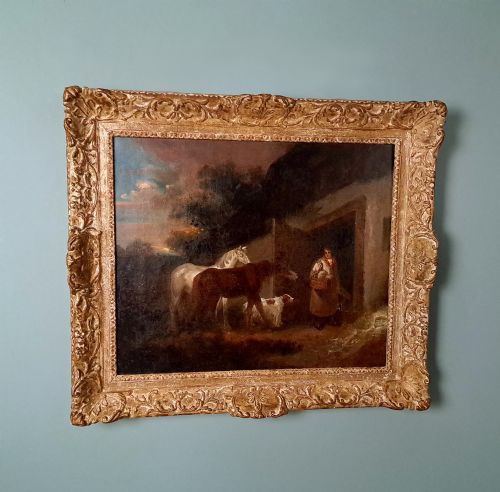
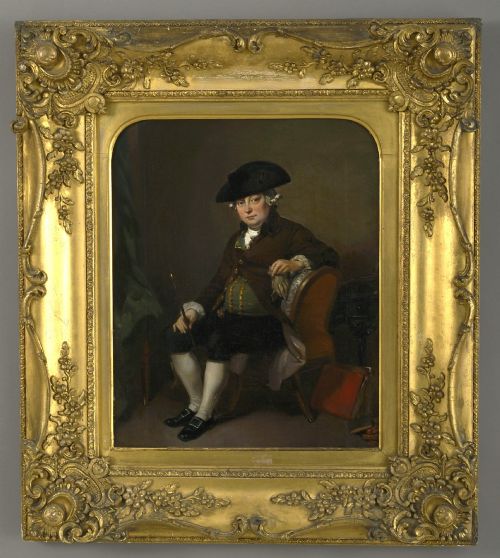
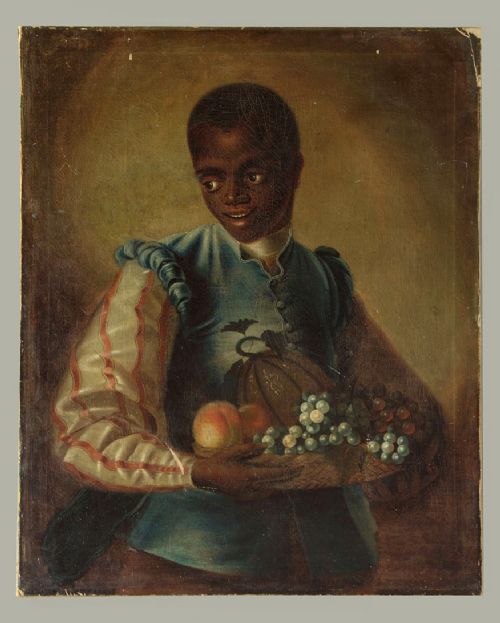
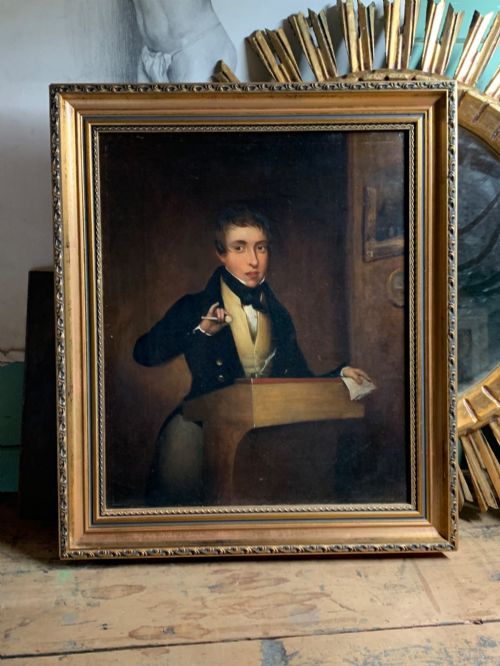
When you search for a brown regency oil painting, you find works capturing portraiture and pastoral scenes from the Georgian and Regency eras.
Brown Regency Oil Painting
A brown regency oil painting encompasses works produced during the late eighteenth and early nineteenth centuries, covering the Georgian, Regency, and early Victorian periods. These pieces frequently manifest as detailed portraits of gentlemen, ladies, actors, and children, alongside sporting art depicting horses, hounds, and hunting scenes.
The prevalent format on this page is the oil painting on canvas or wood panel, often displaying deep, earthy tones characteristic of British pastoral and domestic subjects. Works range from formal seated studies of lawyers and politicians to narrative interiors and animal scenes.
Viewers encounter both named artists of the British School and works attributed to followers or circles of prominent painters from the era. Subjects span domestic rituals, theatrical characters in costume, and rural landscapes with sportsmen and dogs.
Materials and Technique
Artists of this era utilised oil paint applied to stretched canvas, wooden panels, or occasionally board, building up rich compositions through layered pigment. The ground preparation and subsequent application of oil mediums created the deep, warm brown tonalities seen across these works.
Many surviving frames utilise giltwood or gilded wood, providing an ornate border that complements the darker palettes of the paintings. Canvases are often secured within traditional wooden stretcher frames, while panel paintings employ solid timber supports to stabilise the pigment layer over centuries.
Brown Regency Oil Painting Retail Price Guide 2026
Typical asking prices for brown regency oil painting among the pieces listed under this phrase on Sellingantiques today, from the lower quarter to the upper quarter. They describe what is for sale here now, not the wider market.
Listings feature 19th Century, 18th Century, and Regency periods in oil on canvas, wood, and giltwood.
Factors of Quality
Quality in these works rests upon the precision of brushwork, anatomical accuracy in human and animal subjects, and the psychological depth captured in portraiture. Master painters of the period achieved subtle gradations of light and shadow, particularly in facial expressions and fabric textures, whereas lesser hands produced stiffer, more formulaic compositions.
The condition of the pigment layer and the originality of the mounting also influence the standing of a piece. Works retaining their untouched surface character, legible historical inscriptions on the reverse, and period frames demonstrate superior preservation.
Sir William Beechey·William Joseph Shayer·Margaret Sarah Carpenter·John Ferneley Senior·Richard Cosway·James Ward·Henry Singleton·James Barenger·Sir Thomas Lawrence·George Hayter·Benjamin Marshall·George Clint
The Brown Regency Oil Painting Glossary
- Regency
- A period in British history spanning from 1811 to 1820, though the style extends broadly across late Georgian production. It is characterised by neoclassical elegance in portraiture and decorative arts.
- Giltwood
- Wood that has been coated with a thin layer of gold leaf or gesso, commonly used for framing fine art paintings from the eighteenth and nineteenth centuries.
- Oil on Canvas
- A traditional painting technique where oil-based pigments are applied to a woven fabric support stretched over a wooden frame, allowing for blending and deep coloration.
- British School
- A term used to categorise artists who worked in Britain or were trained within the British artistic tradition during specific centuries, often encompassing anonymous or attributed hands.
- Sporting Art
- A genre of painting dedicated to depictions of field sports, horses, hunting dogs, and rural pursuits, which flourished during the Georgian and Regency eras.
Brown Regency Oil Painting: Frequently Asked Questions
What subjects appear most frequently?
Portraits of notable individuals, actors, and family members dominate the selections, alongside sporting scenes featuring horses and hunting dogs.
Domestic interiors and pastoral landscapes also feature regularly among the nineteenth-century British works.
How do I identify the period?
Clothing styles, hairstyles, and furniture depicted within the portraits offer clear chronological indicators for the Georgian and Regency eras.
Examine stretcher frames, canvas types, and any inscriptions or labels on the reverse for additional historical context.
Where were these paintings displayed?
Original owners hung these works in panelled libraries, drawing rooms, and country houses across Britain.
They served both as family memorials and as expressions of social standing and sporting interests.
How should I care for an oil painting?
Keep the piece away from direct sunlight and maintain stable room temperatures to prevent canvas or wood panel distortion.
Dust the surface gently with a soft, dry brush and avoid using liquid cleaners on the pigment or frame.