
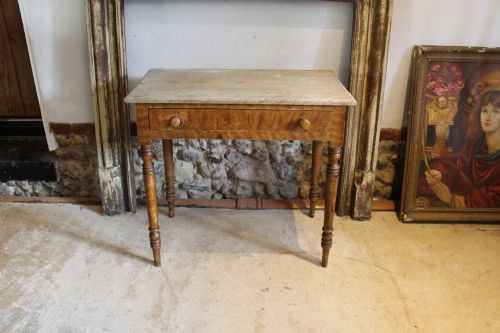
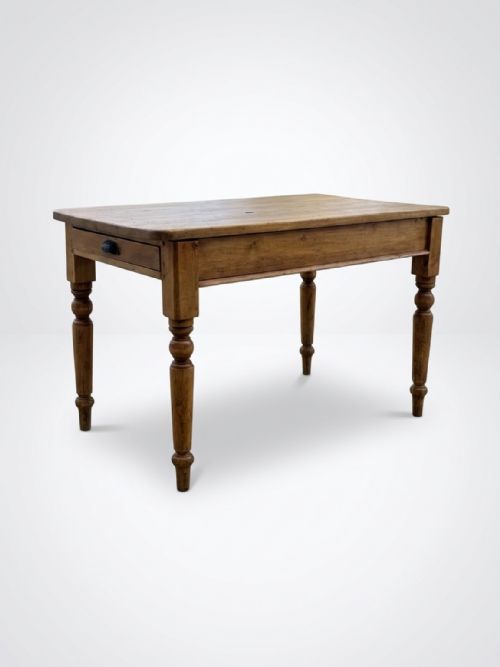
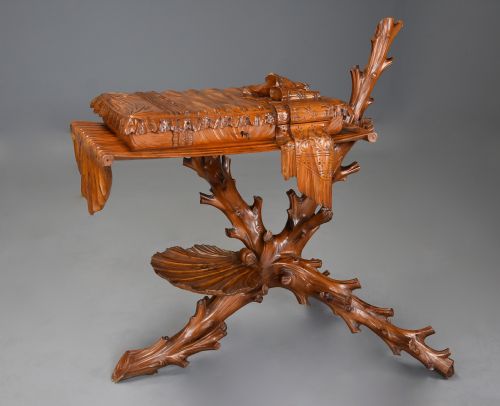
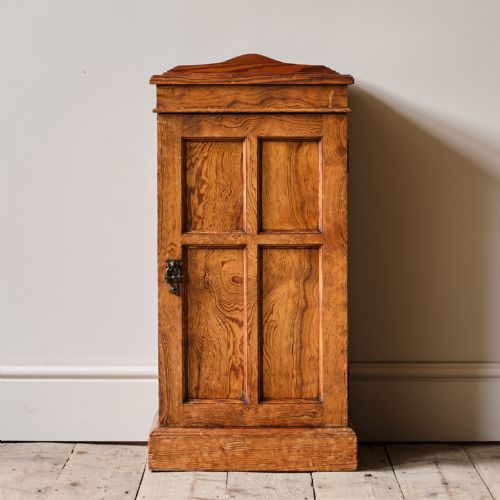



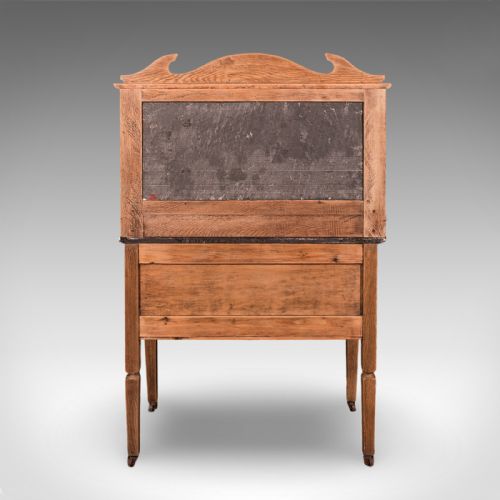
Brown Pine Side Table
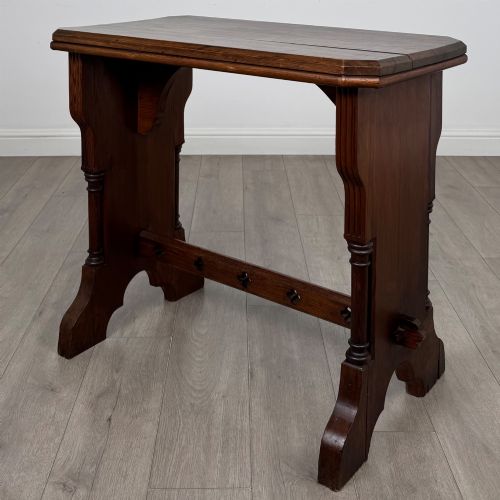
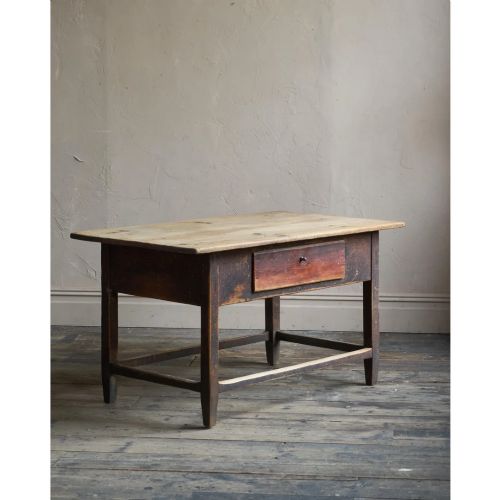
A brown pine side table brings warmth and simple utility to a room, drawn mostly from nineteenth-century country houses and workshops.
Brown Pine Side Table
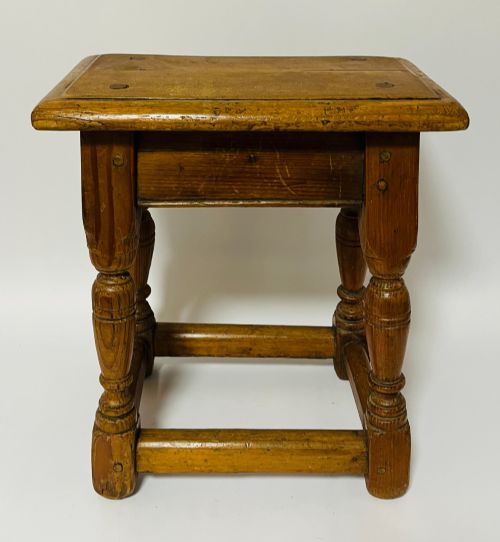
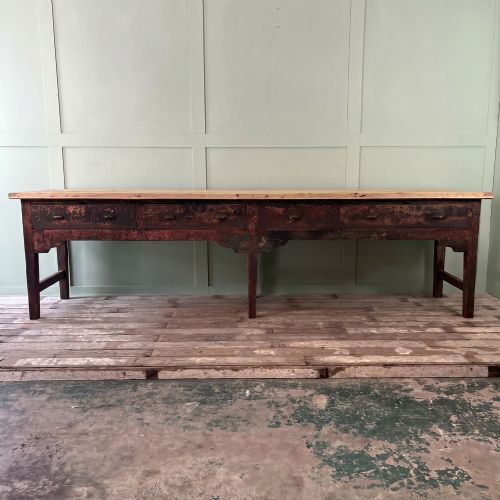
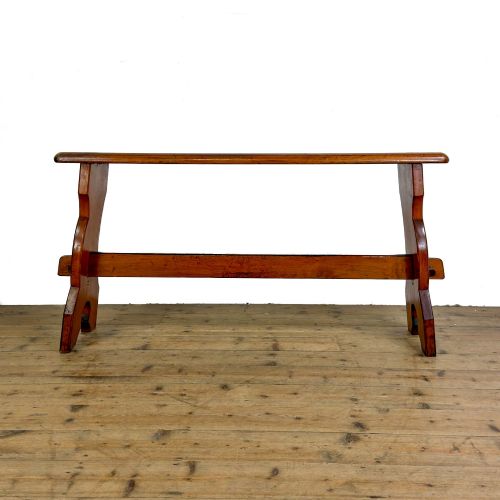
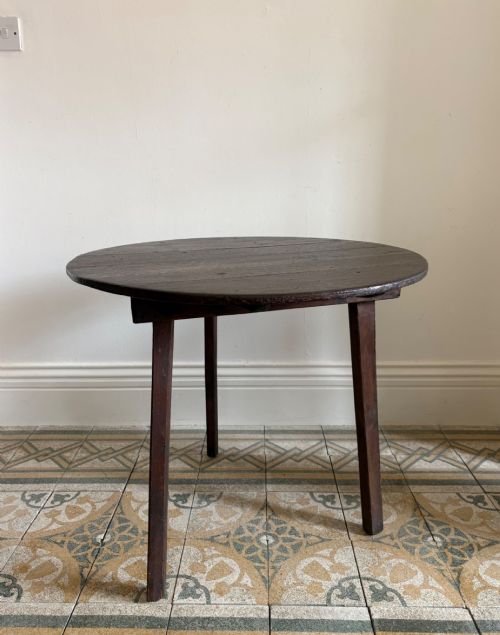
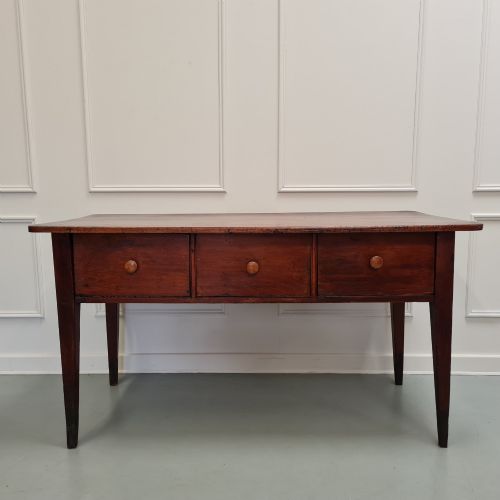
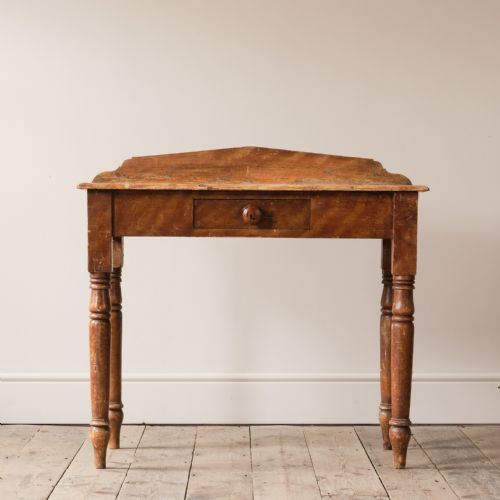
When searching for a brown pine side table, buyers encounter practical occasional surfaces shaped by nineteenth-century vernacular makers. These pieces span straightforward domestic formats like side tables and washstands, alongside more specialised forms such as cricket tables and serving tables.
The versions most frequently found on this page date from the Victorian era and the broader nineteenth century. They originate from British, Scandinavian, and European regional traditions, utilising softwoods that have aged to rich, deep brown tones over generations of use.
How they were made
Carpenters constructed these tables primarily from solid pine and pitch pine, occasionally pairing timber bases with oak plank tops. Construction relied on traditional joinery methods suited to domestic and utilitarian furniture, including sturdy box stretchers and pegged joints.
Many surfaces display surviving finishes such as original paint, scumble glazes, or grain finishes that emulate costlier hardwoods. Metal fixings like brass and iron appear selectively on functional elements like writing desks and pot cupboards.
Several tables show traces of church and chapel life, having served congregations as organ benches and ecclesiastical writing desks before reaching the domestic market.
What varies in quality
Quality in these vernacular pieces rests on the integrity of the timber and the honesty of the construction. Denser pitch pine variants and tables retaining their original scraped paint or scumble surfaces demonstrate a higher degree of preservation.
Proportion and regional character set finer examples apart from utilitarian workshop output. Pieces exhibiting thoughtful turns, balanced stretcher arrangements, or documented provenance command greater interest than plain domestic utility items.
The Brown Pine Side Table Glossary
- Pitch pine
- A resinous North American pine noted for its durability and strong grain pattern. Cabinetmakers utilised this dense timber for heavy-use items like writing tables and serving furniture.
- Cricket table
- A small, lightweight occasional table typically supported by three splayed legs. This traditional form provided stability on uneven flagstone floors.
- Scumble
- A translucent layer of dark oil paint dragged or combed over a lighter base colour to simulate wood grain. Nineteenth-century decorators applied this technique to elevate humble pine furniture.
- Box stretcher
- A horizontal framework connecting the legs near the base to add rigidity. Carpenters joined the four lower rails in a rectangular configuration.
- Pot cupboard
- A compact bedside or freestanding cabinet designed to house a chamber pot. These enclosed pieces frequently feature pine construction with a single door.
Brown Pine Side Table: Frequently Asked Questions
Where should I place a pine side table?
These versatile tables suit hallways, living rooms, and bedrooms as compact surfaces for lamps or books. Their understated proportions allow them to fit into narrow alcoves and tight corridors.
Larger serving tables and console variants work well against dining room walls or in farmhouse kitchens for extra display space.
How do I care for antique pine furniture?
Maintain timber surfaces by dusting regularly with a dry cloth and avoiding direct sunlight. Periodic application of natural wax preserves the finish and nourishes older wood.
Keep tables away from direct heat sources to prevent the pine planks from drying out or splitting.
What is the difference between standard pine and pitch pine?
Standard pine refers to lighter European softwoods commonly used in general nineteenth-century vernacular furniture. It tends to be softer and takes paint finishes readily.
Pitch pine contains higher resin content, making it significantly heavier, harder, and darker with a prominent grain structure.
Are painted finishes on nineteenth-century tables original?
Surviving paintwork can range from untouched original coats to later decorative layers applied during subsequent decades. Scumbled and faux-grain treatments were popular period methods to imitate expensive hardwoods.
Close inspection of wear patterns and pigment layering helps distinguish early factory or domestic paint from modern restoration.