




Gothic Pine Side Table
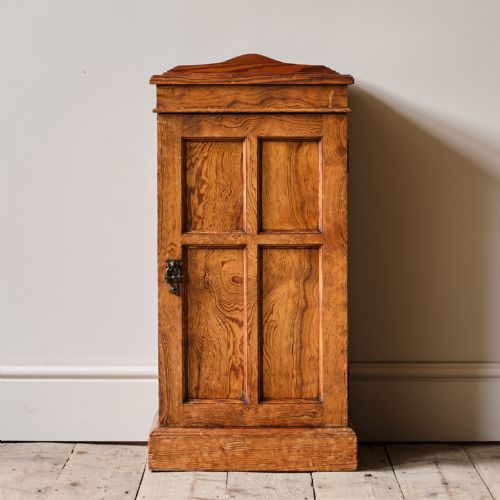
A gothic pine side table brings architectural presence and robust timber character straight into a hallway or bedroom.
Gothic Pine Side Table
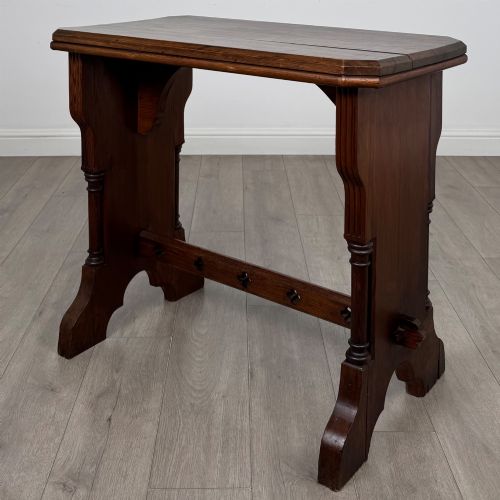
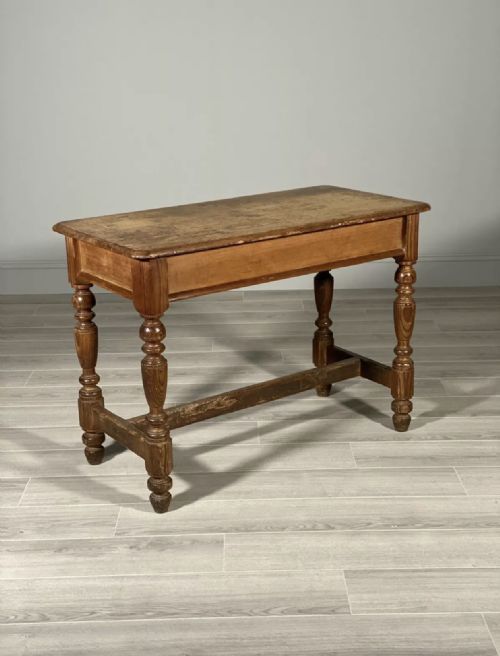
When you search for a gothic pine side table, you are looking at nineteenth-century vernacular and ecclesiastical pieces built from softwoods like pitch pine, Oregon pine, and standard pine. These functional items range from dedicated side tables and console tables to washstands, writing tables, and bedside cabinets carrying distinct Gothic Revival design motifs.
The versions you are most likely to meet on this page date from the Victorian era, spanning the decades between eighteen-sixty and nineteen-ten. They often show ecclesiastical influences, drawing structural inspiration from church furniture and the work of designers in the manner of AW Pugin.
While many examples rely on the warm, resinous grain of pitch pine left in its natural state, others appear painted in black alongside oak elements. Their forms serve practical domestic roles while retaining the pointed arches, heavy chamfers, and structural honesty typical of Victorian Gothic tastes.
Factors that separate the range
Quality rests primarily in the ambition of the architectural detailing and the selection of the timber. Dense pitch pine with a pronounced, active grain pattern elevates a piece far above standard utilitarian workshop output.
The presence of thoughtful carving, ecclesiastical proportion, and integrated secondary materials like marble or brass hardware distinguishes standard domestic furniture from pieces created in the direct manner of notable designers.
Several tables likely spent their early mornings holding heavy church registers before settling down to merely support your house keys.
AW Pugin
The Gothic Pine Side Table Glossary
- Pitch pine
- A durable, resinous softwood with a strong grain pattern favoured by Victorian makers for its distinct visual movement. It resists knocks well and polishes to a warm finish.
- Gothic Revival
- An architectural and decorative style spanning the nineteenth century that revived medieval pointed arches, trefoils, and structural mass. It heavily influenced church and domestic furnishings alike.
- Pot cupboard
- A compact bedside cabinet or small stand historically designed to house a chamber pot behind a single door. Many examples double effectively as small side tables.
- Console table
- A narrow table designed to stand flat against a wall, frequently supported by brackets or architectural legs. These pieces suit hallways and reception spaces where floor space is limited.
- Ecclesiastical
- Design characteristics directly borrowed from church architecture and furnishings. In domestic pieces, this translates to pointed panels, heavy chamfering, and solemn proportions.
Gothic Pine Side Table: Frequently Asked Questions
What rooms suit a gothic pine side table?
These tables find natural homes in hallways, bedrooms, and studies where their architectural lines add weight and historical interest. Their narrow footprints make them practical surfaces for lamps, books, or decorative objects.
Because many share roots in ecclesiastical or utilitarian design, they anchor neutral modern interiors or complement period rooms with equal ease.
How do I care for pitch pine furniture?
Pitch pine is a robust timber, but it benefits from simple dusting with a dry or barely damp cloth to protect its finish. Avoid placing solid wood pieces near direct heat sources that might dry out the natural resins.
Applying a traditional beeswax occasionally helps nourish the wood and maintain a soft, natural sheen without sealing the grain beneath a heavy gloss.
Were these tables made for churches?
Some pieces originate from ecclesiastical contexts, such as vestries or chapels, while others were built for domestic Victorian homes influenced by the Gothic Revival movement. Workshops often produced similar heavy pine tables for both sacred and secular settings.
Details like pointed arch panels or severe structural framing point toward church-influenced design rather than domestic whimsy.
How do I distinguish Victorian pine from later work?
Nineteenth-century pieces show authentic signs of age in the timber surface, including old tool marks, stable shrinkage splits, and patination accumulated over decades of use. The density and tight growth rings typical of Victorian pitch pine differ visibly from modern plantation softwoods.
Construction techniques, such as hand-cut joints and older fastening methods beneath the top, also confirm nineteenth-century origins.