

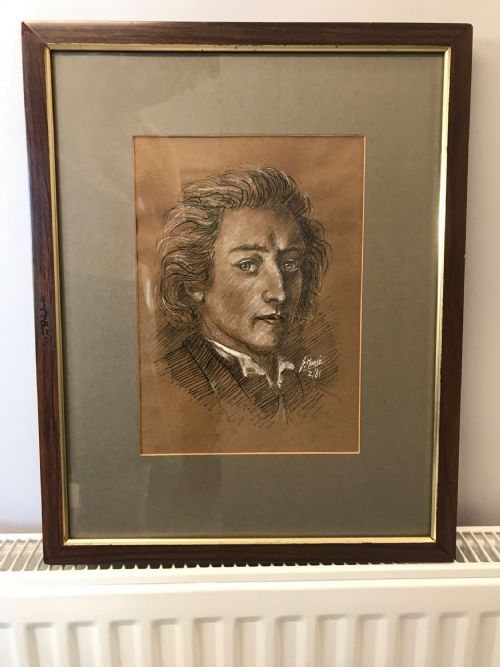
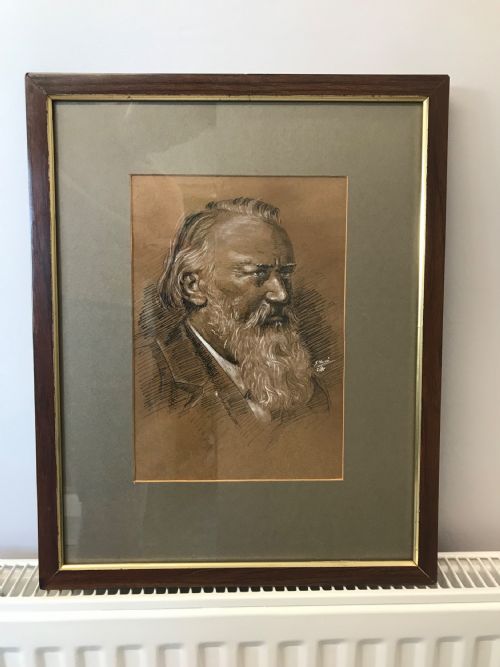
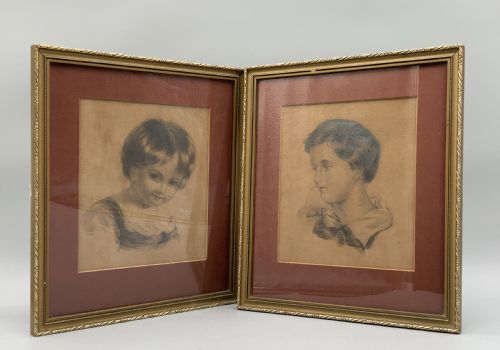


Brown Paper Portrait Drawing
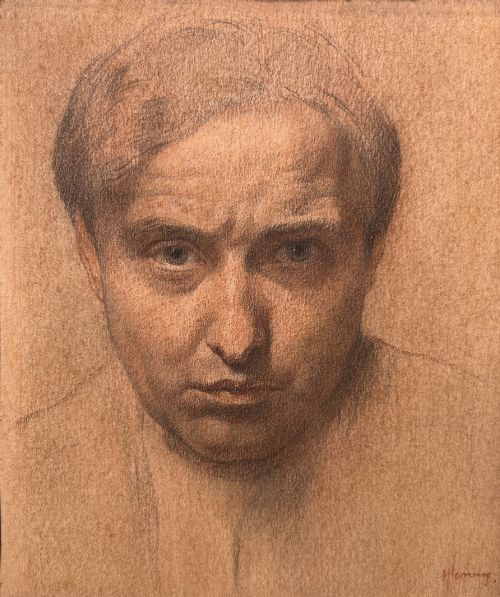
A brown paper portrait drawing brings character to a room through expressive lines and the warm tone of the surface.
Brown Paper Portrait Drawing
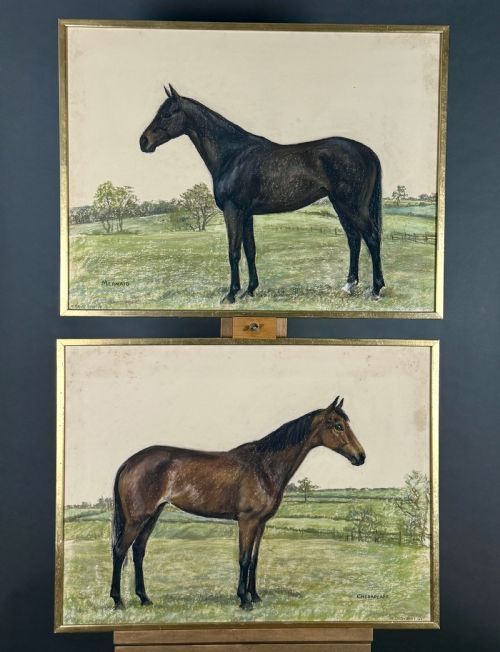
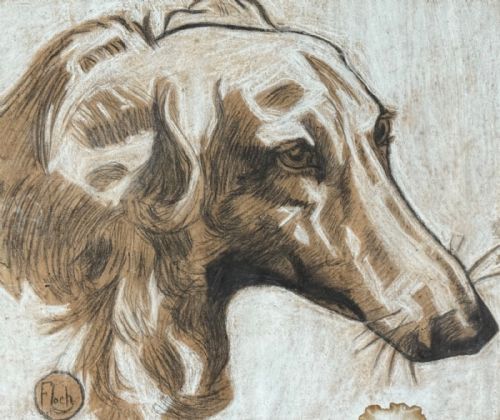
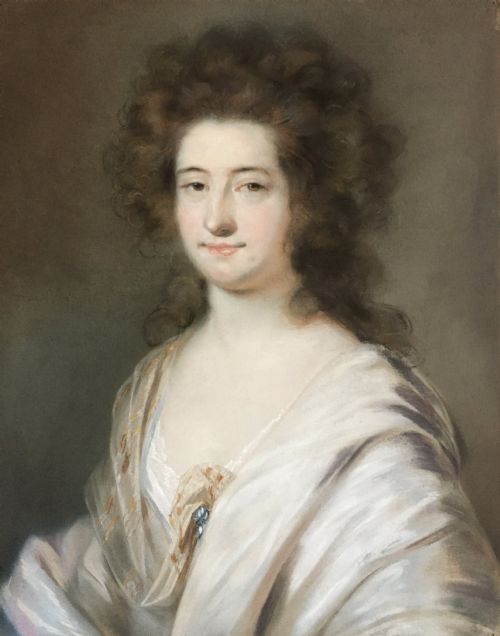
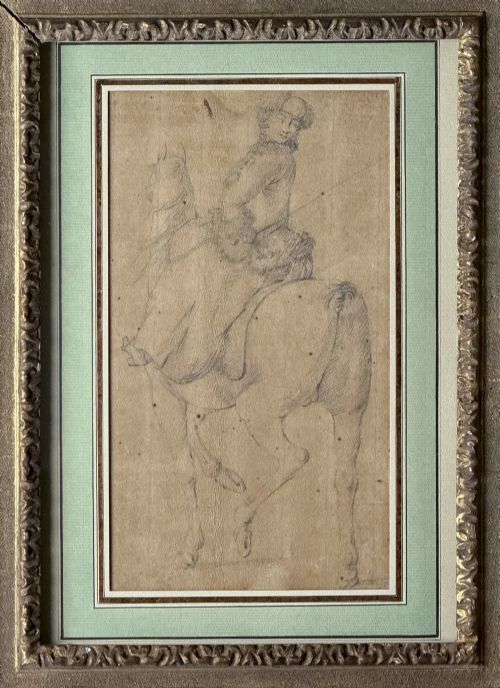
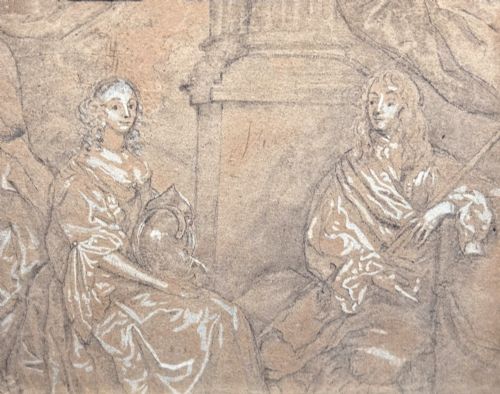
A brown paper portrait drawing captures a likeness using tinted paper as a midtone for highlights and shadows. The selection spans centuries from the seventeenth century to later than nineteen sixty, taking the form of framed artwork and wall art.
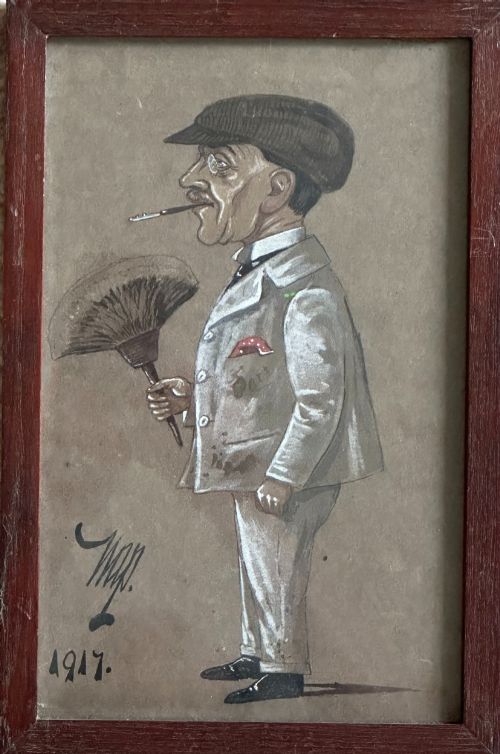
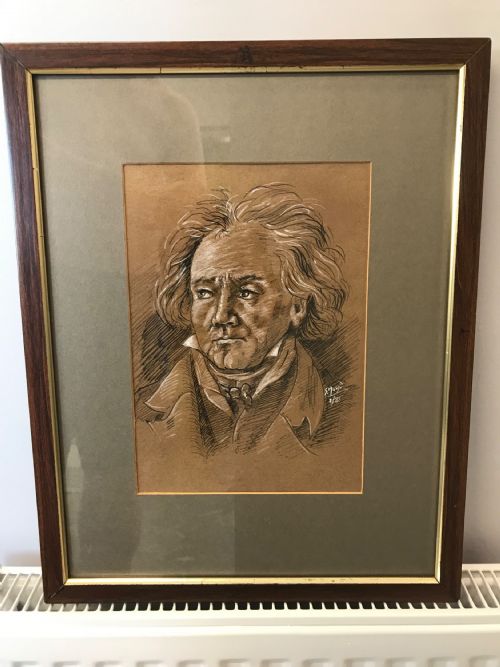
Subjects range from historical figures and musicians such as Ludwig van Beethoven and Frédéric Chopin to literary figures and anonymous sitters. You will encounter pastel portraits, caricatures, and detailed studies executed in various schools.
The materials provide a distinct visual weight where the buff or tinted paper integrates directly into the composition. These works function as intimate records of individual appearance preserved across different eras.
Materials and technique
Artists utilise paper as a foundational tone, applying chalk, graphite, and charcoal to build form. Highlights are often introduced with white bodycolour or gouache to lift areas against the darker background.
Brown Paper Portrait Drawing Retail Price Guide 2026
Typical asking prices for brown paper portrait drawing among the pieces listed under this phrase on Sellingantiques today, from the lower quarter to the upper quarter. They describe what is for sale here now, not the wider market.
Dogs and mermaids share the drawing desk with composers and statesmen.
What varies in quality
The strength of the draftsmanship dictates the visual impact of the portrait. Confident handling of charcoal and chalk reveals the skill of the hand behind the work, whereas hesitant lines diminish the presence of the sitter.
The interaction between the medium and the paper surface defines the success of the piece. Superior examples use the tone of the paper to unify the composition, while lesser works treat the background merely as empty space.
Theobald Chartran·Henri Josephe Hesse·George Richmond·Sir Nathaniel Dance-Holland·Juliet Pannett
The Brown Paper Portrait Drawing Glossary
- Buff paper
- A pale brownish-yellow paper commonly utilised as a midtone surface for portrait drawings. It provides a warm background that eliminates the starkness of pure white.
- Gouache
- An opaque watercolour paint used in drawings to add bright highlights and solid areas of colour. It sits on top of the paper rather than sinking into the fibres.
- Pastel
- A dry medium composed of powdered pigment and a binder, pressed into stick form. It creates velvety textures that adhere closely to paper surfaces.
- Wash
- Diluted ink or watercolour applied with a brush to create tonal depth and shadow. It is frequently layered beneath or over pencil lines.
Brown Paper Portrait Drawing: Frequently Asked Questions
What is a brown paper portrait drawing?
These works are original portraits executed on tinted or buff paper using media like chalk, pastel, and ink. The coloured paper acts as a compositional element that anchors the tones.
Artists across the eighteenth, nineteenth, and twentieth centuries favoured this technique for quick studies and finished cabinet pieces alike.
How should I frame a portrait on paper?
Framing requires conservation-grade materials to protect fragile media such as charcoal and pastel from rubbing against the glass. UV-filtering glazing helps prevent the tinted paper from fading over time.
Keep the drawing away from direct sunlight and high humidity to preserve the integrity of the paper and the dry pigments.
How do I identify the period of a drawing?
Dating relies on the clothing style of the sitter, the framing methods, and the specific qualities of the paper and media used. Signatures and inscriptions often provide direct links to the artist and year of creation.
Stylistic markers such as the loose realism of the nineteenth century or the clean lines of Art Deco help place the work in context.
Are these drawings original works?
Every piece listed is a unique original artwork created by hand rather than a modern reproduction or print. Artists drew directly onto the paper using graphite, ink, or gouache.
This means each portrait carries the individual hand and corrections of the maker.