


Brown Painted Cabinet
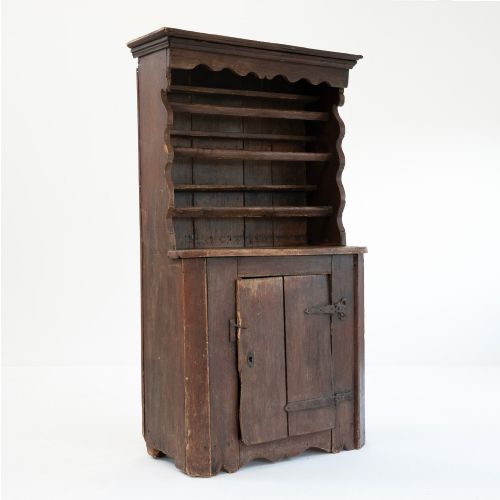
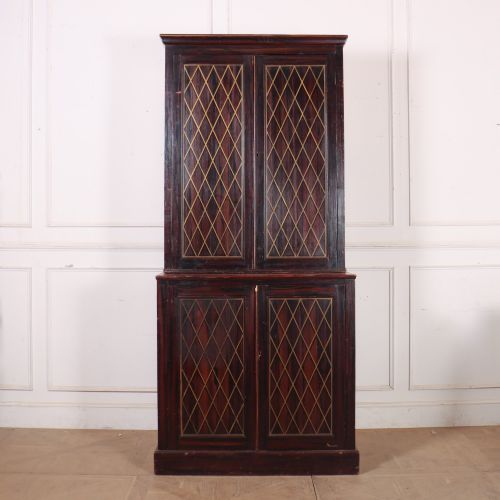
A brown painted cabinet brings warmth and character to a room, offering practical storage through hand-finished surfaces.
Brown Painted Cabinet
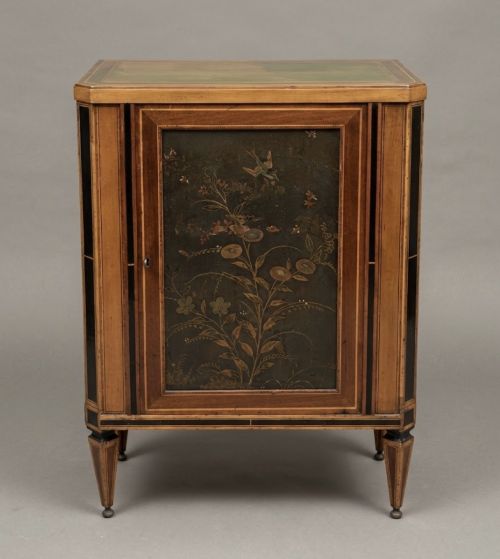
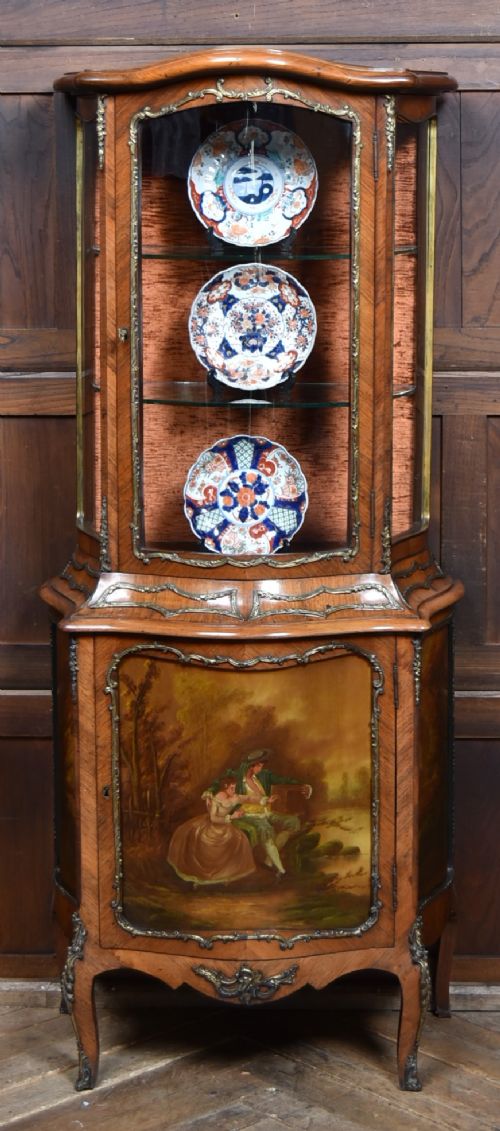
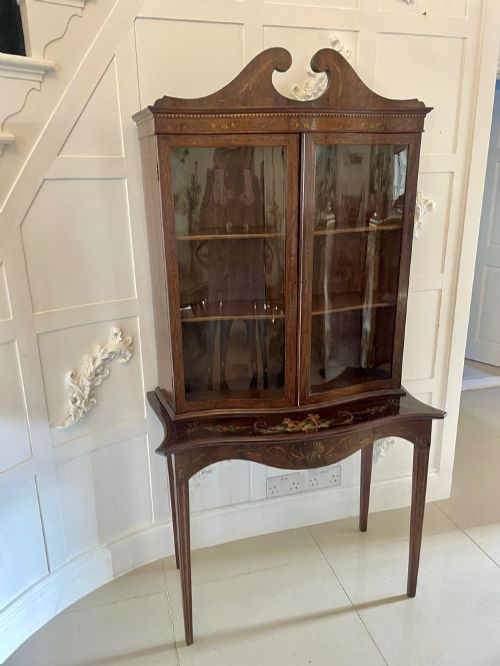
A brown painted cabinet encompasses pieces designed for storage and display, appearing across periods from the eighteenth century to the twentieth century. These items range from country cupboards and kitchen dressers to refined display cabinets and vitrines.
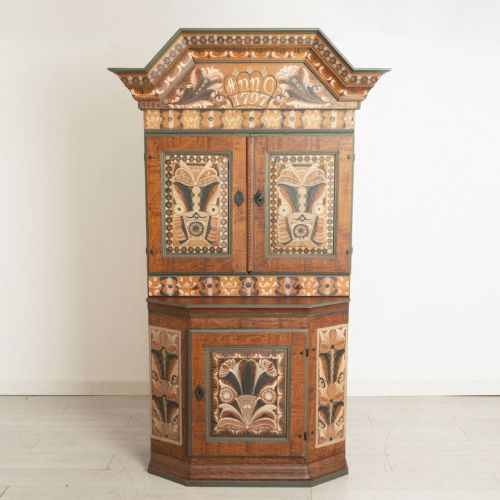
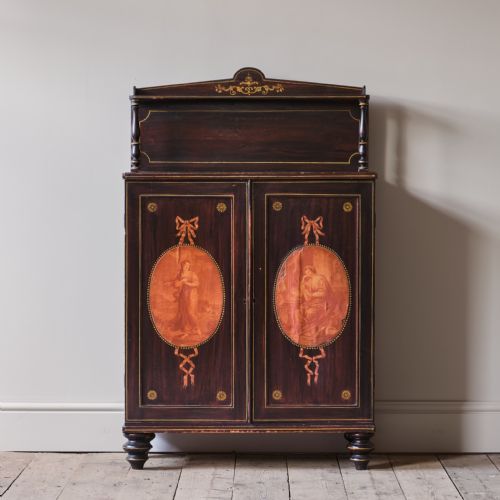
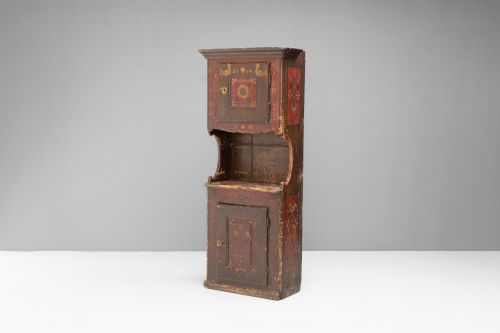
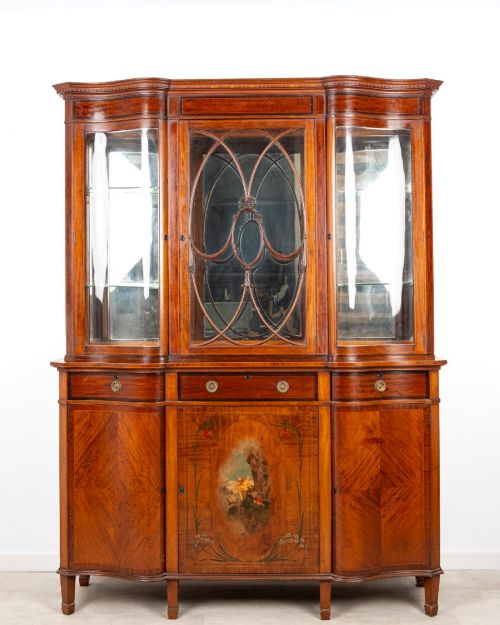
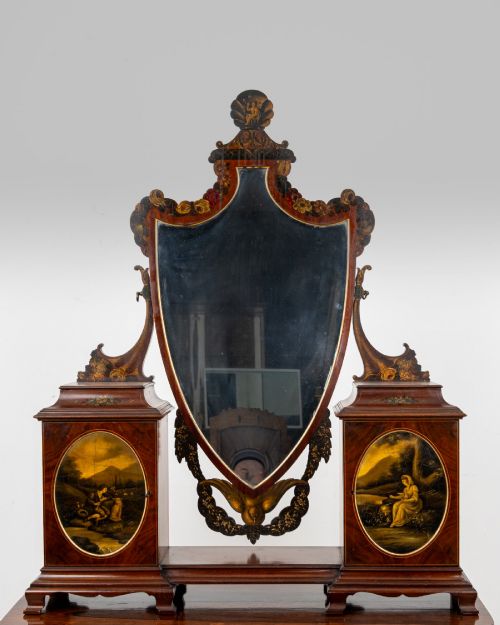
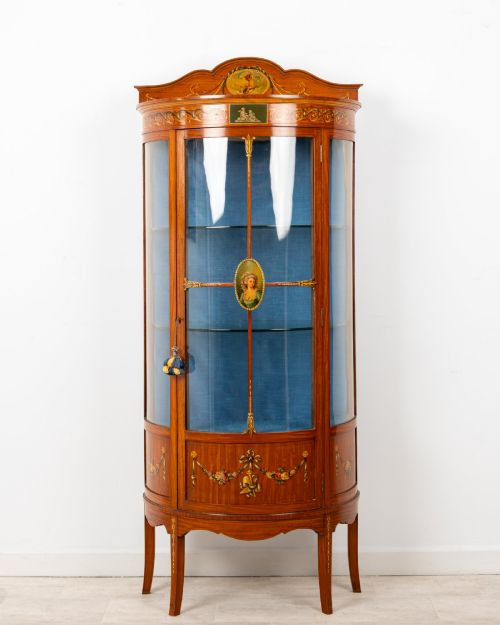
The most common variants on this page include pine cupboards finished in scumble or folk art paintwork alongside mahogany and satinwood display cabinets with applied painted decoration. Pieces originate from diverse European traditions, including British, Swedish, and French workshops.
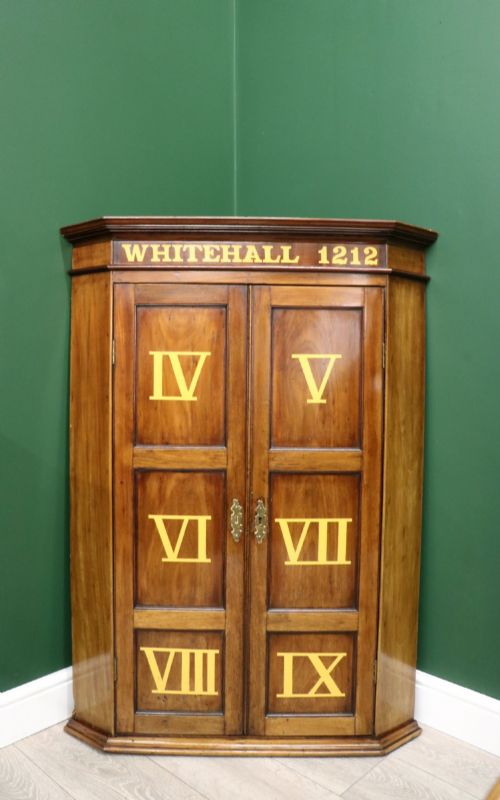
Forms span corner cabinets, wall-mounted units, and freestanding wardrobes, each reflecting the domestic requirements of its era. Whether utilitarian school and housekeepers' cupboards or decorative salon cabinets, the unifying element is a painted brown exterior surface.
Materials and construction methods
Carpenters typically built the carcass from pine, oak, or mahogany, utilising solid timber panels and dovetailed joints for structural stability. Finer display pieces incorporated satinwood or kingwood veneers over secondary woods.
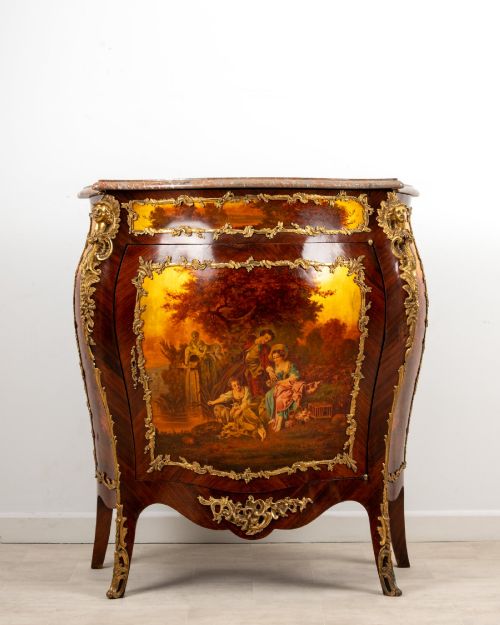
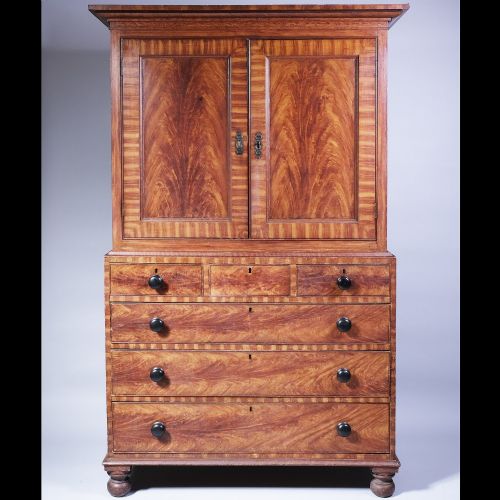
Surface finishes relied on oil-based paints, scumbling techniques, or vernis martin lacquering to imitate exotic timbers or provide durable colour. Artisans frequently added brass mounts, ormolu details, and glass panels to display doors.
Brown Painted Cabinet Retail Price Guide 2026
Typical asking prices for brown painted cabinet among the pieces listed under this phrase on Sellingantiques today, from the lower quarter to the upper quarter. They describe what is for sale here now, not the wider market.
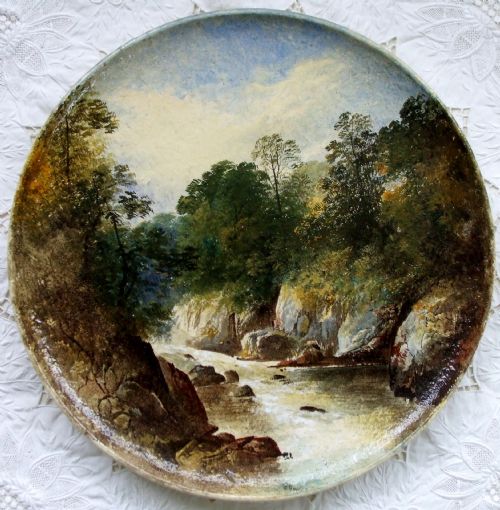
A nineteenth-century apothecary box in indigo paint waits quietly beside taxidermy bird specimens and Victorian pottery plaques.
Distinctions in quality
The sophistication of the painted surface defines the visual merit of a piece, distinguishing simple folk art applications from intricate polychrome or vernis martin work. Original painted finishes carry greater historical weight than later overpainting.
Construction details such as hand-cut dovetails, original brass or ormolu hardware, and intact glass panes indicate higher standards of workshop production. The balance of proportions and the refinement of subsidiary timbers like satinwood separate utilitarian furniture from high-style cabinetmaking.
Franz Bergman·François Linke·William Yale
The Brown Painted Cabinet Glossary
- Scumble paint
- A decorative glazing technique applied over a base coat to simulate the grain pattern of timber or create mottled texture. Artisans achieved this effect using combs, rags, or brushes on pine furniture.
- Vernis martin
- A European lacquer finish developed to imitate Asian japanning, prized for its translucent depth and glossy sheen. Makers applied multiple resin layers over painted scenes.
- Ormolu
- Gilt-bronze mounts used to decorate the corners, feet, and cornices of high-status cabinets. This cast metalwork added metallic contrast to polished wood and painted surfaces.
- Vitrine
- A glass-fronted display cabinet designed to exhibit porcelain, books, or curiosities. These pieces often feature satinwood or mahogany frames with painted or inlaid details.
- Bonheur du jour
- A small writing desk featuring a tiered superstructure with shelves, drawers, or a small cupboard above the work surface. These refined pieces typically date from the Georgian and Edwardian periods.
Brown Painted Cabinet: Frequently Asked Questions
What is a scumble painted finish?
A scumble paint finish involves dragging or wiping a translucent top layer over a lighter base colour to mimic natural wood grain. This technique gave humble pine furniture the appearance of richer timbers.
Cabinetmakers utilised this method across the nineteenth century to elevate everyday storage pieces. The resulting surface bears visible brushwork or textural patterns unique to each application.
How do I identify a marriage cupboard?
Marriage cupboards were commissioned to mark weddings, often featuring initials, dates, or symbolic motifs painted onto the panels. Swedish and Italian examples frequently display vibrant folk art decoration for this purpose.
These pieces served as central storage items in domestic settings. The exterior iconography usually reflects the cultural traditions of the region where the workshop operated.
Where were corner cabinets placed?
Corner cabinets fitted directly into domestic room junctions to maximise floor space while providing accessible storage. Georgian and Edwardian homes utilised both standing and wall-mounted variants for tableware or books.
Their triangular footprint allowed furniture makers to utilise neglected angles in parlours and dining rooms. Glazed upper doors allowed owners to display valued ceramics safely.
What distinguishes satinwood from mahogany?
Satinwood offers a pale, golden-yellow hue with a natural chatoyancy that reflects light across the grain. Mahogany provides a deeper reddish-brown tone with a denser, uniform structure.
Cabinetmakers frequently combined the two woods in Edwardian display furniture to create visual contrast. Painted decoration was often applied directly over satinwood panels to enhance delicate motifs.