

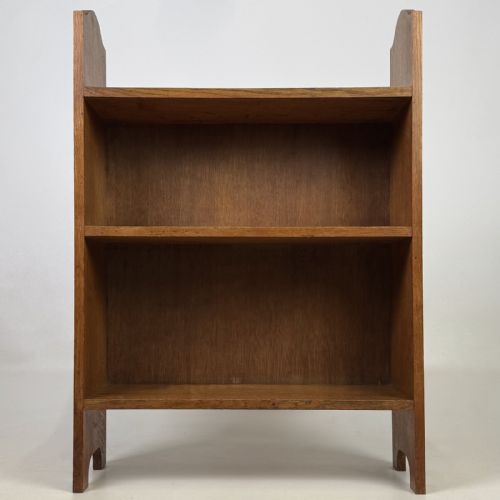
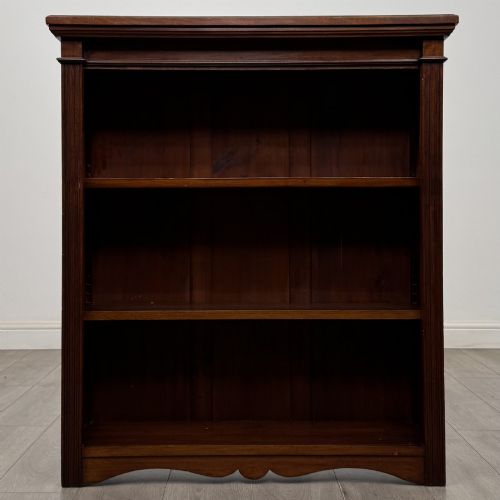
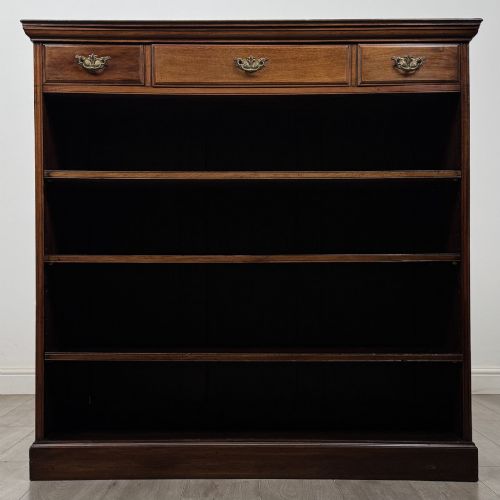
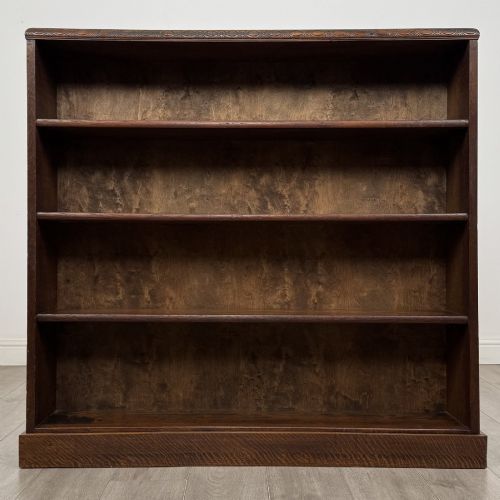


Brown Open Shelving Unit
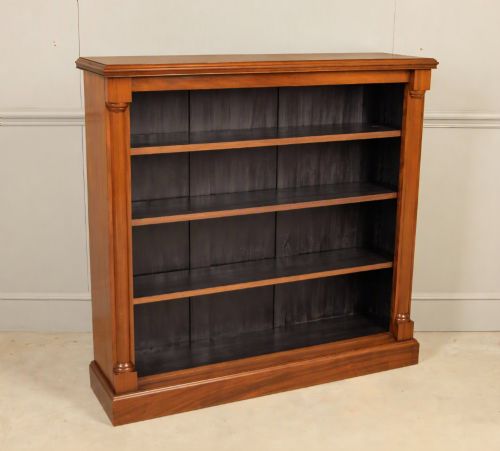
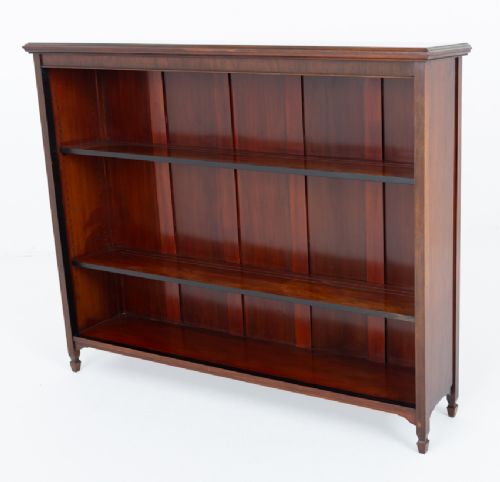
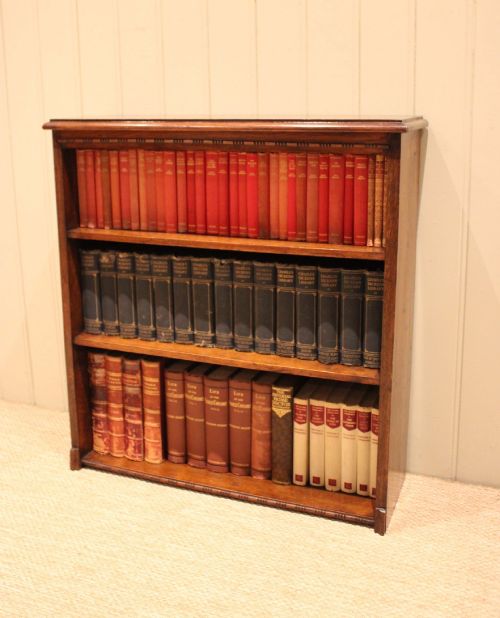
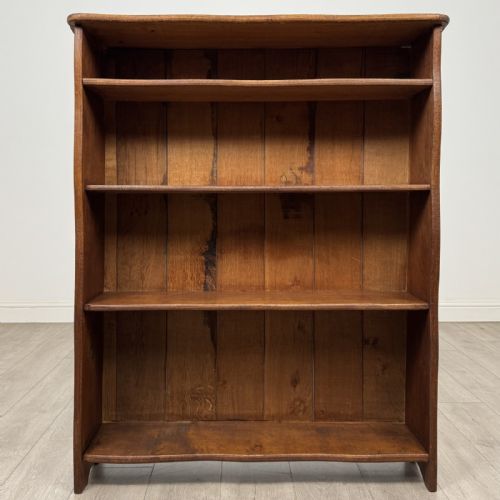
When you search for a brown open shelving unit, you find timber bookcases, whatnots and etageres designed to hold books and display objects.
Brown Open Shelving Unit
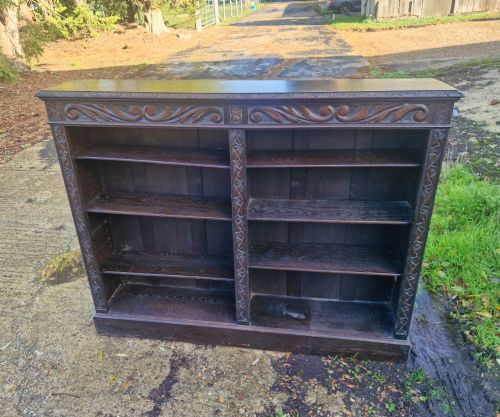
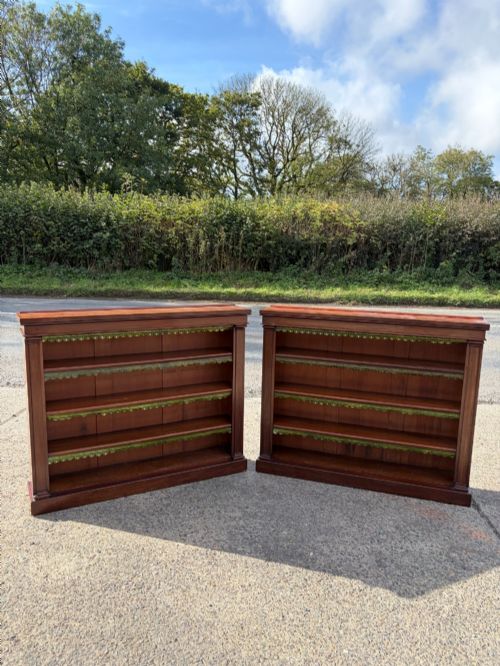
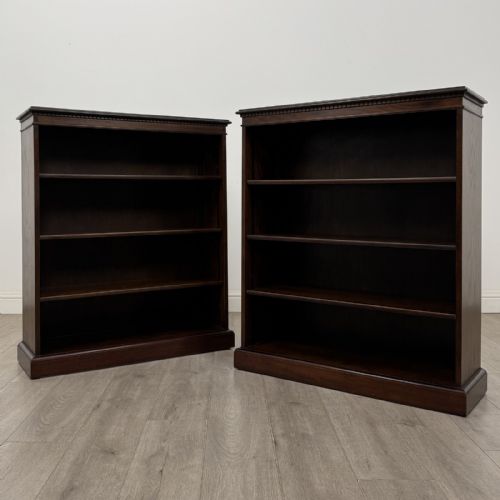
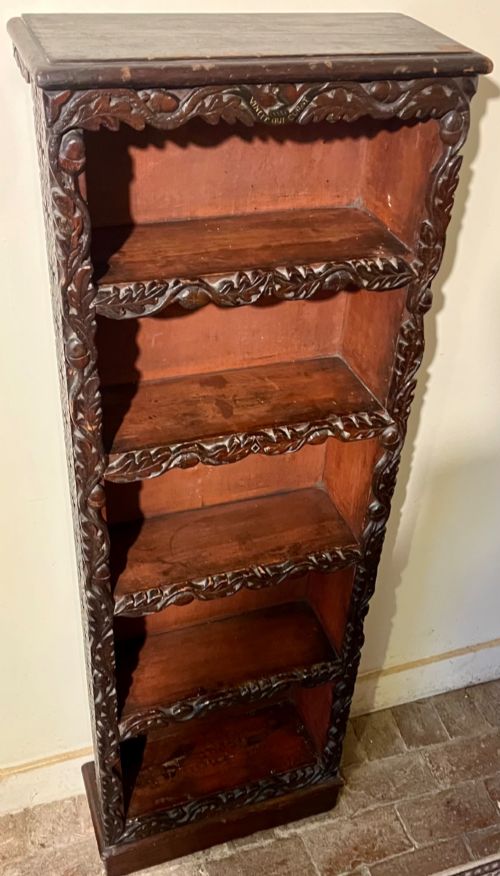
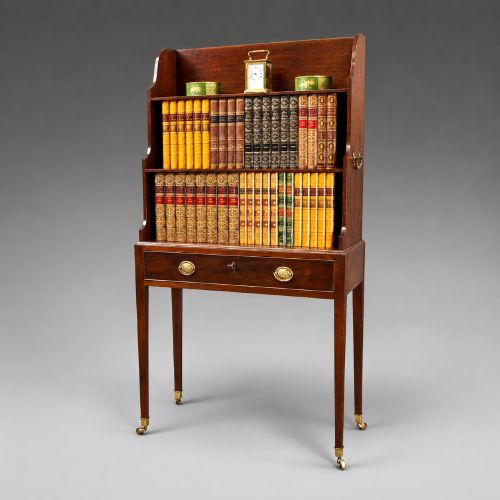
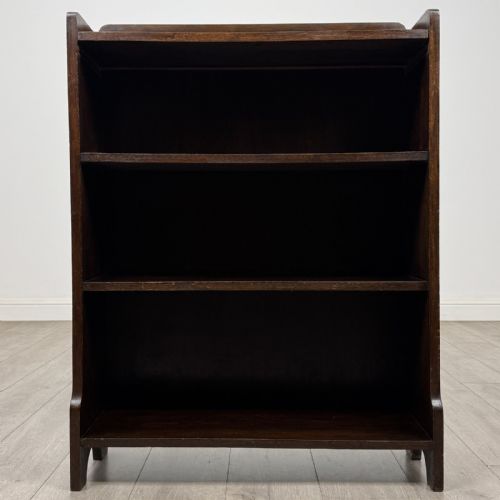
A brown open shelving unit primarily takes the form of an open bookcase, whatnot or etagere made in timber. These pieces span from the nineteenth century through the Edwardian period and into the nineteen-thirties, providing accessible storage and display surfaces without doors.
The version you meet most often on this page is the Edwardian or Victorian oak open bookcase, frequently fitted with adjustable shelves or a raised gallery. Mahogany examples in Georgian or Regency styles also appear regularly, alongside multi-tiered walnut and hardwood whatnots.
How they were made
Makers constructed these brown open shelving units predominantly using solid and veneered timbers such as oak, mahogany, walnut and burr walnut, occasionally incorporating hardwood, pine and ash. Structural joinery relied on traditional pegged joints, dovetails and fitted shelving supports.
Secondary materials included brass for castors and hardware, iron for specialised backs, and glass for related display elements. Surfaces finished with polished grains and inlaid details highlighted the natural patterns of the wood.
Brown Open Shelving Unit Retail Price Guide 2026
Typical asking prices for brown open shelving unit among the pieces listed under this phrase on Sellingantiques today, from the lower quarter to the upper quarter. They describe what is for sale here now, not the wider market.
The listings show periods spanning from the Victorian era and Edwardian years through to nineteen-thirty, utilising oak, mahogany, walnut, burr walnut, hardwood, pine, glass and brass.
What varies in quality
The distinction between tiers of quality rests on the selection of timber and the precision of the joinery, such as pegged construction versus simpler fastenings. Burr walnut and figured mahogany veneers demand higher levels of cabinet-making skill than standard utilitarian pine or oak.
Detailing also separates standard pieces from finer examples, including carved cornices, shaped sides, inlaid borders, brass castors and adjustable shelving mechanisms. Proportion and the integrity of the original timber surfaces dictate the overall standing of each piece.
Heals
The Brown Open Shelving Unit Glossary
- Whatnot
- A movable set of open shelves, typically with three or more tiers, used for displaying ornaments and small objects. It originated in the eighteenth century and remained popular through the Victorian era.
- Etagere
- A piece of furniture consisting of a set of open shelves for displaying small articles. The term shares French origins with the development of multi-tiered display stands.
- Dentil cornice
- A decorative architectural moulding composed of a series of small rectangular blocks projecting like teeth. It frequently crowns the tops of formal bookcases.
- Waterfall bookcase
- A tiered shelving unit where each successive shelf steps back from the one below it. This design creates a cascading profile reminiscent of falling water.
Brown Open Shelving Unit: Frequently Asked Questions
How were brown open shelving units used?
They served primarily to hold books, display decorative objects and organise household items within parlours, libraries and living rooms.
Adjustable shelves and multiple tiers allowed owners to accommodate volumes of varying heights and arrange ornaments for easy viewing.
How do I live with one?
Living with a brown open shelving unit involves placing it against a stable wall where the timber is protected from direct heat sources and strong sunlight.
Regular dusting and occasional treatment with appropriate wood care maintain the finish of the oak, mahogany or walnut surfaces.
How do I tell periods apart?
Periods are identified through characteristic styles, decorative motifs and construction techniques recorded across the nineteenth and twentieth centuries.
Victorian and Edwardian pieces often feature carved oak and raised galleries, while earlier influences appear in Georgian style cornices and later decades introduce Art Deco ash.