




Brown Oak Window Bench
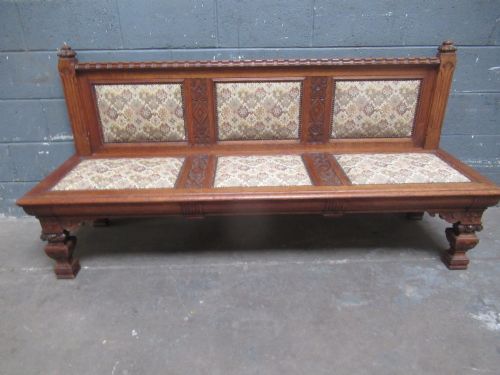
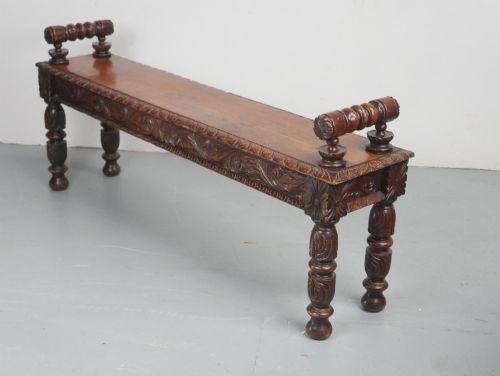
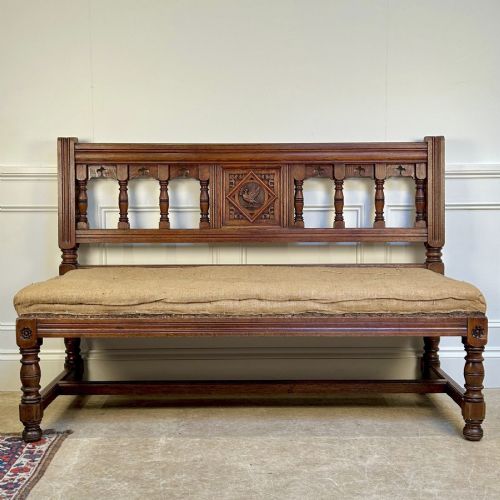
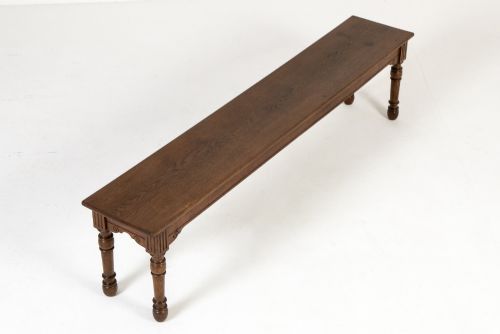
These brown oak window bench examples combine solid nineteenth-century timbers with sturdy joinery to fit neatly beneath low sills.
Brown Oak Window Bench
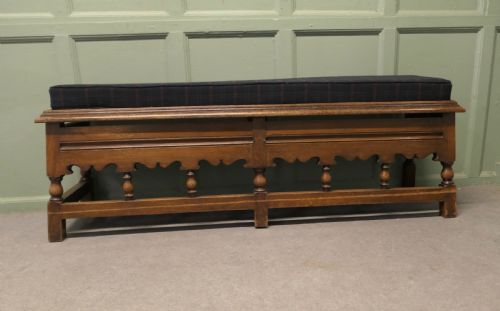
A brown oak window bench provides low seating designed specifically for placement beneath windows, corridors, or hallways in period properties. These pieces draw from nineteenth-century forms, spanning Victorian production and revival styles.
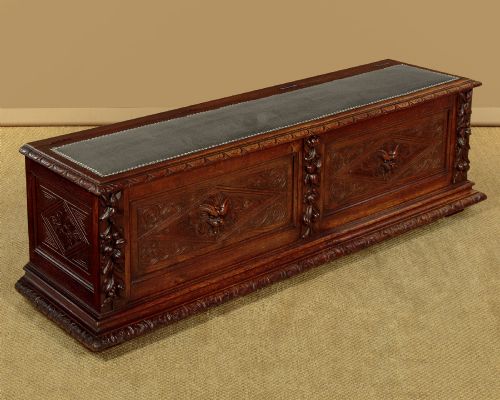
The selection on this page centres on sturdy timber builds, often combining benches with storage boxes, ottomans, or boot stores. Makers built these forms using dense oak, sometimes accented with burr elm timbers.
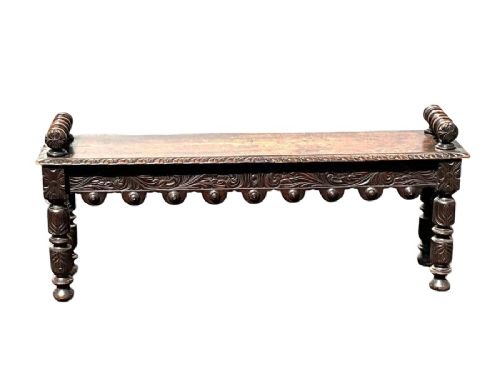
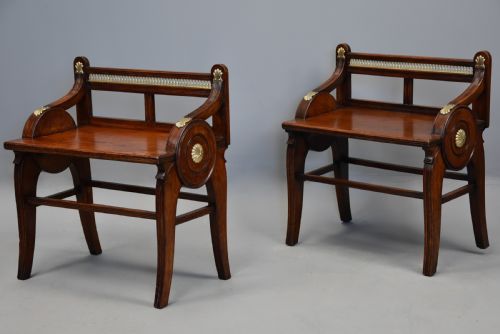
The stylistic lineage stretches from straightforward Victorian utilitarian seating to elaborate Gothic Revival and Aesthetic Movement designs. Examples appear as single long stools, pairs of hall benches, and dedicated window seats.
Materials and construction methods
Cabinetmakers utilised heavy oak timbers for the primary framework, sometimes incorporating burr elm sections to add grain contrast to panels. Brass hardware, such as mounts and handles, provides structural reinforcement and decorative detail.
Upholstered elements rely on traditional textiles including tweed, hessian, fabric, and wool over padded seat foundations. Carved ornamentation, panel detailing, and jointed frames reflect nineteenth-century workshop practices associated with Jacobean and Reformed Gothic revivals.
Brown Oak Window Bench Retail Price Guide 2026
Typical asking prices for brown oak window bench among the pieces listed under this phrase on Sellingantiques today, from the lower quarter to the upper quarter. They describe what is for sale here now, not the wider market.
Materials recorded across these listings include oak, brass, leather, fabric, hessian, tweed, wool, and burr elm.
Distinctions in build and design
Quality rests on the depth of the timber figuring, particularly where burr elm or selected brown oak is present in the grain. Well-executed carving and substantial brass mounting elevate simpler utilitarian forms into distinct decorative statements.
The integration of functional elements, such as hinged ottoman compartments or boot storage cavities, reveals the underlying ambition of the workshop. Pieces bearing documented maker attribution display tighter joinery and more confident stylistic handling than unbranded workshop output.
GIllows·James Shoolbred & Co.
The Brown Oak Window Bench Glossary
- Brown oak
- Timber exhibiting a rich, dark natural colouration derived from fungal activity in the living tree. This wood is prized by cabinetmakers for its deep warm tones and striking grain patterns.
- Burr elm
- A woody outgrowth on an elm tree yielding highly figured timber with swirling grain. Craftsmen utilise this material for decorative panels and accent surfaces.
- Reformed Gothic
- A nineteenth-century design movement promoting simpler, structural interpretations of medieval forms. This style rejects heavy ornamentation in favour of clean geometric lines and exposed construction.
- Hessian
- A coarse woven fabric traditionally utilised as a durable foundation layer in upholstery. Makers apply this textile beneath top covers of wool, tweed, or decorative cloth.
Brown Oak Window Bench: Frequently Asked Questions
What is a brown oak window bench used for?
These pieces provide low seating positioned beneath windows or inside hallways for changing footwear. Many variants also incorporate internal storage boxes or boot stores beneath the seat.
Their narrow proportions allow them to fit into transitional spaces without blocking natural light or passage.
How do I date a nineteenth-century oak bench?
Dating relies on examining construction techniques, tool marks, and stylistic indicators such as Gothic Revival or Aesthetic Movement motifs. Hardware like brass mounts and the type of upholstery foundation also offer clues.
Comparative analysis with documented workshop production helps narrow the decade of manufacture.
Are these benches comfortable for daily sitting?
Many examples feature padded upholstery covered in wool, tweed, or fabric designed for regular seating use. Stiffer wooden top stools rely on cushions for extended comfort.
The sturdy oak frames provide reliable structural support for daily household traffic.
How do I care for antique oak and brass?
Maintenance involves applying appropriate wax polish to nourish the oak timber and preserve the grain. Brass mounts require gentle cleaning to remove tarnish without disturbing the surrounding wood.
Keep these items away from direct heat sources and extreme humidity fluctuations to protect the joints.