

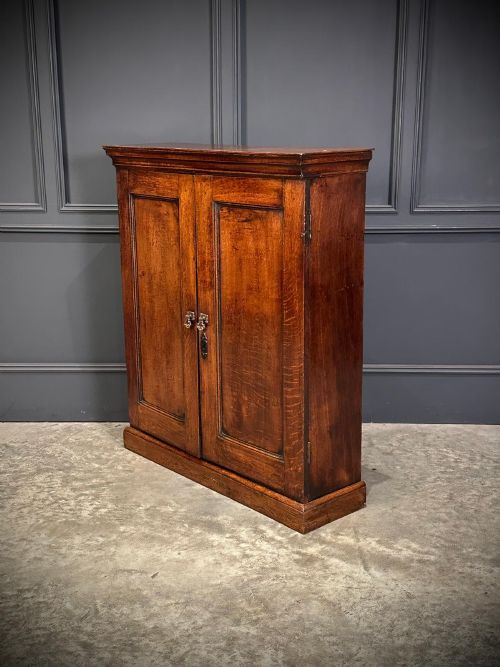
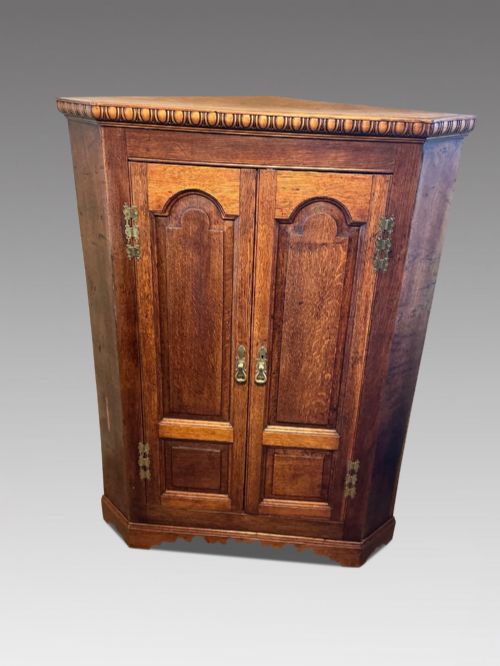
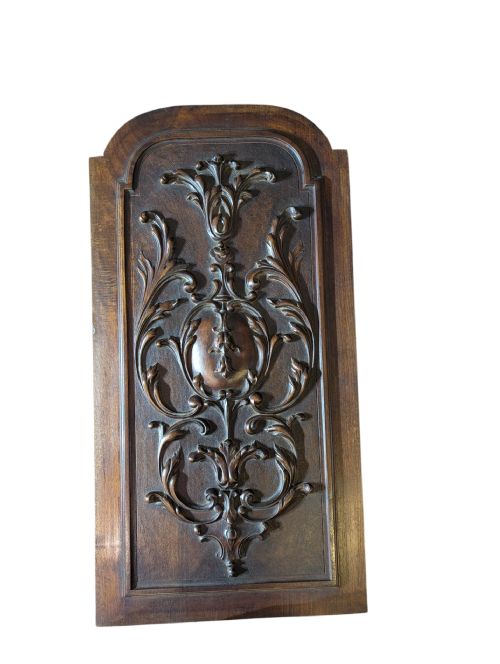


Brown Oak Panel Door
These brown oak panel door pieces bring architectural weight and rich timber tone to an interior, offering practical storage with genuine period character.
Brown Oak Panel Door
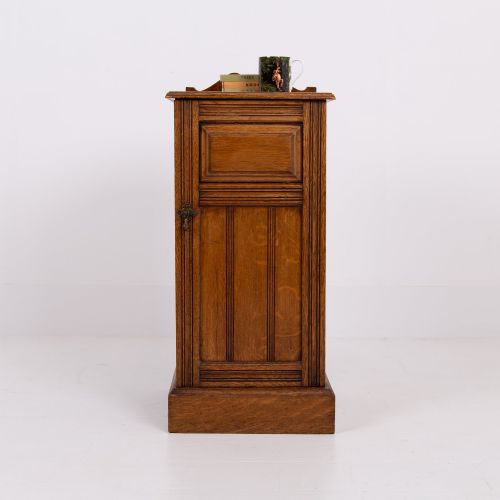
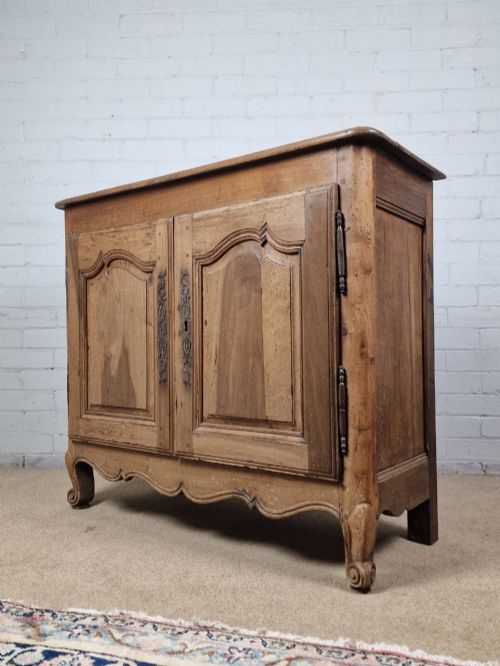
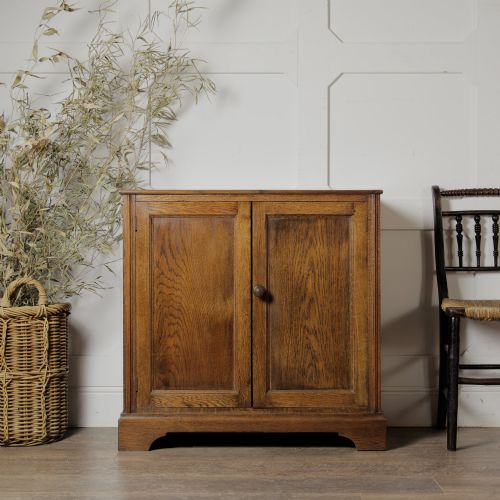
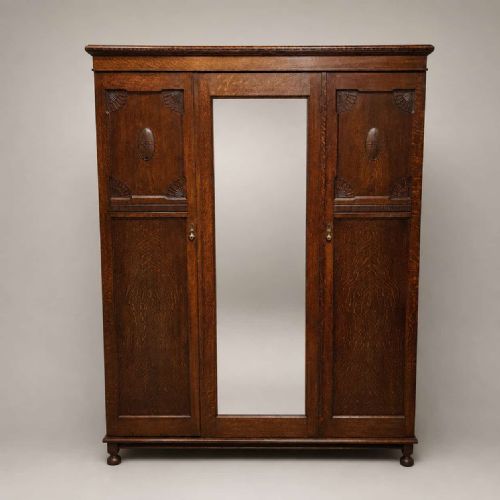
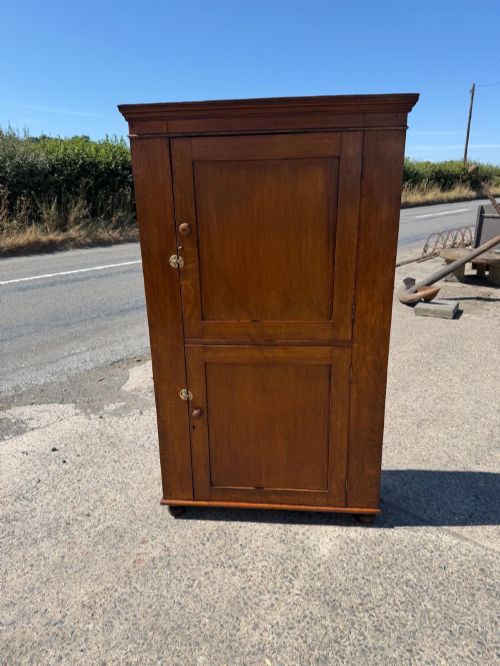
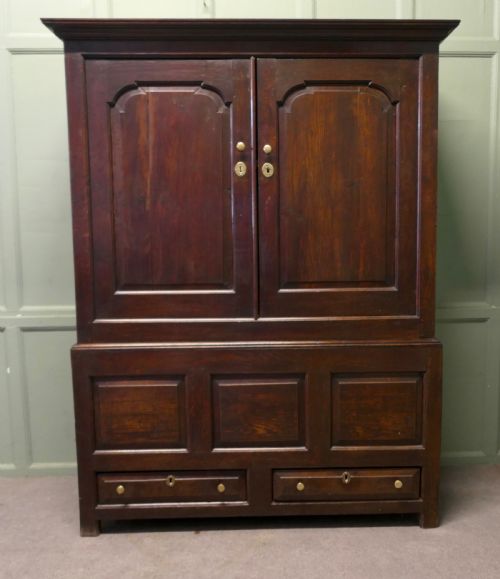
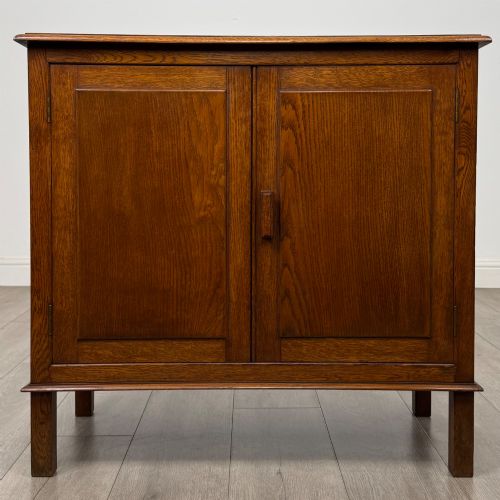
A brown oak panel door search brings together architectural salvage, cupboards, wardrobes and wall cabinets spanning several centuries of cabinetmaking. The pieces range from early eighteenth-century Georgian spice cupboards and housekeepers' cabinets to twentieth-century wardrobes and architectural doors.
The selection reflects diverse regional traditions, from English country workshops to French provincial pieces, encompassing styles such as Georgian, Edwardian, Jacobean Revival and Gothic Revival.
How they were made
Construction relies primarily on solid oak timbers, chosen for durability and distinctive grain patterns, sometimes augmented by secondary woods like fruitwood or walnut. Joinery techniques involve traditional framing and panel assembly to accommodate natural timber movement over decades of use.
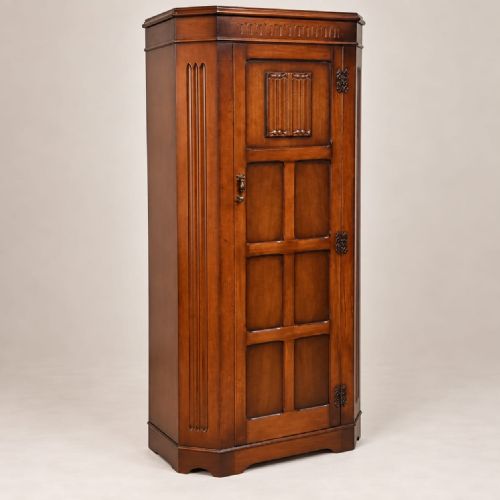
Metal hardware such as brass handles, iron hinges and wrought iron fittings secure the functional elements, while decorative execution employs hand-carved linenfold motifs and raised panels.
Pantry doors disguised with faux oak paint remind us that clever shortcuts are older than we think.
What varies in quality
Quality rests upon the selection of timber and the integrity of the original construction, where tightly fitted joints and substantial oak boards distinguish better examples. The depth and crispness of hand-carved panels, along with the retention of original brass or iron hardware, elevate a piece above standard utility items.
Proportion and surface patination dictate visual success, with mellowed polished finishes and untouched period surfaces holding greater architectural presence than heavily altered or stripped equivalents.
The Brown Oak Panel Door Glossary
- Panel door
- A door constructed with a frame and floating central panels that expand and contract with seasonal humidity changes. This method prevents the wood from splitting.
- Architectural salvage
- Building elements and fittings rescued from older structures for reuse in new interiors. These items preserve period craftsmanship.
- Linenfold
- A style of wood carving that imitates folded linen cloth, popular on sixteenth and seventeenth-century panels. It adds texture to flat wooden surfaces.
- Scumbled
- A paint technique used to simulate natural wood grain on a cheaper secondary timber. Faux oak finishes appear frequently on pantry and alcove doors.
- Corner cupboard
- A specialised cabinet designed to fit neatly into a room junction, maximising floor space. These occur in hanging or floor-standing formats.
Brown Oak Panel Door: Frequently Asked Questions
How do I date a brown oak cupboard?
Dating relies on observing construction methods, timber thickness and joinery details such as hand-cut dovetails or pegged joints. Hardware types and stylistic motifs like linenfold carving provide further chronological markers.
Earlier eighteenth-century examples often display simpler, heavier timber construction and hand-planed boards, whereas later nineteenth-century pieces introduce machine-sawn components and standardised fittings.
Can I use architectural doors inside a modern home?
Salvaged doors adapt well to contemporary interiors when fitted to standard openings or utilised as pantry and alcove closures. Their robust oak construction provides both physical division and decorative impact.
Consider the weight of solid timber and iron hardware before hanging, as older frames may require reinforcement to support heavy panels securely.
What is the difference between standing and hanging corner cabinets?
Standing corner cabinets rest directly on the floor, offering substantial interior capacity with base storage and upper shelving. They function as independent furniture pieces.
Hanging corner cabinets mount directly to wall studs, freeing up floor space beneath them. They serve well in smaller rooms or kitchens for displaying tableware.
How do I care for polished oak furniture?
Maintain polished oak surfaces by dusting regularly with a soft, dry cloth and applying natural beeswax periodically to nourish the timber. Avoid placing wooden pieces near direct heat sources or moisture.
Harsh chemical cleaners strip the historic patination accumulated over centuries, so gentle maintenance preserves both the finish and the value of the piece.