
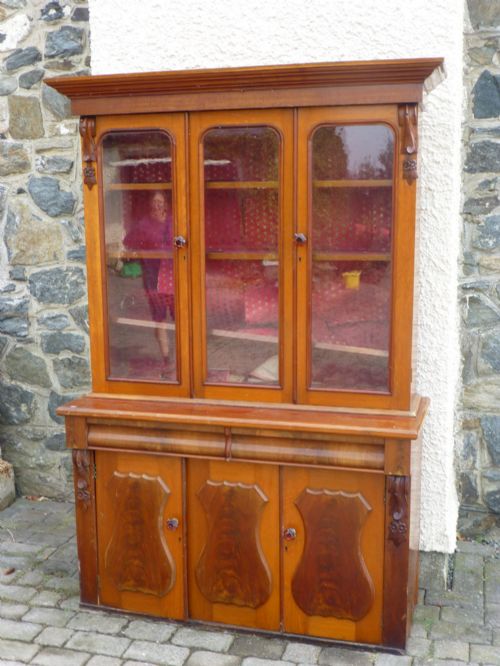
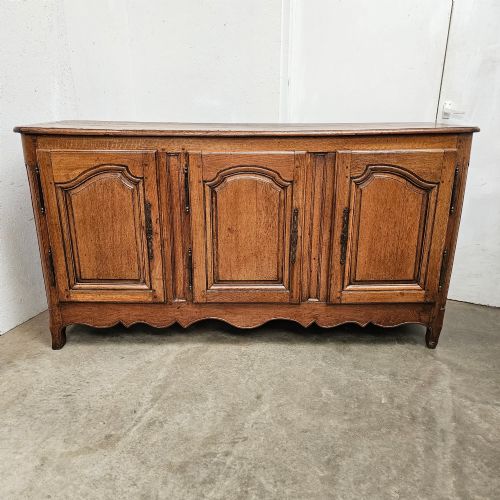
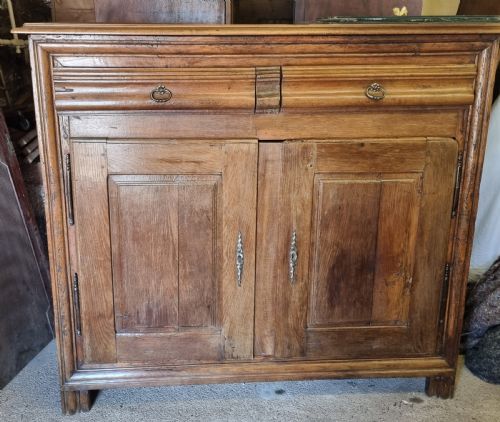

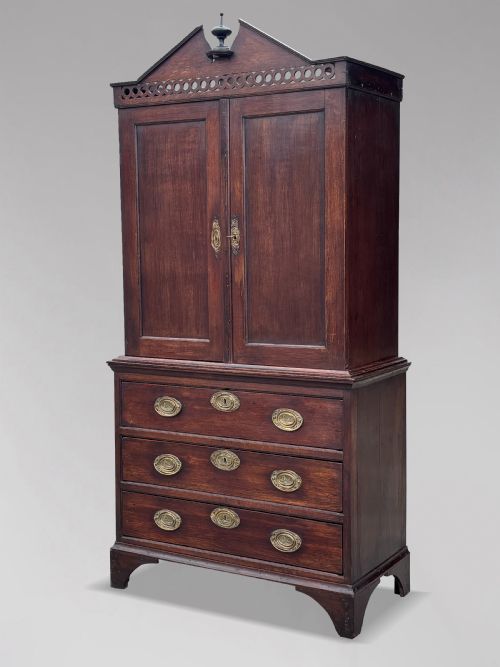


Brown Oak House Cupboard
These brown oak house cupboards are robust timber storage pieces built for rural domestic utility, offering generous space and lasting historical character.
Brown Oak House Cupboard
A brown oak house cupboard is a sturdy storage piece designed for domestic organisation in country houses and rural kitchens. When searching for this phrase, a buyer encounters substantial timber furniture originating primarily from the seventeenth, eighteenth, and nineteenth centuries.
The selections on this page encompass various regional vernacular forms, including housekeepers cupboards, press cupboards, and related kitchen dressers. These functional storage units reflect the practical needs of traditional households across English and French provincial regions.
Makers often combined oak with secondary timbers like elm, fruitwood, and mahogany, utilising brass, glass, and wrought iron for hardware. Styles range from plain primitive country and Georgian country to Victorian Welsh vernacular and Jacobean revival.
How they were made
Joiners constructed these cupboards using solid timber planks joined with traditional methods, often incorporating pegged mortise and tenon joints for structural stability. Blacksmiths provided hand-wrought iron hinges and locks to secure the heavy doors.
Secondary timbers such as fruitwood and elm frequently appear alongside primary oak structures, particularly in drawer linings and panels. Glass panels feature in glazed upper sections of dressers and bookcases, while brass fittings add functional detail.
Hardware options include wrought iron blacksmith locks, brass fittings, and glass panels.
What varies in quality
Quality in these brown oak house cupboards depends on the selection of timber, the integrity of the original construction, and the preservation of surfaces. Pieces retaining original blacksmith hardware and untouched timber patination stand apart from heavily restored examples.
Regional variations in joinery skill and design proportion also separate standard utilitarian storage from finer vernacular work. The balance between practical utility and decorative regional detailing defines the character of the superior pieces.
The Brown Oak House Cupboard Glossary
- Housekeepers cupboard
- A large storage cabinet traditionally used for storing linen, dry goods, and household provisions. These pieces often feature multiple doors and internal shelving.
- Vernacular
- Architecture and furniture built by local craftsmen using traditional regional methods and locally sourced materials rather than high-style academic designs. This approach prioritises function and local availability.
- Breakfront
- A cabinet design where the central section projects forward from the flanking sections. This configuration adds architectural depth to large cupboards and dressers.
- Fruitwood
- Dense timber harvested from fruit-bearing trees such as pear or apple, utilised for panels, inlay, and secondary construction. It provides a smooth texture and warm tone.
- Patina
- The surface sheen and colour developed on timber through decades of handling, polishing, and natural oxidation. A rich patina indicates age and continuous use.
Brown Oak House Cupboard: Frequently Asked Questions
What is a housekeepers cupboard?
A housekeepers cupboard is a tall, utilitarian storage piece traditionally used in large country houses to store linens, dry goods, and household provisions. These substantial cabinets typically feature panelled doors enclosing interior shelving or drawers.
They served as the organisational centre of domestic administration before fitted kitchens became common. Today, they function well as standalone storage in modern dining rooms or hallways.
How do I date an oak cupboard?
Dating an oak cupboard involves examining construction methods, timber characteristics, and hardware. Earlier pieces from the seventeenth and eighteenth centuries often display hand-riven timber, pegged joinery, and blacksmith-made iron hinges.
Later Victorian and Edwardian examples frequently incorporate machine-sawn timber, standardised brass fittings, and revival styles. Comparing the construction details with documented regional examples helps establish the period.
Where were these cupboards made?
These cupboards originated in regional workshops across England, Wales, and France, reflecting distinct local building traditions. English and Welsh pieces frequently utilise domestic oak and elm, while French examples showcase regional fruitwood and provincial styling.
Local craftsmen adapted standard forms to suit the specific storage needs of rural households and farmhouses. This regional diversity gives each piece a distinct local character.
How do I care for antique oak?
Antique oak benefits from stable indoor humidity levels away from direct heat sources and strong sunlight, which can dry out and split the timber. Regular dusting with a soft, dry cloth preserves the surface without requiring heavy chemical polishes.
Applying a traditional beeswax occasionally helps nourish the wood and maintain its natural lustre. Gentle maintenance protects the historic surface and patina developed over centuries.