



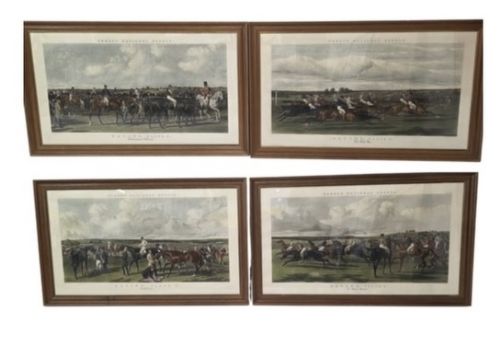
Brown Oak Framed Art
Brown oak framed art brings together rich timber surrounds and historic paintings, prints, mirrors, and tiles from the seventeenth century onward.
Brown Oak Framed Art
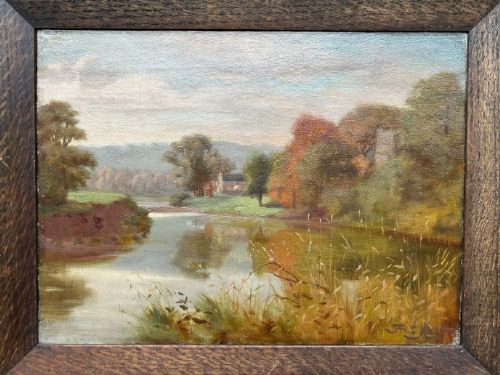
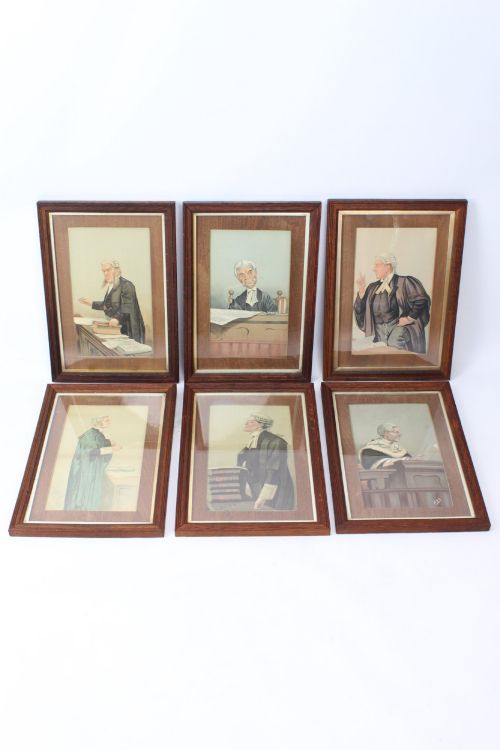
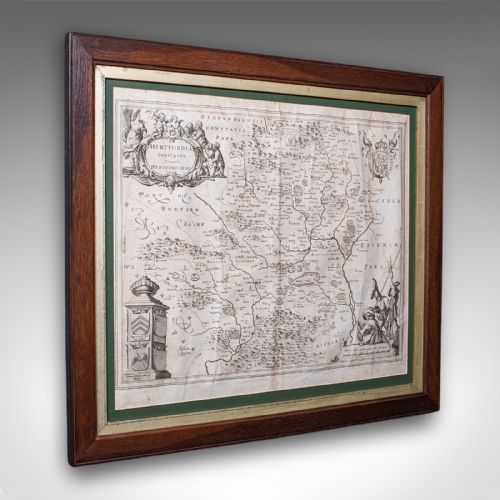
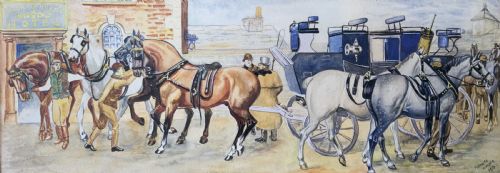
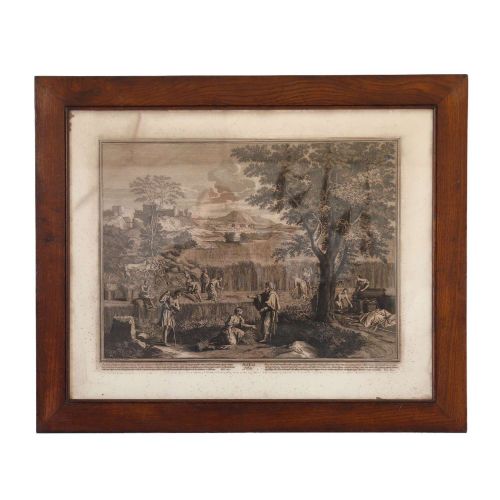
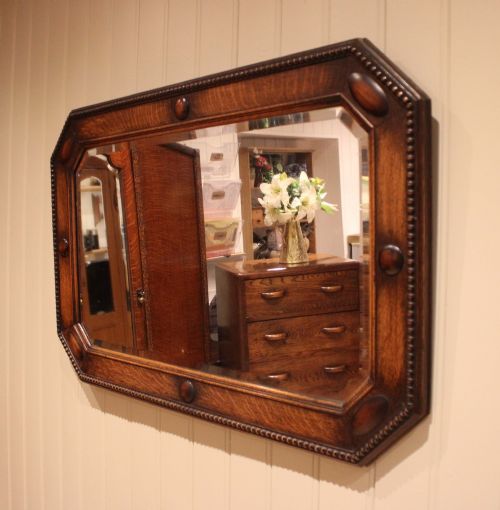
When you search for brown oak framed art, you encounter a diverse collection of wall hangings, mirrors, and paintings encased in timber mouldings. The pieces span from seventeenth-century panels and seventeenth-century cartography to Victorian watercolours, Edwardian prints, and early twentieth-century oil paintings on canvas or board.
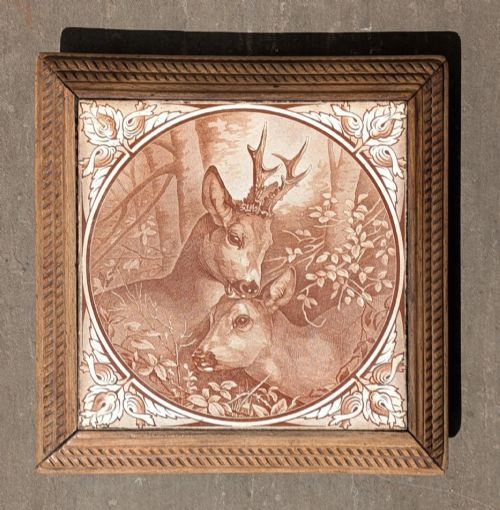
The selection on this page relies heavily on wooden frames enclosing paper, glass, oil paint, and gouache. Alongside standard wall art, the inventory includes framed tiles, decorative mirrors, and needlework samplers.
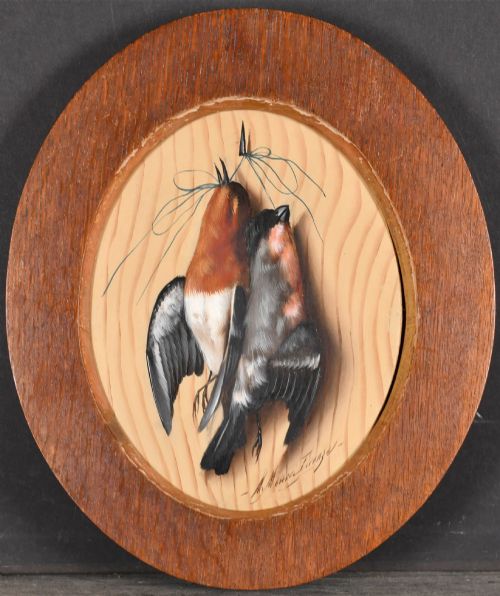
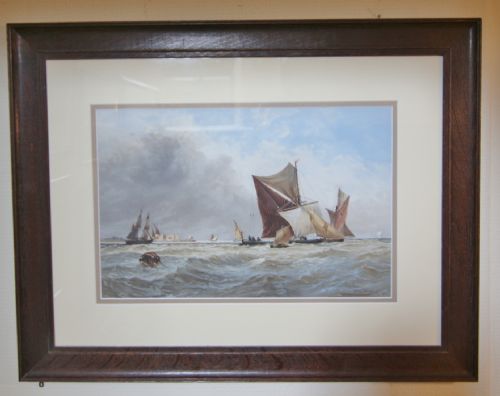
Most examples originate from the nineteenth and early twentieth centuries, reflecting the periods when dark wood framing gained popularity for domestic interiors. These pieces range from naive portraits and landscape oils to maritime scenes and botanical engravings.
Materials and construction
Makers utilised solid oak and wood veneers for the structural surrounds, often pairing the timber with glass panes to protect delicate watercolours, engravings, and paper prints. Canvases and wooden panels served as the primary supports for oil paintings, while brass fixings frequently provided hanging support.
Framing techniques varied from simple moulded wooden strips to carved panels and period housings, such as original nineteenth-century maker frames. The artworks themselves combine traditional media including oil paint, watercolour, gouache, lithography, and hand-coloured engraving.
Listings feature works spanning the seventeenth century up to the 1940s, utilising oak, glass, paper, and oil paint.
Assessing quality and condition
Quality rests in the harmony between the artwork and its timber mount, where period-appropriate framing enhances the visual weight of the central piece. Originality plays a major role, distinguishing pieces retained in their initial frames from later marriages of art and timber.
The finesse of the physical construction dictates the tier of the piece, visible in joined corners, timber grain depth, and the preservation of the underlying paper, canvas, or panel. Finer works display accomplished brushwork or crisp cartography, supported by stable wood free from heavy warping.
Frederick Marriott·Blaeu·F Corpuz·Michelangelo Meucci·TB Hardy·Sherwin and Cotton·David Roberts·Louis Haghe·Henry Charles Fox·John Constable·Jonathan Couch
The Brown Oak Framed Art Glossary
- Oak
- A dense, durable hardwood utilised extensively for furniture and picture frames, characterised by prominent growth rings and medullary rays.
- Oil Painting
- Artwork created using pigments suspended in a drying oil medium, typically applied to stretched canvas or a wooden panel.
- Cartography
- The science or practice of drawing maps, often appearing in antique framed pieces as engraved or printed county charts.
- Gouache
- An opaque water-based paint type consisting of pigment and other inert materials mixed with water, yielding a flat finish.
- Lithography
- A planographic printing process using a stone or metal plate, enabling the reproduction of detailed illustrations and prints.
Brown Oak Framed Art: Frequently Asked Questions
How do I date a wooden frame?
Dating relies on timber jointing methods, backboards, and the style of the moulding profile. Earlier frames often employ hand-cut fixings and distinct joinery.
Comparing the construction to known period pieces helps establish whether the frame is original to the artwork or a later replacement.
Are oil paintings on panel older than canvas?
Wooden panels were common supports in earlier centuries before stretched canvas became the dominant medium for artists. Seventeenth-century works frequently utilise wooden panels.
Canvas adoption grew steadily through the Georgian and Victorian eras, though panels continued to be used for smaller studies.
How should I hang antique wall art safely?
Wall art requires secure fixings suited to the weight of the timber frame and the wall construction. Professional mirror plates or sturdy picture wire distribute the load evenly.
Keeping pieces away from direct sunlight and damp environments protects both the wooden frame and the artwork inside.
What defines Arts and Crafts framing?
Arts and Crafts framing emphasises simple, honest construction that highlights the natural grain and texture of the oak. Craftsmen avoided excessive ornamentation in favour of clean lines.
These frames often complement naive subjects, nature studies, or hand-printed works from the late nineteenth and early twentieth centuries.