

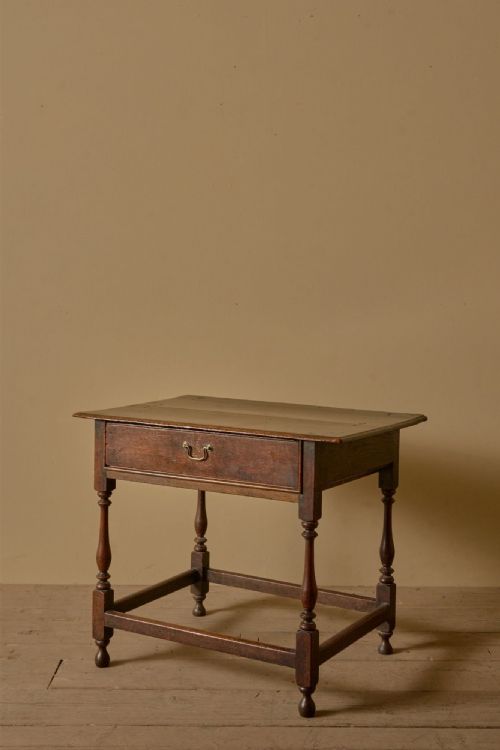
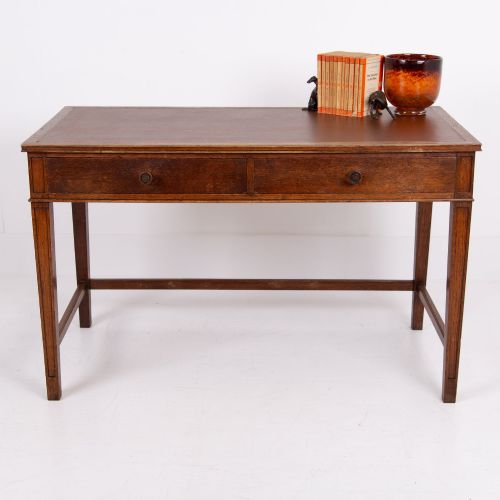
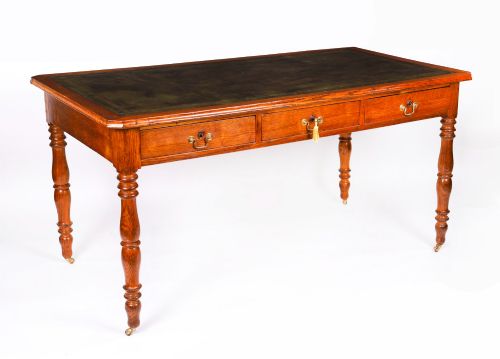
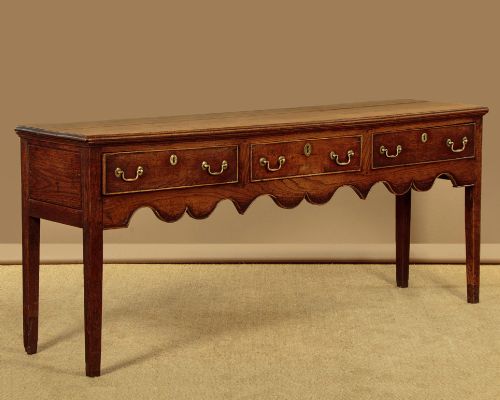
Brown Oak Drawer Table
A brown oak drawer table brings practical storage and rich timber grain together, offering a sturdy surface with integrated compartments for daily use.
Brown Oak Drawer Table
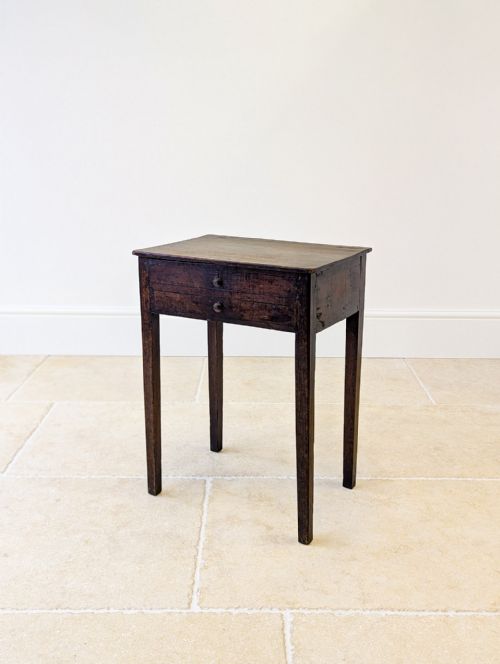
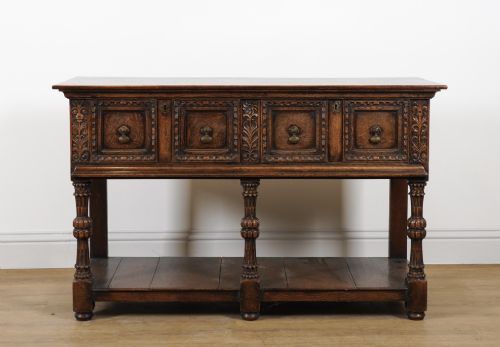
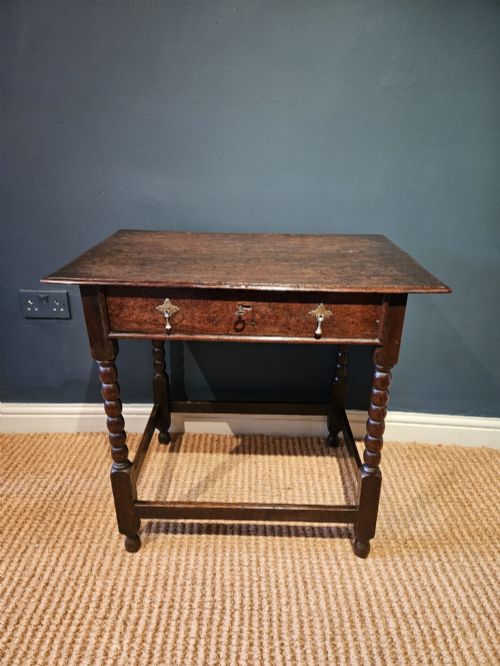
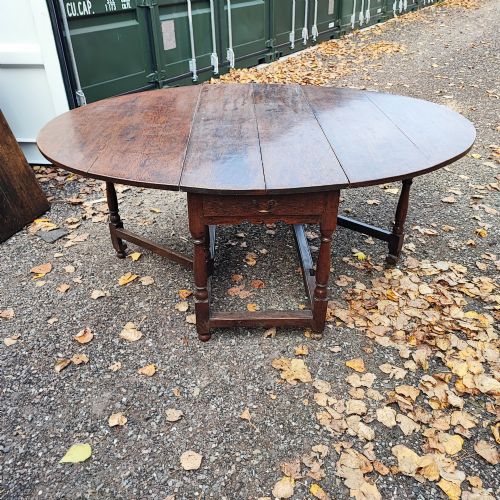
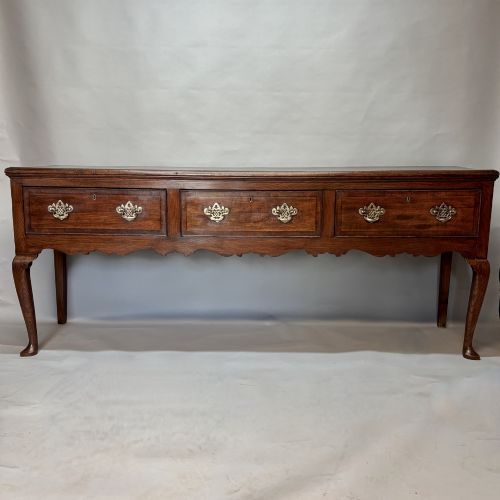
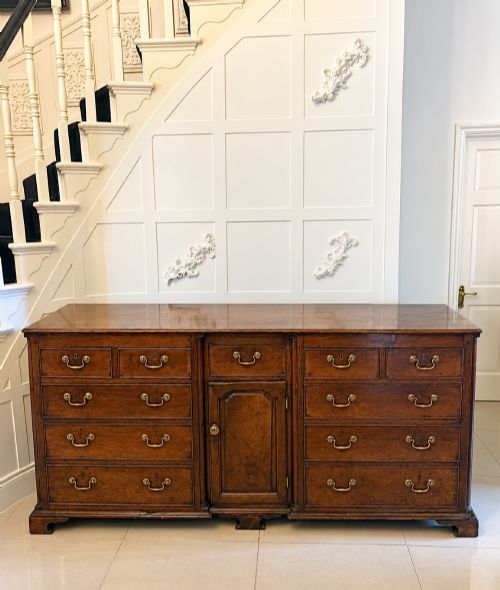
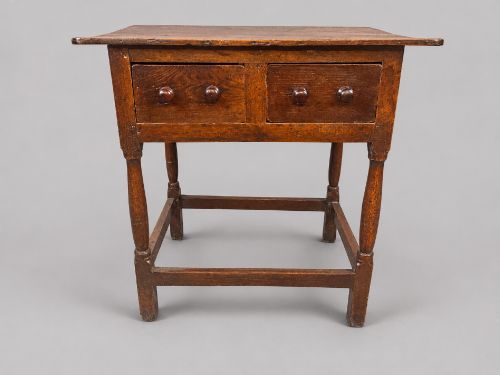
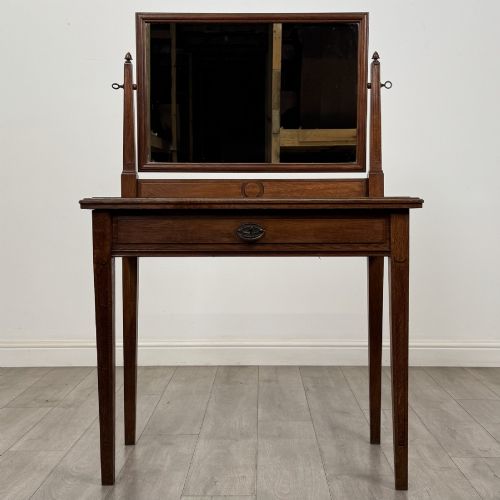
When you search for a brown oak drawer table, you examine utilitarian furniture designed for storage and surface workspace. The selection spans compact side pieces to larger lowboys and dresser bases.
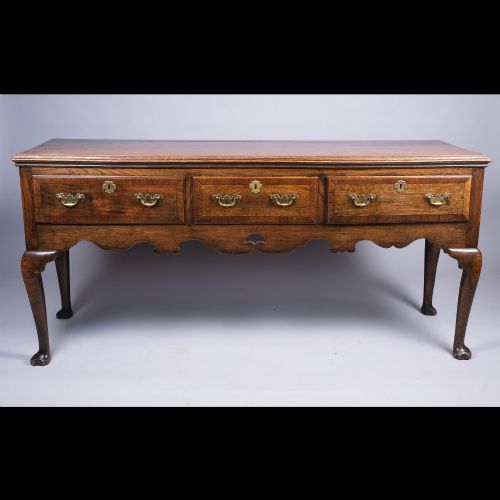
Georgian examples and 18th-century pieces dominate the traditional forms, often featuring single or multiple drawers beneath the top boards. Edwardian and later 20th-century iterations also appear, showing enduring utility across multiple eras.
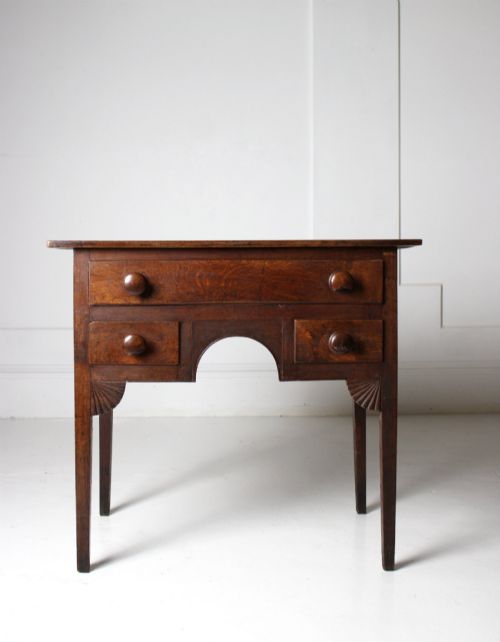
Common variants include lowboys, side tables with fitted drawers, and compact writing desks. Each form utilises the durable nature of oak to provide a functional surface for domestic settings.
What varies in quality
The distinction between standard utility items and finer pieces rests upon timber selection and the crispness of carved details. Rich grain patterns and carefully matched wood boards elevate the visual presence of a table significantly.
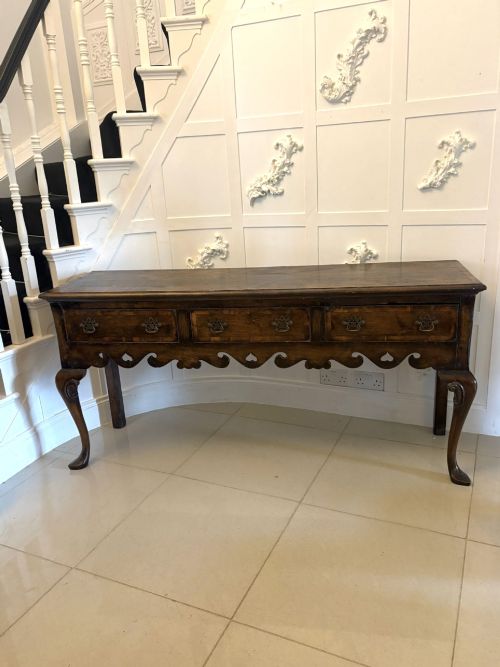
Proportion and structural harmony also separate ordinary examples from exceptional ones. Tables with slender cabriole legs or balanced proportions demonstrate superior craftsmanship compared to heavier, unrefined regional pieces.
Brown Oak Drawer Table Retail Price Guide 2026
Typical asking prices for brown oak drawer table among the pieces listed under this phrase on Sellingantiques today, from the lower quarter to the upper quarter. They describe what is for sale here now, not the wider market.
Some 18th-century drawers still retain faint traces of old herbal remedies tucked deep in the back corners.
The Brown Oak Drawer Table Glossary
- Lowboy
- A small oak table with one or more drawers, typically standing on four legs and originating in the 18th century. It served various domestic functions including dressing or serving.
- Dresser base
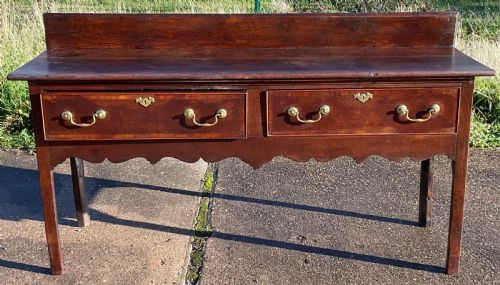
- A substantial low sideboard featuring drawers and sometimes an open pot board beneath. This form provided heavy-duty storage in country houses and farmhouses.
- Cabriole leg
- A furniture leg that curves out and then in, resembling an animal's curving leg. This style appeared frequently on Georgian tables and lowboys.
- Mortise and tenon
- A traditional woodworking joint where a projecting tongue fits snugly into a matching hole. This method provides robust structural integrity without relying on modern adhesives.
Brown Oak Drawer Table: Frequently Asked Questions
What is a lowboy table?
A lowboy is a compact 18th-century table equipped with drawers beneath the main surface. People originally used them as dressing tables or side tables in principal rooms.
Over time, these versatile pieces moved into hallways and living spaces to hold small household items while providing a sturdy display surface.
How do I date an oak table?
Dating relies on examining the joinery methods, timber preparation, and overall style of the piece. Hand-cut dovetails and pegged joints indicate earlier periods.
Matching the proportions and leg styles, such as cabriole or tapered legs, to known eras like the Georgian period helps narrow down the decade of manufacture.
Where were these tables used?
These tables served various domestic roles in kitchens, parlours, and hallways. Their integrated drawers held documents, utensils, or personal items.
Today, they function effectively as bedside tables, hall consoles, or compact desks in modern interiors.
What wood was used?
Makers relied heavily on solid oak for its durability and abundant local supply. Secondary timbers occasionally supported internal drawer framing.
Selected pieces also incorporated brass hardware for handles and escutcheons to complement the dark timber grain.