
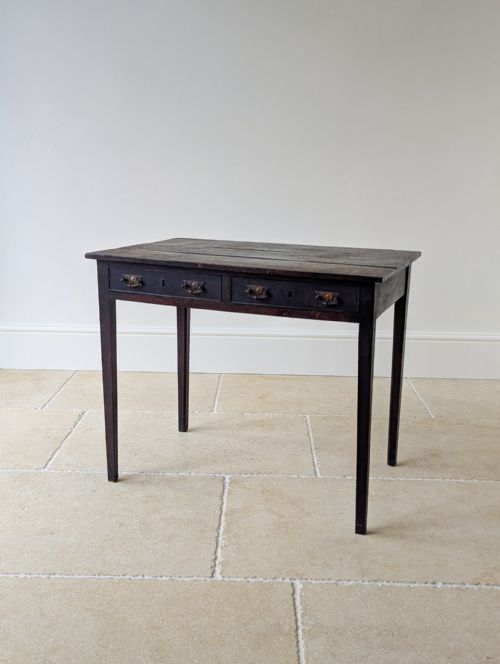


Brown Oak Desk Lamp
These brown oak desk lamp options span centuries of cabinet-making, bringing warm timber grain and practical illumination to a workspace.
Brown Oak Desk Lamp
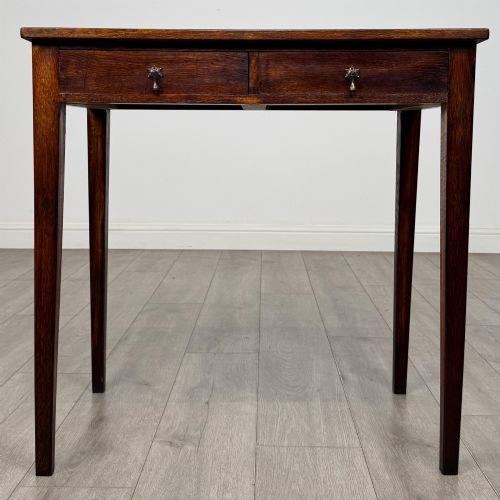
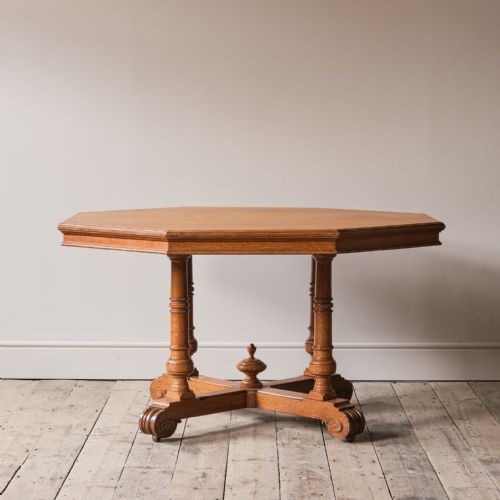
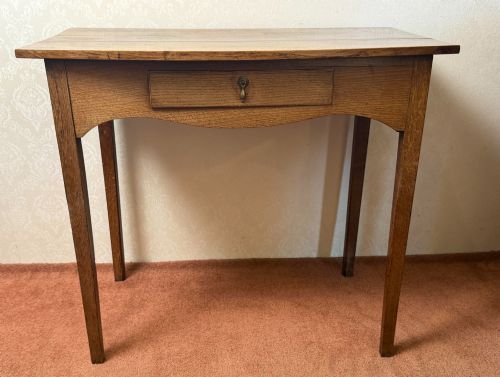
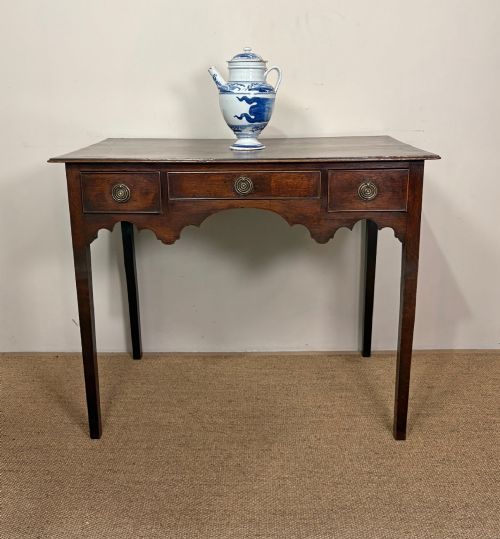
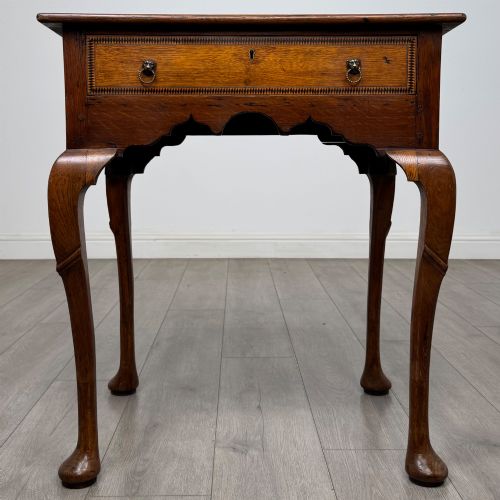
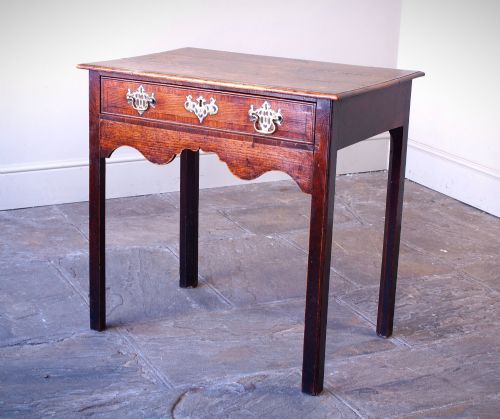
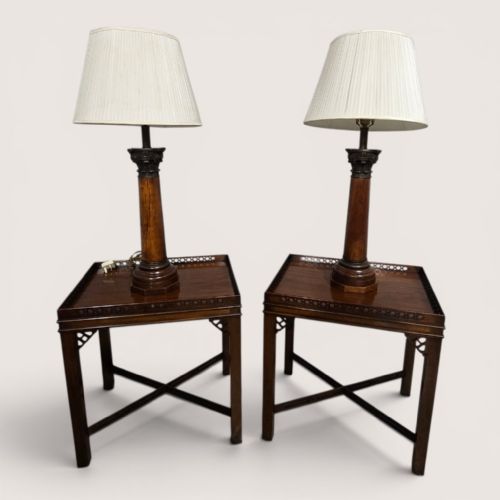
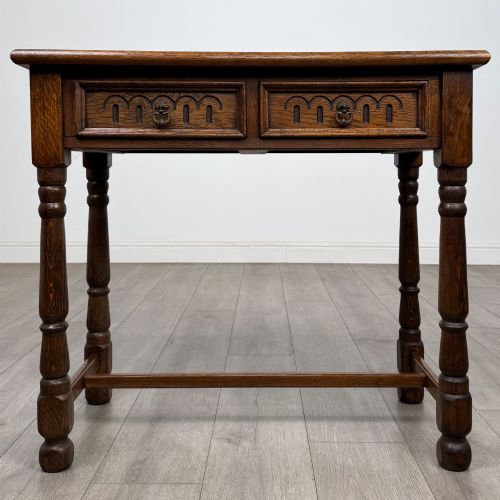
When searching for a brown oak desk lamp, buyers encounter pieces derived from centuries of English woodworking traditions, ranging from the Georgian period through to the Edwardian era. The selection draws heavily upon forms originally built for domestic utility, such as side tables, lowboys, and lamp tables, which are adapted into functional lighting.
The materials visible across these pieces reflect a traditional palette dominated by solid oak, frequently paired with brass hardware and fabric shades. Side tables and lamp tables from the eighteenth and nineteenth centuries form the primary source material, showcasing regional English provincial styles alongside formal George III and Victorian designs.
How they were made
Makers utilised solid oak, often combined with secondary timbers like elm, to construct the foundational frames of these items. Joinery relied on traditional techniques suited to hardwood, ensuring durability across centuries of domestic use.
Metal components such as brass fittings and hardware were integrated alongside fabric elements to complete the functional lighting assemblies found in later Victorian and twentieth-century examples.
Several pieces feature carved caryatids and cherubs, proving that past craftsmen enjoyed sneaking theatrical drama into everyday furniture.
What varies in quality
The standard of timber selection and cabinet-making execution dictates the distinction between standard examples and superior pieces. Finer items exhibit carefully matched grain patterns and precise joinery that reflects the skill of the original workshop.
The integrity of the structural frame and the preservation of original surface patination further differentiate higher-grade items from those with heavy later alterations.
Holland and Sons
The Brown Oak Desk Lamp Glossary
- Oak
- A durable hardwood native to Britain, prized for its pronounced grain and strength in traditional furniture making. It forms the primary structural material for the majority of pieces in this category.
- Elm
- A tough, interlocking timber frequently utilised alongside oak in eighteenth-century provincial furniture construction. It provides exceptional resistance to splitting in structural components.
- Lowboy
- A small oak side table featuring one or more drawers, originating in the late seventeenth century and remaining popular throughout the Georgian period. These forms are frequently adapted into lamp tables.
- Georgian
- The architectural and decorative style spanning the reigns of the first four Georges, characterised by proportion, classical restraint, and refined cabinet-making. Pieces from this era display balanced classical proportions.
Brown Oak Desk Lamp: Frequently Asked Questions
How do I identify an 18th century oak piece?
Eighteenth-century pieces display hand-cut joinery, pegged joints, and timber surfaces that exhibit deep patination developed through generations of use. The grain patterns and weight of the solid oak reflect the maturity of the timber used by period workshops.
Examination of the underside and drawer linings reveals tool marks characteristic of pre-industrial hand working methods. These structural indicators separate genuine period items from later reproductions.
What is a lowboy?
A lowboy is a small table with a low profile, typically equipped with one or more drawers beneath the working surface. They were originally designed for domestic utility in bedrooms or parlours during the Georgian period.
Their compact proportions and drawer storage make them well-suited for repurposing as lamp tables in modern interiors. The style ranges from plain provincial formats to more ornate carved examples.
Where were these oak tables made?
The majority of these pieces originate from English and Welsh workshops, reflecting regional building traditions. Provincial makers utilised locally sourced timber to create sturdy, functional furniture for domestic settings.
Differences in construction details often point to specific regional styles, such as Welsh country pieces or formal London cabinet work. This geographic variety adds distinct character to each item.
How do I care for antique oak?
Antique oak benefits from consistent indoor humidity levels and protection from direct sunlight to prevent timber movement. Regular dusting with a dry cloth maintains the surface without requiring heavy chemical polishes.
Applying a traditional beeswax occasionally helps nourish the aged grain and preserves the natural patina. Avoid placing pieces near direct heat sources to protect the historic joinery.