

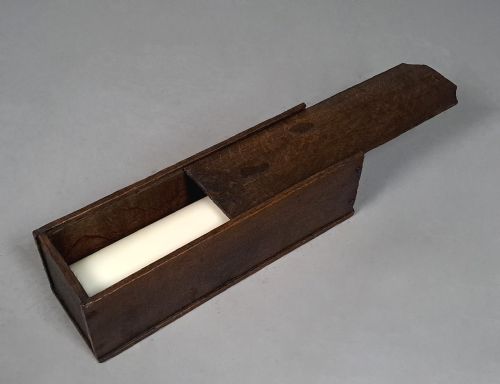
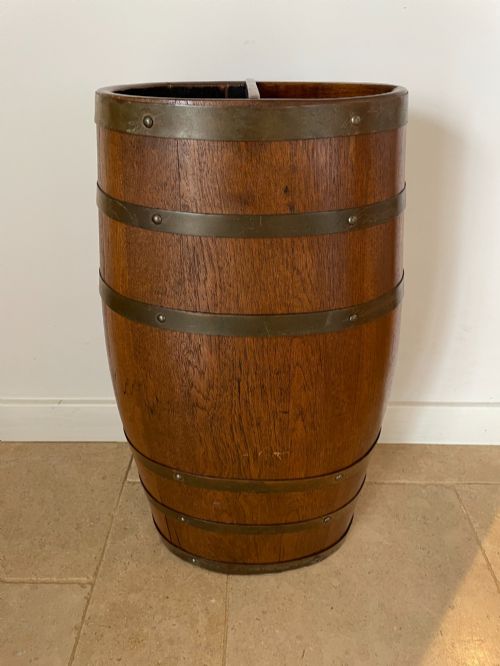


Brown Oak Container
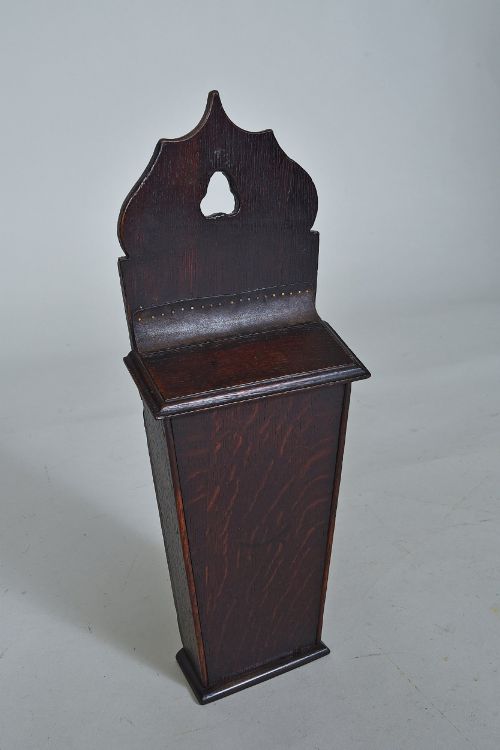
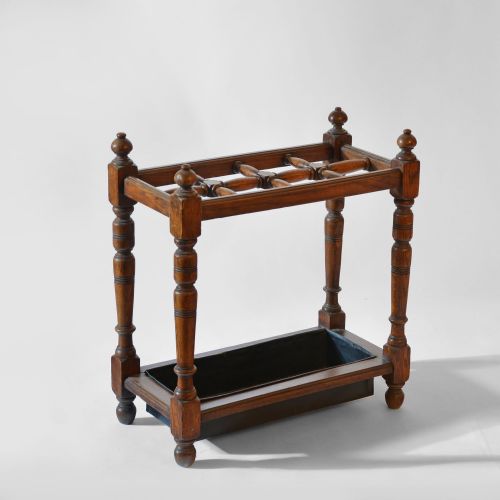
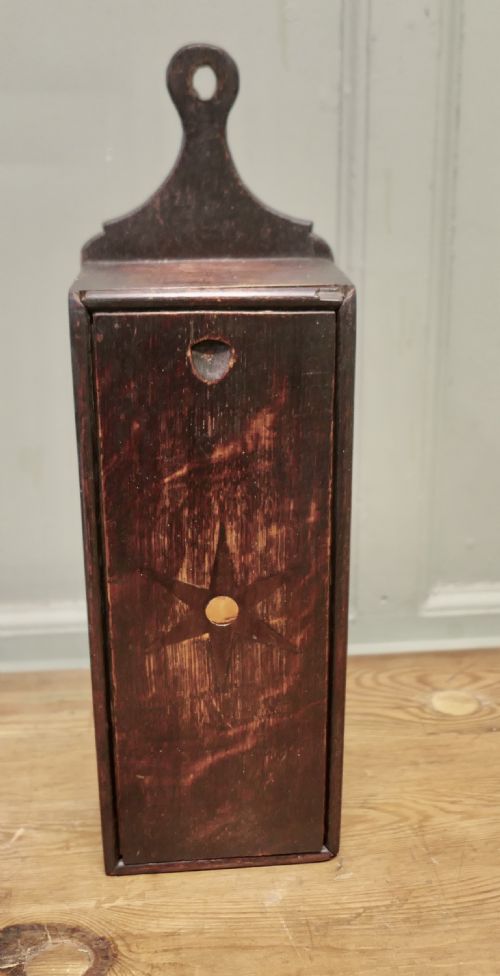
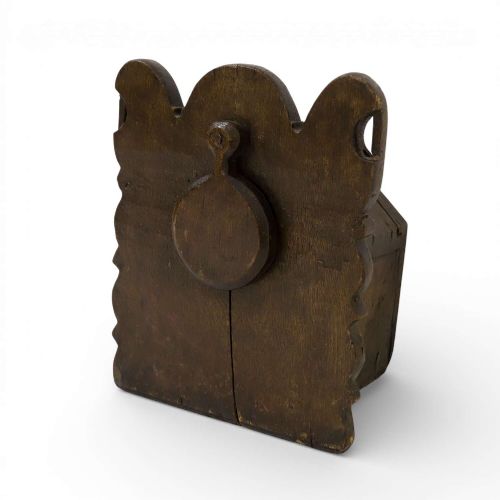
These brown oak container pieces bring rich grain and practical utility to domestic interiors, ranging from country wall boxes to coopered fireside bins.
Brown Oak Container
The pieces appearing on this page stretch from the seventeenth century through the Georgian and Victorian eras up to the twentieth century. Vernacular objects like ink-noted nib boxes, tinder boxes, and carved secret books sit alongside coopered barrels with brass bindings.
Originating largely from British and European domestic settings, these items served everyday household purposes. Their forms reflect the practical requirements of storing candles, salt, matches, or umbrellas while showcasing the varied figuring of oak wood.
Materials and construction methods
Construction relies heavily on solid oak wood, frequently paired with functional metal hardware such as iron hinges, latches, or brass bindings. Cooperage techniques shape staves into cylindrical buckets and barrels, while pegged joints and hand-carving define smaller lidded boxes and wall receptacles.
Surface treatments range from plain polished timber to traces of early red paint and ink markings. Blacksmith-forged iron fixtures secure lids and hanging points, providing structural longevity to domestic containers intended for daily use.
Brown Oak Container Retail Price Guide 2026
Typical asking prices for brown oak container among the pieces listed under this phrase on Sellingantiques today, from the lower quarter to the upper quarter. They describe what is for sale here now, not the wider market.
One listed nineteenth-century box once belonged to the house of John Knox, holding nibs for historic ink writing.
Evaluating quality in timber containers
Quality rests upon the depth of the oak grain, the preservation of original hardware, and the integrity of the construction. Retained elements like early iron hinges, original paint traces, or secure coopered staves elevate an example above heavily altered pieces.
Proportions and functional purpose dictate the desirability of each container, from simple vernacular salt boxes to intricately carved secret book safes. Subtle details in hand-carved surfaces and well-fitted lids distinguish master woodwork from routine utilitarian output.
The Brown Oak Container Glossary
- Treen
- Small handmade wooden household objects produced before the widespread adoption of modern plastics. This term covers items ranging from small decorative boxes to utilitarian vessels.
- Coopered
- Built from curved wooden staves joined together to form a hollow cylinder, commonly secured with metal hoops. This technique applies to buckets, barrels, and bins.
- Salt box
- A wall-hanging container designed to keep kitchen salt dry and accessible near the hearth. These typically feature a hinged sloping lid and a back panel with a hanging hole.
- Candle box
- A lidded wall receptacle intended to protect tallow or beeswax candles from dust and pests. They frequently date from the eighteenth century and earlier.
- Vernacular
- Everyday objects made by regional craftsmen for local use rather than high-style metropolitan workshops. These pieces prioritise utility and direct construction methods.
Brown Oak Container: Frequently Asked Questions
How were old wall boxes used?
Wall-hanging boxes were fixed near hearths or kitchens to keep domestic necessities such as salt, candles, or tinder within easy reach yet protected from household dampness. Their hinged lids allowed quick access during daily chores.
Over generations, these containers adapted to changing household routines while remaining standard fixtures in traditional rooms.
What is a coopered fire bucket?
A coopered fire bucket is a heavy wooden container built from curved staves bound with metal hoops, designed to hold coal or serve fireside needs. Oak construction provided the necessary sturdiness for handling heavy fuel near the hearth.
Such vessels combined decorative grain with robust everyday utility in period interiors.
How do I date an oak box?
Dating relies on examining construction marks, nail types, hinges, and the style of any carved decoration. Early pieces often show hand-planed surfaces, forged iron hardware, and pegged joinery rather than modern screws.
Comparing the timber patina and wear patterns helps place an item within specific centuries like the seventeenth or eighteenth.
Can these containers hold umbrellas?
Larger barrel-shaped vessels and umbrella stands are specifically sized to hold walking sticks, canes, and wet umbrellas in hallways. Their brass bindings and sturdy oak construction withstand daily moisture and weight.
These taller forms provide practical organisation for entryways while displaying historical woodwork.