



Brown Oak Bar
These brown oak bar pieces span tavern stools, serving trolleys, and commercial counters that bring functional hospitality history directly into a modern room.
Brown Oak Bar
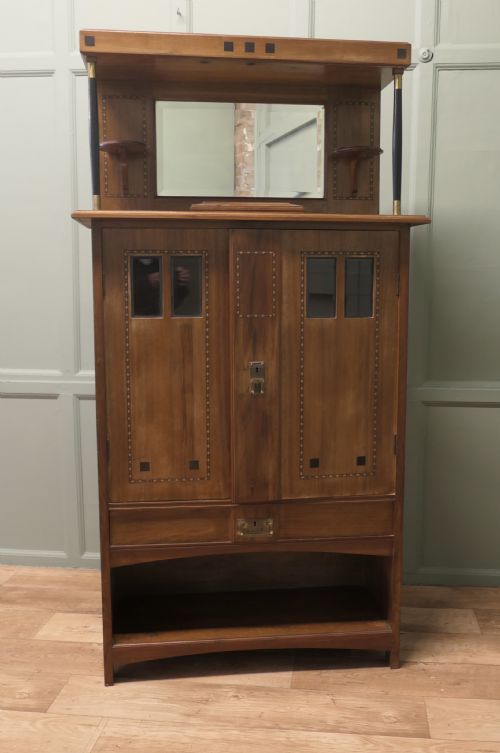
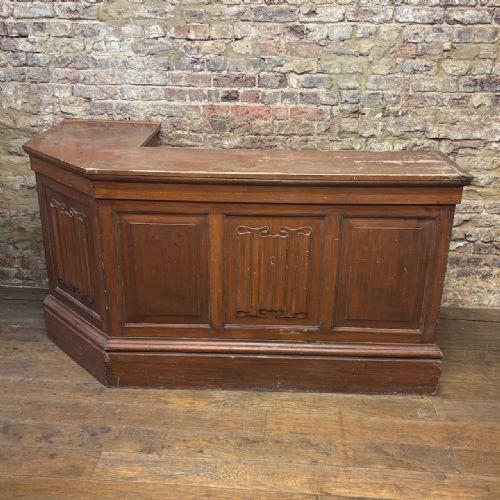
A brown oak bar encompasses everything from high tavern stools and commercial counters to cocktail cabinets and wine coolers designed for serving drinks. Buyers pursuing this search phrase meet nineteenth century pub seating, Edwardian tea trolleys, and early twentieth century display furniture.
The materials span oak, elm, and sycamore alongside metal and brass hardware, reflecting the robust construction required for commercial hospitality environments. Periods stretch from the Georgian era through Victorian vernacular styles up to 1920s hosting stations.
Materials and construction
Makers utilised solid timbers including oak, wild elm, and sycamore, selecting hardwoods that could withstand heavy daily use in taverns and commercial spaces. Metal components such as brass studs, wheels, and adjustable height mechanisms provided both structural reinforcement and operational utility.
Joinery techniques matched the utilitarian function of these items, employing sturdy legs, stretcher frames, and dished wooden tops shaped for comfort. Pollard oak veneer appeared on finer display pieces and cabinets, introducing distinct grain patterns alongside standard timber boards.
Brown Oak Bar Retail Price Guide 2026
Typical asking prices for brown oak bar among the pieces listed under this phrase on Sellingantiques today, from the lower quarter to the upper quarter. They describe what is for sale here now, not the wider market.
One piece includes an early twentieth century American prisoner art diorama depicting a monkey in a saloon bar.
Judging quality in hospitality furniture
Quality rests upon the integrity of the timber and the honesty of the construction, distinguishing rugged vernacular tavern seating from refined domestic cocktail cabinets. Original hardware, such as functioning brass castors on trolleys or authentic studs on bar stools, elevates a piece above later replacements.
The depth of the wood's patina and the crispness of revival carving, whether Jacobean or Gothic, indicate the level of craftsmanship invested in the object. Pieces that retain their original mechanical functions, such as folding trays or adjustable height screws, demonstrate superior original design.
Heals·Waring & Gillows
The Brown Oak Bar Glossary
- Pollard oak
- Timber taken from trees that have been pollarded, producing a richly figured burr grain. This decorative wood often appears on nineteenth century cabinets and dining chairs.
- Tantalus
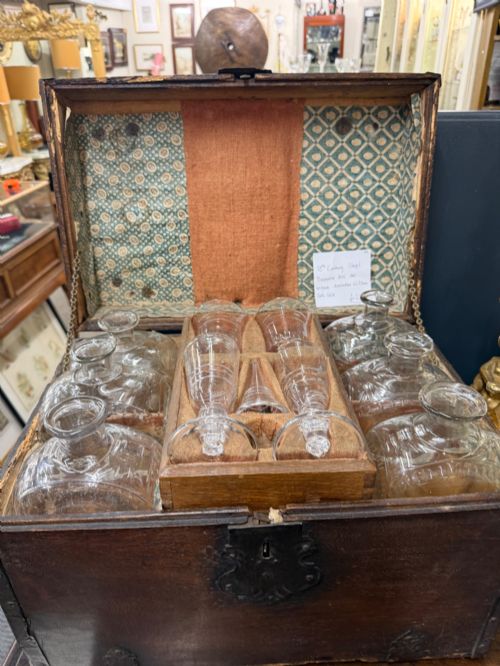
- A locking wooden frame holding decanters to prevent unauthorized access to spirits while displaying the contents. They frequently form part of antique dry bar equipment.
- Tavern stool
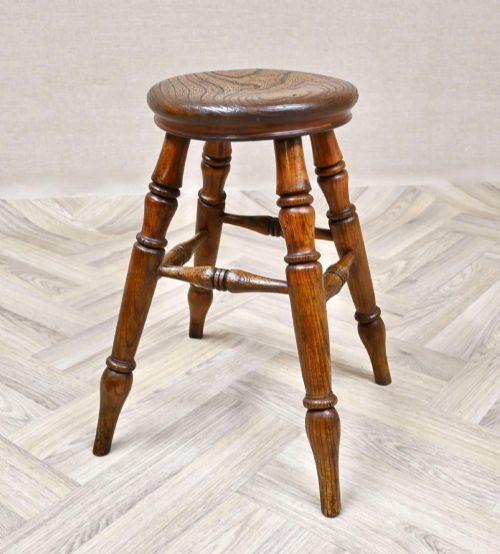
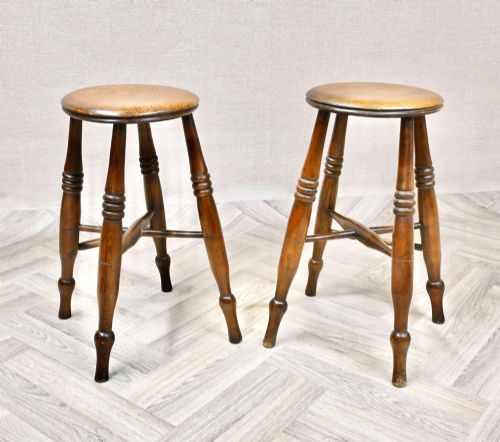
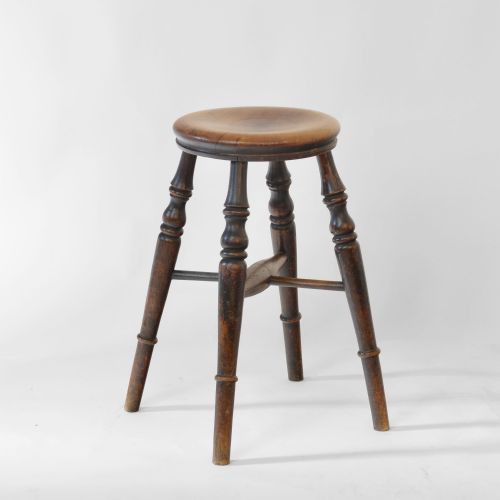
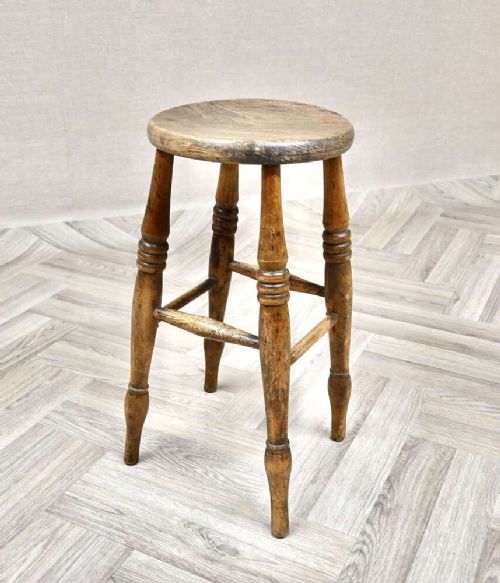
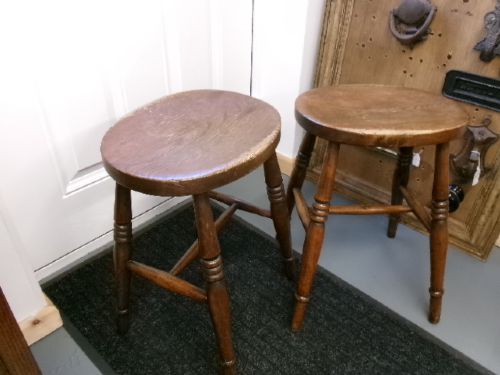
- A tall, sturdy seating form featuring an oval dished top or wooden seat designed for public houses. These pieces often exhibit simple turned legs and heavy footrests.
- Serving trolley
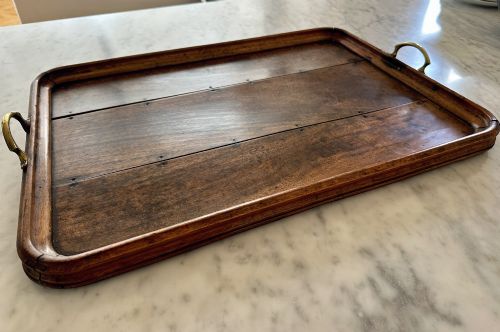
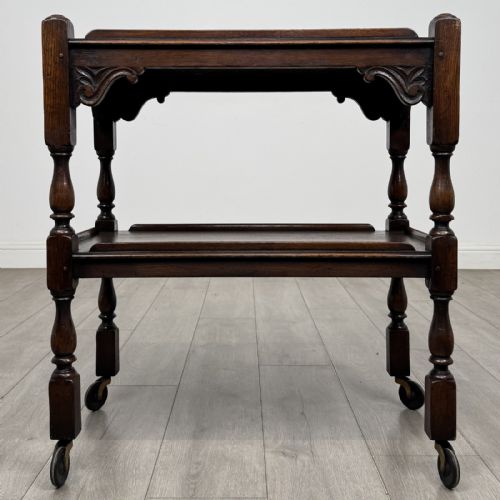
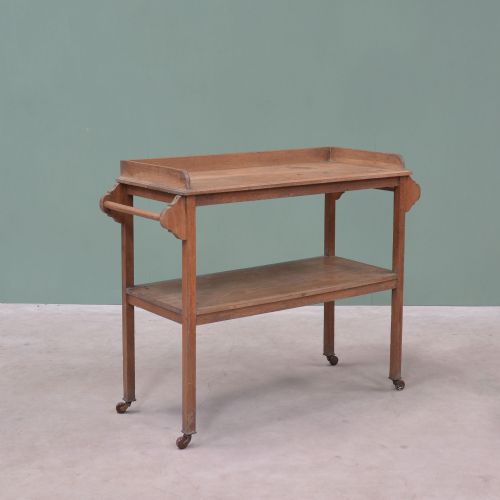
- A movable furniture item with wheels, tiers, and often a lift-off tray used for transporting drinks and glassware. Edwardian and 1920s versions commonly feature folding tops.
- Bar back chair
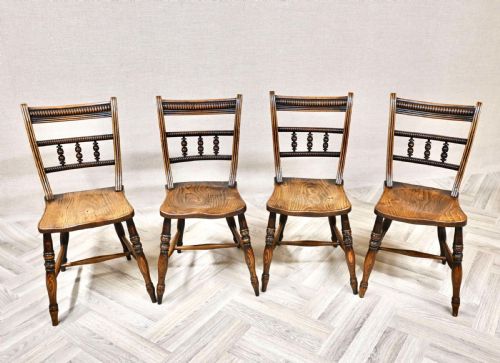
- A seating design featuring a supportive curved upper rail reminiscent of traditional pub architecture. Georgian and Edwardian examples provide sturdy upright seating.
Brown Oak Bar: Frequently Asked Questions
What is a brown oak bar piece?
These items encompass antique furniture associated with the service and consumption of drinks, ranging from pub stools and wine coolers to cocktail cabinets.
They derive from commercial and domestic settings across the nineteenth and early twentieth centuries, built primarily from oak and other durable hardwoods.
How do I use a tavern stool at home?
Tall bar stools function well against kitchen islands, breakfast bars, or high home counters where extra seating is required.
Their sturdy wooden construction and dished tops provide practical daily utility while adding period character to modern interior spaces.
How do I date an oak serving trolley?
Dating relies on examining the wheel fixings, tray mechanisms, and overall stylistic details like Edwardian or 1920s proportions.
Simpler joinery and solid timber wheels often suggest earlier nineteenth century origins, whereas folding tiers typically point to the early twentieth century.