

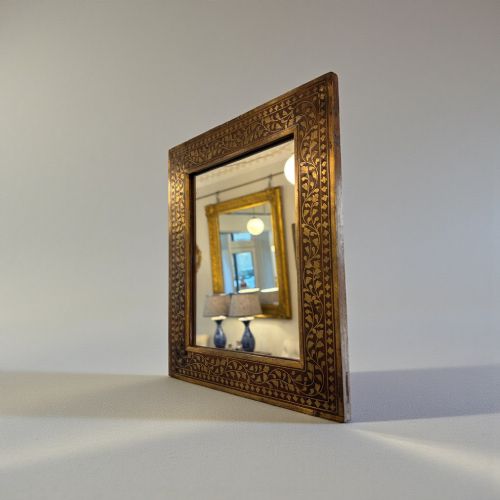
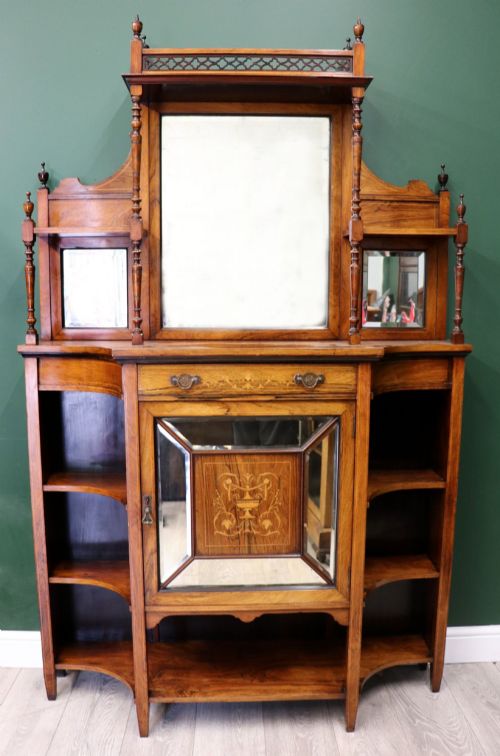
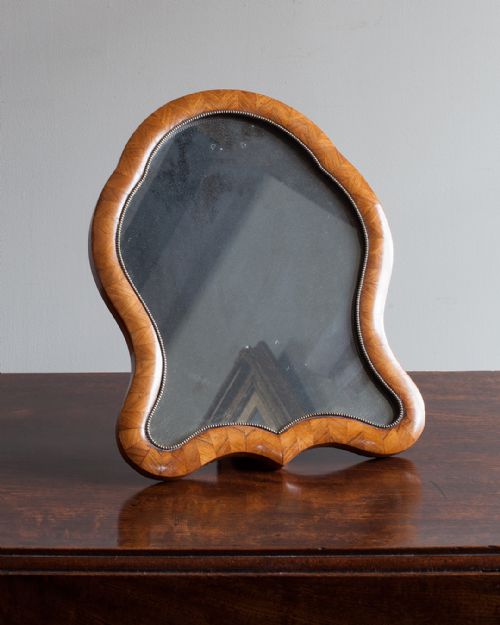
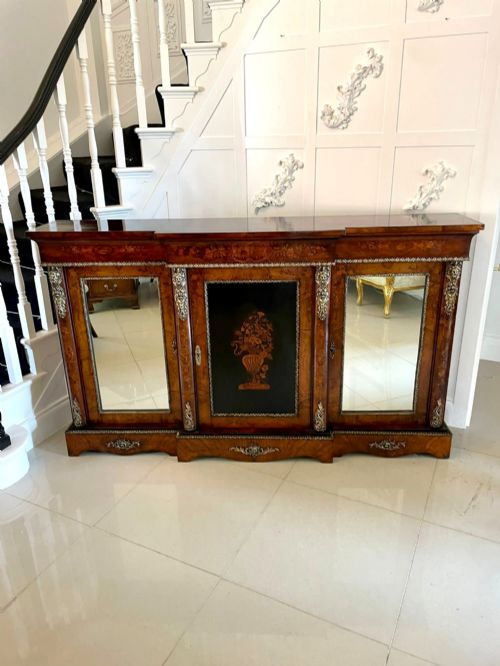

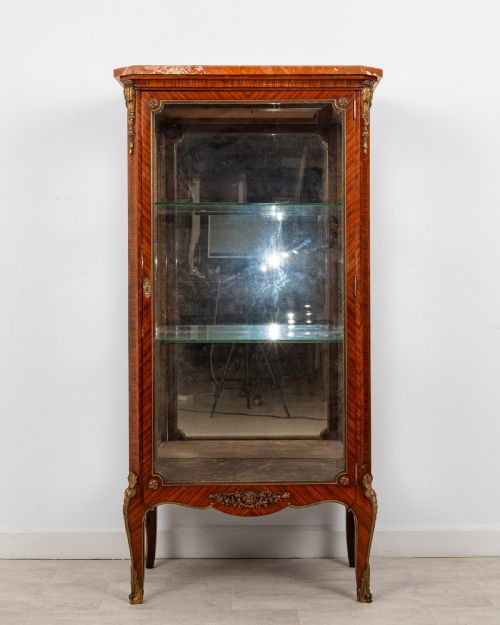


Brown Marquetry Mirror
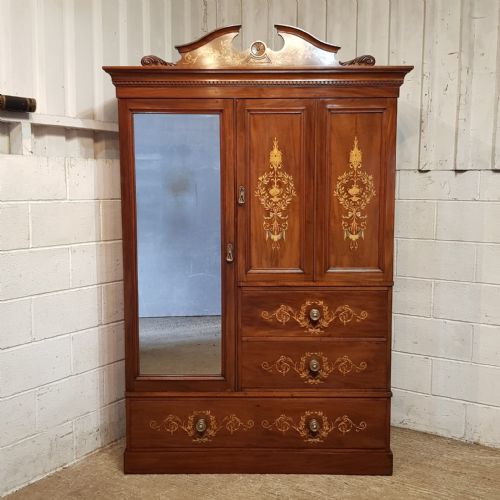
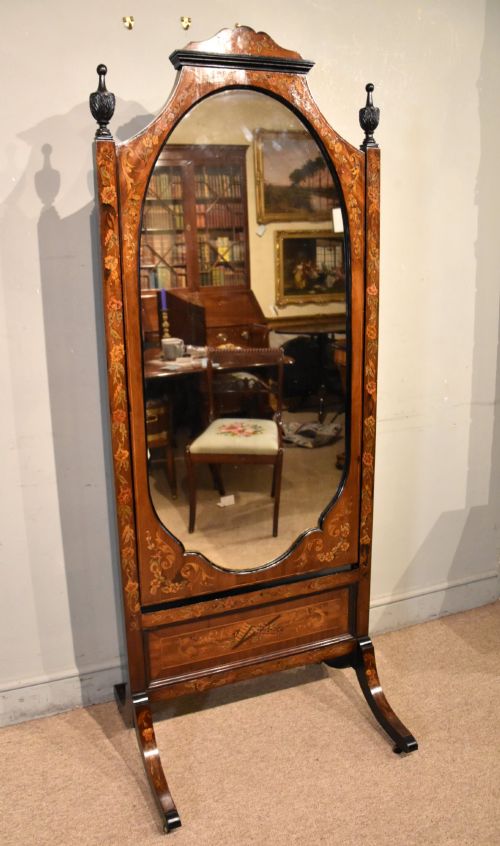
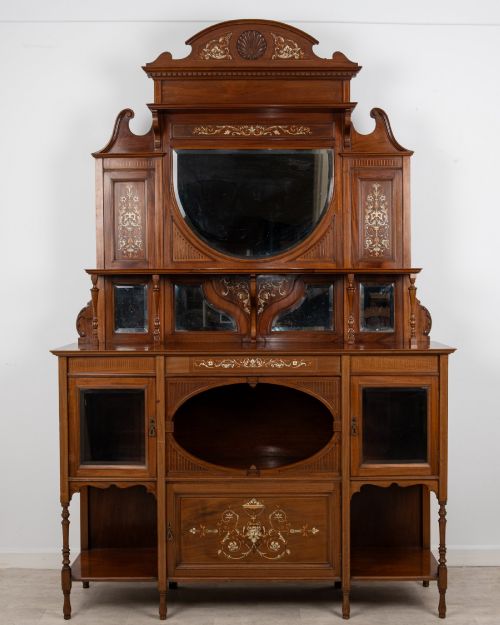
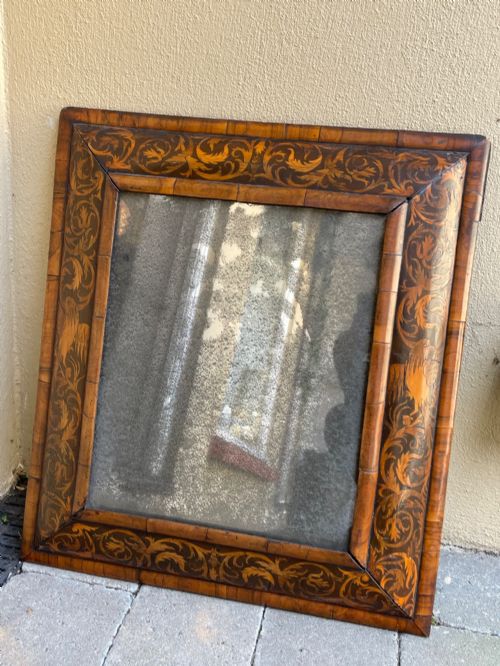
These brown marquetry mirror pieces combine figured woods and intricate floral or geometric inlays to anchor a room.
Brown Marquetry Mirror
When you search for a brown marquetry mirror, you encounter wall-mounted glasses, overmantels, and dressing table swings framed in timber and patterned veneer. The Victorian era supplies the bulk of these items, alongside pieces spanning from the late seventeenth century through to the early twentieth century.
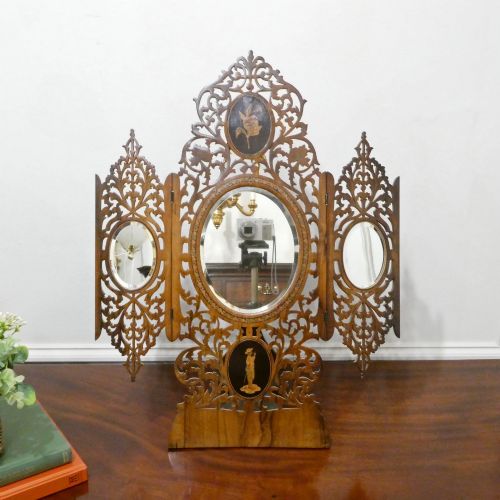
The forms range from large overmantel glasses designed for parlour hearths to small toilet swing mirrors intended for mahogany chests of drawers. Walnut and mahogany dominate the structural timbers, often enhanced by contrasting wood inlays that define the aesthetic.
How they were made
Cabinetmakers constructed the frames using solid hardwoods such as walnut, mahogany, and rosewood, applying contrasting veneers to the primary display surfaces. Wood inlay techniques involved cutting thin slices of light and dark timber, including satinwood and harewood, to form floral or geometric patterns set directly into the ground.
Makers integrated mirror glass into carved and moulded wooden surrounds, sometimes incorporating brass fittings or ormolu mounts to secure the elements. Hand-cut dovetails and traditional joinery united the framework, while French polishing finished the timber to a deep lustre.
Brown Marquetry Mirror Retail Price Guide 2026
Typical asking prices for brown marquetry mirror among the pieces listed under this phrase on Sellingantiques today, from the lower quarter to the upper quarter. They describe what is for sale here now, not the wider market.
The listings on this page span walnut, mahogany, rosewood, and kingwood timbers, incorporating periods from the late seventeenth century to the twentieth century.
What varies in quality
The precision and depth of the wood inlay separate standard production pieces from masterwork examples, where contrasting veneers form intricate botanical or pictorial scenes without gaps or filler. The selection of the underlying timber dictates the visual weight, with burr walnut and figured mahogany offering richer grain movement than plain stock.
Proportion and frame construction govern structural integrity, ensuring the weight of the glass plate is supported by sound joinery and substantial backing boards. Original mirror plates with authentic bevels and slight oxidation retain more character than modern replacements.
François Linke·Edwards and Roberts·Jas Shoolbred·Maple and Co
The Brown Marquetry Mirror Glossary
- Marquetry
- Decorative veneer work where pieces of contrasting wood are assembled into a pictorial or geometric pattern before being glued to the carcase. This technique defines the surface decoration of many Victorian and Dutch pieces.
- Overmantel mirror
- A large horizontal glass designed to be hung specifically on the wall above a fireplace mantelpiece. These frames often feature elaborate wood inlays and arched crests.
- Toilet mirror
- A smaller swing mirror mounted on a miniature chest or stand, historically placed on a dressing table for personal grooming. They frequently incorporate small drawers within the base.
- Burr walnut
- A prized timber harvested from walnut tree growths, notable for its swirling, highly figured grain patterns. It forms the primary decorative surface on many high-grade Victorian cabinets and mirror frames.
- Satinwood
- A yellow-brown exotic timber with a lustrous sheen, utilised for contrasting inlays and stringing details. It provides bright highlights against darker mahogany and walnut grounds.
Brown Marquetry Mirror: Frequently Asked Questions
Where should I hang an overmantel mirror?
These large glasses belong above a fireplace mantelpiece, where they reflect light and anchor the vertical space of a room.
Ensure the wall fixings are secured directly into studs or masonry to support the considerable weight of the wooden frame and glass.
How do I clean an antique mirror frame?
Dust the timber gently with a dry, soft cloth to prevent particulate buildup from abrading the polished wood and delicate wood inlay.
Avoid chemical sprays or water, which can penetrate old finishes and loosen the historic veneers.
Are dressing table mirrors stable?
Most table mirrors rely on brass pivot screws connecting the frame to upright side supports, allowing the glass angle to be adjusted.
If the glass slips, tightening the tension nuts on the exterior usually restores the balance without dismantling the frame.
How do I date a Victorian mirror?
Examine the secondary woods on the backboards, the style of the wood inlay, and the mounting hardware for period characteristics.
Victorian pieces frequently feature machine-sawn backing timbers and rich walnut frames decorated with Aesthetic movement or floral marquetry motifs.