




Brown Mahogany Cooler
These brown mahogany coolers are traditional serving vessels built to chill wine and hold bottles at the dining table.
Brown Mahogany Cooler
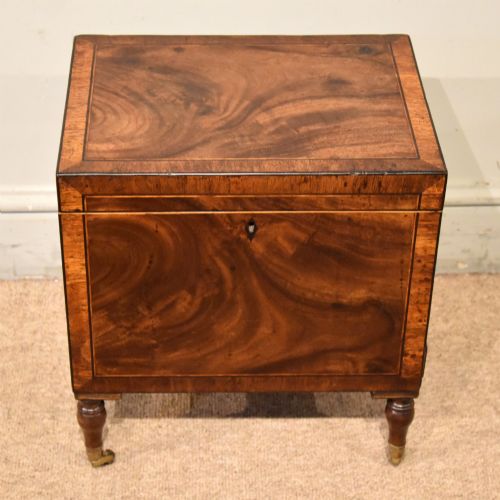
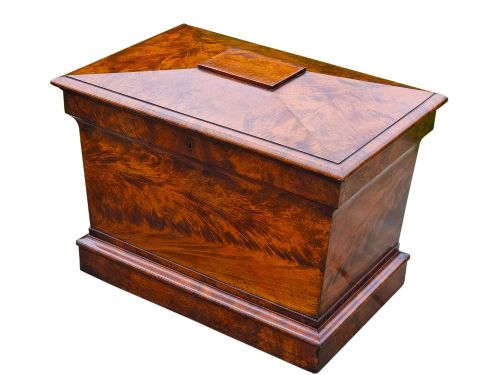
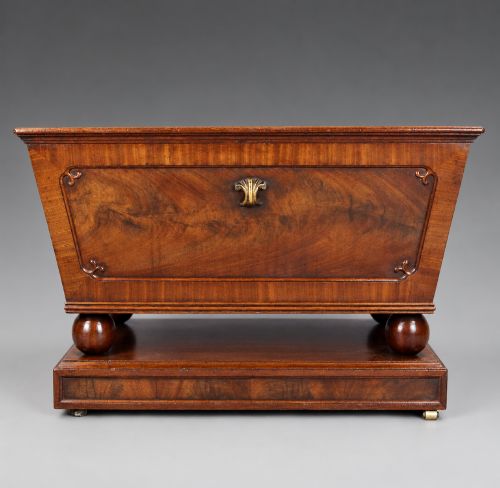
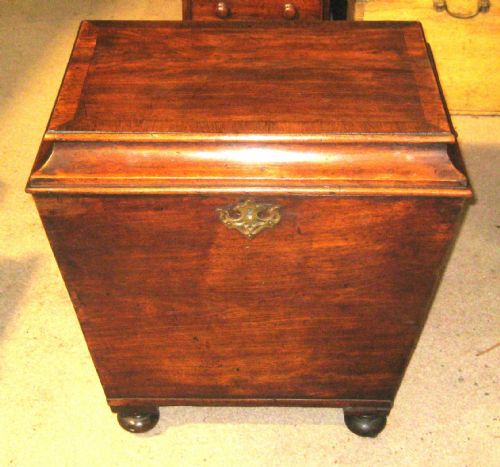
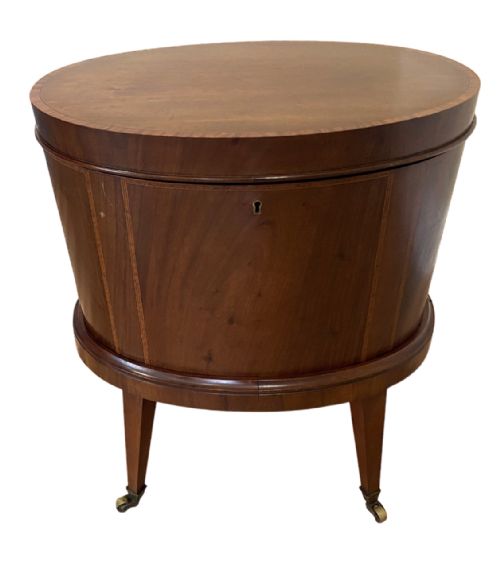
A brown mahogany cooler takes several distinct shapes across the Georgian, Regency, and Victorian periods, with sarcophagus forms and oval bucket designs appearing most frequently in the listings. These pieces served as practical dining room furniture intended to keep wine chilled near the table.
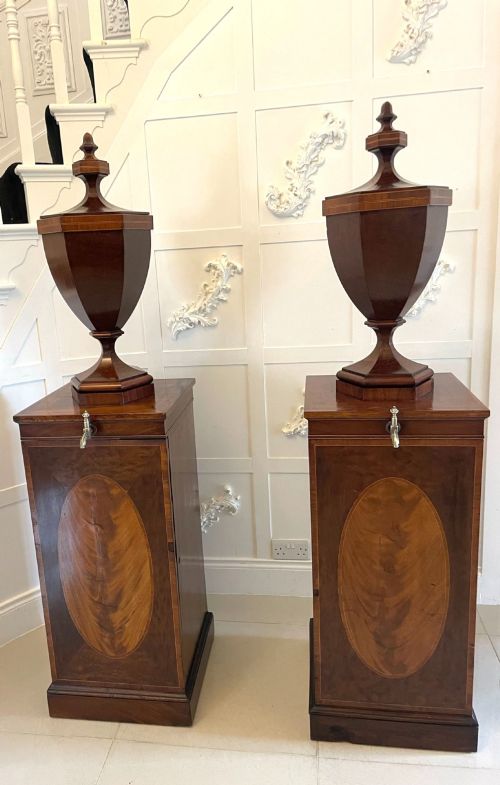
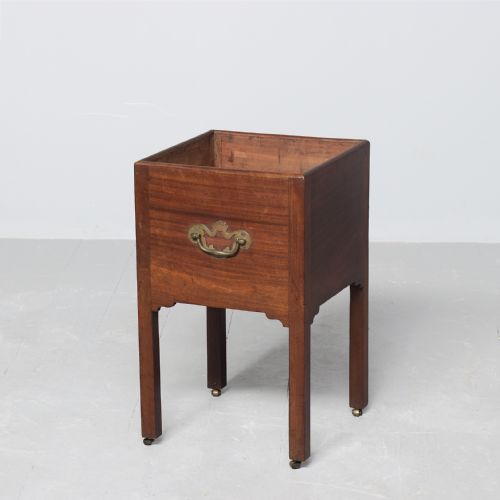
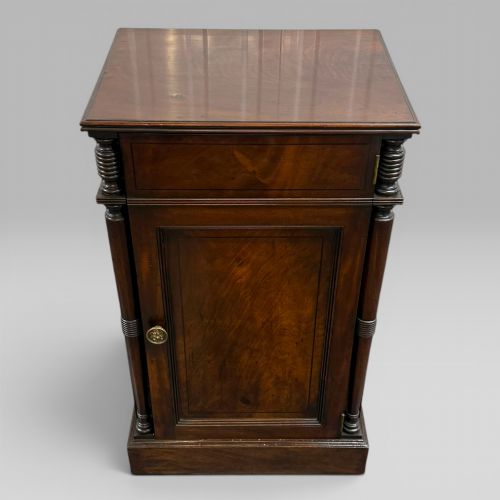
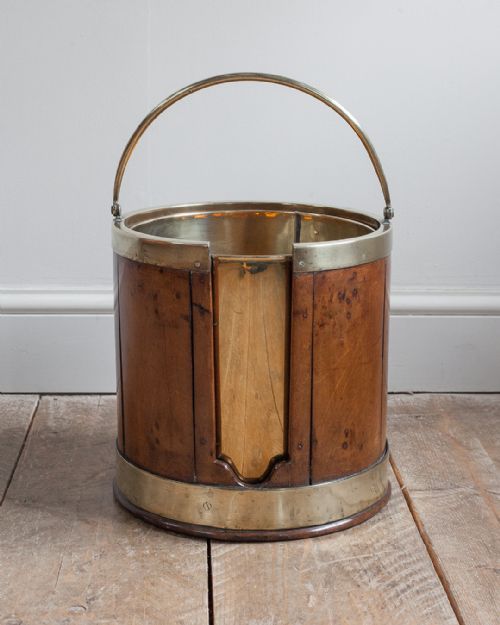
Makers produced cellarettes, wine urns on pedestals, and plate buckets from solid timber and rich veneers. Examples range from simple freestanding boxes to elaborate pedestal cupboards and jardinière stands designed for domestic entertaining.
Judging craftsmanship
Quality in a brown mahogany cooler rests on the choice of timber figure, the crispness of any carved detailing, and the integrity of the original interior lining. Pieces featuring matched flame mahogany veneers and subtle satinwood inlay display superior workshop investment.
The sophistication of the brass mounts and the survival of original feet, handles, and internal divisions elevate an example. Pieces showing refined proportions and clean lines command greater attention than utilitarian boxes.
Brown Mahogany Cooler Retail Price Guide 2026
Typical asking prices for brown mahogany cooler among the pieces listed under this phrase on Sellingantiques today, from the lower quarter to the upper quarter. They describe what is for sale here now, not the wider market.
Listings for brown mahogany cooler span the Georgian, Regency, and Victorian periods, utilising flame mahogany veneer, solid walnut, and brass banding.
Gillows·Maples and Co·Robert Strahan and Co
The Brown Mahogany Cooler Glossary
- Cellarette
- A lockable container used for storing wine bottles near the dining table. They often feature fitted interior compartments and substantial carrying handles.
- Sarcophagus
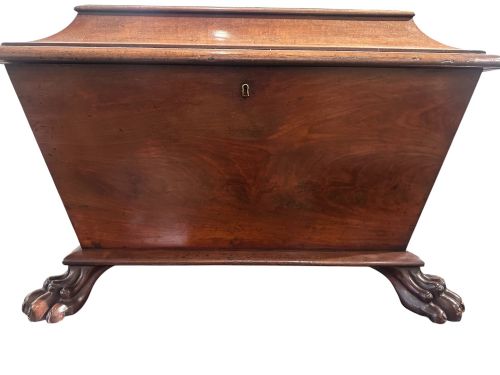
- A monumental tomb-like shape with a stepped or domed lid, popular for Regency and Georgian wine coolers. This form allowed for generous internal storage.
- Flame mahogany
- A veneer cut from the fork of the mahogany tree, producing a distinctive flickering flame pattern. Cabinetmakers used this figure on prominent exterior surfaces.
- Plate bucket
- A deep, stave-built container bound with metal hoops, used originally for washing or holding dining plates. They share construction methods with oval wine coolers.
- Pedestal
- A structural base or cupboard that supports an elevated wine urn or cooler. These matched sets created an imposing architectural presence in large dining rooms.
Brown Mahogany Cooler: Frequently Asked Questions
How were these coolers used?
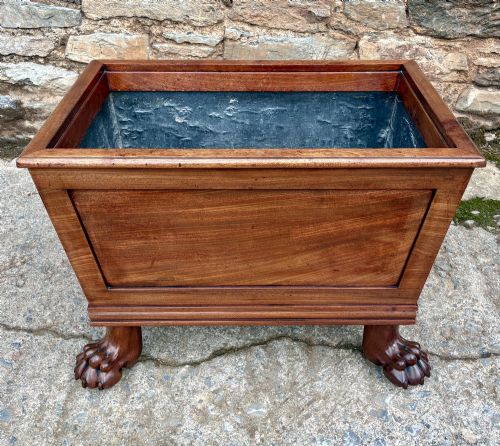
These pieces sat in the dining room to keep wine within reach of the host without requiring frequent trips to the cellars. Interiors were often lined with lead to hold ice and water around the bottles.
Some examples also served as plate buckets or general storage chests for dining accessories during large dinner parties.
How do I live with one?
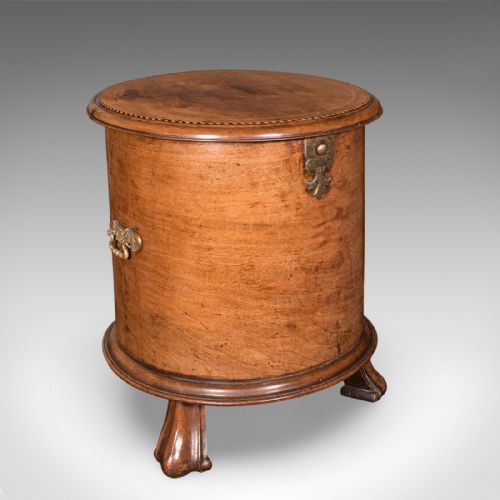
A brown mahogany cooler functions well as a freestanding side table, a discrete storage chest, or a decorative plant holder in a living room. Their deep interiors make them useful for blankets, magazines, or small items.
Placing them away from direct heat sources helps protect the mahogany timber and any delicate veneer work from drying out.
How do I tell periods apart?
Georgian examples often feature straight lines, subtle inlay, and classical proportions, while Regency pieces lean towards bolder sarcophagus shapes with carved paw feet and prominent brass mounts. Victorian versions tend to be heavier and more massive in scale.
Examining the construction methods, interior linings, and secondary woods helps confirm the era of manufacture.