
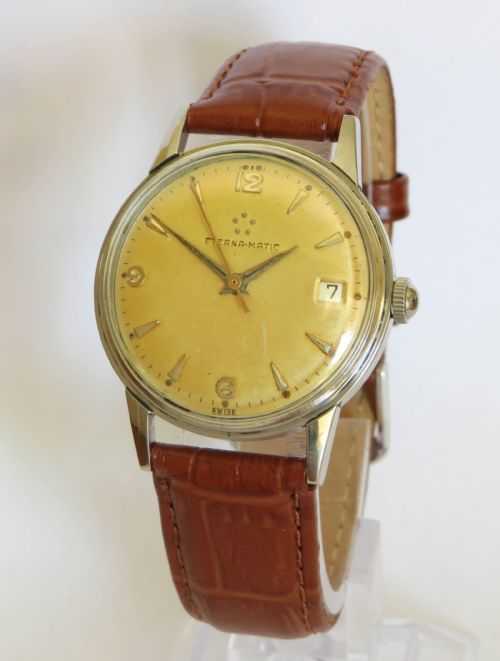
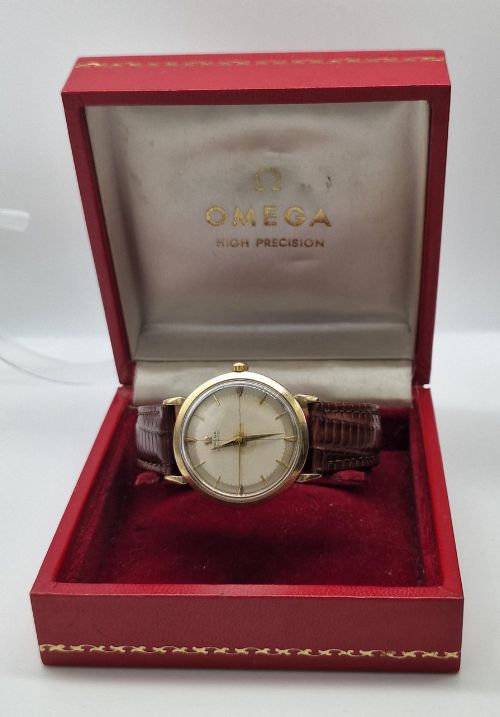
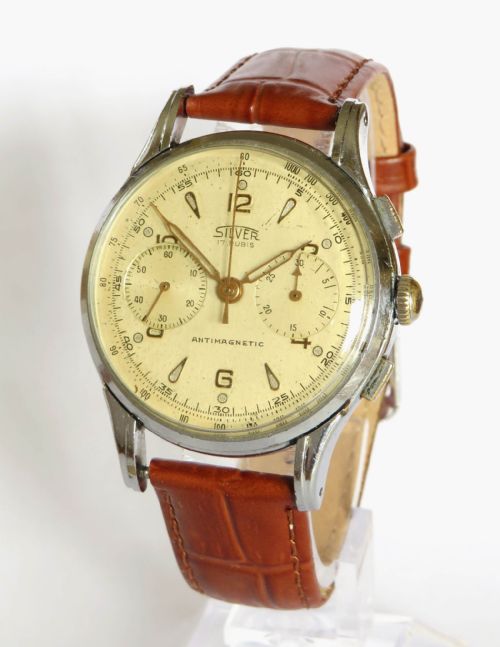
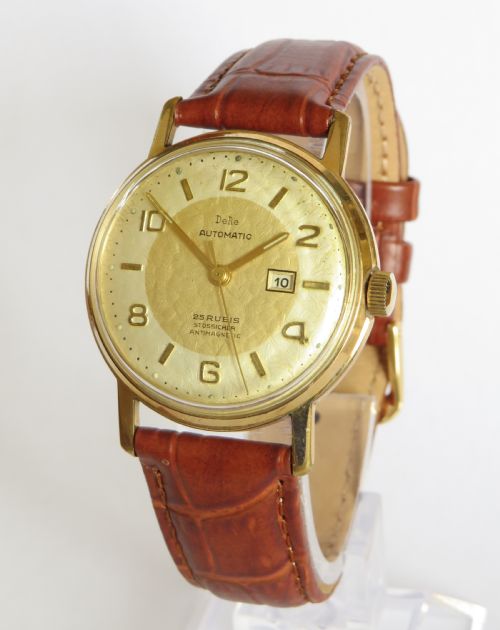
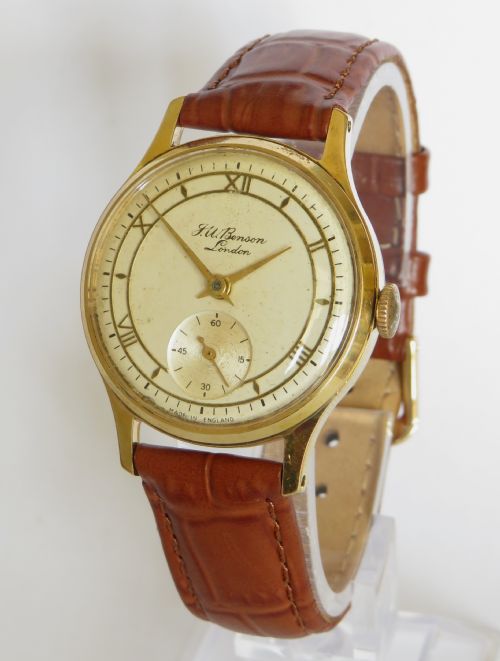
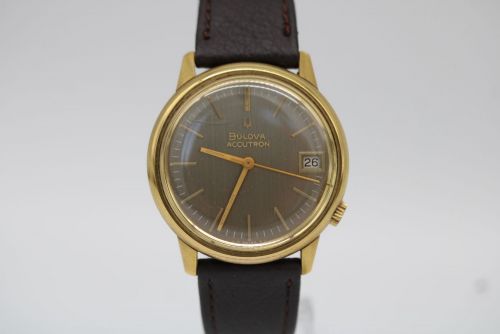
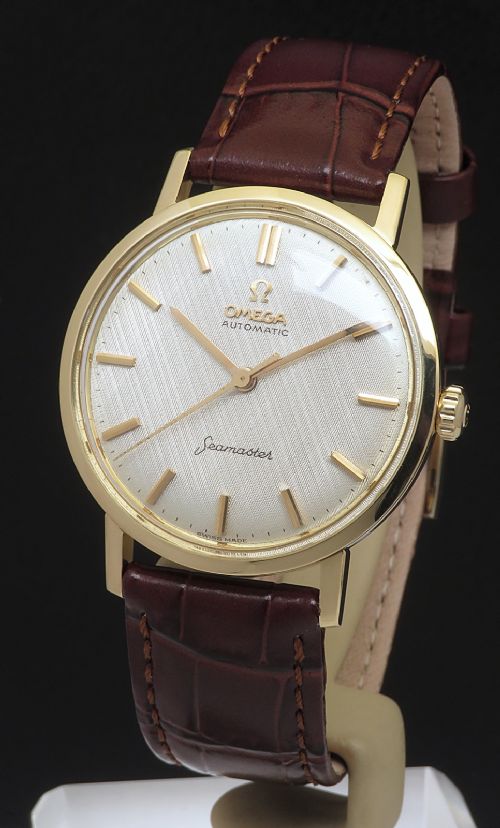
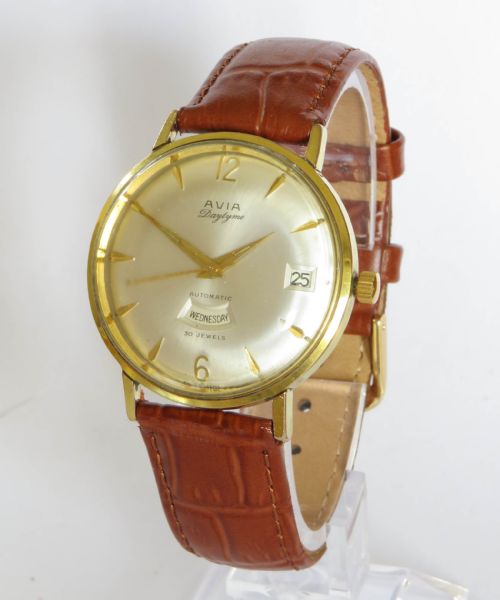
Brown Leather Timepiece
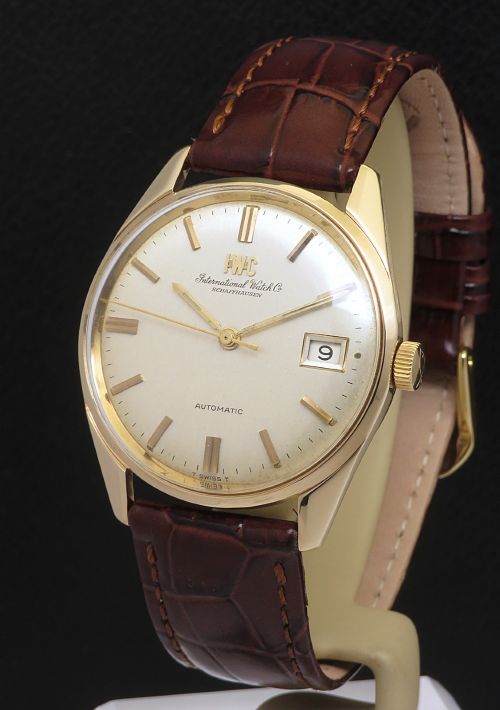
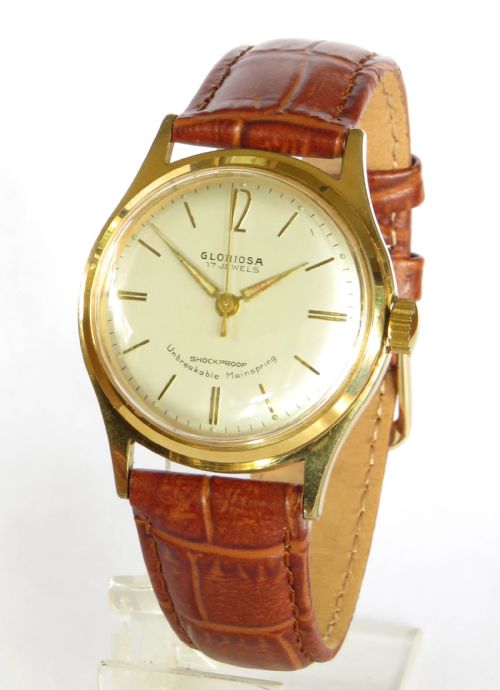
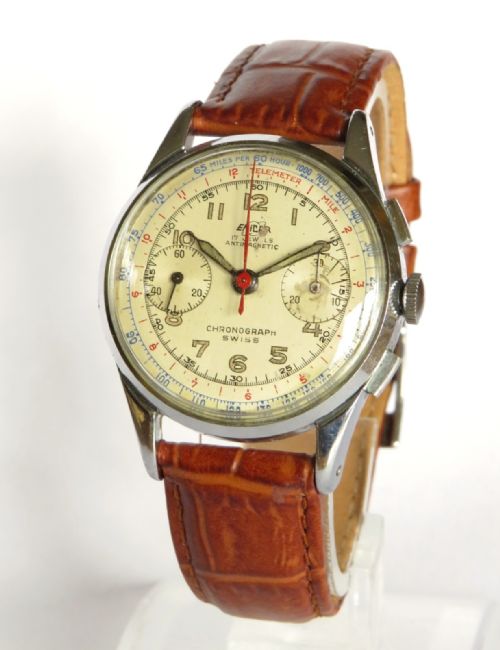
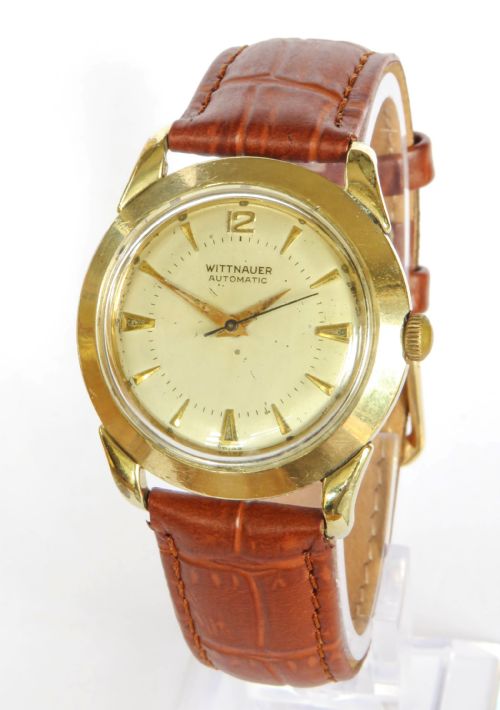
A brown leather timepiece brings together the functional design of mid-century horology and the tactile warmth of traditional strap work.
Brown Leather Timepiece
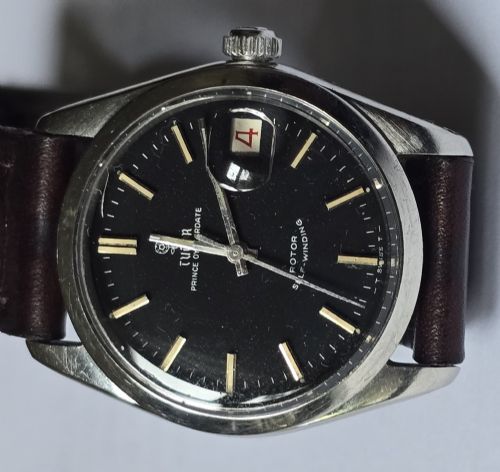
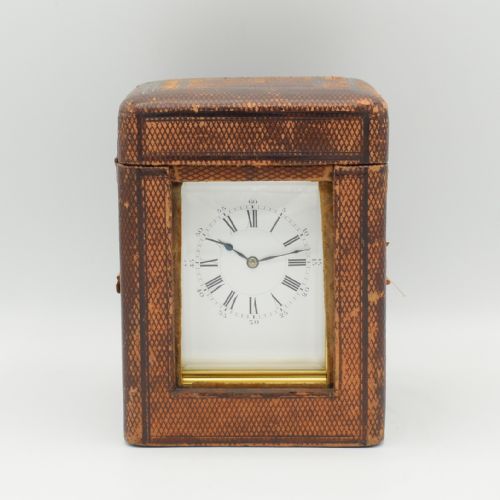
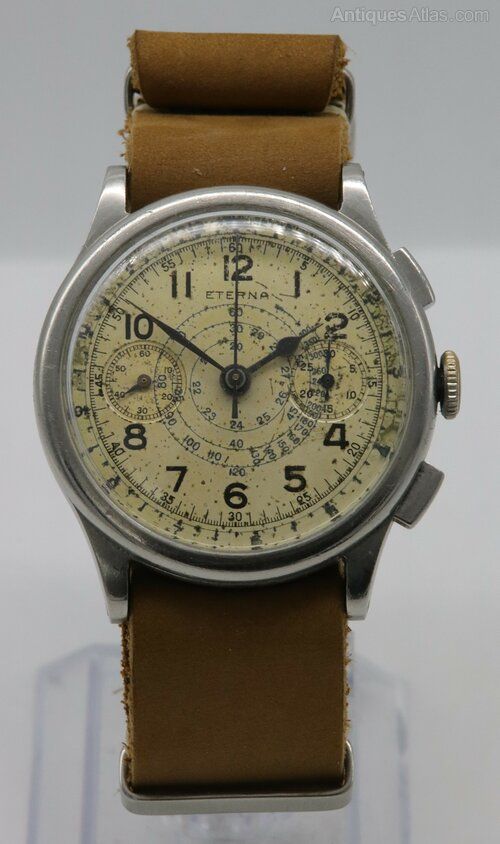
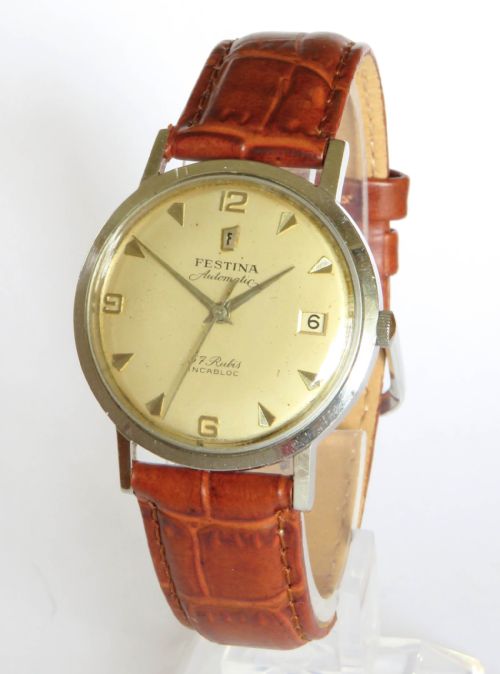
A brown leather timepiece encompasses a wide variety of vintage horological items, spanning wristwatches and clocks produced across the nineteenth and twentieth centuries. The selection on this page leans heavily toward mid-century wristwatches alongside occasional carriage clocks from earlier periods.
Buyers encounter mechanical and automatic movements housed in materials such as stainless steel, gold plate, and solid 9ct gold. These objects reflect the changing styles of decades ranging from the eighteen-eighties through to the nineteen-sixties, capturing mechanical innovation and distinct dial designs.
How they were made
The construction of these pieces relies on traditional metalworking techniques combined with precise horological engineering. Cases are formed from brass, stainless steel, or precious metals like gold, housing intricate mechanical or automatic movements driven by gears and springs.
Dials incorporate enamel work, metal indices, and glass crystals, while the accompanying straps utilise stitched leather designed for durability and comfort. Protective elements such as travel cases often accompany portable carriage clocks, pairing glass panels with brass frames.
The listings span periods from Victorian carriage clocks to nineteen-sixties automatic wristwatches.
What varies in quality
Quality in these horological items depends upon the original grade of the movement, the choice of case materials, and the survival of original components. Solid gold or steel cases paired with refined automatic movements sit at the upper end of the spectrum compared to plated alternatives.
The degree of preservation across the dial, hands, and case finish also dictates overall standing. Pieces retaining original boxes, papers, or specific manufacturer signatures demonstrate higher desirability among collectors.
Tudor·Henri Jacot·Eterna·Festina·Omega·Antoremi·Smiths·Bulova Accutron·Avia·IWC·Gloriosa·Enicar·Wittnauer·Longines·Certina·Zenith·Lanco·Marvin·Ebel·Garrard·Consul
The Brown Leather Timepiece Glossary
- Chronograph
- A watch with a function for measuring elapsed time, typically featuring independent sub-dials on the face. This mechanism allows the wearer to use the piece as a stopwatch alongside standard timekeeping.
- Automatic
- A self-winding mechanical movement that uses the natural motion of the wearer's wrist to power the mainspring. This removes the need for daily manual winding.
- Carriage clock
- A small, portable spring-driven clock designed for travel during the nineteenth century. These items usually feature brass frames inset with glass panels and a handle on top.
- Calibre
- The specific internal movement design and manufacturer designation used within a watch. Collectors reference this number to identify the exact mechanism powering the timepiece.
- Hermetic
- A watch case design intended to resist dust and moisture penetration through specialised sealing methods. These pieces often feature threaded case backs or secondary internal covers.
Brown Leather Timepiece: Frequently Asked Questions
How do I wind a manual vintage watch?
Wind the crown gently in a clockwise direction until you feel slight resistance. Stop immediately to avoid damaging the internal mainspring.
Most vintage pieces require daily winding at a consistent time to maintain accurate timekeeping throughout the day.
Can I wear my vintage watch while swimming?
Most vintage timepieces lack modern water resistance standards and should be kept away from water entirely. Seals and gaskets degrade over decades, making moisture ingress a risk even during brief exposure.
It is best to remove your watch before washing hands, showering, or swimming to protect the movement and leather strap.
What is the difference between manual and automatic?
Manual wind watches require the wearer to turn the crown by hand to tension the mainspring daily. Automatic watches feature an internal weighted rotor that winds the spring using the natural movement of the arm.
Both systems rely on mechanical gears rather than batteries to drive the hands across the dial.
How should I store my carriage clock?
Store your clock upright on a stable, flat surface away from direct sunlight and extreme temperature fluctuations. Sunlight can fade dials and dry out internal lubricants over time.
If the clock is being packed away for transport, secure the pendulum or balance wheel if applicable to prevent damage to the delicate pivot bearings.