




Brown Leather Spine Book
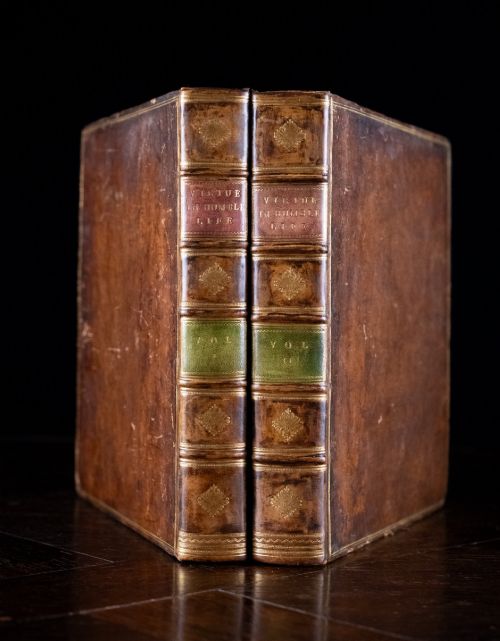
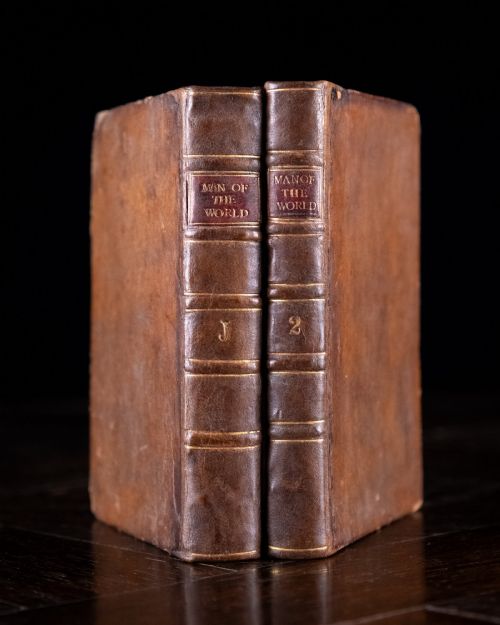
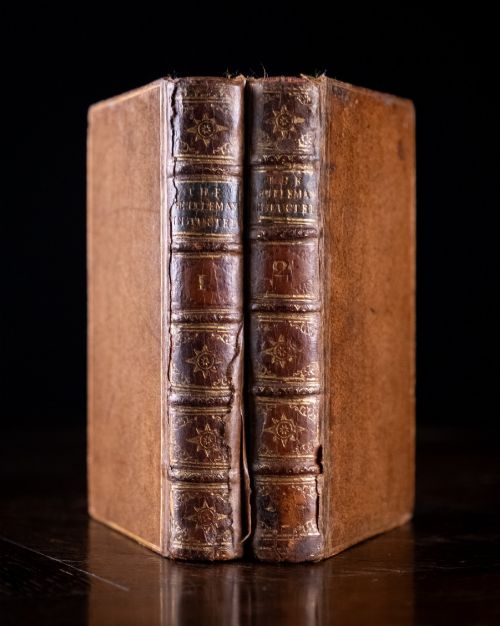
A brown leather spine book brings tactile history and rich warm tones to a room, offering volumes that span centuries of literature and learning.
Brown Leather Spine Book
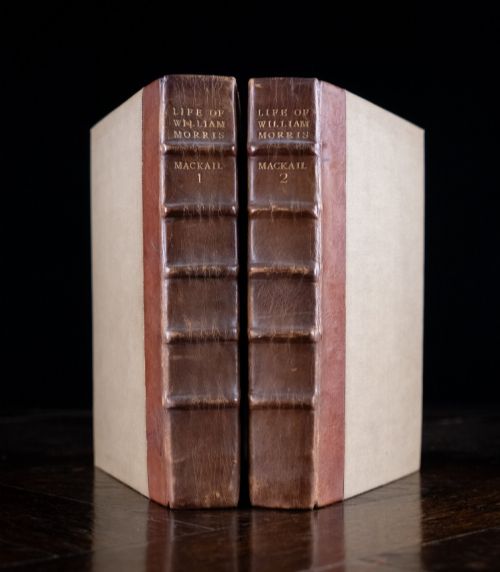
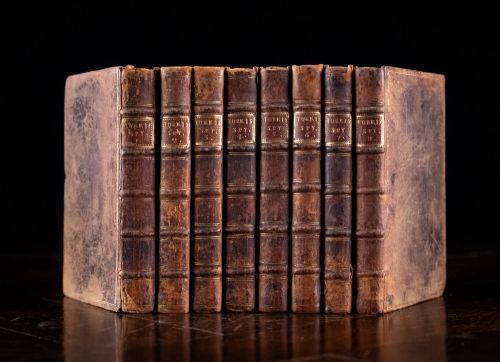
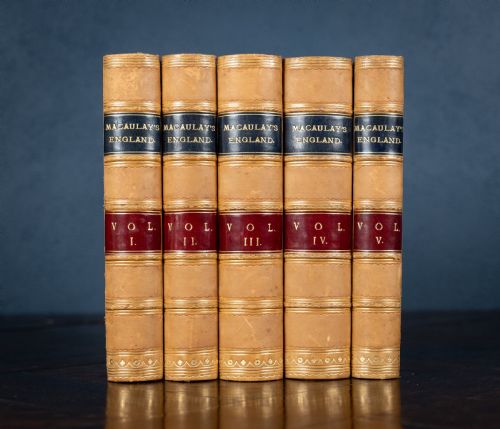
When searching for a brown leather spine book, collectors encounter single volumes, multi-volume sets, and complete works ranging across the eighteenth, nineteenth, and early twentieth centuries. These pieces encompass antiquarian books, historical texts, literature, and even decorative items such as converted lamps or desk accessories.
The pieces on this page originate from periods including the Georgian, Regency, Victorian, and Edwardian eras. Buyers regularly find works covering history, philosophy, biography, and poetry, alongside larger matched sets intended for library shelves.
Materials and construction
Binders utilised natural materials such as calfskin and standard leather for the spines and covers, often pairing them with marbled paper or cloth boards. Text blocks consist of traditional paper bound securely within the protective exterior.
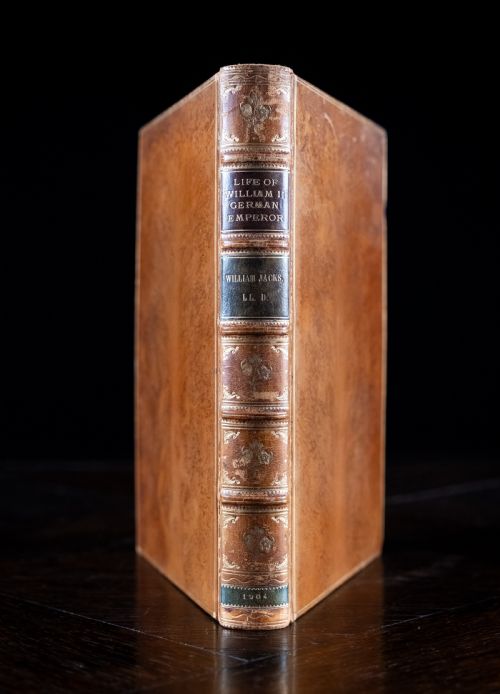
Detailing frequently involved gold leaf applied to the spine for lettering and decorative tooling, creating contrasting highlights against the dark leather surfaces. Pages were printed during periods spanning the seventeen hundreds through to the early nineteen hundreds using period typesetting methods.
Brown Leather Spine Book Retail Price Guide 2026
Typical asking prices for brown leather spine book among the pieces listed under this phrase on Sellingantiques today, from the lower quarter to the upper quarter. They describe what is for sale here now, not the wider market.
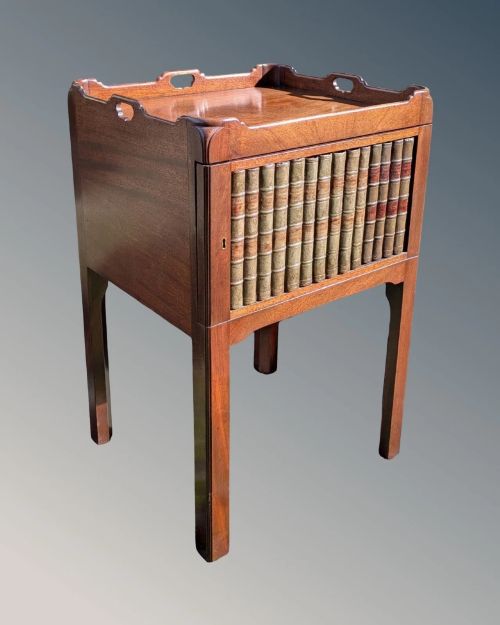
Among the historical volumes, buyers can occasionally find clever hollow fake books designed to conceal items on a desk.
Assessing craftsmanship and condition
The degree of preservation in the leather and the crispness of the gilt tooling dictate the visual impact of each volume. Uniformity across multi-volume sets also influences desirability among collectors seeking consistent shelf presentation.
The clarity of the original printing, the integrity of the binding structure, and the presence of contemporary marbled endpapers or authentic bookplates distinguish superior library examples from heavily worn or later rebound copies.
William Darrell·J. W. Mackail·Jonas Hanway·Thomas Babington Macaulay·Dr. Thomas Brown·William Shakespeare·Elihu Burritt·Henry Mackenzie·Sir Walter Scott·Joseph Bonomi·J. J. Blunt·Thomas Berwick
The Brown Leather Spine Book Glossary
- Calfskin
- A fine, smooth leather derived from the skin of a calf, frequently used for durable and supple book bindings.
- Gilt
- A thin layer of gold leaf applied to the leather spine or page edges for decoration and lettering.
- Marbled paper
- Paper decorated with a colourful patterned design resembling marble, commonly used for endpapers and board covers.
- First edition
- The earliest published appearance of a text, printed from the initial setting of type.
Brown Leather Spine Book: Frequently Asked Questions
How do I date a leather spine book?
Dates are typically found on the title page or implied through contemporary inscriptions and publisher notes. Binding styles and typography offer further clues to the period of origin.
Examining the paper texture and watermark can also help narrow down the decade in which the volume was produced.
Are these books complete sets?
The inventory includes both single standalone volumes and multi-volume sets spanning anywhere from two to forty-seven books. Each listing specifies the exact volume count present.
Buyers should verify whether a multi-volume run is complete before acquiring the set for display.
What materials make up the binding?
Bindings feature genuine leather and calfskin on the spines, often combined with cloth or marbled paper sides. Gold leaf provides the metallic highlights on the spine lettering.
Internal construction relies on traditional paper and sewing methods typical of historical bookbinding.
How should I care for leather spines?
Keep antique books away from direct sunlight and excessive humidity to prevent the leather from drying out or cracking. Handle them gently by the middle of the spine rather than pulling them off shelves by the headcap.
Allow adequate air circulation around library shelving to preserve the organic materials over time.