



Brown Lacquer Tables
Brown lacquer tables bring a rich, glossy surface and eastern motifs into a room, drawing the eye with deep polished finishes.
Brown Lacquer Tables
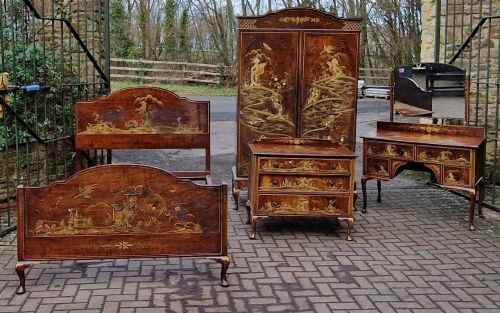
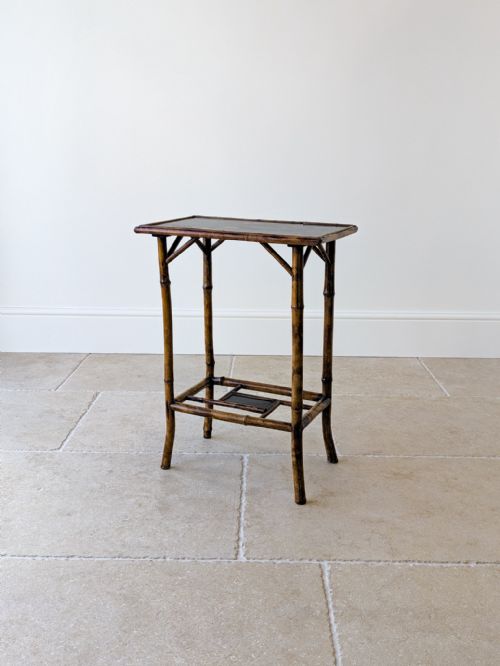
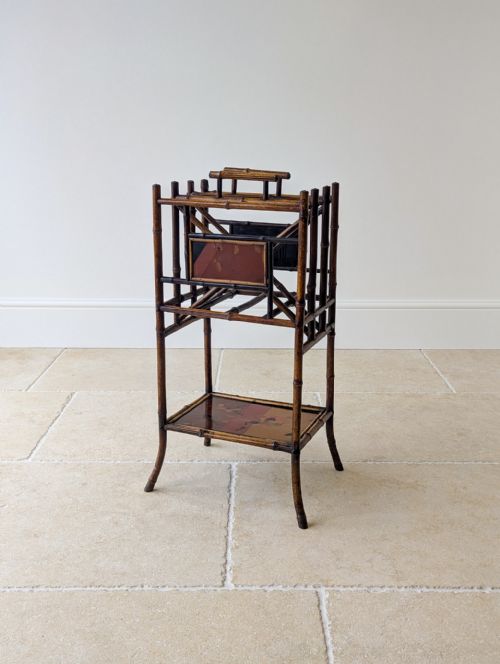
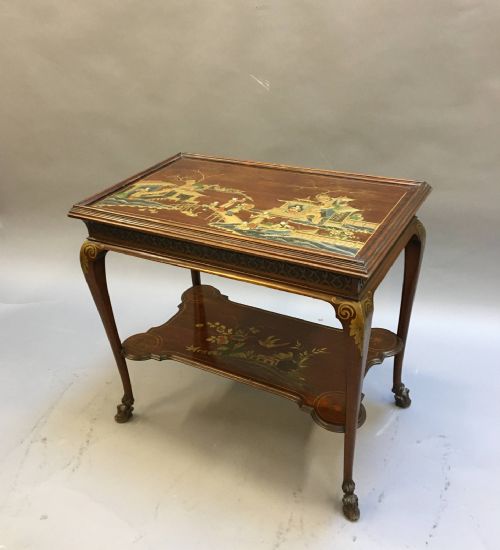
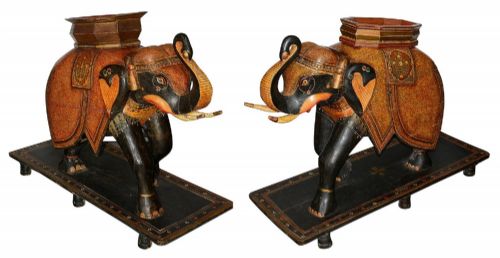
When you look for brown lacquer tables, you encounter a mix of occasional furniture, side pieces, and stands spanning the Georgian era to the early twentieth century. These items include Victorian bamboo frames, Chinoiserie tea surfaces, and Kashmiri carved wood pieces.
The version you are most likely to meet on this page is the nineteenth-century occasional table or bamboo stand, often finished with dark lacquer and hand-painted details. Makers drew on Chinese, Japanese, and Anglo-Indian design traditions to create functional surfaces for nineteenth-century and early twentieth-century interiors.
How they were made
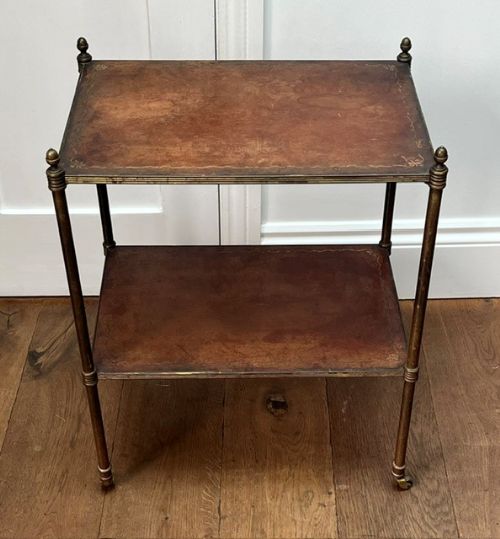
Artisans built these pieces using natural materials such as bamboo, elm, hardwood, and papier-mâché, often shaping them into two-tier structures, console tables, and writing desks. Structural elements relied on traditional joinery suited to the specific wood or cane.
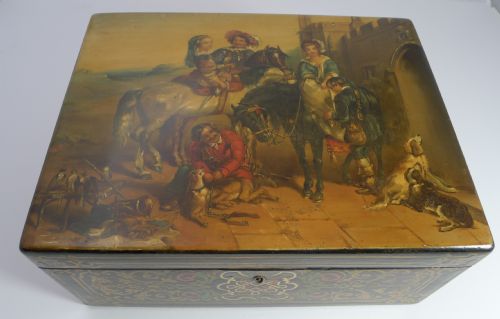
The characteristic finish involved successive layers of lacquer applied to wood or papier-mâché, sometimes enhanced with gold leaf and hand-painted motifs. Brass hardware, tooled leather, and inset quartz tops added functional and decorative contrast to the glossy surfaces.
Brown Lacquer Tables Retail Price Guide 2026
Typical asking prices for brown lacquer tables among the pieces listed under this phrase on Sellingantiques today, from the lower quarter to the upper quarter. They describe what is for sale here now, not the wider market.
What varies in quality
The standard of a piece depends heavily on the depth and durability of the lacquer finish, alongside the crispness of any hand-painted or gilt decoration. Superior examples display smooth, even layering without extensive cracking, while lesser items show surface wear that obscures the underlying artistry.
Construction integrity also dictates the grade of the work, distinguishing sturdy hardwood and tiger bamboo frames from more fragile or hastily assembled items. The finesse of carved details, whether on Kashmiri wood or Chinese rootwood stands, separates standard production from finer craftsmanship.
Jennens and Bettridge
The Brown Lacquer Tables Glossary
- Lacquer
- A durable resin finish applied in multiple coats to wood or papier-mâché to create a smooth, glossy surface. It often protects intricate painted or gilded designs underneath.
- Chinoiserie
- European artistic style reflecting Chinese motifs and techniques. It appears on furniture through painted landscapes, figures, and dark lacquered finishes.
- Papier-mâché
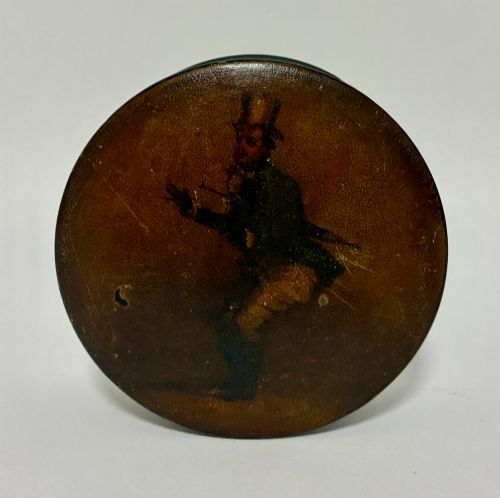
- A composite material made from paper pulp mixed with glue and resin, pressed into moulds. It provided a smooth base for lacquer and painting on small boxes and tables.
- Rootwood
- Gnarled tree root timber shaped into naturalistic furniture and stands. Craftsmen polished the dense grain to highlight organic forms.
Brown Lacquer Tables: Frequently Asked Questions
What periods do these brown lacquer tables come from?
The pieces span the Georgian period through the Victorian era and into the early twentieth century around nineteen thirty. You will find items reflecting nineteenth-century craftsmanship alongside earlier Georgian examples.
Design movements such as the Aesthetic Movement and Chinoiserie heavily influenced the production dates found across these listings.
How do I care for antique lacquer surfaces?
Keep these tables out of direct sunlight and away from excessive heat sources to prevent the lacquer from drying out or cracking. Dust gently with a dry, soft cloth and avoid chemical polishes.
Maintain a stable room humidity to protect both the wooden substrates and the delicate layers of varnish.
Are bamboo and lacquer tables sturdy enough for daily use?
Victorian bamboo and hardwood tables were built for functional domestic tasks such as holding tea sets, books, or sewing items. Their lightweight construction requires sensible handling rather than heavy loading.
Placing them in low-traffic areas helps preserve the joints and the decorative surface finishes over time.
What is the difference between Chinoiserie and Anglo-Indian tables?
Chinoiserie pieces adopt European interpretations of Chinese motifs, typically featuring painted gilt figures and landscapes on dark lacquered wood or papier-mâché. They lean towards smooth, polished surfaces.
Anglo-Indian items draw on regional carving traditions from the Indian subcontinent, prioritising dense floral woodcarvings and distinct regional silhouettes over painted glossy panels.