
Brown Inlay Box
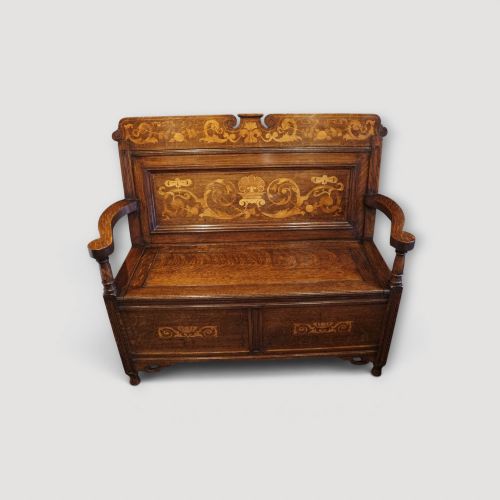
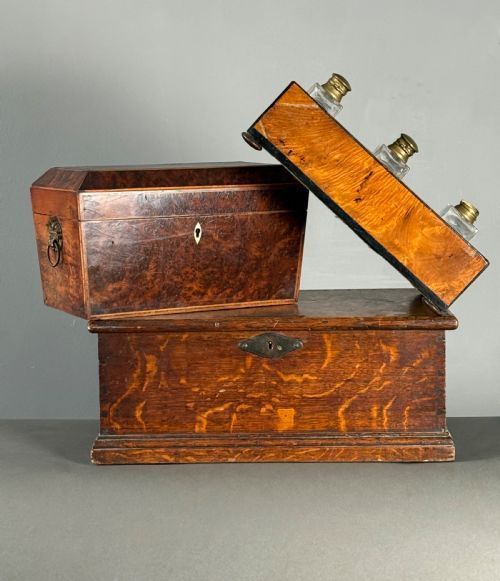
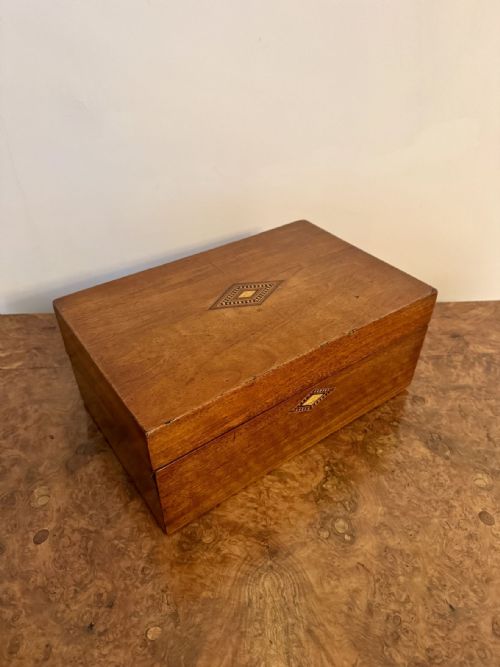
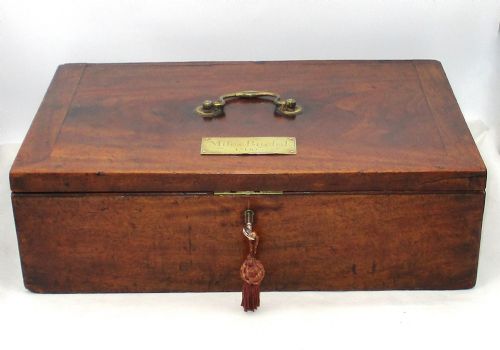
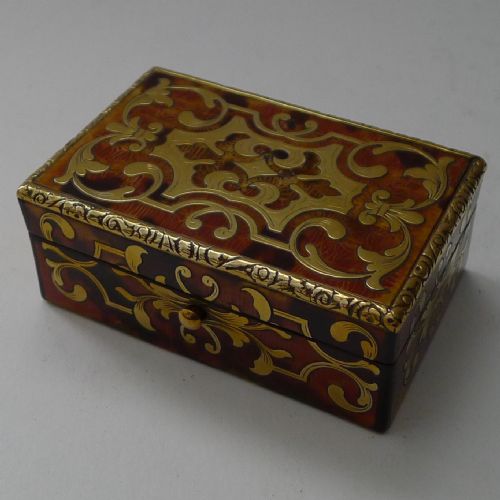
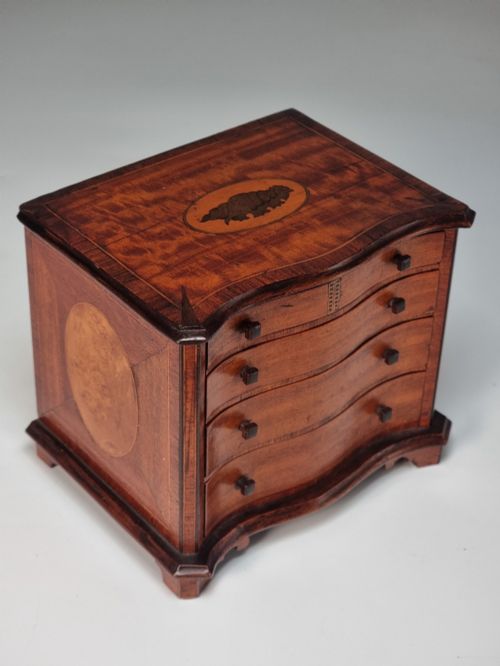
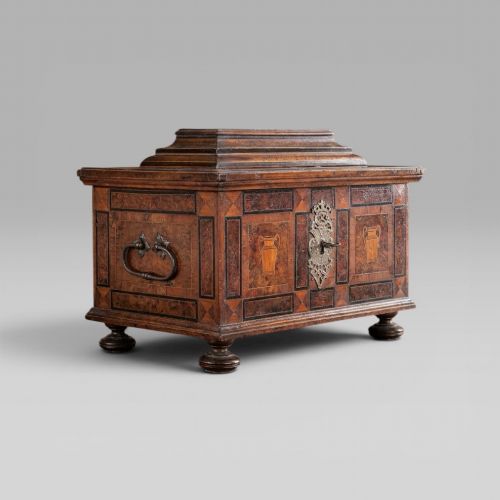
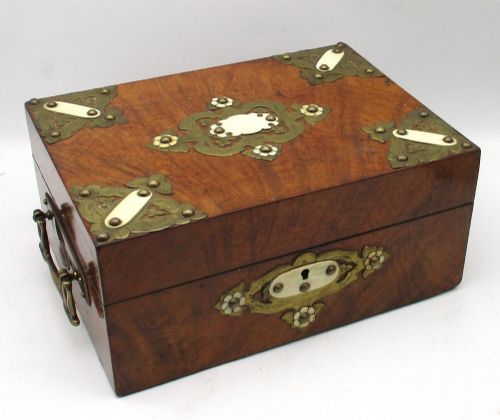
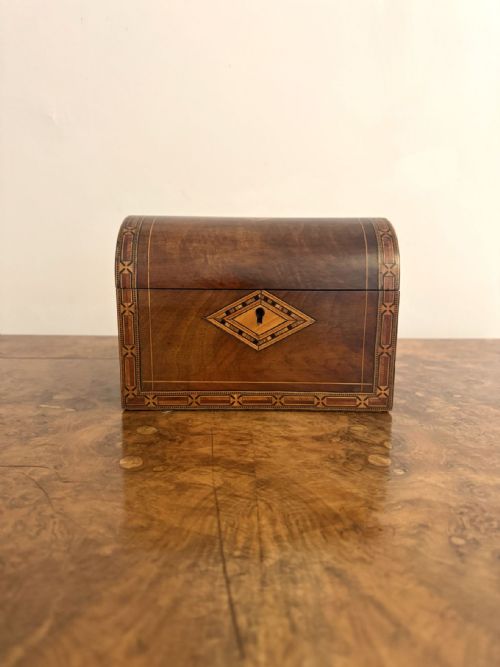
These brown inlay box examples bring together rich timbers and meticulous contrasting stringing from Georgian and Victorian workshops.
Brown Inlay Box
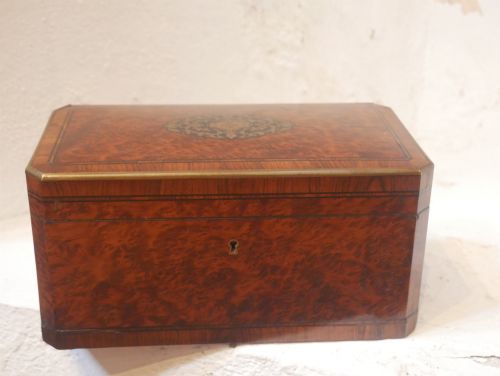
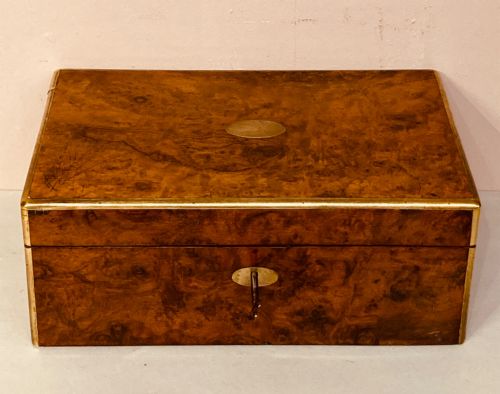
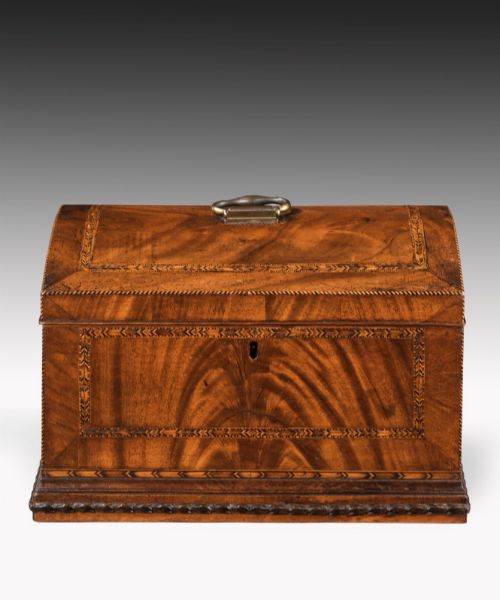
A brown inlay box serves primarily to hold tea, letters, or small personal valuables, appearing most frequently in forms such as tea caddies, document boxes, and writing slopes. These containers originate predominantly across the 18th, 19th, and early 20th centuries, spanning periods from George III through to the Edwardian era.
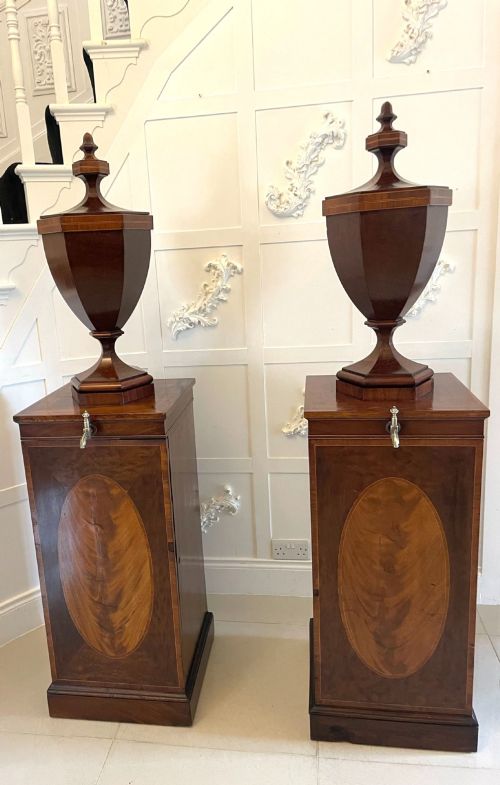
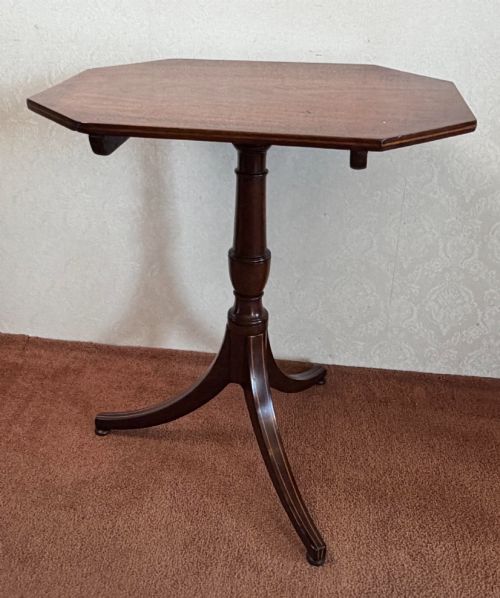
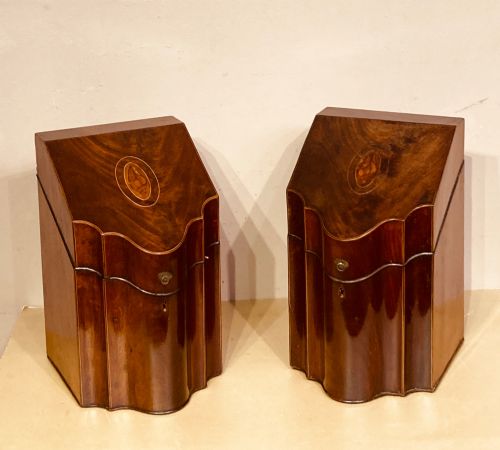
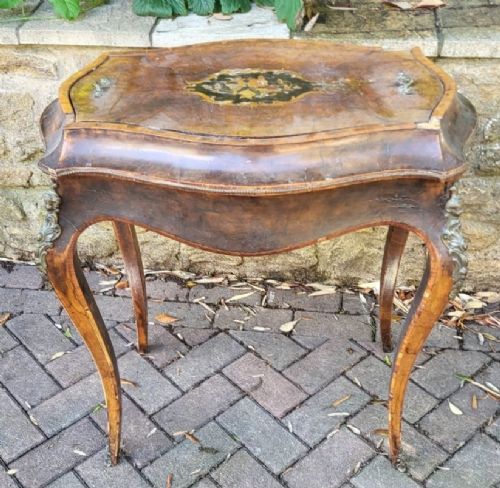
The selection ranges from small pocket snuff boxes in fruitwood to substantial mahogany cellar chests and occasional tables fitted with delicate stringing. Mahogany, walnut, and satinwood form the core structural timbers of these pieces, matched with contrasting decorative veneers.
Makers utilised specific regional traditions, from English cabinet work to French boulle-work and Tunbridge mosaic detailing. Buyers encounter items intended for desk organisation, domestic storage, and display.
Materials and Technique
Cabinet makers constructed the foundational carcase from dense hardwoods like mahogany, walnut, or rosewood, often selecting figured veneers such as burr walnut or fiddleback mahogany for the exterior surfaces. These primary woods provide stability and a deep natural grain.
Decoration relied on precise contrasting stringing and banding inserted into channels cut into the solid timber or veneer. Boxwood, ebony, bone, and satinwood supply the pale or dark linear accents that define the geometric and floral motifs.
Interior compartments frequently incorporate secondary softwoods alongside fitted trays, velvet linings, and small bone escutcheons around the keyholes.
Materials documented across the pieces include tortoiseshell, mother-of-pearl, bone, and Tunbridge mosaic alongside traditional mahogany and walnut.
Judging Quality
The distinction between standard domestic items and superior examples rests upon the crispness of the cabinetry and the precision of the marquetry or stringing. Clean, tight mitres at the corners and uninterrupted veneer selection signal high workshop standards.
Fitted interiors with original compartments, working locks, and matching key escutcheons elevate a piece significantly above examples missing their internal components. The integration of specialised decorative techniques, such as Tunbridge mosaic or detailed bone inlay, demonstrates greater artisan time and investment.
Proportion and wood figure dictate visual success, where well-figured burr timbers or contrasting harewood panels catch the light evenly across the lid and sides.
Tahan Paris·A. F. Lloyd, Bideford
The Brown Inlay Box Glossary
- Tunbridge Ware
- A type of woodwork featuring mosaic decoration made from thousands of tiny tinted wood blocks arranged to form pictorial or geometric designs.
- Stringing
- Thin strips of contrasting wood inlaid into grooves on the surface of furniture or boxes to create borders and linear patterns.
- Writing Slope
- A portable desk with a hinged, slanted lid that opens to reveal a writing surface, inkwell compartments, and storage space for stationery.
- Tea Caddy
- A small lidded container designed to store loose tea leaves securely, often featuring internal foil lining or multiple compartments.
- Marquetry
- The art of applying pieces of veneer to a structure to form decorative patterns, pictures, or designs.
Brown Inlay Box: Frequently Asked Questions
What were tea caddies used for?
Tea caddies held valuable tea leaves under lock and key in the Georgian and Victorian drawing room. Because tea was an expensive commodity, the mistress of the house kept the caddy secured.
Inside, compartments separated different tea varieties, sometimes featuring mixing bowls or foil-lined canisters to preserve the aroma.
How do I identify a Georgian box?
Georgian boxes rely on architectural proportions, solid mahogany or walnut carcases, and restrained use of brass hardware. Look for hand-cut dovetails and period locks.
Decoration during this era favoured simple stringing, satinwood banding, or fine veneer selection rather than heavy carving.
What is Tunbridge inlay?
Tunbridge inlay consists of microscopic wooden tiles assembled by hand to create intricate mosaic pictures or geometric borders. Craftsmen used naturally coloured British woods to achieve the different shades without paint.
This technique appears predominantly on small boxes, tea caddies, and desk accessories from the 19th century.
How should I clean a wooden box?
Maintain antique wooden surfaces with a soft, dry cloth to remove dust without disturbing the aged patina. Avoid modern silicone polishes that penetrate the grain and damage old finishes.
Feed dry timbers occasionally with appropriate microcrystalline wax to protect the polish and wood surface.