

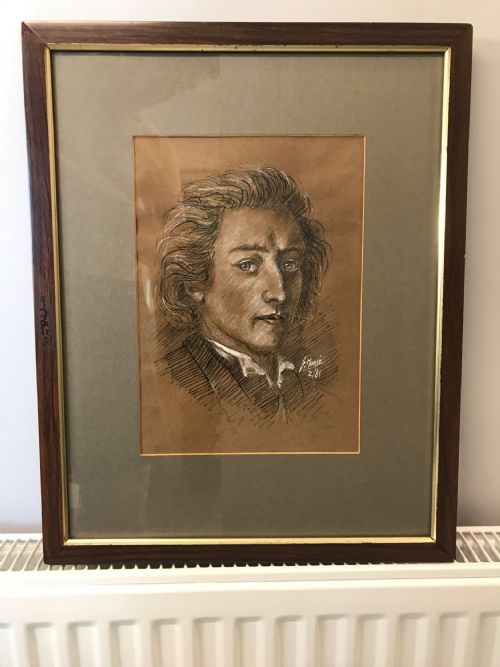


Brown Ink Sketch
When you collect a brown ink sketch, you acquire a direct line of thought from the artist's hand to paper.
Brown Ink Sketch
A brown ink sketch captures rapid observations, preparatory studies and finished graphic works executed across several centuries. The pieces gathered here span from the early eighteenth century through to later modern periods, representing diverse European schools and individual hands.
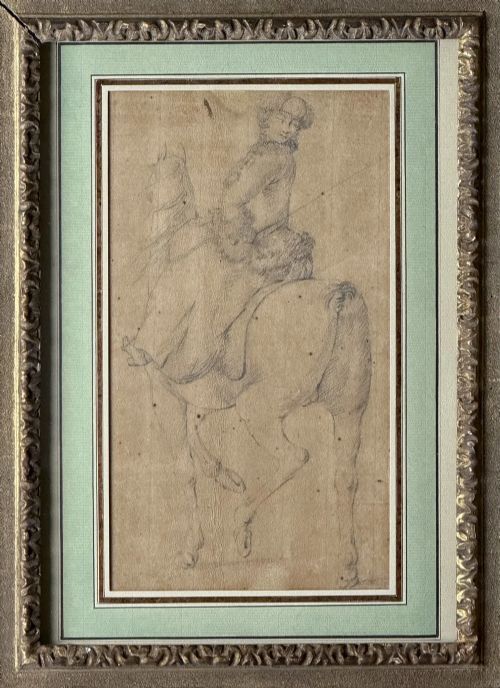
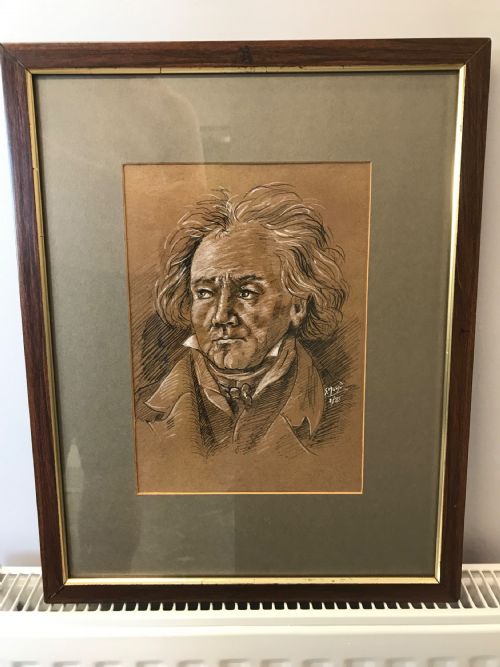
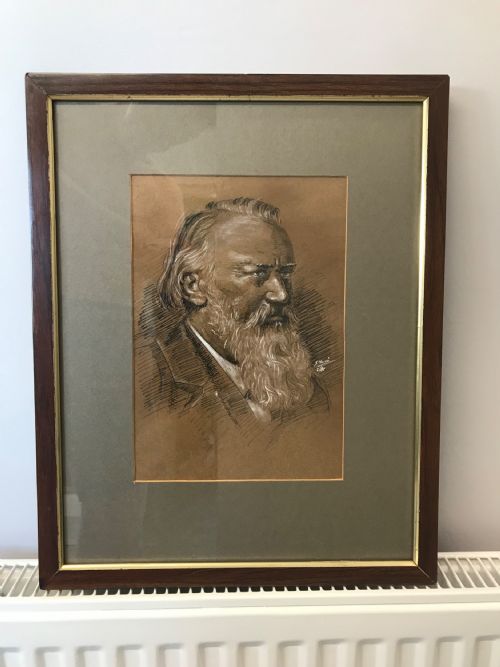
Framed drawings and original works on paper form the core of this selection. Subjects range from classical equestrian studies and architectural plans to portraits of historical figures and musicians.
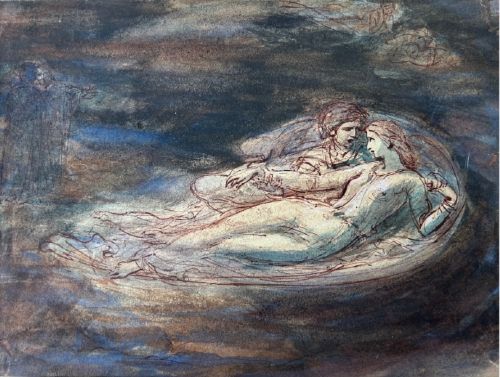
Examples frequently combine pen and ink with wash, gouache, watercolour or graphite. Buyers encounter both spontaneous field notes and meticulously composed narrative scenes.
Materials and technique
Works rely primarily on paper supports combined with ink, often augmented by watercolour, wash or gouache to build tone and depth. Graphite and coloured inks also appear in linear compositions.
Framing preserves these delicate works, protecting vulnerable paper surfaces from atmospheric damage.
Brown Ink Sketch Retail Price Guide 2026
Typical asking prices for brown ink sketch among the pieces listed under this phrase on Sellingantiques today, from the lower quarter to the upper quarter. They describe what is for sale here now, not the wider market.
Listings feature works spanning from the 18th century to the 1960s, utilising paper, ink, wash, gouache and watercolour.
Assessing quality
The immediacy of the line and the confidence of the execution dictate the strength of a drawing. Works showing decisive mark-making possess a visual energy distinct from hesitant copies.
The preservation of the paper and the stability of the ink determine the longevity and visual clarity of the piece.
Louis Wain·Lawrence Stephen Lowry·Theobald Chartran·Henri Josephe Hesse·Fred Lawson·Thomas Lound
The Brown Ink Sketch Glossary
- Wash
- A technique where diluted ink or watercolour is applied to paper to create smooth areas of tone and shadow. It often accompanies fine line drawings to add depth.
- Gouache
- An opaque watercolour paint that provides solid highlights and bright accents on tinted paper. It frequently appears alongside ink and wash in portraiture.
- Graphite
- A form of carbon used for underdrawing or independent linear work. It provides soft grey lines that contrast with sharp ink strokes.
- Pre-Raphaelite
- An artistic style associated with detailed observation and narrative subjects from literature and history. Works from this circle display meticulous linear precision.
Brown Ink Sketch: Frequently Asked Questions
How should I frame a paper drawing?
Works on paper require conservation mounting to prevent the artwork from touching the glass directly. Acid-free materials protect the paper from degradation over time.
Keep framed drawings away from direct sunlight to prevent the ink and paper from fading.
What is the difference between ink and wash?
Ink provides the sharp, defining lines of a subject, mapping out contours and details with precision. Wash introduces liquid tones that create shadow and volume.
Artists often combine both methods to give flat drawings a three-dimensional quality.
How do I identify a Victorian drawing?
Victorian drawings often reflect contemporary interests in narrative storytelling, portraiture and rural landscapes. Costumes and hairstyles provide reliable clues to the date of execution.
Signatures, dates and inscriptions on the reverse or front of the paper also help confirm the period.
Are these works original?
Every piece listed is an original hand-drawn or hand-painted work rather than a modern reproduction or print. Artists created these individual sketches directly on paper using traditional media.
Handwritten inscriptions, artist signatures and visible brush or pen strokes distinguish unique works from printed editions.